
The cosmetics market is experiencing significant change as consumer demands, technology, and sustainability priorities evolve. Brands and entrepreneurs face a dynamic environment where adaptation is essential for growth and success.
This guide delivers a thorough analysis of the cosmetics market, highlighting trends, key drivers, and practical insights for thriving by 2026. You will discover how shifting consumer behaviors, emerging product categories, digital innovation, and sustainability are shaping the industry’s future.
Ready to unlock new opportunities? Explore the strategies and insights within this guide to position your business at the forefront of the cosmetics market’s next chapter.
Global Cosmetics Market Overview: Size, Segmentation, and Growth Projections
The cosmetics market is witnessing impressive growth, driven by evolving consumer expectations, technological advancements, and new business models. Brands and entrepreneurs looking to enter or expand within the cosmetics market must understand its current size, structure, and future direction.
Market Size and Forecasts to 2026
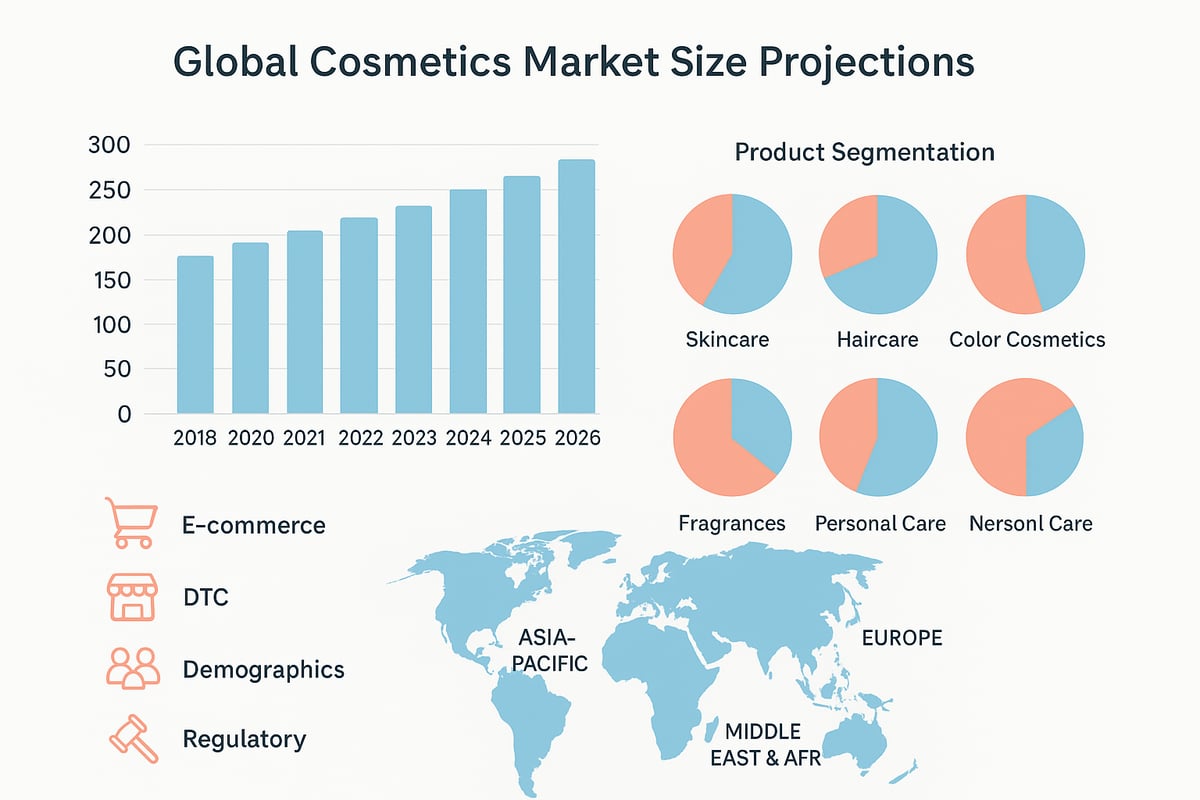
The global cosmetics market is expected to surpass $430 billion by 2026, with a steady compound annual growth rate (CAGR) of around 5 percent over the past few years. This upward trajectory is supported by rising disposable incomes, urbanization, and rapid digitalization. According to Global beauty market projected to reach $590 billion by 2030, the sector is on a path of sustained expansion, as more consumers prioritize beauty and personal care.
Key drivers fueling the cosmetics market include the proliferation of social media, increasing focus on self-care, and greater accessibility to premium products. Brands that capitalize on these trends are likely to capture larger market shares.
Market Segmentation by Product Type
Within the cosmetics market, segmentation by product type reveals significant variation in growth and consumer interest. Skincare remains the largest segment, followed by haircare, color cosmetics, fragrances, and personal care. Emerging subcategories, such as dermocosmetics and hybrid products, are gaining traction as consumers seek targeted solutions.
The cosmetics market is also witnessing growth in specialized products, including anti-aging creams, serums, and sunscreens. This diversification allows brands to cater to niche preferences and broaden their portfolios.
Leading Geographic Markets
The cosmetics market is highly dynamic across regions. Asia-Pacific leads in both consumption and innovation, with China and India representing massive opportunities for growth. North America and Europe maintain strong market shares, driven by established brands and regulatory frameworks.
Latin America, especially Brazil, is emerging as a vibrant cosmetics market. The Middle East & Africa are untapped frontiers, showing increasing demand for luxury and halal-certified products. Regional differences create unique entry points for brands.
Distribution Channels and Shifts
Distribution channels in the cosmetics market are evolving quickly. E-commerce is experiencing double-digit growth, outpacing traditional brick-and-mortar retail. Direct-to-consumer (DTC) brands leverage digital platforms to reach customers directly, while social commerce is gaining momentum, especially among younger shoppers.
Omnichannel strategies that blend online and offline experiences are now essential for brands aiming to maximize reach and engagement in the cosmetics market.
Key Industry Players and Market Share
Several multinational corporations dominate the cosmetics market, including L'Oréal, Estée Lauder, and Unilever. However, indie brands are rising rapidly, capturing consumer attention with unique value propositions and agile marketing.
Market consolidation is ongoing, with mergers and acquisitions enabling established players to expand their portfolios and enter new categories. This landscape encourages both innovation and competition.
Consumer Demographics and Preferences
The cosmetics market serves a broad demographic, segmented by age, gender, and income. There is notable growth in male grooming products and a surge in Gen Z influence, with younger consumers seeking authenticity, inclusivity, and transparency.
Brands are adapting by offering diverse product lines and marketing campaigns that resonate with multicultural and multigenerational audiences. This adaptability is crucial for sustained success.
Regulatory and Compliance Landscape
Regulation in the cosmetics market is evolving swiftly. Clean beauty standards, strict labeling requirements, and ingredient bans are shaping product development and market entry strategies. Compliance with regional and international regulations is no longer optional but a necessity for brands seeking global reach.
Staying ahead of regulatory changes helps companies mitigate risks and build consumer trust in an increasingly competitive environment.
Major Trends Reshaping the Cosmetics Market by 2026
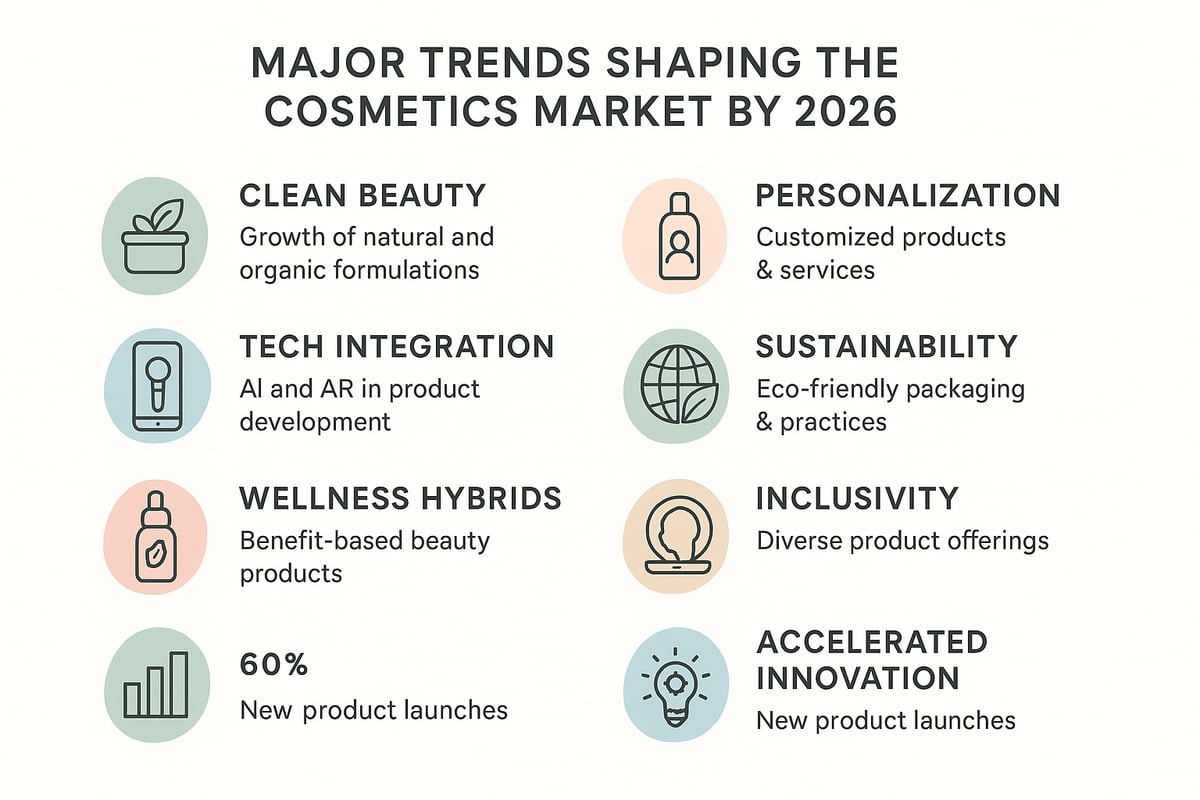
The cosmetics market is undergoing a period of unprecedented transformation, driven by evolving consumer expectations and rapid innovation. Brands and entrepreneurs must stay ahead of these shifts to retain relevance and capture growth. For a deeper look at the trends defining this landscape, see Trends in the cosmetics industry.
Clean Beauty and Ingredient Transparency
Clean beauty has become a cornerstone of the cosmetics market as consumers demand safer, more transparent ingredients. Shoppers increasingly seek products labeled as natural, organic, and free from controversial substances. Regulatory bodies are responding with stricter labeling requirements and new standards.
Retailers like Sephora have launched dedicated programs to highlight clean products, while brands invest in education and third-party certifications. This trend is reshaping product development processes, prompting companies to reformulate and disclose ingredient origins. As awareness grows, transparency will remain a key differentiator in the cosmetics market.
Personalization and Customization
Personalization is revolutionizing the cosmetics market, offering tailored experiences and individual solutions. Artificial intelligence enables skin analysis, while data-driven algorithms recommend specific products based on unique needs. Brands such as L’Oréal and Function of Beauty are pioneering custom formulations.
Consumers now expect products that adapt to their lifestyles, skin types, and preferences. This shift is driving demand for on-demand manufacturing, personalized packaging, and interactive online consultations. The cosmetics market will see further growth as brands perfect these bespoke solutions.
Tech Integration: Smart Beauty and Digital Experiences
Technology is transforming the cosmetics market with smart solutions and digital touchpoints. Augmented reality try-ons, virtual consultations, and mobile skin diagnostic tools are becoming mainstream. These innovations enhance the online shopping experience and build consumer confidence.
E-commerce platforms are leveraging livestream shopping, AI-powered chatbots, and digital loyalty programs. Brands like Estée Lauder use AR to allow customers to visualize makeup in real time. As technology advances, the cosmetics market will see even greater integration of digital experiences.
Sustainability and Eco-Friendly Packaging
Sustainability is no longer optional in the cosmetics market. Consumers are prioritizing eco-friendly packaging, recyclable materials, and circular economy practices. Companies now offer refillable containers, biodegradable packaging, and reduced plastic usage.
Brands like Lush have introduced packaging-free stores, while nearly 60 percent of shoppers consider sustainability when purchasing beauty products. This focus on environmental responsibility is pushing the cosmetics market toward greener innovation and supply chain transparency.
Wellness and Hybrid Beauty Products
The cosmetics market is embracing the intersection of beauty and wellness. Hybrid products that combine skincare, cosmetics, and nutritional supplements are gaining traction. Terms like “beauty from within” and “nutricosmetics” reflect this holistic approach.
Consumers are drawn to multifunctional formulas that address skin health and appearance simultaneously. Ingestible beauty brands and products with added wellness benefits are expanding rapidly. This convergence is opening new opportunities for differentiation in the cosmetics market.
Inclusivity and Diversity in Product Ranges
Inclusivity is reshaping the cosmetics market by expanding product lines to serve all skin tones, hair types, and cultural backgrounds. The success of Fenty Beauty has set a new benchmark, prompting competitors to broaden their offerings.
Brands are now developing wider shade ranges and gender-neutral collections. Marketing strategies are shifting to showcase real diversity and authentic representation. The cosmetics market is moving toward a more equitable future where everyone can find products that meet their needs.
Accelerated Innovation Cycles
Social media and digital platforms have accelerated product development timelines in the cosmetics market. Viral trends and consumer feedback drive rapid prototyping and faster launches. Brands are adopting agile manufacturing and small-batch releases to stay relevant.
This pace of innovation allows companies to respond quickly to emerging preferences and capitalize on fleeting trends. In the cosmetics market, success increasingly depends on the ability to innovate and adapt faster than the competition.
Consumer Behavior Shifts and Emerging Market Demands
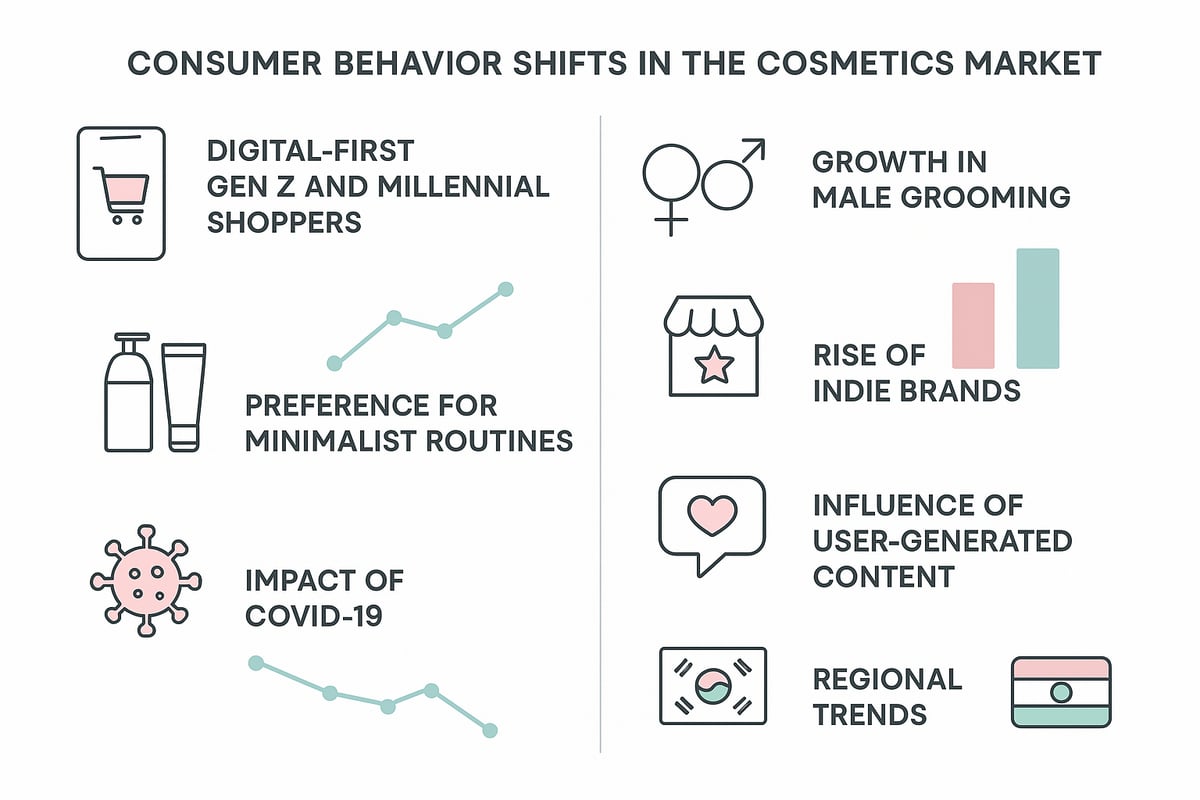
The cosmetics market is experiencing a remarkable evolution, driven by changing consumer expectations, digital disruption, and global influences. Understanding these shifts is crucial for brands seeking to thrive in the cosmetics market, as consumer behavior now shapes product innovation, marketing strategies, and even retail channels.
Gen Z and Millennial Preferences
Gen Z and Millennials are at the forefront of the cosmetics market, with their digital-first shopping habits and reliance on social media platforms like TikTok and Instagram. These consumers expect authenticity, transparency, and ethical practices from the brands they support.
They are highly influenced by online reviews, viral trends, and the values that brands communicate. As a result, the cosmetics market is seeing a surge in demand for products that align with individual values, such as cruelty-free or clean formulations.
Male Grooming and Gender-Neutral Products
The cosmetics market is also witnessing significant growth in male grooming and gender-neutral product offerings. Men are increasingly investing in skincare and cosmetics, challenging traditional gender norms.
Brands are responding by launching inclusive marketing campaigns and developing products that cater to all genders. Genderless brands are becoming more prominent, helping to create a more diverse and accepting landscape within the cosmetics market.
Health-Conscious and Minimalist Routines
A growing segment of the cosmetics market is gravitating toward health-conscious and minimalist routines. Consumers are seeking multifunctional products that simplify their beauty regimens, focusing on efficacy and safety.
The trend toward “skinimalism” is reducing the popularity of elaborate routines. Instead, there is a preference for clean ingredients and transparency, with many consumers opting for products that deliver visible results without unnecessary additives.
Rise of Indie and Niche Brands
Indie and niche brands are reshaping the cosmetics market by offering unique products and building strong communities. These brands often tell compelling stories and connect with consumers through genuine engagement.
For example, Glossier’s approach centers on community-building and listening to customer feedback. This shift toward niche and indie players reflects consumers’ desire for personalized experiences and alternatives to mainstream offerings.
Impact of the COVID-19 Pandemic
The COVID-19 pandemic has left a lasting impact on the cosmetics market, influencing routines and purchasing behaviors. Many consumers reduced makeup usage during lockdowns, shifting their focus to skincare and hygiene products.
There was also a surge in at-home treatments and DIY beauty solutions. Brands had to adapt quickly to these changes, prioritizing products that support self-care and wellness in the home environment.
Influence of Reviews and User-Generated Content
In the cosmetics market, peer reviews and user-generated content play a pivotal role in purchase decisions. Influencers, beauty bloggers, and everyday users share experiences on platforms like TikTok, often driving viral sales surges for trending products.
Social proof has become essential, with consumers trusting recommendations from real people over traditional advertising. This trend has prompted brands to invest in influencer partnerships and foster active online communities.
Regional and Cultural Influences
Globalization has introduced new trends into the cosmetics market, with K-beauty and J-beauty influencing product development worldwide. Brands now tailor offerings to suit local preferences and cultural expectations.
In emerging markets, digital-first retailers like Nykaa's expansion and financial performance demonstrate how regional players are capturing new audiences and shaping the future of the cosmetics market. Localization strategies are now essential for brands aiming to succeed across diverse markets.
Innovation in Product Development and Formulation
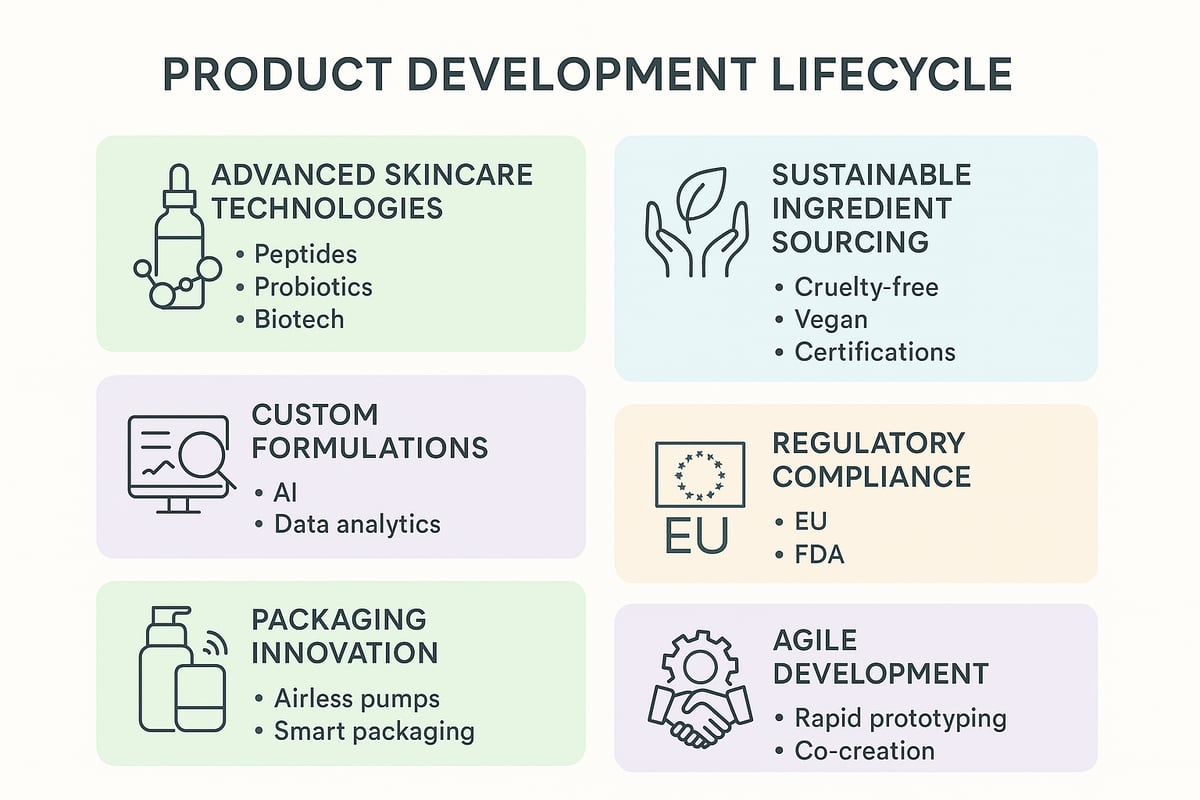
Innovation is the heartbeat of the cosmetics market, driving both consumer excitement and industry growth. As competition intensifies, brands are investing in new technologies, sustainable practices, and agile development to stand out. Let’s explore the frontiers shaping product development and formulation in the cosmetics market.
Advanced Skincare Technologies
The cosmetics market is seeing a surge in advanced skincare technologies that promise visible, science-backed results. Brands are formulating with cutting-edge ingredients such as peptides, which support collagen production, and probiotics, which help balance the skin’s microbiome.
Biotech-derived actives are gaining popularity for their efficacy and sustainability. Consumers increasingly seek clinical evidence behind these innovations, expecting transparent claims and measurable outcomes.
- Peptides: Support skin elasticity and firmness.
- Probiotics: Promote barrier health and resilience.
- Biotech ingredients: Reduce environmental impact while boosting performance.
Clinical studies and peer-reviewed research are now essential for building trust in the cosmetics market.
Sustainable and Ethical Ingredient Sourcing
Sustainability is a non-negotiable in the cosmetics market. Ethical sourcing, cruelty-free practices, and vegan formulations are now standard expectations for both consumers and retailers.
Certifications play a critical role in validating these claims. Popular certifications include:
| Certification | Focus Area |
|---|---|
| Leaping Bunny | Cruelty-free |
| COSMOS | Organic, natural |
| Ecocert | Sustainable, safe |
Brands are also prioritizing traceable supply chains and supporting fair trade initiatives. These efforts not only align with consumer values but also help brands differentiate themselves in the cosmetics market. For more on the latest advancements, see Innovations in cosmetic product development.
Custom Formulations and Bespoke Products
Personalization is transforming the cosmetics market. Custom formulations allow brands to meet unique consumer needs, from tailored skincare routines to bespoke makeup shades.
AI and data analytics play crucial roles in analyzing skin concerns and recommending ingredients. On-demand manufacturing enables rapid delivery of made-to-order products, reducing waste and inventory costs.
- AI-powered skin analysis tools
- Bespoke beauty boxes curated by preference
- Direct-to-consumer models for custom blends
These innovations redefine how consumers engage with the cosmetics market, fostering loyalty and repeat purchases.
Regulatory Compliance and Safety Testing
Navigating the global regulatory landscape is a major challenge for the cosmetics market. Brands must adhere to strict standards set by authorities such as the EU and FDA, covering ingredient safety, labeling, and allergen disclosure.
Trends are emerging in allergen-free and hypoallergenic formulations, catering to sensitive consumers. Rigorous safety testing and transparent documentation are vital for market entry and consumer trust.
Companies investing in compliance not only avoid costly recalls but also position themselves as leaders in the cosmetics market.
Packaging Innovation
Packaging innovation is revolutionizing the cosmetics market. Brands are introducing smart packaging solutions that enhance product safety and user experience.
Key trends include:
- Airless pumps to prevent contamination
- Refillable and recyclable packaging options
- Digital authentication features for traceability
Smart packaging not only appeals to eco-conscious consumers but also supports regulatory demands for tamper evidence and ingredient transparency. These advances are setting new standards in the cosmetics market.
Speed to Market and Agile Development
Speed is critical in the cosmetics market, where trends can change overnight. Brands are adopting rapid prototyping and small-batch manufacturing to stay ahead.
Agile development includes:
- Crowdsourcing product ideas from consumers
- Co-creation partnerships for faster innovation
- Limited edition drops to test market interest
This approach reduces risk and allows brands to respond quickly to shifts in the cosmetics market, ensuring relevance and sustained growth.
The INCI Lab: Custom Formulation Partner for Innovative Brands
The INCI Lab stands out in the cosmetics market as a trusted partner for both emerging and established brands. Offering end-to-end support, The INCI Lab specializes in custom formulations that leverage sustainable ingredient sourcing and full intellectual property ownership for clients.
Services include:
- Concept development and R&D
- Regulatory guidance
- Scalable production solutions
For brands aiming to differentiate in the competitive cosmetics market, The INCI Lab provides the expertise needed to turn innovation into commercial success.
Digital Transformation and the Future of Cosmetics Retail
The digital revolution is rapidly reshaping the cosmetics market. As consumer expectations shift, brands are reimagining retail through technology, data, and innovative experiences. In 2026, success in the cosmetics market will depend on a brand’s ability to adapt to new digital realities, blending online and offline touchpoints seamlessly.
E-commerce Acceleration and Omnichannel Strategies
E-commerce is now the backbone of the cosmetics market, with global online sales surging each year. Beauty brands are adopting omnichannel strategies, merging digital and physical stores to deliver a unified customer journey. Features like click-and-collect, in-store tablets, and mobile apps enhance convenience, driving loyalty.
Brands that invest in robust e-commerce platforms and seamless integration between online and offline channels can capture a broader share of the cosmetics market. The rise of hybrid retail models is making shopping more interactive and accessible.
Social Commerce and Influencer Marketing
Social platforms such as TikTok, Instagram, and YouTube are fueling discovery and purchase decisions in the cosmetics market. Livestream shopping events, shoppable posts, and influencer collaborations are now central to digital retail strategies.
- Real-time product demos increase engagement
- Influencer reviews build trust and credibility
- User-generated content drives sales surges
Social commerce bridges entertainment with shopping, fostering deeper connections between brands and consumers in the cosmetics market.
Data-Driven Personalization and CRM
Data is transforming how brands approach the cosmetics market. Advanced analytics and AI-driven tools allow for highly personalized product recommendations, tailored offers, and targeted campaigns. Brands leverage customer data to enhance loyalty programs and retention strategies.
With big data insights, brands can anticipate consumer needs and create bespoke experiences. This data-centric approach is now a defining factor in the cosmetics market’s digital transformation.
Direct-to-Consumer (DTC) Brand Disruption
DTC models are disrupting the cosmetics market by removing intermediaries, allowing brands to connect directly with their audience. Indie brands leverage agile supply chains and digital-first marketing to respond quickly to trends and customer feedback.
Case studies such as Glossier and Beauty Pie highlight how DTC strategies create loyal communities and drive innovation. For an overview of industry leaders succeeding in this space, explore the top cosmetic brands and market leaders.
Virtual Try-Ons and Augmented Reality
Augmented reality is revolutionizing product trial in the cosmetics market. Virtual try-on tools enable consumers to experiment with makeup and skincare digitally, reducing purchase hesitation and increasing satisfaction.
- AR-powered apps offer realistic simulations
- Virtual consultations personalize recommendations
- Enhanced experiences boost conversion rates
These advancements are setting new standards for customer engagement in the cosmetics market.
Challenges: Counterfeiting and Cybersecurity
As digital sales grow, the cosmetics market faces increased risks of counterfeiting and cyber threats. Fake products harm brand reputation and consumer trust. To combat these issues, brands are adopting blockchain authentication and secure payment systems.
Cybersecurity has become a top priority, ensuring safe transactions and protecting sensitive customer data across digital retail channels.
Future Outlook: The Rise of Metaverse Beauty
The next frontier for the cosmetics market is the metaverse. Early adopters are launching digital products, virtual storefronts, and interactive experiences in online worlds. These initiatives offer new ways for brands to engage consumers and test innovative concepts.
As technology evolves, the cosmetics market will continue to blend physical and digital experiences, shaping the future of beauty retail.
Regional Outlook: Opportunities and Challenges Across Key Markets
The cosmetics market continues to evolve globally, with each region presenting unique growth drivers, consumer preferences, and regulatory frameworks. To capture new opportunities, brands must understand the dynamics shaping the cosmetics market in Asia-Pacific, North America, Europe, Latin America, and the Middle East & Africa. This outlook provides a comparative view of key trends and actionable strategies for successful market entry.
Asia-Pacific: The Growth Powerhouse
Asia-Pacific leads the cosmetics market in both consumption and innovation. China and South Korea drive regional expansion, fueled by rising incomes and digital-savvy consumers. J-beauty and K-beauty trends, known for advanced skincare and creative formulations, set global benchmarks. Local brands are quick to adapt, using social commerce and influencer partnerships to reach new audiences. The cosmetics market in this region is expected to maintain robust growth through 2026.
North America: Innovation and Regulation
North America remains a hub for product innovation and emerging indie brands. The cosmetics market here is shaped by a sophisticated consumer base demanding clean beauty and transparency. Regulatory changes, such as ingredient restrictions and labeling requirements, push brands toward safer formulations. The U.S. and Canada also see high adoption of digital tools, with DTC models and social commerce gaining traction.
Europe: Sustainability and High Standards
Europe’s cosmetics market stands out for its strict regulations and commitment to sustainability. The European Union enforces comprehensive ingredient transparency and eco-friendly packaging standards. According to EU cosmetics industry contributes €96 billion in 2023, the sector plays a vital economic role and sets global benchmarks for quality and safety. Consumers in Europe increasingly favor natural, “green” products, driving brands to innovate responsibly.
Latin America: Rising Middle Class and Local Brands
Latin America’s cosmetics market is energized by a growing middle class and expanding regional brands. Brazil and Mexico are standout markets, with local companies leveraging natural ingredients and tailoring products to cultural preferences. Economic volatility can pose challenges, but consumer demand for accessible, quality products remains strong. Localization and agile distribution help brands gain traction in this dynamic region.
Middle East & Africa: Untapped Potential
The cosmetics market in the Middle East & Africa is poised for rapid growth, driven by rising demand for luxury and halal-certified products. Cultural preferences influence product development, with consumers seeking both prestige and compliance with local values. Regulatory frameworks are evolving, creating opportunities for brands that prioritize safety and authenticity.
Cross-Regional Trends and Globalization
Globalization continues to shape the cosmetics market as brands expand internationally. Cross-regional trends like K-beauty, clean beauty, and digital-first retail influence product development worldwide. However, challenges such as tariffs, complex supply chains, and localization requirements demand strategic planning. Brands that adapt quickly to local tastes and regulations are best positioned for global success.
Market Entry Strategies and Risk Mitigation
Effective entry into the cosmetics market requires partnering with local distributors and influencers to build credibility. Navigating regulatory and cultural barriers is essential, as compliance can determine long-term viability. Brands should focus on flexible supply chains, robust compliance processes, and tailored marketing to mitigate risk and capture emerging opportunities across diverse markets.
| Region | Key Opportunity | Main Challenge |
|---|---|---|
| Asia-Pacific | K-beauty, digital commerce | Fast-changing trends |
| North America | Innovation, DTC models | Regulatory complexity |
| Europe | Sustainability leadership | Stringent regulations |
| Latin America | Local brands, natural focus | Economic volatility |
| Middle East & Africa | Halal, luxury demand | Evolving regulations |