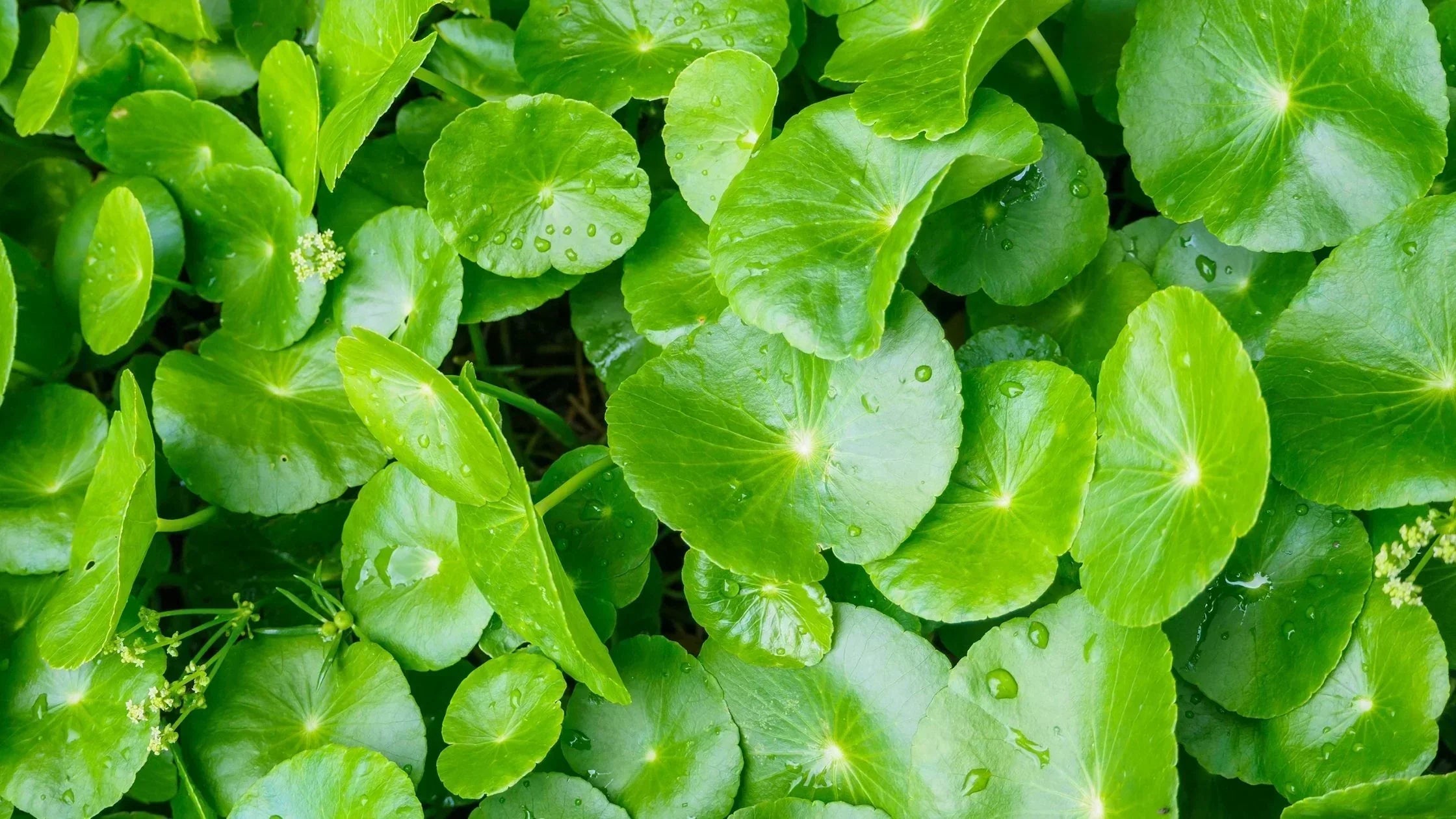

Coconut Extract is a skin-conditioning botanical derived from the nutrient-dense fruit of the coconut palm. Rich in natural lipids, medium-chain fatty acids (e.g., lauric, myristic, capric/caprylic) and antioxidant vitamin E, it’s prized for deep moisturising, barrier support and a soft, healthy glow. On INCI lists you’ll typically see Cocos nucifera (Coconut) Fruit Extract.
What it does
-
Hydrates + defends the barrier: Its emollient fatty acids lay a light, protective film that slows transepidermal water loss and improves moisture retention—especially helpful for dry or compromised skin.
-
Antioxidant & calming support: Naturally occurring tocopherols and coconut lipids help neutralise free radicals and temper visible redness linked with dryness or environmental stress.
-
Skin & hair conditioning: Smooths rough texture and boosts slip; in haircare, it helps condition, reduce protein loss and improve look and manageability.
Who it's for
Ideal for normal to dry or dehydrated skin types seeking long-lasting nourishment. Suits body-care zones that cop the most dryness (elbows, knees). Also great in hair and scalp leave-ons for softness and frizz control. Note: coconut-derived lipids can be comedogenic for some oily/acne-prone users—patch-test and balance with lightweight textures where needed.
Why Coconut Extract is a Modern Skincare Staple
Cocos nucifera extract is prized for its biocompatibility. It contains a unique blend of medium-chain triglycerides (MCTs), amino acids, and cytokines that mimic the skin's natural moisturizing factors (NMF). It’s the perfect solution for those who find traditional oils too heavy but still crave deep, tropical nourishment.
Key Nutritional Highlights:
-
Lauric Acid: A fatty acid with powerful natural antimicrobial and antifungal properties.
-
Cytokines: Plant hormones (like kinetin) that promote cellular health and anti-aging.
-
Electrolytes: Potassium, magnesium, and calcium to recharge dehydrated skin cells.
-
Vitamin C & B-Complex: Essential for skin repair and maintaining a bright complexion.
Formulation Notes & Typical Use
-
Solubility & Texture: Coconut Extract is oil-soluble and integrates well into oils, balm-creams, rich moisturisers and even lightweight serums when properly emulsified.
-
Usage Levels: Typical use rates in skincare vary depending on function—many formulas use 1-5% for skin conditioning or higher for body-care. Supplier data lists it as “skin-conditioning, emollient, humectant.”
-
Compatibility: Works synergistically with humectants (e.g., glycerin, hyaluronic acid), barrier-lipid actives (ceramides, squalane) and soothing botanicals (e.g., aloe, oat extract).
-
Considerations: While highly nourishing, coconut-derived lipids can be comedogenic for oily or acne-prone skin types. A dermatologist-review cautions: “Coconut oil … may clog pores and cause breakouts especially for oily skin.”
-
Stability & Packaging: Because of its natural fats, consider antioxidant stabilisers (e.g., tocopherol) and opaque packaging to protect from oxidation or rancidity.
-
Labelling: On acting as a “conditioning extract”, it may also impart a slight skin-feel emollience and a warm, tropical sensory profile—helpful for product positioning.
Sustainability & Sourcing
Coconut palms are grown widely in tropical regions, offering a renewable source for the fruit and its derivatives. Many brands highlight sourcing practices such as “organic cold-pressed”, “up-cycled coconut meal” or “fair-trade coconut farms” to boost sustainability credentials. The extract’s broad availability and renewable nature contribute to its favourable ingredient footprint.
Properties
Moisturizing, Emollient and moisturizer, Prevent and treats for skin and hair dryness, Skin conditioning agent
INCI Name
Cocos nucifera Fruit Extract