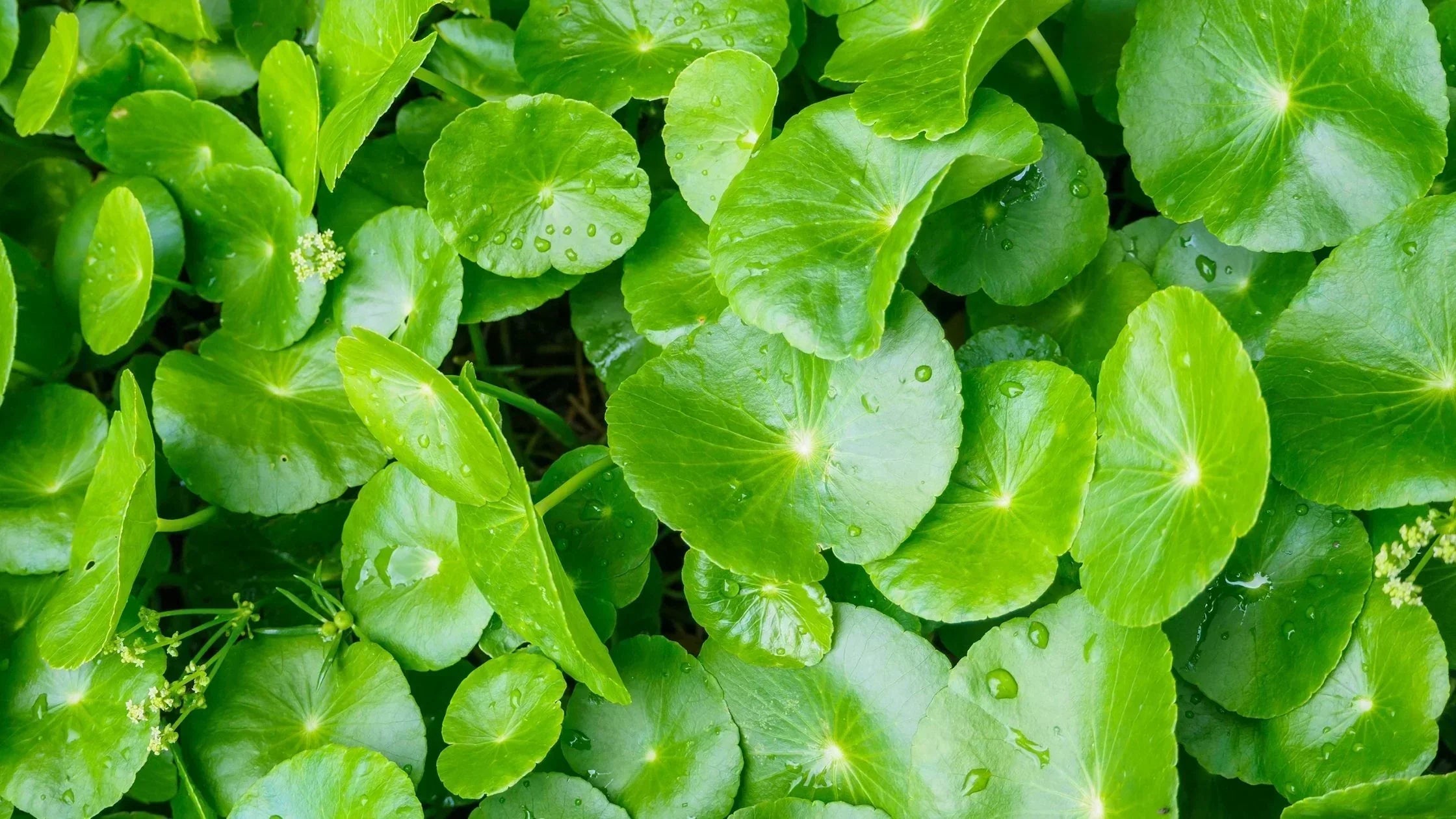

Emblic Extract (Phyllanthus emblica Fruit Extract / Amla) is a powerhouse botanical made from the fruit of the emblic tree. Celebrated in traditional care and increasingly popular in modern formulations, it delivers a rare blend of potent antioxidant defence, tone-evening support, and lightweight hydration—all in a skin-friendly profile that suits daily use. Naturally rich in polyphenols and tannins (often cited as emblicanin types) alongside vitamin C–adjacent constituents, emblic helps protect skin from everyday oxidative stress while promoting a fresher, more even look.
What it does
-
Antioxidant shield: High polyphenol content scavenges free radicals to help minimise the dulling effects of pollution and UV exposure (cosmetic effect).
-
Tone-evening support: With regular use, emblic can visibly improve the look of uneven tone and post-blemish marks, pairing well with established brightening routines.
-
Collagen-friendly environment: By reducing oxidative stress, it supports a healthier-looking, firmer appearance over time (not a replacement for sunscreen or retinoids).
-
Calming & comfort: Gentle tannins and sugars provide a subtle, breathable film that helps skin feel soothed and balanced.
-
Shine and pore look: Many find emblic leaves a clean, non-greasy finish that can help the T-zone look more refined.
Skin suitability
-
Appropriate for all skin types—normal, dry, combination, oily, and most sensitive.
-
Helpful for dullness, visible uneven tone, and urban-exposed skin.
-
Typically low-sensitising when fragrance-lean; always patch test if your skin is reactive.
Great pairings
-
Brighten & even: Niacinamide, tranexamic acid, azelaic derivatives, and vitamin C derivatives (e.g., 3-O-ethyl ascorbic acid) for a calm-but-effective tone routine.
-
Hydration & barrier: Glycerin, betaine, panthenol, hyaluronic acid, beta-glucan, ectoin, and ceramide systems.
-
Daily defence: Sunscreen (always), plus vitamin E or ferulic acid in antioxidant-forward serums.
Product formats you’ll see
-
Daily brightening toners/essences: Lightweight layers for comfortable, year-round use.
-
Gel serums: Fast-absorbing, shine-friendly textures that slot into AM/PM routines.
-
Sheet masks & after-sun care: For a quick radiance and comfort boost (cosmetic effect).
-
Cleansers: Low-foam gels or micellars that refresh without stripping.
Key Nutritional Profile
-
Ascorbic Acid (Vitamin C): One of the highest natural concentrations in the world.
-
Hydrolyzable Tannins: Specifically Emblicanin A and B, which provide long-lasting antioxidant effects.
-
Gallic Acid: Known for its anti-inflammatory and antimicrobial properties.
-
Flavonoids: Help strengthen capillaries and improve circulation.
Labelling & claims inspiration
-
“Antioxidant-rich,” “Supports a brighter, more even look,” “Defends against daily environmental stress,” “Lightweight hydration,” “Skin-comforting.”
-
Commonly vegan and readily biodegradable when responsibly sourced; confirm allergen, GMO, and solvent system details per supplier documentation.
Properties
Skin whitening, Natural AHA, Anti-aging, Antioxidant, Anti-inflammatory, Anti-microbial
INCI Name
Phyllanthus emblica Fruit Extract