

Understanding cosmetic products ingredients represents the foundation of successful product development in today's competitive beauty industry. Whether you're launching a new skincare brand or reformulating existing products, ingredient knowledge directly impacts performance, safety, regulatory compliance, and consumer trust. The complexity of modern formulations requires brands to navigate an extensive landscape of active compounds, preservatives, emulsifiers, and sustainable alternatives while meeting stringent quality standards. For entrepreneurs and established brands alike, mastering the science behind these ingredients becomes the difference between products that merely exist on shelves and those that deliver measurable results consumers can see and feel.
The Framework of Cosmetic Ingredient Classification
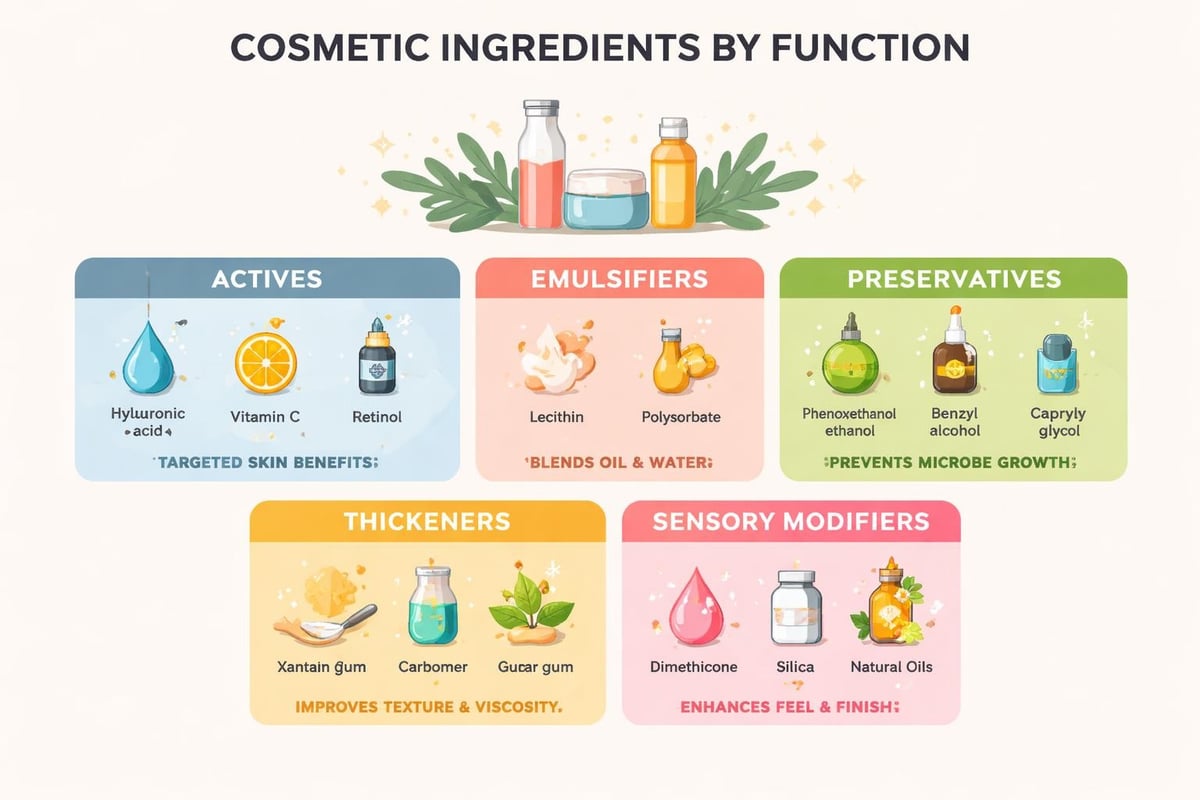
Cosmetic products ingredients fall into distinct functional categories that work synergistically to create effective formulations. Understanding these classifications helps brands make informed decisions about product development and communicate value to consumers.
Active ingredients deliver the primary benefits consumers seek, such as hydration, anti-aging effects, or skin brightening. These compounds include retinoids, hyaluronic acid, peptides, vitamin C derivatives, and botanical extracts. Their concentration and stability determine product efficacy.
Functional ingredients enable the formulation to work properly. This category encompasses:
- Emulsifiers that blend oil and water phases
- Preservatives that prevent microbial contamination
- Thickeners and stabilizers for proper texture
- pH adjusters that maintain skin compatibility
- Antioxidants that extend product shelf life
Sensory ingredients influence consumer experience through texture, fragrance, and appearance. While they may not provide therapeutic benefits, these components significantly impact product acceptance and repeat purchase rates. Understanding the International Nomenclature of Cosmetic Ingredients (INCI) system becomes essential when working with these classifications.
Navigating the INCI Naming System
The standardized naming convention for cosmetic products ingredients provides clarity across global markets. Learning what INCI means empowers brands to decode ingredient lists, communicate transparently with consumers, and ensure regulatory compliance.
INCI names follow specific rules: botanical ingredients list the Latin binomial name first, followed by the plant part and extraction method. Chemical compounds use systematic nomenclature. This consistency allows formulators worldwide to identify identical ingredients regardless of trade names or regional language differences.
Selecting Ingredients for Performance and Safety
Strategic ingredient selection requires balancing multiple factors beyond simple efficacy claims. The most sophisticated cosmetic products ingredients combine proven performance with safety profiles, regulatory acceptance, and supply chain reliability.
| Selection Criteria | Considerations | Impact on Formulation |
|---|---|---|
| Efficacy | Clinical studies, concentration levels, bioavailability | Direct influence on product claims and results |
| Safety | Toxicological data, allergen potential, irritation risk | Consumer trust and regulatory approval |
| Stability | pH sensitivity, temperature tolerance, oxidation resistance | Shelf life and product consistency |
| Sustainability | Sourcing practices, biodegradability, environmental impact | Brand positioning and consumer appeal |
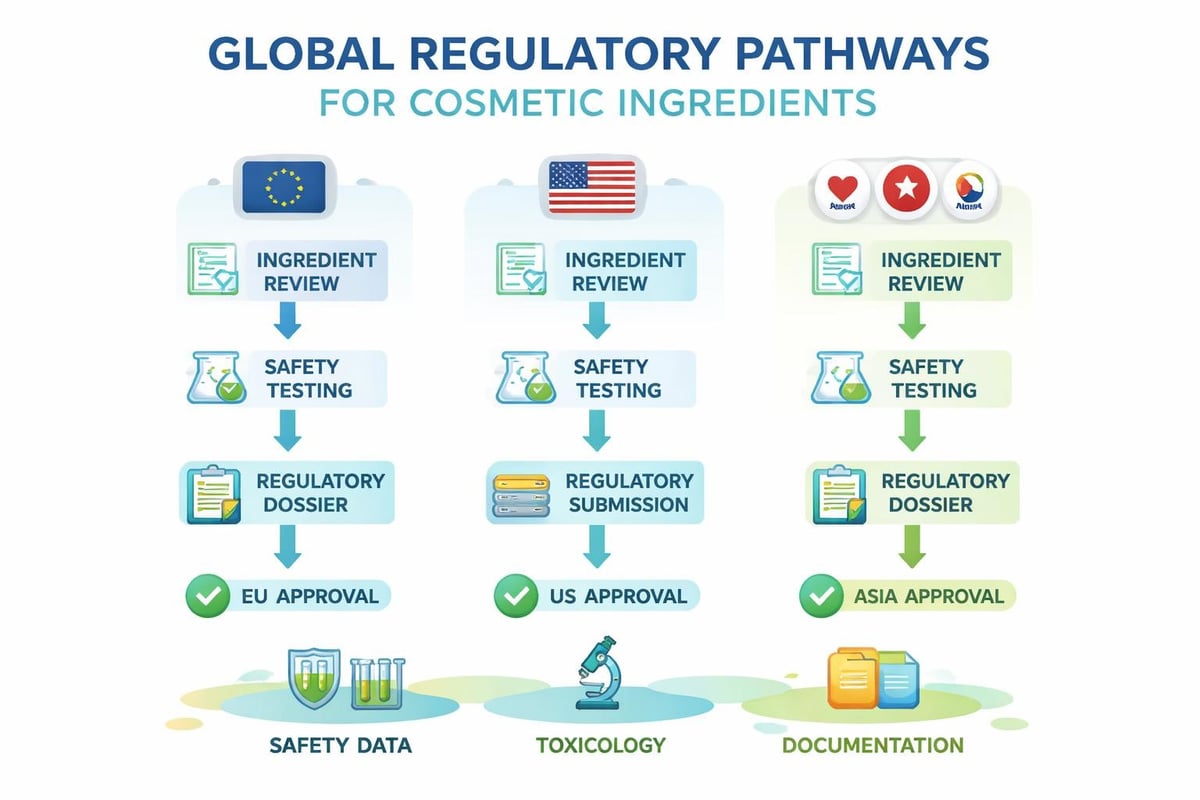
When developing personal care products, brands must verify that chosen ingredients comply with regulations in target markets. The European Union, United States, and Asian countries maintain different approved ingredient lists and concentration limits.
Research substantiates ingredient claims. Products containing cosmetic products ingredients backed by peer-reviewed studies and clinical trials command premium positioning and build consumer confidence. The American Cosmetic Association provides ingredient references that help formulators access authoritative safety and efficacy information.
Natural Versus Synthetic: Beyond Marketing Labels
The debate between natural and synthetic cosmetic products ingredients often overlooks nuanced realities. Natural doesn't automatically mean safer, and synthetic doesn't inherently indicate inferior quality or higher risk.
Natural ingredients offer marketing appeal and align with clean beauty trends. However, they present formulation challenges:
- Batch-to-batch variability in potency and composition
- Potential allergens from complex botanical mixtures
- Sustainability concerns regarding agricultural practices
- Limited stability requiring additional preservatives
Synthetic ingredients provide consistency, controlled purity, and often superior performance. Modern green chemistry produces bio-identical compounds that mirror natural structures while eliminating impurities and allergens.
The optimal approach combines both categories strategically. High-performance formulations might use naturally-derived actives alongside synthetic stabilizers that ensure product safety and longevity.
Emerging Ingredients Reshaping the Beauty Industry
Innovation in cosmetic products ingredients accelerates as research uncovers new compounds and technologies. Brands that stay current with these developments gain competitive advantages in crowded markets.
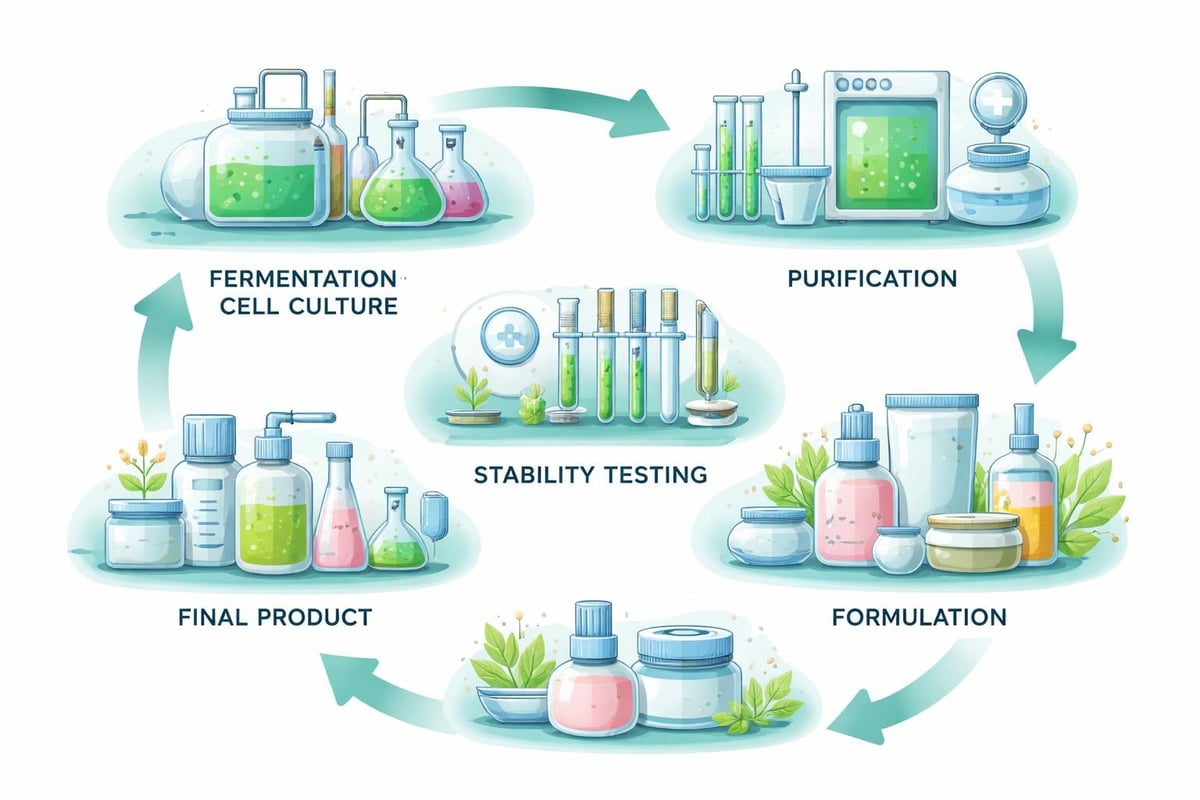
Biotechnology-derived ingredients represent the fastest-growing segment. Fermentation technology produces peptides, growth factors, and probiotics with enhanced bioavailability. These ingredients offer sustainable production methods while delivering clinical-grade results.
Microbiome-supporting compounds have emerged as formulation priorities. Prebiotics, probiotics, and postbiotics maintain skin's protective bacterial balance, addressing concerns from acne to sensitivity. These cosmetic products ingredients require careful formulation to ensure organism viability and efficacy.
- Adaptogenic botanicals from traditional medicine systems gain scientific validation through modern research
- Biomimetic peptides that replicate natural skin signaling molecules improve cellular communication
- Encapsulated actives protect sensitive ingredients and enable targeted, time-released delivery
- Upcycled ingredients from food and agricultural byproducts support circular economy principles
- Blue light protection compounds address modern environmental stressors from digital device exposure
Brands exploring what's new in cosmetics find opportunities to differentiate through innovative ingredient stories. However, novelty must align with proven safety and genuine benefits.
Sustainable Sourcing and Ethical Considerations
Modern consumers scrutinize ingredient origins and production methods. Cosmetic products ingredients sourced through sustainable, ethical practices strengthen brand reputation and meet growing regulatory requirements.
Certification programs verify sustainability claims:
- Fair trade certifications ensure equitable compensation for agricultural workers
- Organic certifications guarantee production without synthetic pesticides
- COSMOS and ECOCERT standards validate natural and organic cosmetic ingredients
- Rainforest Alliance certification protects biodiversity in ingredient sourcing
Transparency extends beyond sustainability to include supply chain traceability. Brands that document ingredient journeys from source to finished product build authentic connections with conscious consumers.
Formulation Synergy and Ingredient Interactions
Individual cosmetic products ingredients rarely work in isolation. Their interactions within formulations determine overall product performance, stability, and safety. Understanding these relationships separates adequate products from exceptional ones.
Positive synergies occur when ingredients enhance each other's effectiveness. Vitamin C paired with vitamin E provides superior antioxidant protection compared to either alone. Hyaluronic acid combined with ceramides delivers deeper, longer-lasting hydration than individual application.
Negative interactions can compromise formulations:
- pH incompatibilities that deactivate sensitive actives
- Chemical reactions that create instability or discoloration
- Competition for skin penetration that reduces efficacy
- Antagonistic effects where one ingredient blocks another's mechanism
| Ingredient Pairing | Interaction Type | Formulation Outcome |
|---|---|---|
| Retinol + Niacinamide | Previously considered incompatible, now proven synergistic | Enhanced skin renewal with reduced irritation |
| AHAs + BHAs | Complementary exfoliation mechanisms | Improved texture and clarity across skin layers |
| Peptides + Growth Factors | Additive anti-aging effects | Accelerated collagen production and repair |
| Vitamin C + Ferulic Acid | Stability enhancement | Extended shelf life and potency retention |
Professional formulators conduct stability testing and compatibility assessments before finalizing cosmetic products ingredients combinations. Resources like INCIGUIDE provide detailed ingredient information that helps predict potential interactions.
Concentration Matters: Efficacy Versus Marketing
Ingredient lists reveal presence but not concentration. Many cosmetic products ingredients require specific minimum concentrations to deliver claimed benefits, yet brands sometimes include trace amounts purely for label appeal.
Effective concentration ranges vary by ingredient class. Retinol shows benefits at 0.25% to 1%, while hyaluronic acid requires 1% to 2% for optimal hydration. Peptides typically need 3% to 10% depending on molecular weight and delivery system.
Transparency about concentrations builds consumer trust. Brands working with expert cosmetic chemists ensure formulations contain ingredients at truly effective levels rather than token amounts for marketing purposes.
Regulatory Compliance and Safety Assessment
Cosmetic products ingredients face extensive regulatory oversight designed to protect consumer safety. Navigating these requirements successfully demands thorough knowledge of regional differences and evolving standards.
The European Union maintains the most restrictive regulations through the Cosmetics Regulation (EC) No 1223/2009. This framework includes:
- Prohibited substances list (currently over 1,300 ingredients)
- Restricted ingredients with concentration limits
- Mandatory safety assessments by qualified professionals
- Product Information Files documenting all formulation details
United States regulation through the FDA takes a different approach, focusing on adulterated or misbranded products rather than pre-market approval. However, California's Proposition 65 and state-level restrictions create additional compliance layers.
Asian markets each maintain unique requirements. China mandates animal testing for imported cosmetics in certain categories, though recent reforms allow alternatives. Japan restricts quasi-drugs differently than pure cosmetics. South Korea requires detailed ingredient disclosure and substantiation.
Understanding how to interpret cosmetic ingredient lists helps consumers and brands alike navigate regulatory landscapes. When starting a cosmetic brand, regulatory strategy must align with target market requirements from the beginning.
Allergen Declaration and Sensitivity Concerns
Certain cosmetic products ingredients require specific labeling due to allergen potential. The EU mandates declaration of 26 fragrance allergens when present above threshold concentrations. These include linalool, limonene, and geraniol commonly found in essential oils and fragrance compounds.
Patch testing protocols identify ingredients that may cause adverse reactions in sensitive populations. Brands committed to inclusive formulations conduct:
- Predictive testing using in vitro methods and computational models
- Human repeat insult patch tests on diverse subject populations
- Usage trials under dermatological supervision
- Post-market surveillance and adverse event monitoring
Transparency about potential irritants allows consumers to make informed choices. Providing complete ingredient information and allergen warnings demonstrates brand responsibility and reduces liability risk.
The Economics of Ingredient Selection
Cost considerations significantly influence formulation decisions. Cosmetic products ingredients range from pennies per kilogram for basic thickeners to thousands of dollars per kilogram for rare botanicals or patented peptides.
Price drivers include:
- Raw material scarcity and agricultural yield variability
- Processing complexity and purification requirements
- Intellectual property protection and licensing fees
- Certification costs for organic or sustainable sourcing
- Supply chain length and international shipping
Budget allocation requires strategic prioritization. Investing in high-quality actives that deliver visible results justifies premium pricing, while selecting cost-effective functional ingredients maintains profitability.
Brands can optimize formulation economics without compromising quality by working with experienced partners who understand ingredient markets and supplier relationships. Contract manufacturing for beauty products often provides access to better ingredient pricing through established supplier networks.
Testing and Validation Protocols
Verifying cosmetic products ingredients perform as intended requires comprehensive testing methodologies. Beyond regulatory compliance, thorough validation ensures products meet brand promises and consumer expectations.
Stability testing evaluates how formulations withstand various conditions:
- Accelerated aging at elevated temperatures predicts shelf life
- Freeze-thaw cycling assesses resilience to shipping and storage extremes
- Light exposure testing identifies photosensitive ingredients requiring protective packaging
- Microbial challenge tests verify preservative system adequacy
Efficacy testing substantiates product claims through objective measurements. Clinical studies using instrumental analysis document changes in hydration, elasticity, pigmentation, or other parameters. Consumer perception studies complement objective data with subjective experience feedback.
The importance of sampling in skincare product development cannot be overstated. Iterative testing and refinement transform initial concepts into market-ready products.
Building Transparent Ingredient Stories
Consumer education about cosmetic products ingredients strengthens brand loyalty and justifies premium positioning. Transparent communication transforms technical formulation details into compelling narratives that resonate with target audiences.
Effective ingredient storytelling includes:
- Origin stories connecting ingredients to specific regions or traditions
- Scientific explanations of mechanisms without overwhelming technical jargon
- Before-and-after documentation demonstrating real-world results
- Sustainability narratives highlighting environmental and social responsibility
Brands that educate rather than simply market build communities of informed advocates. Providing access to detailed ingredient information through dedicated resources positions companies as trustworthy authorities rather than sales-focused entities.
Modern consumers research cosmetic products ingredients independently before purchasing. Brands that provide comprehensive, accurate information meet customers where they already spend time researching, building credibility through transparency.
The Role of Clean Beauty Movement
Clean beauty has transformed how consumers evaluate cosmetic products ingredients, though the term lacks standardized definition. Generally, clean beauty emphasizes:
- Exclusion of ingredients with potential health concerns
- Preference for naturally-derived over synthetic compounds
- Transparency about full ingredient lists and concentrations
- Sustainable and ethical sourcing practices
Critics argue clean beauty marketing sometimes vilifies safe, effective ingredients while promoting potentially problematic natural alternatives. The movement succeeds when it encourages ingredient literacy rather than fear-based elimination.
Brands navigating clean beauty positioning should focus on genuine safety, transparency, and performance. Understanding beauty INCI requirements helps communicate ingredient choices clearly regardless of clean beauty positioning.
Future Directions in Ingredient Innovation
The landscape of cosmetic products ingredients continues evolving through technological advancement and changing consumer priorities. Several trends will shape formulation strategies through 2026 and beyond.
Personalization technologies enable custom ingredient selection based on individual skin analysis. DNA testing, microbiome sequencing, and AI-driven recommendations match specific cosmetic products ingredients to unique user profiles.
Neuroscience applications explore ingredients that influence skin-brain communication pathways. Neuropeptides and sensory compounds create experiences beyond traditional cosmetic benefits.
Climate adaptation formulations address skin changes caused by environmental shifts. Ingredients protecting against pollution, extreme weather, and increased UV exposure gain priority.
Waste stream valorization transforms agricultural and marine byproducts into valuable cosmetic ingredients, advancing circular economy principles while reducing environmental impact.
Brands that stay current with ingredient innovation maintain competitive relevance. Exploring ready-to-go formulations incorporating cutting-edge ingredients accelerates time-to-market while leveraging expert formulation knowledge.
Mastering cosmetic products ingredients requires ongoing education, strategic thinking, and commitment to quality that extends beyond minimum regulatory requirements. Success in today's beauty industry demands formulations that deliver measurable results while meeting evolving consumer expectations for transparency, sustainability, and safety. The INCI Lab brings award-winning expertise in custom formulation development, helping entrepreneurs and established brands navigate ingredient selection, regulatory compliance, and performance optimization. With comprehensive support from concept through production and full formulation ownership, The INCI Lab transforms ingredient knowledge into high-performance products that stand out in competitive markets.

