

The beauty industry is on track to surpass $800 billion globally by 2026, creating a surge in demand for innovative and high-quality products. For brands aiming to thrive in this dynamic environment, understanding contract manufacturing beauty products is essential for staying competitive and agile.
This expert guide provides clear insights into the world of contract manufacturing beauty products, helping you navigate challenges and capitalize on emerging opportunities. You will discover the latest market trends, step-by-step manufacturing processes, strategies for selecting the right partner, regulatory essentials, sustainability solutions, and future innovations.
Ready to transform your brand? Explore how contract manufacturing beauty products can elevate your business and position you for lasting success.
Understanding Contract Manufacturing in the Beauty Industry
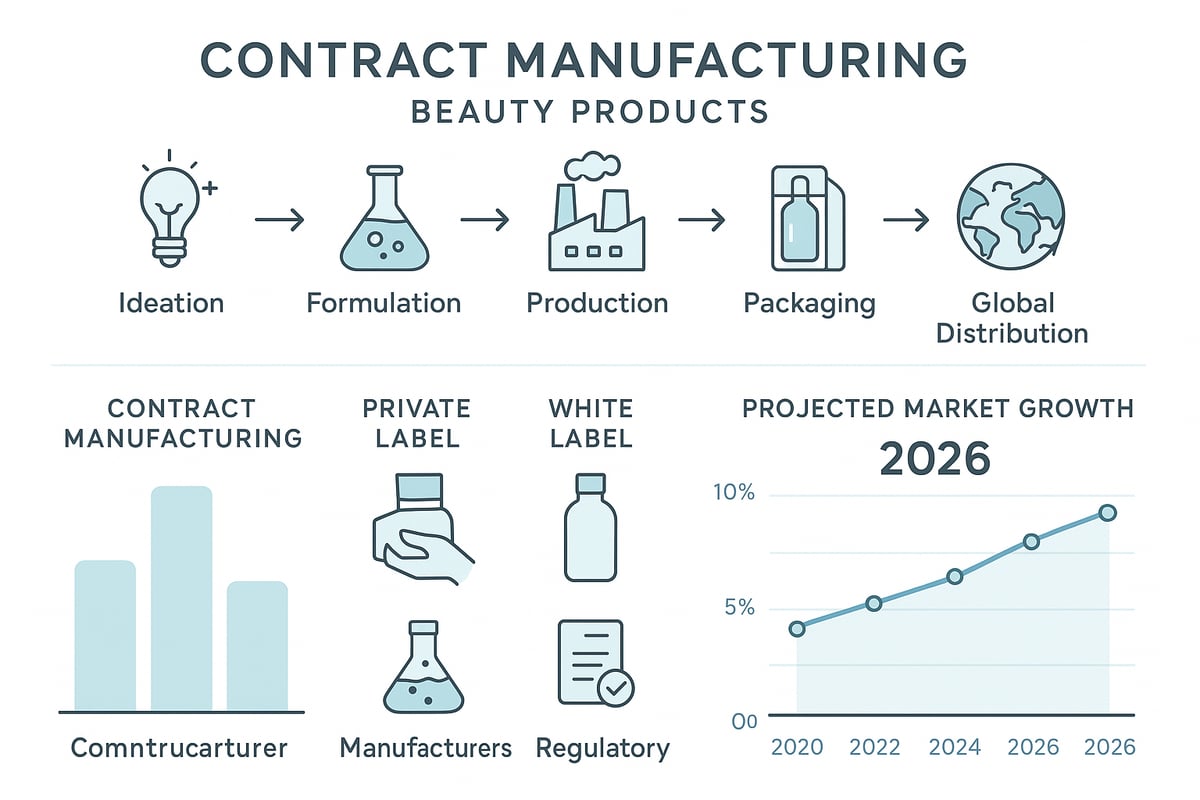
Contract manufacturing beauty products is a foundational strategy for brands aiming to bring innovative cosmetics to market efficiently. In essence, contract manufacturing is an arrangement where a brand partners with a specialized company to produce beauty goods based on the brand’s specifications.
This model differs from private label and white label options. With contract manufacturing, brands maintain creative control over formulas and packaging, while private label typically offers pre-developed products, and white label involves generic products rebranded for multiple companies.
Key advantages of contract manufacturing beauty products include cost efficiency, the ability to scale quickly, and direct access to scientific expertise. Common products made through this model are skincare, haircare, color cosmetics, and personal care items. For instance, in 2026, leading global brands and fast-growing indie startups alike use contract manufacturing beauty products to deliver trend-forward solutions at speed. For a deeper dive into these options, see the Cosmetic Contract Manufacturers Overview.
What is Contract Manufacturing?
Contract manufacturing beauty products refers to outsourcing the production of cosmetic items to specialized third-party manufacturers. This approach allows brands to leverage advanced facilities and industry expertise without investing heavily in infrastructure.
Unlike private label or white label, contract manufacturing beauty products give brands the flexibility to develop custom formulations tailored to their unique vision. The benefits are significant: reduced costs, scalable production, and streamlined access to scientific talent.
Major categories produced include skincare serums, shampoos, makeup, and body care. In 2026, even top-tier global beauty players rely on contract manufacturing beauty products to maintain agility and innovation.
Industry Trends and Market Growth (2026)
The global market for contract manufacturing beauty products is projected to reach new heights in 2026. According to industry reports, the cosmetic sector is expected to surpass $940 billion, driven by surging demand for specialized products and rapid innovation cycles.
Indie and direct-to-consumer brands are fueling this momentum, seeking flexible partners to support small-batch and niche launches. Clean beauty, sustainability, and transparency remain dominant trends, with consumers demanding ethical sourcing and eco-friendly packaging.
The sector also sees robust merger and acquisition activity, as established manufacturers acquire innovative startups to expand capabilities. Regional growth is especially strong in Asia and North America, reflecting the global reach of contract manufacturing beauty products.
Key Stakeholders and Business Models
Several key stakeholders drive the contract manufacturing beauty products ecosystem. These include:
- Brands (from startups to multinational corporations)
- Contract manufacturers
- Formulators and R&D labs
- Regulatory agencies
Partnership models vary, such as full-service (end-to-end support), à la carte (specific services), and turnkey (ready-to-market solutions). The table below summarizes common business models:
| Model | Description | Best For |
|---|---|---|
| Full-Service | Start to finish production | Large brands |
| À la carte | Modular, flexible support | Startups, niche |
| Turnkey | Fast, market-ready options | DTC, indie brands |
Contractual terms often address intellectual property rights and confidentiality. Third-party consultants and labs play a vital role in quality assurance and regulatory compliance, especially for brands new to contract manufacturing beauty products.
Challenges and Opportunities in 2026
Navigating contract manufacturing beauty products in 2026 comes with unique challenges. Brands face supply chain disruptions, ingredient shortages, and evolving regulatory frameworks.
However, these challenges create opportunities for innovation. Personalized formulations and rapid prototyping are more accessible, thanks to advances in technology and flexible manufacturing setups. Brands that adapt quickly to trends—such as microbiome skincare or waterless products—gain a competitive edge.
Examples abound of companies overcoming setbacks by diversifying suppliers and integrating digital solutions. Staying agile and responsive to shifting consumer expectations is essential for long-term success in contract manufacturing beauty products.
The Step-by-Step Process of Contract Manufacturing Beauty Products
Navigating the journey of contract manufacturing beauty products in 2026 requires a clear, strategic approach. Understanding each phase helps brands minimize risks and maximize innovation. Whether launching a new skincare line or scaling existing products, following a structured process is essential for success. For a deep dive into the full development journey, see the Cosmetic Product Development Process.
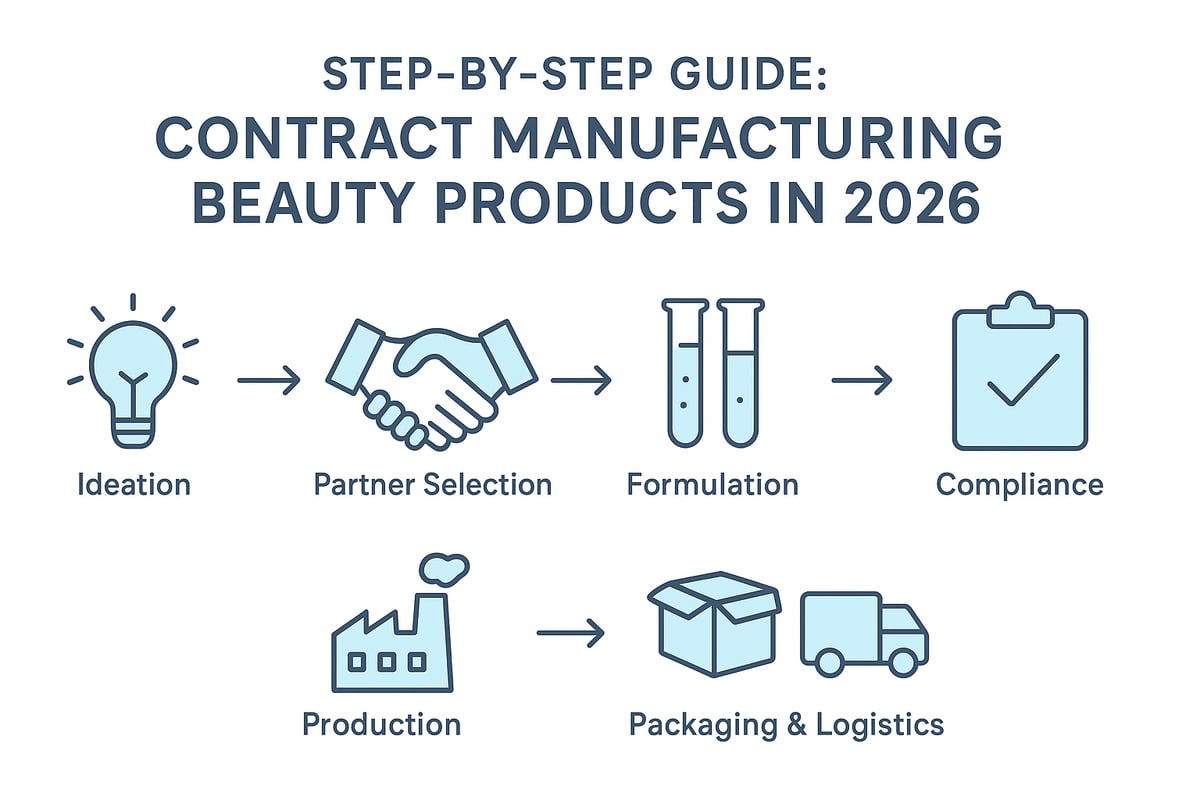
Step 1: Ideation and Concept Development
Every contract manufacturing beauty products project begins with ideation and concept development. Brands must conduct market research to identify gaps and emerging trends. Pinpointing the target audience and defining unique product positioning are crucial steps.
For instance, in 2026, trend-driven concepts like microbiome-friendly skincare or waterless serums are gaining traction. Brands that articulate clear product briefs and objectives ensure smoother collaboration with manufacturers. This stage lays the foundation for innovation, differentiation, and competitive advantage.
A well-documented concept brief acts as a north star, aligning all stakeholders throughout the contract manufacturing beauty products journey.
Step 2: Selecting the Right Contract Manufacturer
Choosing the right partner is pivotal in contract manufacturing beauty products. Brands should assess potential manufacturers based on specialization, certifications (such as GMP or ISO), minimum order quantities, and production capacity.
The vetting process often includes facility tours, requesting samples, and checking client references. For example, manufacturers in Asia may offer lower costs and higher capacity, while North American partners might excel in regulatory compliance and communication.
Key questions to ask include: What is your lead time? Do you offer turnkey solutions? What sustainability practices do you follow? A thorough evaluation mitigates risks and sets the stage for a productive partnership in contract manufacturing beauty products.
Step 3: Formulation and Prototyping
Formulation is where contract manufacturing beauty products come to life. Brands collaborate with in-house or third-party chemists to develop innovative, safe, and effective products.
Ingredient sourcing now prioritizes sustainability and clean-label claims. Multiple rounds of prototyping and rigorous stability testing are standard. In 2026, average formulation timelines range from four to twelve weeks, depending on complexity.
This phase is critical for balancing performance, sensory attributes, and regulatory requirements. Feedback loops between brand and manufacturer ensure the final formula meets expectations and aligns with the contract manufacturing beauty products vision.
Step 4: Regulatory Compliance and Testing
Compliance is non-negotiable in contract manufacturing beauty products. Brands must navigate a landscape shaped by global regulations, such as FDA guidelines in the US or EU Cosmetics Regulation.
Safety assessments, claims substantiation, and meticulous documentation are required for market entry. For example, evolving ingredient bans and stricter labeling mandates in 2026 demand constant vigilance.
Partnering with knowledgeable manufacturers or consultants helps ensure all contract manufacturing beauty products meet regulatory standards. Early and thorough compliance reduces risks of costly recalls or market delays.
Step 5: Production and Quality Control
Production marks the transition from prototype to commercial reality in contract manufacturing beauty products. Manufacturers scale up from pilot batches to full production runs, following strict quality assurance protocols.
Automated technology now supports real-time quality checks and data tracking. In-process testing catches deviations early, ensuring consistency and safety.
Managing production timelines and potential delays requires ongoing communication. Brands that prioritize robust quality control in their contract manufacturing beauty products avoid costly errors and protect their reputation.
Step 6: Packaging, Labeling, and Logistics
The final stage of contract manufacturing beauty products is packaging, labeling, and logistics. Sustainable packaging options, such as biodegradable materials and minimalist designs, are increasingly popular in 2026.
Labeling must comply with INCI listings and legal mandates in each market. Effective logistics solutions—covering warehousing, distribution, and fulfillment—ensure products reach consumers efficiently.
Data shows that eco-friendly packaging significantly influences purchase decisions. A seamless approach to this phase enhances the overall brand experience and supports the successful launch of contract manufacturing beauty products.
Selecting the Ideal Contract Manufacturing Partner
Choosing the right partner for contract manufacturing beauty products is a critical step that can define a brand’s success. With the market rapidly evolving in 2026, brands must thoughtfully assess potential manufacturers, considering everything from expertise and cost to intellectual property and innovation.
Essential Criteria for Partner Evaluation
Evaluating partners for contract manufacturing beauty products requires a structured approach. Start by confirming essential certifications such as GMP, ISO, cruelty-free, and organic. These not only reflect quality but also support compliance and consumer trust.
Next, review the manufacturer's track record and reputation. Seek client testimonials and case studies to assess reliability and results. Flexibility and openness to innovation are also key, especially for brands seeking unique formulations or rapid-market pivots.
A helpful resource like Choosing the Best Skincare Manufacturer offers a deep dive into these selection criteria, guiding brands through the vetting process. Remember to conduct facility visits, request product samples, and check references to ensure alignment with your vision for contract manufacturing beauty products.
Cost Structures and Negotiation Strategies
Understanding cost structures in contract manufacturing beauty products is vital for budget planning and strategic growth. Typical cost components include formulation development, raw materials, production, and packaging. Some manufacturers offer bundled services, while others price each element separately.
Minimum order quantities (MOQs) can influence pricing and scalability. Startups may favor lower MOQs to test the market, whereas established brands might negotiate volume discounts. Below is a summary table for reference:
| Cost Component | Typical Range | Notes |
|---|---|---|
| Formulation | $2,000 – $10,000 | One-time or per product |
| Production | Varies by volume | Influenced by MOQs |
| Packaging | $0.50 – $2.50/unit | Customization impacts |
Negotiate payment terms, production timelines, and re-order flexibility. Brands leveraging contract manufacturing beauty products often report significant cost savings, especially when scaling up.
Intellectual Property and Confidentiality
Intellectual property (IP) is a cornerstone for brands engaging in contract manufacturing beauty products. Decide early whether you want full ownership of custom formulations or prefer to license stock formulas. This choice impacts your ability to differentiate your products and control your brand identity.
Always use comprehensive NDA agreements to safeguard proprietary information. Clearly define IP ownership and usage rights within your contract. Case studies from 2026 show that ambiguous terms often lead to disputes, resulting in costly legal battles or product delays.
Work with legal advisors to review all agreements. Protecting your brand’s formulas and trade secrets is essential for long-term success in contract manufacturing beauty products.
The INCI Lab: A Leader in Custom Formulation and Support
The INCI Lab stands out as an award-winning partner in contract manufacturing beauty products. Known for its expertise in custom formulation, the company offers full formulation ownership, eco-friendly practices, and end-to-end support tailored to both startups and established brands.
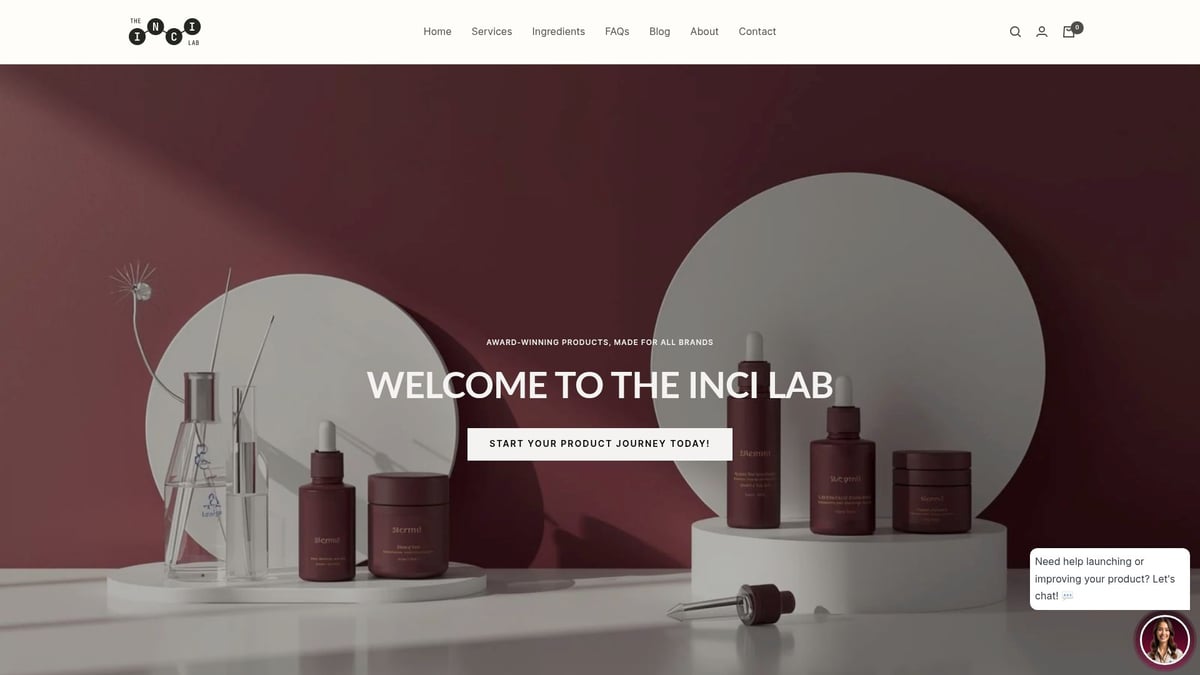
Clients benefit from transparent processes, innovative ingredient sourcing, and a global reach. The INCI Lab empowers brands to bring sustainable, high-performance products to market quickly and efficiently.
By choosing a partner like The INCI Lab, brands in contract manufacturing beauty products gain a competitive advantage, ensuring quality, compliance, and adaptability in an ever-evolving industry.
Regulatory, Quality, and Safety Essentials for 2026
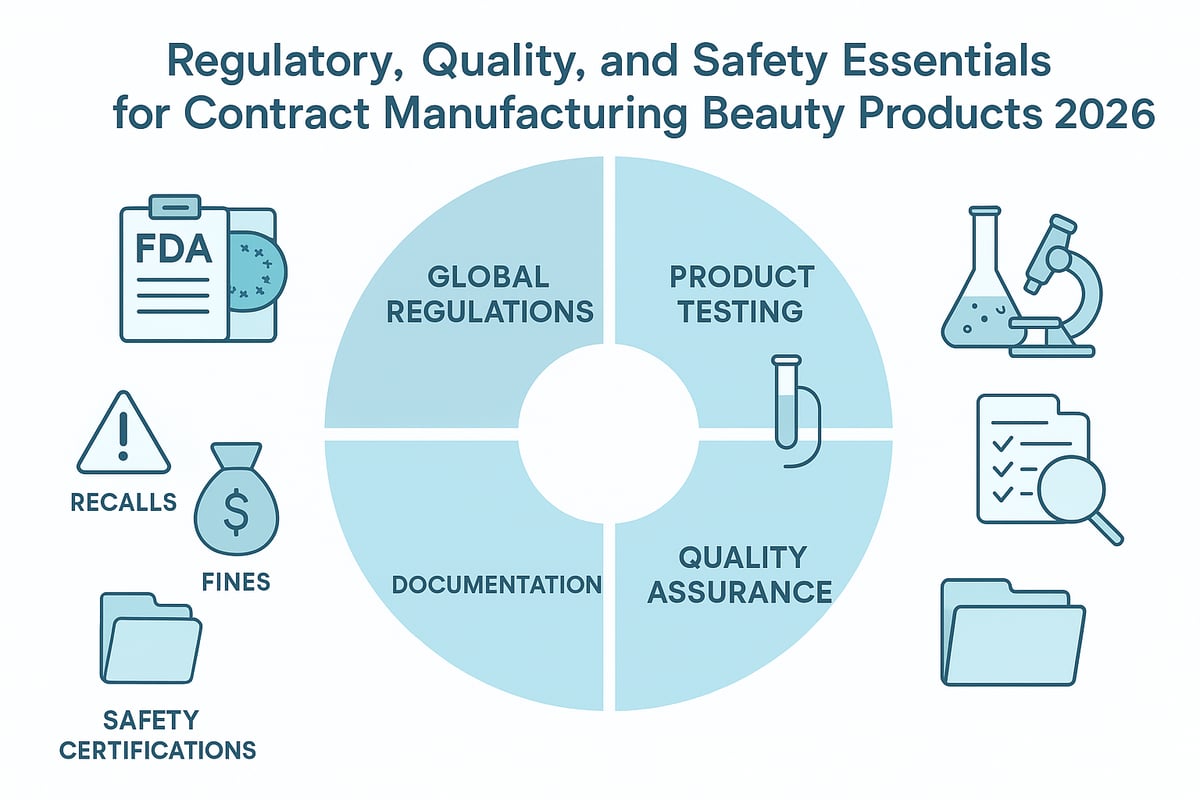
Staying ahead in contract manufacturing beauty products demands a deep understanding of ever-changing regulations, rigorous quality protocols, and robust documentation. In 2026, brands face a landscape shaped by global compliance, advanced testing, and consumer-driven transparency. This section breaks down the essentials every beauty brand must master to thrive.
Navigating Global Regulatory Landscapes
For contract manufacturing beauty products, compliance is non-negotiable. Regulatory bodies such as the FDA (US), EU Cosmetics Regulation, and ASEAN Cosmetic Directive set strict standards for safety and labeling. In 2026, anticipated changes include tighter ingredient restrictions and harmonized digital labeling rules.
Brands aiming for multi-market launches must adapt rapidly to these evolving frameworks. For example, a single non-compliance issue can trigger costly recalls or import bans. According to recent market reports, fines for regulatory breaches have risen alongside the projected cosmetic market expected to reach $942.96 billion by 2026.
Key regulatory bodies:
| Region | Regulatory Body |
|---|---|
| US | FDA |
| EU | EU Cosmetics Regulation |
| ASEAN | ASEAN Cosmetic Directive |
Staying informed and proactive is essential for smooth market entry.
Product Testing and Safety Protocols
Every contract manufacturing beauty products project must prioritize comprehensive safety testing. This includes microbial, stability, and dermatological assessments, all of which verify product safety and shelf life. In 2026, both mandatory and voluntary tests are standard.
Brands often collaborate with third-party labs for unbiased validation. This approach not only ensures compliance but also builds consumer trust. Certifications like dermatologically tested or allergy-tested can serve as powerful marketing tools.
Testing protocols typically include:
- Microbial contamination checks
- Stability under various conditions
- Patch testing for skin reactions
Investing in thorough testing helps prevent recalls and supports long-term brand credibility.
Quality Assurance Strategies
Maintaining product integrity in contract manufacturing beauty products relies on robust quality assurance (QA). Adhering to GMP and ISO standards is critical, as is implementing in-process and post-production quality checks. In 2026, technology-enabled traceability, like batch tracking and digital QA systems, is becoming the norm.
Automated systems catch inconsistencies early, minimizing production waste and protecting brand reputation. A single QA failure can have outsized consequences, from negative reviews to regulatory scrutiny. For a deeper dive into compliance and automation trends, explore trends in cosmetic manufacturing for 2026.
Table: Impact of QA Failures
| Issue | Potential Impact |
|---|---|
| Contamination | Product recalls, fines |
| Mislabeling | Regulatory action |
| Inconsistent batches | Loss of consumer trust |
Prioritizing QA is a safeguard no brand can afford to overlook.
Documentation and Claims Substantiation
Success in contract manufacturing beauty products hinges on clear, complete documentation. Brands must maintain Product Information Files (PIFs), Material Safety Data Sheets (MSDS), and Certificates of Analysis (COAs) for every SKU.
Efficacy and marketing claims require robust substantiation. Legal cases in recent years have underscored the risks of overstated or unproven claims. Best practices include working with experts to validate every assertion and communicating transparently with consumers.
Key documentation includes:
- Product Information File (PIF)
- Material Safety Data Sheet (MSDS)
- Certificate of Analysis (COA)
By mastering documentation and claims, brands protect their reputation and ensure regulatory compliance.
Sustainability, Innovation, and Future-Proofing Your Brand
Embracing Sustainable Practices in Manufacturing
Sustainability is a top priority for brands focused on contract manufacturing beauty products in 2026. Manufacturers are adopting eco-friendly sourcing, biodegradable packaging, and energy-efficient processes. Certifications such as COSMOS and Ecocert validate green initiatives, helping brands build trust with conscious consumers.
Key sustainable strategies include:
- Sourcing renewable raw materials
- Using recyclable or compostable packaging
- Reducing water and energy consumption
Brands leveraging contract manufacturing beauty products to reduce their carbon footprint are gaining a competitive edge. For more actionable insights, discover sustainability strategies from leading eco-friendly cosmetic brands.
Innovations Shaping the Future of Beauty Manufacturing
Technological advancements are rapidly transforming contract manufacturing beauty products. AI-driven formulation is enabling hyper-personalized products, while 3D printing is making it easier to prototype and customize packaging. Smart manufacturing, including automation and real-time monitoring, is increasing efficiency and reducing waste.
Blockchain technology is now being used for ingredient traceability, ensuring transparency and authenticity. Investment in beauty tech startups is projected to rise significantly in 2026, accelerating speed-to-market and customization options for brands using contract manufacturing beauty products.
Building Resilient Supply Chains
A resilient supply chain is essential for brands relying on contract manufacturing beauty products. Diversifying suppliers and ingredient sources helps mitigate risks such as geopolitical issues or raw material shortages. Technology enables real-time monitoring for better transparency and quicker response to disruptions.
Leading brands are:
- Establishing multi-region supplier networks
- Implementing digital supply chain platforms
- Investing in robust contingency planning
Supply chain resilience is a key differentiator for brands navigating the complexities of contract manufacturing beauty products, ensuring consistent delivery and customer satisfaction.
Trends in Personalization and Niche Beauty
The shift toward personalization is reshaping contract manufacturing beauty products. Consumers increasingly demand skincare and cosmetics tailored to their unique needs, driving the rise of micro-brands and customized offerings. Contract manufacturers are supporting small-batch production, allowing brands to target niche markets.
Emerging trends include:
- Multicultural and gender-neutral formulations
- Data-driven skin analysis
- Customizable ingredient blends
Personalized contract manufacturing beauty products are meeting evolving consumer expectations, fostering loyalty and market differentiation.
Positioning for Long-Term Success
To future-proof your brand, strategic partnerships and co-innovation are crucial when engaging in contract manufacturing beauty products. Brands must adapt to shifts in consumer values, sustainability expectations, and regulatory changes. Rapid pivots, enabled by agile manufacturing partners, keep brands ahead of the curve.
Market projections indicate continued growth for the sector. For an in-depth look at industry forecasts and key market drivers, review the global beauty industry projected to reach $590 billion by 2030. Embracing innovation and adaptability ensures long-term success in contract manufacturing beauty products.
As you’ve seen, navigating the world of contract manufacturing in beauty isn’t just about finding the right partner—it’s about making strategic choices that set your brand up for long term success. Whether you’re an entrepreneur with a fresh idea or an established brand seeking innovation, understanding each step from ideation to sustainable production gives you a powerful advantage. If you’re ready to put these insights into action and start building high performance, eco conscious products with expert support, let’s take the first step together. Start Your Product Journey

