
Imagine a world where personal care and beauty are transformed by smart technology, tailored precisely to your needs, and deeply rooted in sustainability. The industry is evolving rapidly, redefining how we approach self-care, wellness, and innovation.
This expert guide examines the most influential trends, breakthroughs, and strategies that are shaping personal care and beauty in 2026. You will discover how sustainability, personalization, and advanced technology are converging to create new standards and opportunities.
Whether you are a consumer, entrepreneur, or industry professional, this guide equips you with actionable insights to make smarter choices and drive business growth. Explore key trends, technological advancements, ingredient innovations, and the shifting expectations that will define the future of personal care and beauty.
The Evolving Landscape of Personal Care and Beauty in 2026
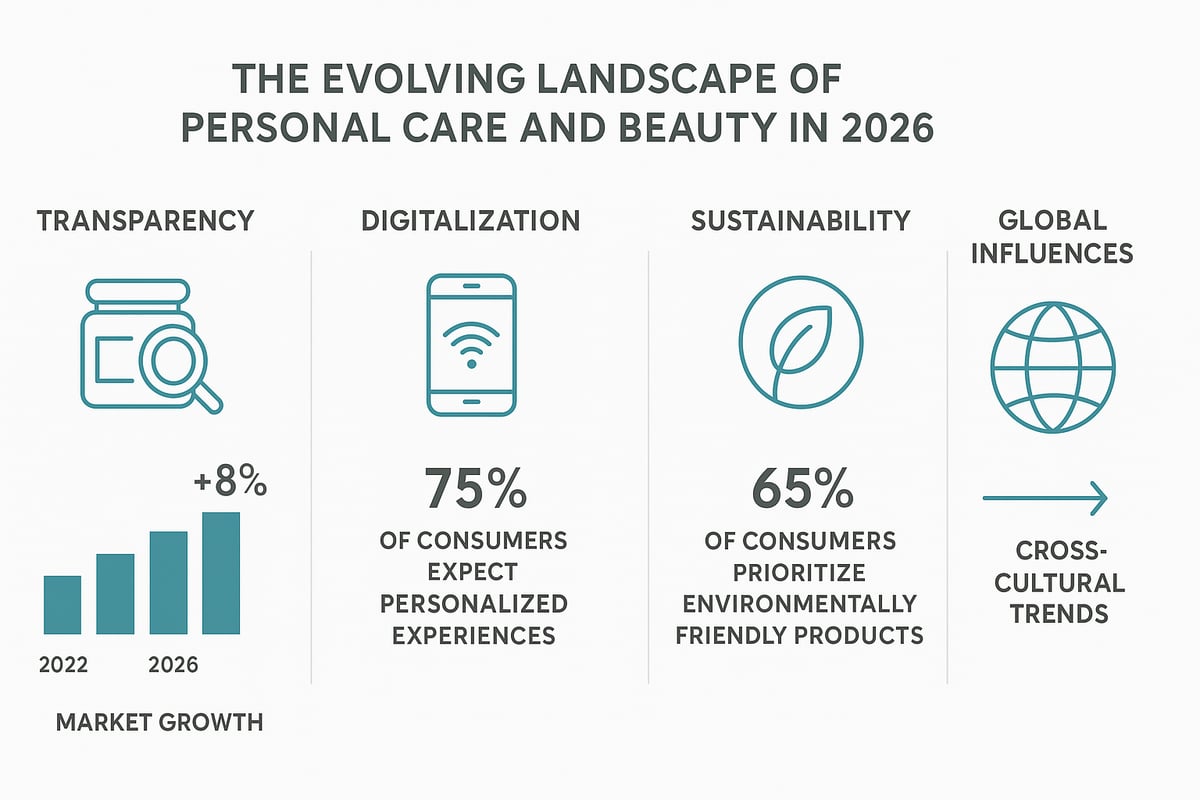
The personal care and beauty industry is experiencing unprecedented transformation as we approach 2026. Consumer values, technological advances, and global influences are reshaping every aspect of how products are developed, marketed, and experienced.
Shifting Consumer Expectations
Consumers in 2026 expect more from personal care and beauty brands than ever before. Transparency around ingredients, proven efficacy, and ethical practices are now baseline requirements. Notably, one in three young consumers routinely questions what goes into their products, demanding clear labeling and sourcing details.
The influence of K-beauty has set a new global standard for ingredient transparency and authenticity. Holistic self-care is merging with beauty routines, integrating wellness practices and emotional benefits. Gen Z and Millennials are driving a strong desire for inclusivity and real representation in campaigns and product ranges.
Multifunctional products, such as moisturizers with built-in UV protection, are preferred for their convenience and effectiveness. Social media and influencer culture continue to shape opinions, making authenticity and real results crucial for brand success.
Market Growth and Emerging Categories
The personal care and beauty market is on a robust growth trajectory through 2026, fueled by both traditional and emerging categories. Men's grooming, pet care, and hybrid wellness-beauty products are expanding rapidly. For instance, Unilever's $1.5 billion acquisition of Dr. Squatch highlights the rising interest in men's grooming solutions.
APAC is leading innovation in UV protection, moving beyond the boundaries of traditional sunscreen. Investments in fragrance and emotional wellness products are increasing as consumers seek products that address both appearance and mental well-being.
Recent data from Global Beauty Market Growth underscores the surge in demand for products that blur the lines between beauty, health, and lifestyle. Brands that innovate in these categories are well positioned for future growth.
Digitalization and Direct-to-Consumer Models
Traditional retail models are giving way to digital-first strategies in personal care and beauty. Brands are embracing direct-to-consumer (DTC) approaches, leveraging AI and data analytics to create personalized customer journeys.
Augmented reality (AR) and virtual reality (VR) tools are making virtual try-ons and online consultations mainstream. Subscription and customization models are gaining traction, offering consumers tailored solutions delivered to their doorsteps.
E-commerce platforms are revolutionizing product discovery and loyalty, with digital content and expert-led resources enhancing consumer education. The integration of technology is empowering consumers to make informed decisions and deepening their connection with brands.
Globalization and Cultural Influences
Globalization is fostering a dynamic exchange of trends in personal care and beauty, with ideas traveling freely between East and West. K-beauty, J-beauty, and Western innovations are blending, creating a more diverse and inclusive market landscape.
Brands are localizing products to meet the unique needs of different skin types and cultural preferences. For example, Indian sunscreen innovation has adapted formulations to suit local climates and expectations. Collaborations with international experts add credibility and authenticity.
There is growing demand for region-specific ingredients and rituals, reflecting a respect for heritage and local wisdom. Global events, such as pandemics and climate challenges, are also influencing consumer priorities, pushing brands to emphasize sustainability, resilience, and well-being in their personal care and beauty offerings.
Technology and Innovation: The New Face of Beauty
The personal care and beauty industry in 2026 is at the forefront of rapid technological evolution. From AI-powered personalization to eco-innovative packaging, brands are leveraging cutting-edge tools to transform consumer experiences. Let us explore the key innovations redefining personal care and beauty today.
Smart Beauty Devices and Digital Tools
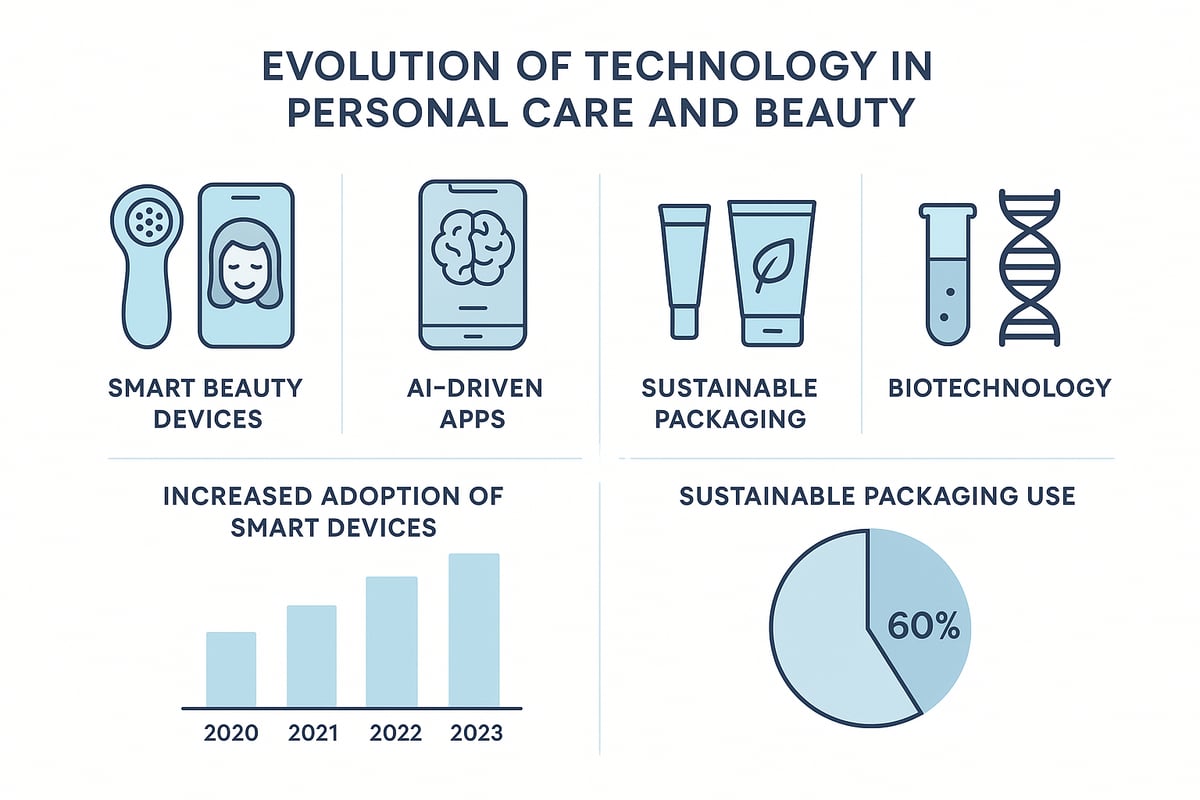
Smart devices are revolutionizing personal care and beauty routines. In 2026, consumers have embraced at-home tech such as cleansing brushes, LED masks, and AI-powered skin analyzers. These tools connect seamlessly with smartphones and wearables, creating personalized regimens based on real-time feedback.
Virtual and augmented reality apps are now mainstream, allowing users to try makeup and skincare products from home. For example, AR-powered try-ons and consultations help shoppers make informed decisions without visiting a store.
The adoption of smart devices has surged since 2023. Brands are developing proprietary apps to engage users, while Internet of Things (IoT) devices track skin health and measure product efficacy. These innovations not only enhance the personal care and beauty experience but also foster deeper connections between brands and consumers.
For an in-depth look at beauty product innovation trends, explore how top brands are leveraging technology to stay ahead in the market.
Artificial Intelligence and Personalization
Artificial intelligence is at the core of the personal care and beauty revolution. AI-driven skin analysis and product recommendations deliver unprecedented levels of customization. Machine learning algorithms optimize ingredient blends, tailoring formulas to unique skin types and concerns.
Platforms equipped with AI provide real-time feedback on conditions like hydration, pigmentation, and texture. Virtual consultants and chatbots offer expert guidance 24/7, making it easier for consumers to navigate the vast array of personal care and beauty options.
According to Mintel, personalization is redefining expectations in the industry. These advancements help reduce product waste and boost satisfaction by ensuring that every solution is as unique as the individual. Brands that embrace AI are setting new standards for efficacy, transparency, and consumer trust.
Sustainable Packaging and Eco-Innovation
Sustainability is now a non-negotiable feature in personal care and beauty. Major brands lead the way with biodegradable, refillable, and minimal packaging. Plant-based materials and zero-waste initiatives are becoming industry standards as consumers demand eco-friendly choices.
Smart packaging solutions, such as QR codes, allow shoppers to trace product origins and receive recycling instructions. Regulatory changes are pushing for reduced plastic use and better recyclability, prompting innovation at every stage of the product lifecycle.
Brands are using packaging to tell their sustainability stories, engaging consumers with clear information and creative designs. This approach not only reduces environmental impact but also strengthens brand loyalty. As eco-innovation continues to evolve, the personal care and beauty sector is paving the way for a greener future.
Ingredient Science and Biotechnology
Ingredient innovation is driving a new era in personal care and beauty. Biotech-derived actives and lab-grown ingredients offer enhanced safety and performance. Fermented elements and microbiome-friendly formulations support skin health and align with the growing demand for non-toxic, vegan options.
Industry investment in ingredient science has increased significantly. Brands collaborate with research institutions to develop hypoallergenic and high-efficacy products. Transparency around sourcing and efficacy is now the norm, as consumers expect clear evidence of benefits.
Cutting-edge ingredient science ensures personal care and beauty products are not only effective but also aligned with ethical and environmental standards. This scientific approach is shaping the future of the industry, making advanced self-care accessible to all.
Sustainability and Ethical Beauty: Meeting the 2026 Standard
Sustainability and ethical practices are no longer optional in personal care and beauty—they are expected. As consumers become increasingly conscious of their impact, brands must adapt to meet new standards in transparency, waste reduction, and social responsibility. This section explores how the industry is evolving to address these critical demands, providing a blueprint for both brands and consumers navigating the future of personal care and beauty. For deeper industry trends and actionable insights, see Personal care products insights.
Clean Beauty and Ingredient Transparency
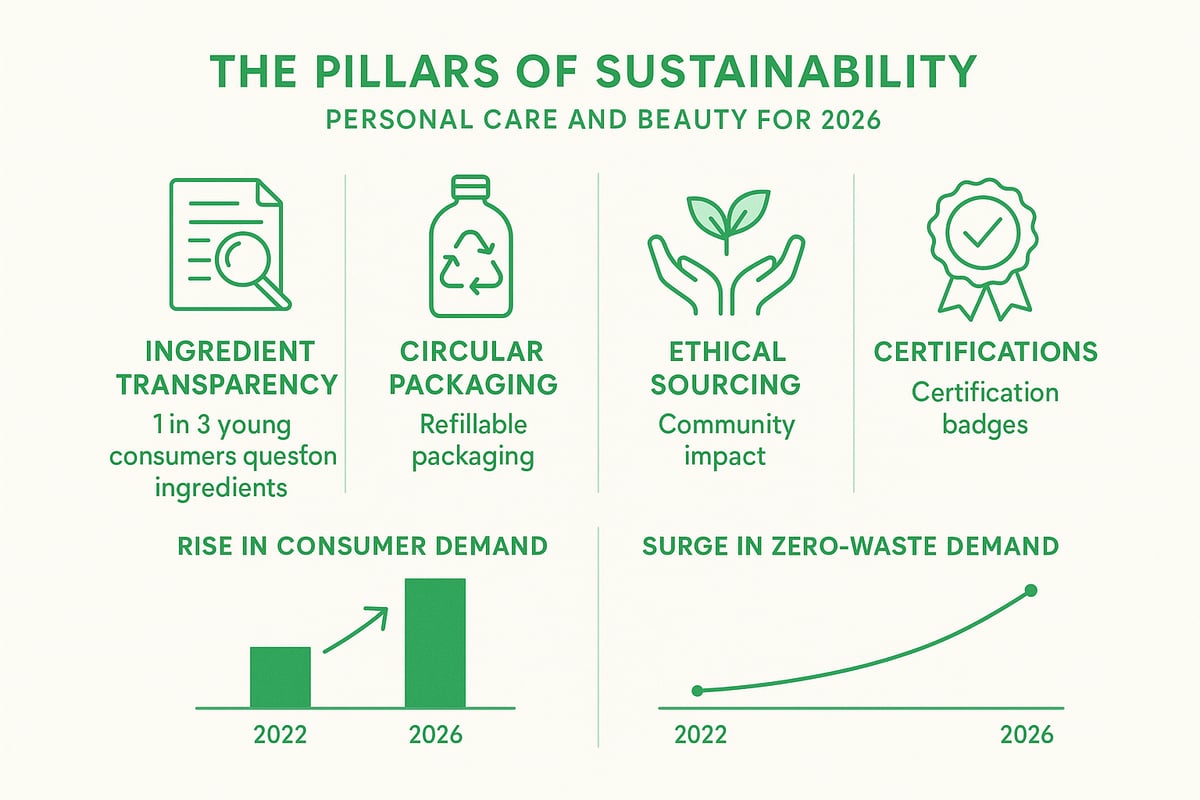
Transparency in personal care and beauty is now foundational. Today’s consumers scrutinize ingredient lists, demanding clear and honest information about what goes into their products. According to Mintel, 1 in 3 young consumers question product ingredients, pushing brands to publish full ingredient breakdowns and disclose sourcing origins.
Clean beauty has shifted from trend to baseline expectation. Brands are responding by reformulating products to eliminate questionable substances and prioritizing safety. Regulatory changes are also driving this movement, requiring clear labeling and third-party validation.
Certifications such as cruelty-free and vegan are gaining traction, offering reassurance that products meet strict ethical standards. The demand for transparency is fueling innovation, as companies compete to provide safer, more effective personal care and beauty solutions.
Circular Beauty and Waste Reduction
Circular beauty emphasizes minimizing waste and maximizing resource efficiency throughout the product lifecycle. Refillable, reusable, and recyclable packaging is becoming standard in personal care and beauty. Brands are launching take-back and recycling initiatives, making it easy for consumers to return empty containers and reduce landfill impact.
Zero-waste products are seeing a surge in demand. Many companies now upcycle ingredients from food or agricultural byproducts, transforming potential waste into high-value actives. Industry partnerships are forming to close the loop on beauty waste, with shared recycling facilities and sustainable material sourcing.
Educating consumers on proper disposal and repurposing is crucial. As more individuals seek eco-friendly options, personal care and beauty brands must innovate to stay ahead in a rapidly evolving market.
Ethical Sourcing and Social Responsibility
Ethical sourcing is a powerful differentiator in the personal care and beauty sector. Brands are investing in fair trade practices, ensuring workers are paid fairly and operate in safe conditions. Sourcing ingredients from women-led cooperatives and local communities empowers people and supports regional economies.
Transparency in supply chains is essential. Companies share stories about the people and places behind their ingredients, building trust and emotional connection. Environmental restoration projects and social impact initiatives are now part of brand identity, not just marketing.
As ethical standards rise, consumers reward brands that prioritize social responsibility. This shift is shaping the future of personal care and beauty, making ethics as important as efficacy.
The Role of Certifications and Standards
Sustainability certifications and eco-labels are proliferating across personal care and beauty. Labels like COSMOS, Ecocert, and Leaping Bunny assure consumers that products meet rigorous environmental and ethical standards.
| Certification | Focus Area | Consumer Benefit |
|---|---|---|
| COSMOS | Organic, Natural | Ingredient purity |
| Ecocert | Sustainability | Eco-friendly sourcing |
| Leaping Bunny | Cruelty-Free | No animal testing |
Certified products consistently earn higher trust and loyalty. As regulatory environments grow more complex, brands use certifications to differentiate in crowded markets. However, consumer education is vital—many shoppers are still learning what each label means.
Certification is more than a badge. It signals a commitment to transparency, sustainability, and ethical values, setting a new benchmark for personal care and beauty in 2026.
Personalization and the Future of Consumer Experience
Imagine a future where your personal care and beauty routine is as unique as your fingerprint. In 2026, customization and data-driven innovation are reshaping every touchpoint, from product development to daily rituals. Let’s explore the forces driving this transformation and how brands and consumers alike can thrive.
The Rise of Bespoke Beauty Solutions
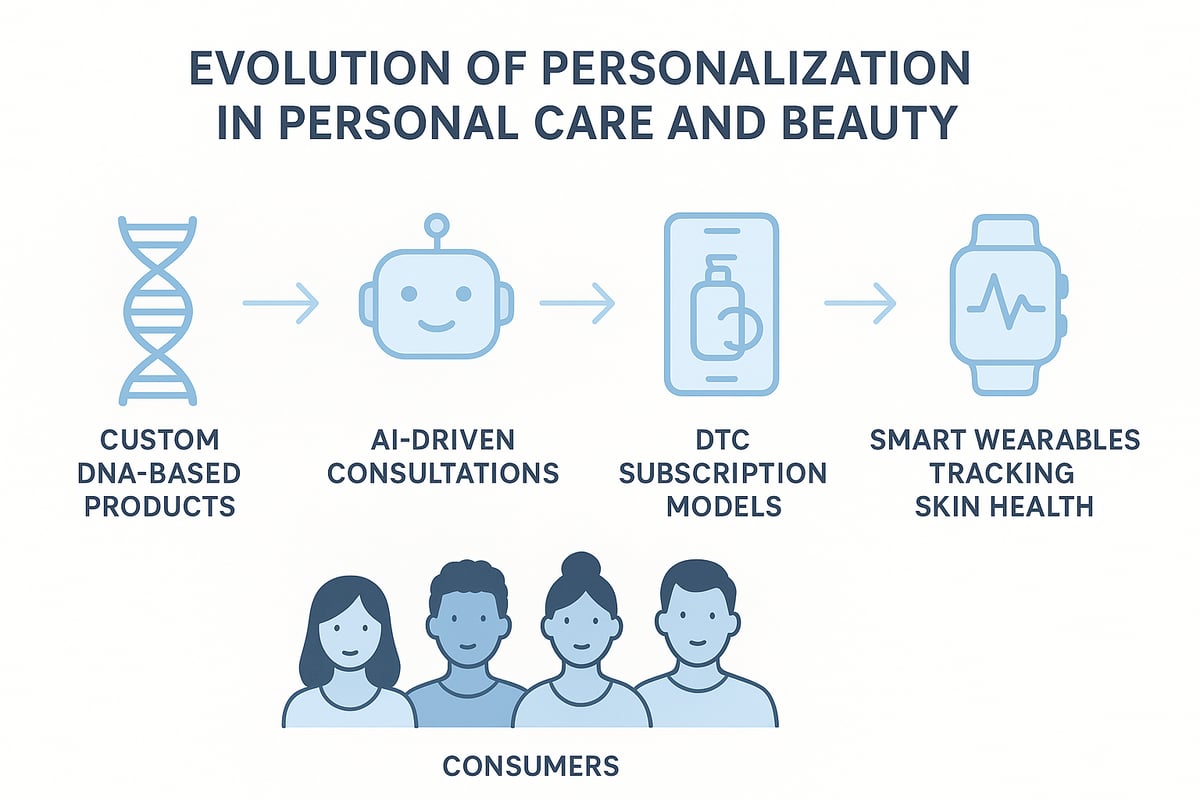
Personalization is revolutionizing personal care and beauty, turning routines into tailored experiences. Brands now offer custom formulations based on skin type, genetics, and even microbiome profiles. Imagine taking a simple at-home test and receiving a product crafted specifically for your skin’s needs.
AI-powered quizzes and consultations make it easy for consumers to identify the right products. DNA-based and microbiome-driven solutions are moving from novelty to mainstream, shifting the industry from “one size fits all” to “one size fits you.”
This approach not only delivers better results but also builds stronger loyalty. Personalized experiences empower consumers to take control of their personal care and beauty journey.
Direct-to-Consumer Personal Care Innovation
Direct-to-consumer (DTC) brands are at the forefront of personal care and beauty innovation. By leveraging data, these brands create unique customer journeys and deliver products directly to consumers’ doors.
Subscription models for skincare and haircare regimens are gaining traction. These services use customer feedback and real-time data to refine offerings, ensuring each box feels tailored to the individual.
Influencer and user-generated content play a critical role in product discovery. Communities form around shared interests and personalized care, turning customers into brand advocates and collaborators in the product development process.
The INCI Lab: Custom Formulation Expertise for Brands
The INCI Lab specializes in developing award-winning custom formulations for personal care and beauty brands. Their services cover bespoke product creation, ingredient sourcing, and reformulation to enhance sustainability or performance.
Brands partnering with The INCI Lab gain access to science-led, eco-friendly, and high-performance solutions. This expertise benefits both startups and established companies seeking to stand out in a crowded market.
Clients receive full ownership of their unique formulations, along with comprehensive support from concept to launch. The INCI Lab’s commitment to sustainability, ethical sourcing, and market alignment is unmatched. Learn more about The INCI Lab’s custom formulation services.
Data-Driven Beauty and Consumer Empowerment
Technology is empowering consumers to make smarter choices in personal care and beauty. Wearables and mobile apps now track skin health, providing actionable insights through personalized dashboards.
Brands use this data to co-create products with their customers, ensuring solutions are relevant and effective. Increased engagement with digital beauty tools means consumers are more informed than ever.
Education and access to expert advice are central to this new era. As data privacy and security concerns grow, trustworthy brands that prioritize consumer empowerment will lead the way in personal care and beauty innovation.
Ingredient and Product Innovation: What’s Inside Matters Most
Innovation in personal care and beauty is accelerating, with ingredient breakthroughs and product formats redefining what consumers expect. Brands are responding to a more informed and wellness-focused audience, making transparency and efficacy the new standard.
Next-Generation Actives and Functional Ingredients
Modern personal care and beauty products increasingly rely on clinically proven actives that deliver both cosmetic and wellness benefits. Ingredients like peptides, adaptogens, and probiotics are taking center stage, offering targeted solutions for skin health, barrier function, and stress response.
Microbiome-friendly formulations are now a staple, with plant-based alternatives replacing traditional synthetics. Brands prioritize actives that are hypoallergenic and vegan, reflecting consumer demand for safety and transparency.
| Ingredient Type | Key Benefit | Example Product |
|---|---|---|
| Peptides | Firming, anti-aging | Serums |
| Adaptogens | Stress reduction | Moisturizers |
| Probiotics | Microbiome support | Cleansers |
Advancements in delivery systems, such as encapsulation, boost efficacy and ensure actives reach their target. Clinical testing and transparent efficacy claims are now expected. To explore the science driving these innovations, see this personal care ingredient science resource.
Hybrid and Multifunctional Products
Hybrid products are transforming personal care and beauty by merging categories for maximum convenience. Moisturizers now offer UV and pollution protection, while haircare adopts “skinification” with serums and masks designed for scalp health.
Consumers increasingly favor products that save time and address multiple needs. The APAC region leads with advanced UV protection that goes beyond sunscreen, integrating SPF into daily skincare and makeup.
- Moisturizers with built-in sun protection
- Foundations infused with skincare actives
- Haircare with anti-pollution and nourishing benefits
Hybrid wellness-beauty products, such as supplements combined with topical serums, are gaining traction. These innovations reflect a shift toward holistic routines, where personal care and beauty are seamlessly linked to lifestyle and health.
Fragrance, Emotional Wellness, and Sensory Innovation
Fragrance has evolved into a powerful tool for emotional wellness within personal care and beauty. Brands now design scents to enhance mood, reduce stress, and promote self-care. In China, 60% of consumers actively seek emotional benefits from their fragrance choices.
Innovations include wearable fragrance technology and long-lasting scent delivery systems. AI personalization allows consumers to create custom fragrance profiles that align with their moods and preferences.
Sensory-driven product experiences are also on the rise. Texture, temperature, and even sound contribute to the overall impact of a product, making self-care rituals immersive and memorable. This trend is part of a broader move toward metabolic beauty trends that fuse beauty, health, and technology for total well-being.
As the boundaries between beauty, wellness, and technology blur, ingredient and product innovation remains at the heart of the personal care and beauty experience.
Preparing for the Future: Strategies for Brands and Consumers
The future of personal care and beauty promises both opportunity and complexity. Brands and consumers must adapt to fast-evolving expectations, technology, and ethical standards. By embracing innovation and informed decision-making, everyone can thrive in the new era of personal care and beauty.
Actionable Steps for Brands in 2026
For brands, the path forward in personal care and beauty centers on sustainability, transparency, and digital engagement. Prioritizing ethical sourcing, eco-friendly packaging, and ingredient innovation is no longer optional. Consumers expect clear communication of values and practices at every touchpoint.
Leveraging advanced technologies such as AI, AR, and data analytics can dramatically improve personalization and customer experience. Brands should explore direct-to-consumer channels to build stronger relationships and respond quickly to market feedback. For a deeper dive into DTC success, review this Guide to DTC beauty brands.
Staying agile allows brands to adapt to regulatory shifts and emerging trends. Collaboration with scientific and industry experts can unlock new opportunities for differentiation. Investing in community engagement and transparent storytelling will build lasting loyalty in personal care and beauty.
Consumer Strategies for Navigating the 2026 Beauty Landscape
Consumers play a pivotal role in shaping the future of personal care and beauty. Start by seeking brands that demonstrate transparency, ethical sourcing, and sustainable practices. Use digital tools and apps to discover products tailored to your unique needs and track their effectiveness over time.
Prioritize multifunctional and hybrid products that simplify routines and offer added value. Stay informed by reading ingredient labels, researching certifications, and leveraging expert-led online resources. Participating in feedback loops and brand communities ensures your voice shapes the next generation of personal care and beauty.
Embrace holistic self-care by integrating wellness and mindfulness into your beauty rituals. This approach empowers you to make smarter, more conscious choices that reflect your values.
Global Trends to Watch and Future Predictions
Globalization is accelerating cross-cultural influences in personal care and beauty, with K-beauty, neurocosmetics, and inclusive solutions shaping innovation. Biotechnology and lab-grown ingredients are expanding, promising safer and more effective products.
Emotional wellness is emerging as a key driver, with sensory experiences and personalized fragrances gaining traction. Regulatory bodies are increasing scrutiny on sustainability and transparency, making compliance essential for global success.
The table below summarizes essential trends and predictions for 2026:
| Trend | Impact |
|---|---|
| AI-powered personalization | Custom routines and product matches |
| Sustainability regulations | Eco-friendly packaging, ingredient traceability |
| Inclusivity and neurocosmetics | Broader product ranges, holistic wellness (learn more) |
| DTC and digital-first models | Direct consumer engagement, rapid feedback |
The convergence of beauty, health, and lifestyle will define the next wave of personal care and beauty. Staying informed and adaptable will be crucial for every participant in this dynamic industry.
As you look ahead to 2026 and explore the latest trends in personalization, sustainability, and high-performance formulations, it’s the perfect time to consider launching your own standout beauty or personal care product. Whether you’re an entrepreneur ready to make your mark or a seasoned brand seeking next-level innovation, taking that first step can be transformative. If you’re inspired by the insights and future-focused strategies in this guide, let’s put your vision into action together.
Start Your Product Journey
Your breakthrough product could be just a conversation away.