

The personal care and beauty products industry has undergone significant transformation over the past decade, driven by heightened consumer awareness, evolving regulatory frameworks, and a fundamental shift toward transparency. As consumers become increasingly educated about ingredient safety and environmental impact, brands face mounting pressure to deliver formulations that are both effective and responsible. This evolution represents both a challenge and an opportunity for entrepreneurs and established brands seeking to differentiate themselves in a competitive marketplace.
The Changing Landscape of Consumer Expectations
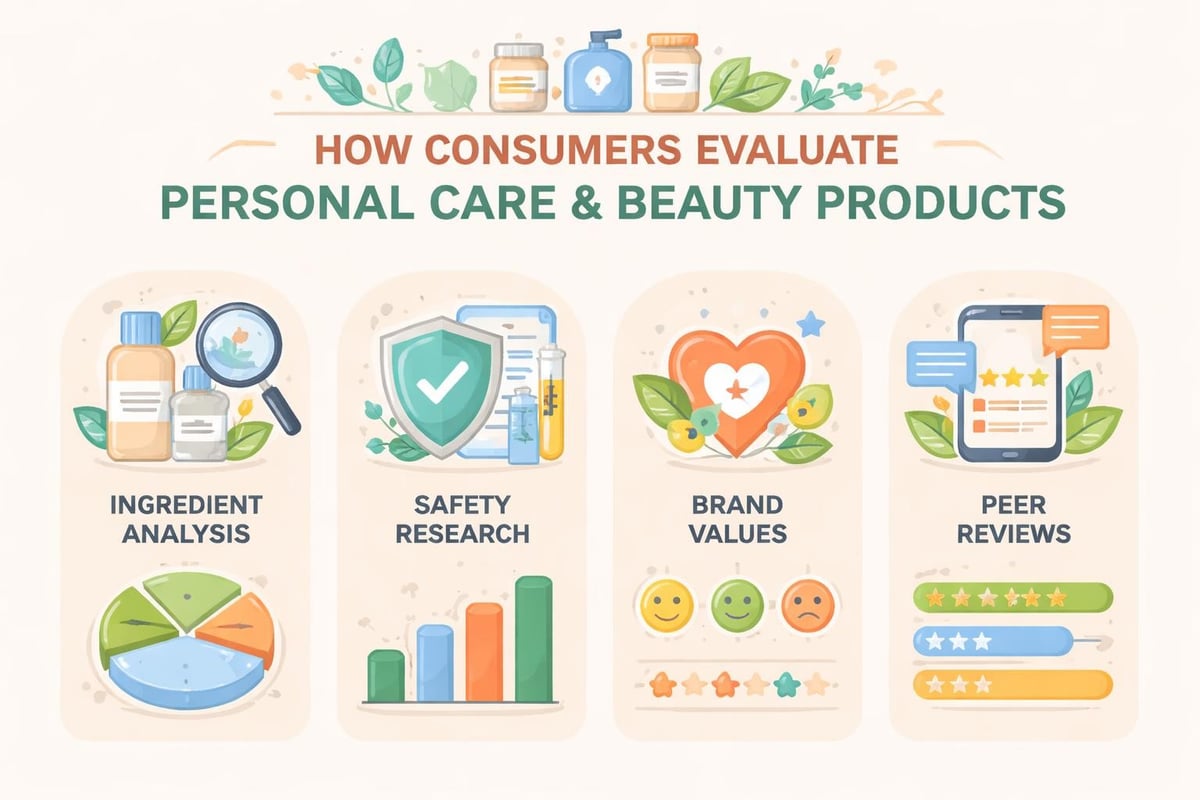
Modern consumers approach personal care and beauty products with unprecedented scrutiny. Research demonstrates that shoppers actively investigate ingredient lists, question manufacturing processes, and prioritize brands that align with their values. This behavioral shift has fundamentally altered product development strategies across the industry.
Key consumer priorities in 2026 include:
- Transparent ingredient sourcing and manufacturing practices
- Sustainable packaging solutions that minimize environmental impact
- Cruelty-free certifications and ethical testing methods
- Clean formulations free from controversial chemicals
- Personalized products addressing specific skin concerns
Recent findings reveal that 80% of consumers want stricter safety regulations in beauty, reflecting growing concerns about ingredient safety and quality control. This consumer sentiment drives brands to reconsider their formulation approaches and establish quality standards that exceed minimum regulatory requirements.
Building Trust Through Transparency
Transparency extends beyond simply listing ingredients on packaging. Consumers expect brands to provide context about ingredient selection, sourcing decisions, and manufacturing processes. Understanding what INCI labeling means empowers consumers to make informed decisions while enabling brands to communicate their commitment to quality.
Regulatory Framework and Compliance Requirements
The regulatory environment governing personal care and beauty products continues to evolve, with federal and state legislation addressing gaps in consumer protection. Understanding these requirements proves essential for brands seeking to maintain compliance while building consumer confidence.
Federal oversight of cosmetics differs significantly from pharmaceutical regulation. The FDA does not require pre-market approval for most cosmetic products, placing responsibility on manufacturers to ensure safety. However, cosmetic safety laws continue developing at both federal and state levels, with particular focus on eliminating harmful chemicals from consumer products.
State-Level Safety Initiatives
Individual states have taken proactive measures to protect consumers, implementing restrictions beyond federal requirements. State laws aimed at safer beauty demonstrate growing momentum for comprehensive chemical safety reform.
| State Category | Regulatory Approach | Implementation Timeline |
|---|---|---|
| Progressive states | Ban specific chemical classes | 2023-2026 |
| Moderate states | Enhanced disclosure requirements | 2024-2027 |
| Developing states | Monitoring federal standards | Ongoing |
Safety obligations for cosmetic products in the USA require manufacturers to substantiate safety claims through adequate testing and documentation. These obligations encompass ingredient safety, product stability, and microbiological testing to ensure consumer protection.
Formulation Development and Innovation
Creating competitive personal care and beauty products requires balancing multiple objectives: efficacy, safety, sensory experience, and market differentiation. Modern formulation development integrates scientific expertise with consumer insights to deliver products that perform while meeting evolving expectations.
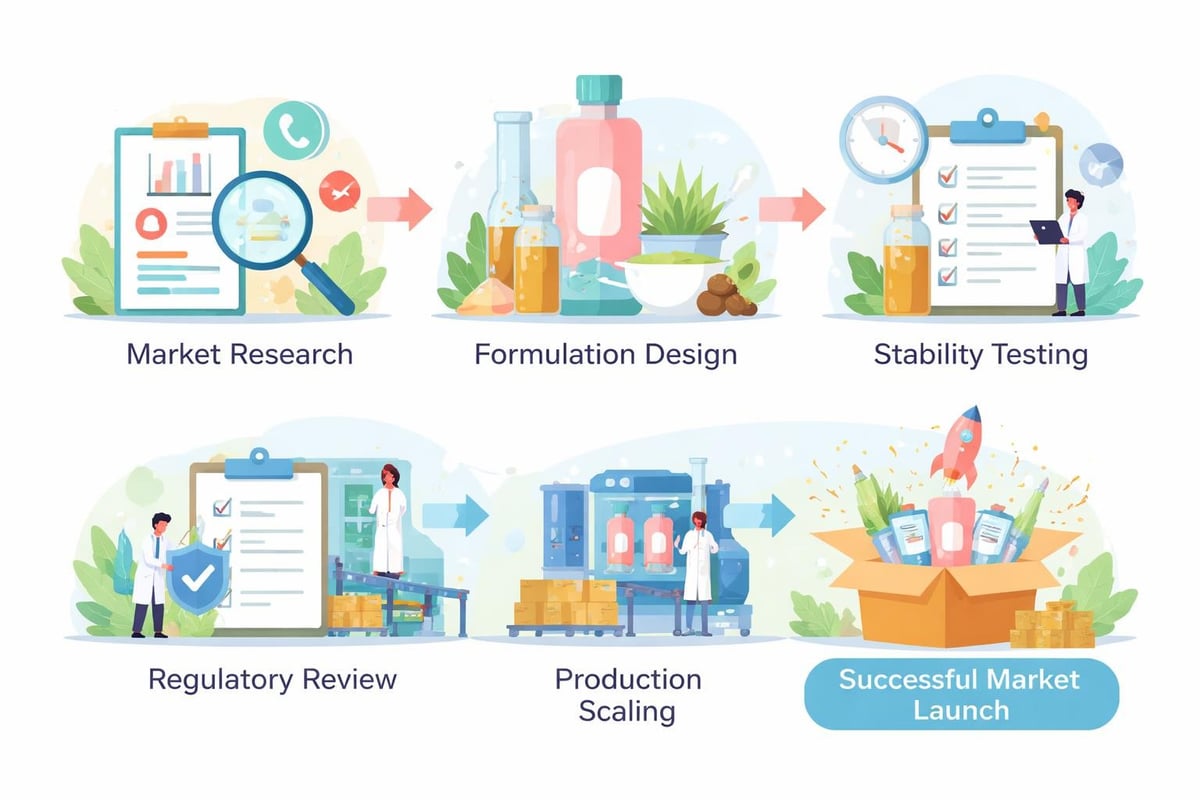
The formulation process begins with concept development, where brand vision meets market opportunity. Successful brands invest time in understanding their target audience, competitive landscape, and regulatory requirements before initiating development work.
Key Formulation Considerations
Performance metrics:
- Efficacy testing demonstrating claimed benefits
- Stability assessment across temperature ranges
- Preservation system effectiveness
- Sensory characteristics including texture and fragrance
- Compatibility with packaging materials
Sustainability factors:
- Renewable ingredient sourcing
- Biodegradability of formulation components
- Water conservation in manufacturing
- Carbon footprint reduction strategies
- Circular economy principles
Entrepreneurs launching a skincare brand must navigate these complex considerations while maintaining budget constraints and timeline objectives. Working with experienced formulators streamlines this process, ensuring compliance while optimizing performance characteristics.
Ingredient Selection and Safety Assessment
Ingredient selection represents perhaps the most critical decision in developing personal care and beauty products. Each component serves specific functions, from active ingredients delivering therapeutic benefits to excipients ensuring stability and pleasant sensory characteristics.
Safety assessment must address both individual ingredient safety and potential interactions within complete formulations. Understanding ingredient safety, transparency, and regulation helps brands navigate common misconceptions while maintaining scientifically sound practices.
Clean Beauty Movement Impact
The clean beauty trend has reshaped ingredient selection processes, though definitions of "clean" vary significantly across brands. Rather than adhering to restrictive "free-from" lists, sophisticated brands focus on comprehensive safety assessment and transparent communication.
Contemporary formulation strategies emphasize:
- Evidence-based ingredient selection rather than fear-based marketing
- Dose-dependent safety assessment recognizing concentration matters
- Holistic evaluation of environmental and human health impacts
- Balance between natural origins and synthetic optimization
- Performance-driven choices supporting product efficacy
Certain ingredients face particular scrutiny despite scientific evidence supporting their safety at cosmetic use levels. Resources about personal care product safety help consumers understand risk context while encouraging informed decision-making.
Manufacturing Partnership and Quality Control
Selecting appropriate manufacturing partners significantly impacts product quality, consistency, and market success. Whether utilizing contract manufacturing or developing in-house capabilities, brands must establish robust quality systems ensuring batch-to-batch reproducibility.
Contract manufacturing for beauty products offers distinct advantages for emerging brands, including access to specialized equipment, established quality systems, and regulatory expertise. However, maintaining quality control requires active brand involvement throughout the manufacturing relationship.
| Manufacturing Approach | Advantages | Considerations |
|---|---|---|
| Contract manufacturing | Lower capital investment, faster market entry, specialized expertise | Less direct control, minimum order quantities, shared capacity |
| In-house production | Complete quality control, proprietary processes, flexible scheduling | High capital costs, regulatory burden, staffing requirements |
| Hybrid model | Balanced investment, strategic flexibility, risk distribution | Complex coordination, dual quality systems, relationship management |
Quality Assurance Protocols
Comprehensive quality assurance extends beyond finished product testing to encompass raw material verification, in-process controls, and post-market surveillance. Brands committed to excellence implement:
- Incoming material specifications and testing procedures
- Manufacturing process validation and documentation
- Microbiological monitoring throughout production
- Stability testing under various storage conditions
- Consumer feedback systems tracking adverse events
Market Differentiation Strategies
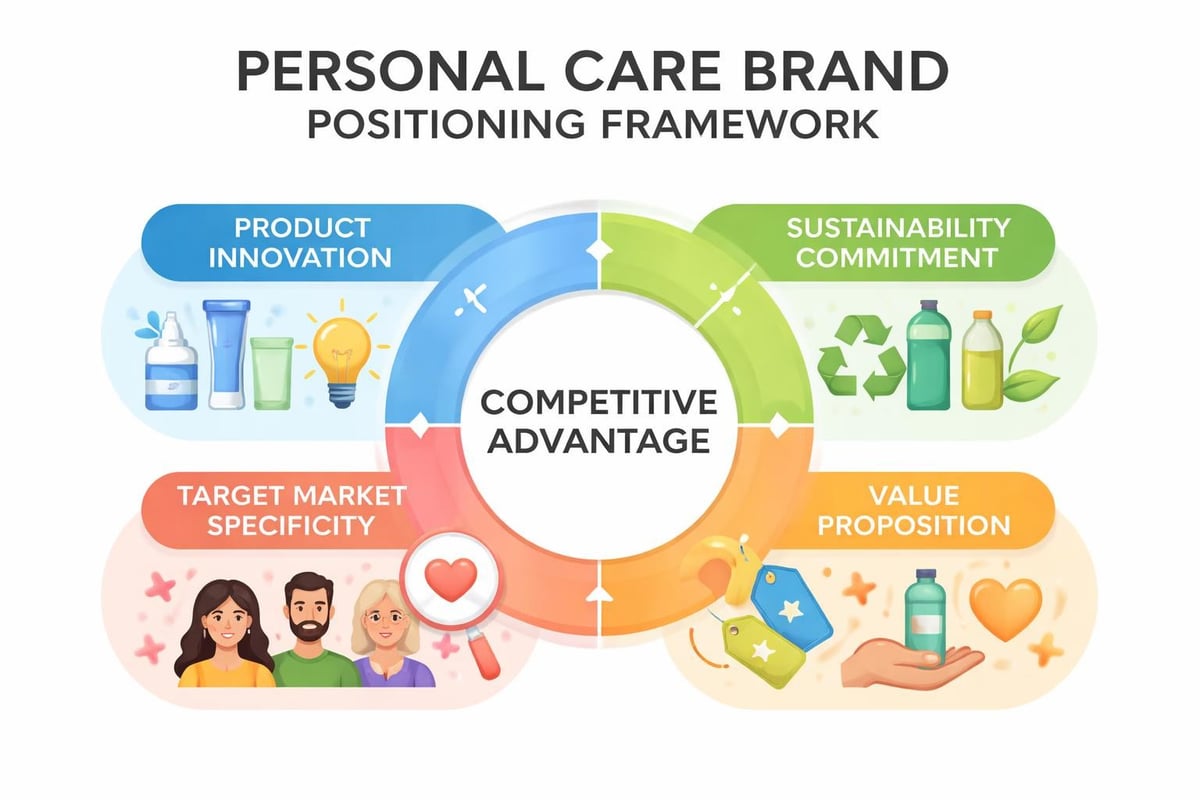
Standing out in saturated personal care and beauty products markets requires strategic differentiation beyond product performance. Successful brands develop comprehensive positioning that resonates with target consumers while delivering authentic value.
Differentiation opportunities include:
- Specialized formulations addressing underserved consumer segments
- Innovative delivery systems improving ingredient efficacy
- Sustainable packaging reducing environmental footprint
- Educational content building consumer knowledge
- Direct-to-consumer models enabling personalized experiences
New cosmetic brands entering the market must identify clear positioning that distinguishes their offerings from established competitors. This positioning should align with genuine brand values rather than opportunistically following trends.
Professional and Spa Partnerships
Professional channels offer unique opportunities for premium positioning and relationship building. Brands like Green Spa demonstrate how specialized focus on professional markets creates differentiation while building credibility. Their commitment to high-quality massage oils and sensory rituals for spas and wellness centers illustrates effective niche positioning.
Professional partnerships provide benefits beyond distribution channels:
- Product education through trained practitioners
- Extended consumer engagement during treatment experiences
- Credibility enhancement through professional endorsement
- Premium pricing supported by service context
- Loyalty development through repeated professional exposure
Sustainable Practices and Environmental Responsibility
Environmental consciousness has evolved from marketing advantage to business imperative within the personal care and beauty products industry. Brands face increasing pressure to demonstrate genuine commitment through measurable actions rather than vague sustainability claims.
Comprehensive sustainability programs address multiple dimensions:
- Raw material sourcing prioritizing renewable resources
- Manufacturing processes minimizing water and energy consumption
- Packaging design reducing waste and enabling recycling
- Supply chain transparency from farm to finished product
- Carbon offset programs addressing unavoidable emissions
Implementing sustainable practices requires investment and operational changes, yet consumer willingness to support responsible brands continues growing. Authenticity remains paramount, as sophisticated consumers quickly identify greenwashing attempts.
Ingredient Sustainability Considerations
Beyond environmental impact, sustainable ingredient sourcing must address social responsibility and economic viability. Fair trade practices, biodiversity protection, and community support create comprehensive sustainability frameworks supporting long-term success.
Regulatory Compliance and Product Claims
Substantiating product claims represents both legal requirement and ethical obligation. Personal care and beauty products face specific restrictions regarding therapeutic claims, with clear distinctions between cosmetics and drugs determining permissible marketing language.
Regulations concerning chemicals in cosmetics continue evolving, requiring brands to maintain current knowledge of federal and state requirements. Proactive compliance programs prevent costly reformulations while protecting brand reputation.
Claim Substantiation Requirements
Supporting evidence for product claims must be:
- Adequate to support the specific claim made
- Derived from appropriate testing methodologies
- Representative of actual product performance
- Documented and available for regulatory review
- Consistent with current scientific understanding
Claims requiring particular attention include anti-aging benefits, sun protection factors, hypoallergenic properties, and natural or organic designations. Each category carries specific testing and documentation requirements beyond general safety assessment.
Innovation Trends Shaping the Future
The personal care and beauty products industry continues evolving, with emerging technologies and changing consumer priorities driving innovation. Brands positioned to capitalize on these trends gain competitive advantages in dynamic markets.
Significant trends influencing 2026 product development:
- Personalization through AI-driven formulation recommendations
- Biotechnology enabling sustainable active ingredient production
- Microbiome-friendly formulations supporting skin health
- Waterless beauty reducing environmental impact
- Refillable packaging systems promoting circular economy
Understanding trending cosmetic products helps brands identify opportunities while avoiding oversaturated categories. Strategic innovation balances trend awareness with authentic brand identity.
Technology Integration
Digital technologies transform how consumers discover, purchase, and experience personal care and beauty products. Augmented reality enables virtual product trials, while artificial intelligence personalizes recommendations based on individual skin characteristics and preferences.
Brands embracing technology integration create enhanced consumer experiences while gathering valuable data informing future product development. However, technology should enhance rather than replace the fundamental requirement for effective, safe formulations.
Product Development Timeline and Investment
Realistic planning proves essential for brands developing personal care and beauty products. Understanding typical timelines and investment requirements prevents costly delays while ensuring adequate resource allocation.
| Development Phase | Duration | Key Activities |
|---|---|---|
| Concept and research | 4-8 weeks | Market analysis, competitive review, positioning development |
| Formulation development | 8-16 weeks | Prototype creation, stability testing, adjustments |
| Regulatory review | 4-8 weeks | Safety assessment, compliance verification, claim substantiation |
| Packaging design | 6-12 weeks | Structural design, graphics development, supplier selection |
| Production setup | 4-8 weeks | Manufacturing validation, initial production run, quality testing |
Total timeline from concept to market typically ranges from six months to over one year, depending on product complexity and regulatory requirements. Steps to formulate safe and effective cosmetic products provide detailed guidance for brands navigating this process.
Investment requirements vary dramatically based on formulation complexity, testing needs, packaging choices, and production volumes. Emerging brands should budget for formulation development, stability testing, safety assessment, initial inventory, and marketing launch support.
Building Long-Term Brand Success
Sustainable success in personal care and beauty products requires thinking beyond individual product launches to comprehensive brand building. Consistency across formulations, packaging, messaging, and consumer experience creates cumulative brand equity supporting long-term growth.
Successful cosmetic brands demonstrate several common characteristics:
- Clear brand identity reflecting authentic values
- Consistent quality across all product offerings
- Transparent communication building consumer trust
- Responsive customer service addressing concerns promptly
- Continuous innovation maintaining market relevance
Brand building represents ongoing investment rather than one-time expense. Allocating resources toward consumer education, community engagement, and product improvement creates foundations supporting sustainable growth.
The personal care and beauty products industry offers tremendous opportunities for brands committed to quality, transparency, and innovation. Success requires balancing consumer expectations with regulatory requirements while maintaining authentic brand identity and sustainable practices. Whether you're an entrepreneur launching your first product or an established brand seeking to expand your portfolio, The INCI Lab provides comprehensive formulation expertise, regulatory guidance, and sustainable ingredient solutions to bring your vision to market with confidence and excellence.

