
Personal care products and services are transforming at a pace never seen before, fueled by technology and changing consumer values. In 2026, the industry is projected to surpass previous growth records, highlighting its expanding role in daily life and business.
This comprehensive guide empowers both consumers and brands to confidently navigate the evolving world of personal care products and services. You will uncover the latest trends, discover innovative product categories, explore advanced service experiences, and learn how sustainability and ingredient transparency are reshaping the market.
Curious about how AI, eco-friendly practices, and new regulations impact your personal care choices? Let this guide inspire you to make smarter, more informed decisions as you explore every aspect of personal care products and services in 2026.
Key Trends Shaping Personal Care in 2026
The landscape of personal care products and services is evolving at an unprecedented pace. In 2026, consumers and brands are witnessing sweeping changes driven by technology, sustainability, and heightened expectations for safety and transparency. This section explores the key trends that will define personal care products and services in the coming year, helping all stakeholders stay ahead of the curve.
Rise of Personalization and AI Integration
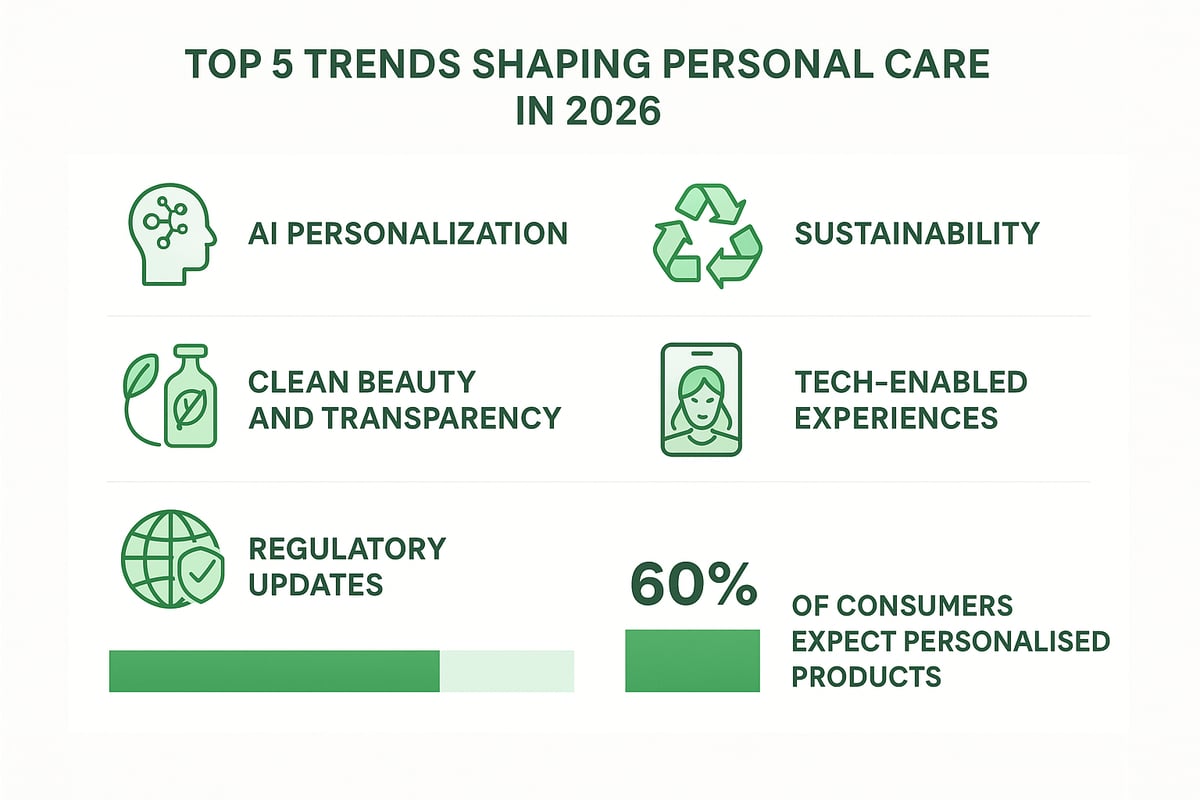
Personalization is transforming personal care products and services, with AI leading the charge. Brands are deploying AI-powered skin and hair analysis tools, enabling consumers to receive tailored product recommendations based on real data. DNA-based and microbiome-focused solutions are becoming more accessible, offering deeper customization than ever before.
A practical example is the growth of personalized shampoo brands that use digital consultations to craft bespoke formulas. According to Statista (2025), 60% of consumers now expect personalized products. To dive deeper into these innovations, explore Key trends in personal care for an in-depth look at how personalization is reshaping the industry.
Sustainability and Eco-Conscious Formulations
Sustainability is a core driver for personal care products and services in 2026. Consumers are demanding biodegradable packaging, refill systems, and waterless or solid product formats to reduce environmental impact. Brands are responding by utilizing upcycled and locally sourced ingredients, minimizing their carbon footprint.
Biodegradable packaging and refillable containers are becoming the norm. Water-free formulations not only reduce waste but also extend shelf life and improve portability. These eco-conscious efforts are helping shape a more responsible future for personal care products and services.
Clean Beauty and Ingredient Transparency
Transparency is now a non-negotiable standard for personal care products and services. Consumers want to know exactly what they are putting on their bodies, prompting brands to provide full ingredient disclosure and “free from” claims. Clean beauty is no longer a niche, with third-party certifications such as ECOCERT and COSMOS gaining prominence.
Educational campaigns are empowering consumers to make informed choices. The push for ingredient transparency is also encouraging safer formulations and a higher level of trust between brands and their customers, making ingredient clarity a central pillar of personal care products and services.
Tech-Enabled Service Experiences
Technology is revolutionizing personal care products and services beyond the product itself. Virtual consultations, augmented reality try-ons, and online diagnostics are making expert advice more accessible. Automated subscription models are streamlining product replenishment and encouraging brand loyalty.
Major retailers are deploying AI-powered skin analysis kiosks in stores, offering real-time recommendations. These tech-enabled experiences are redefining how consumers interact with personal care products and services, blending convenience with accuracy and personalization.
Regulatory and Safety Updates
As personal care products and services evolve, regulatory standards are keeping pace to ensure consumer safety. Efforts to harmonize safety standards globally are underway, reducing confusion for both brands and consumers. There is increased scrutiny on allergens and endocrine disruptors, with regulatory bodies in the EU and US updating ingredient safety lists.
These changes require brands to stay vigilant and proactive in compliance. For consumers, it means greater confidence in the safety and efficacy of personal care products and services, as the industry embraces a higher bar for quality and protection.
Emerging Categories of Personal Care Products
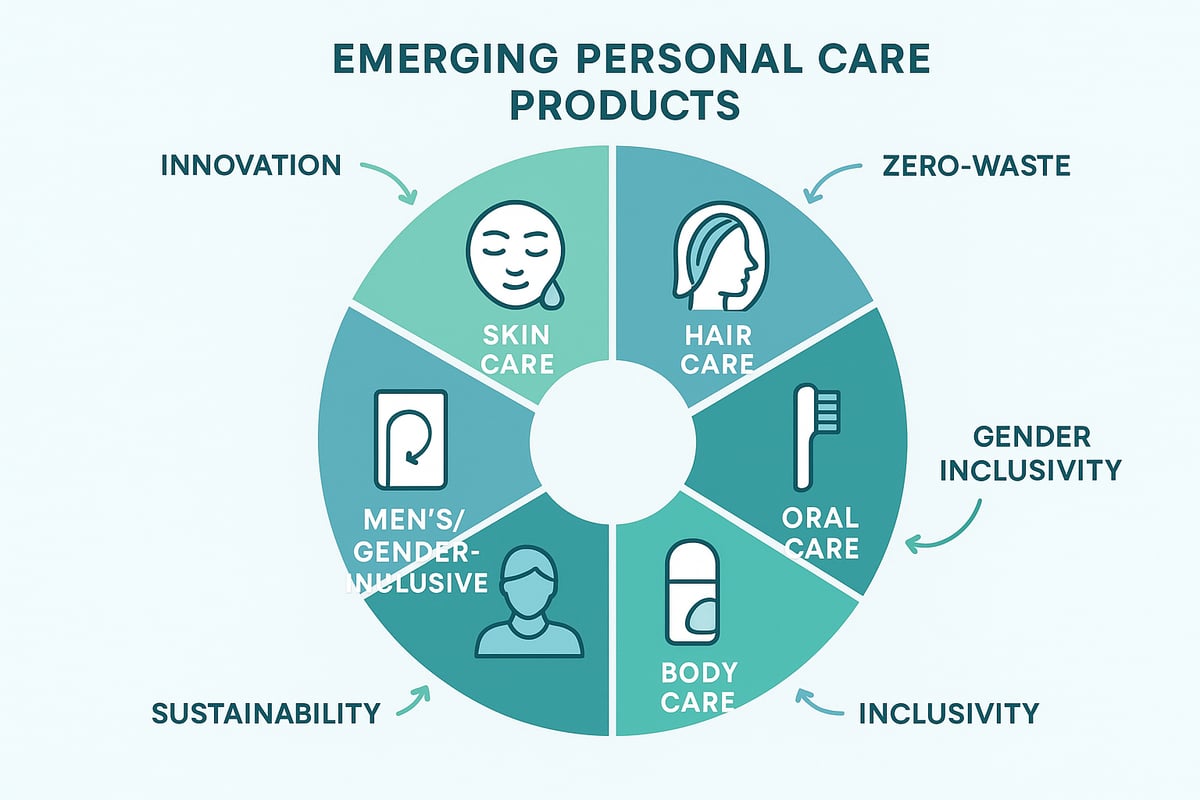
The landscape of personal care products and services is transforming rapidly as new technologies and consumer priorities shape innovation. Modern consumers seek solutions that are not only effective but also align with values like sustainability, transparency, and inclusivity. From microbiome-focused skincare to zero-waste oral care, brands are expanding their offerings to meet these shifting expectations. As you explore the latest developments, consider how these emerging categories can help you make more informed and conscious choices. For further insights into the latest personal care product innovations, explore dedicated industry resources.
Skin Care Innovations
Skin care remains at the forefront of personal care products and services, with innovation focusing on holistic well-being and barrier health. Probiotic and postbiotic formulations are increasingly popular, helping to balance the skin’s microbiome and strengthen resilience. Peptide and adaptogen-infused creams address stress-induced skin concerns, supporting both repair and protection. The demand for blue light protection is also growing, as consumers become more aware of digital exposure effects. These advancements reflect a broader trend toward customization and science-backed efficacy in personal care products and services, catering to increasingly savvy users.
Hair Care Advancements
Hair care is experiencing a renaissance within personal care products and services, emphasizing scalp health and ingredient transparency. Bond-building treatments, inspired by salon technology, help repair damage at the molecular level. Scalp microbiome solutions, including prebiotic and probiotic serums, restore balance and promote healthy growth. Brands are also introducing plant-based keratin and silicone alternatives to meet eco-conscious demands. By blending biotechnology and green chemistry, personal care products and services are redefining what it means to have strong, vibrant hair while supporting sustainability and wellness goals.
Oral and Dental Care Evolution
Oral and dental care is evolving rapidly, driven by consumer demand for both efficacy and sustainability in personal care products and services. Enzyme-based whitening and remineralizing pastes offer gentle yet effective solutions for maintaining a healthy smile. Innovations like zero-waste dental floss and mouthwash tablets address environmental concerns while delivering convenience. These products often feature minimal packaging, compostable materials, and clean ingredient profiles. As consumers become more mindful of their oral health routines, personal care products and services in this space are expanding to include both high-performance and eco-friendly options.
Body Care and Hygiene
Body care and hygiene are being reshaped by the desire for multipurpose, planet-friendly personal care products and services. Multipurpose solid bars that cleanse, shave, and moisturize are replacing traditional liquid products, reducing plastic waste and simplifying routines. Deodorants now feature natural antimicrobials and probiotics to support a balanced skin ecosystem. The shift toward concentrated, waterless formats further minimizes environmental impact. With these changes, consumers are empowered to choose personal care products and services that align with both their values and their lifestyles.
Men’s and Gender-Inclusive Products
The market for men’s and gender-inclusive personal care products and services is expanding, reflecting a growing recognition of diverse needs and identities. Gender-neutral formulations, free from traditional fragrances or packaging stereotypes, appeal to a broader audience. Specialized solutions target beard care, scalp health, and sensitive skin, providing tailored benefits. Brands are also rethinking marketing and communication to be more inclusive and welcoming. This evolution in personal care products and services supports greater self-expression and accessibility for everyone.
Inclusive and Adaptive Products
Inclusivity is a defining priority in the next wave of personal care products and services. Brands are developing products that address a wide variety of skin tones, hair types, and physical abilities. Packaging innovations such as braille labeling and ergonomic designs make products easier to use for individuals with visual or motor impairments. By prioritizing accessibility and representation, personal care products and services are becoming more equitable, ensuring that everyone can find effective solutions tailored to their unique needs.
Innovations in Personal Care Services
Innovation is rapidly redefining personal care products and services, making them more accessible, effective, and personalized than ever before. With new technologies, evolving consumer needs, and a focus on inclusivity, the landscape in 2026 is more dynamic and promising. According to the Personal Care Industry Report 2026, the sector continues to experience impressive growth, driven by transformative advancements.
Virtual and In-Person Consultations
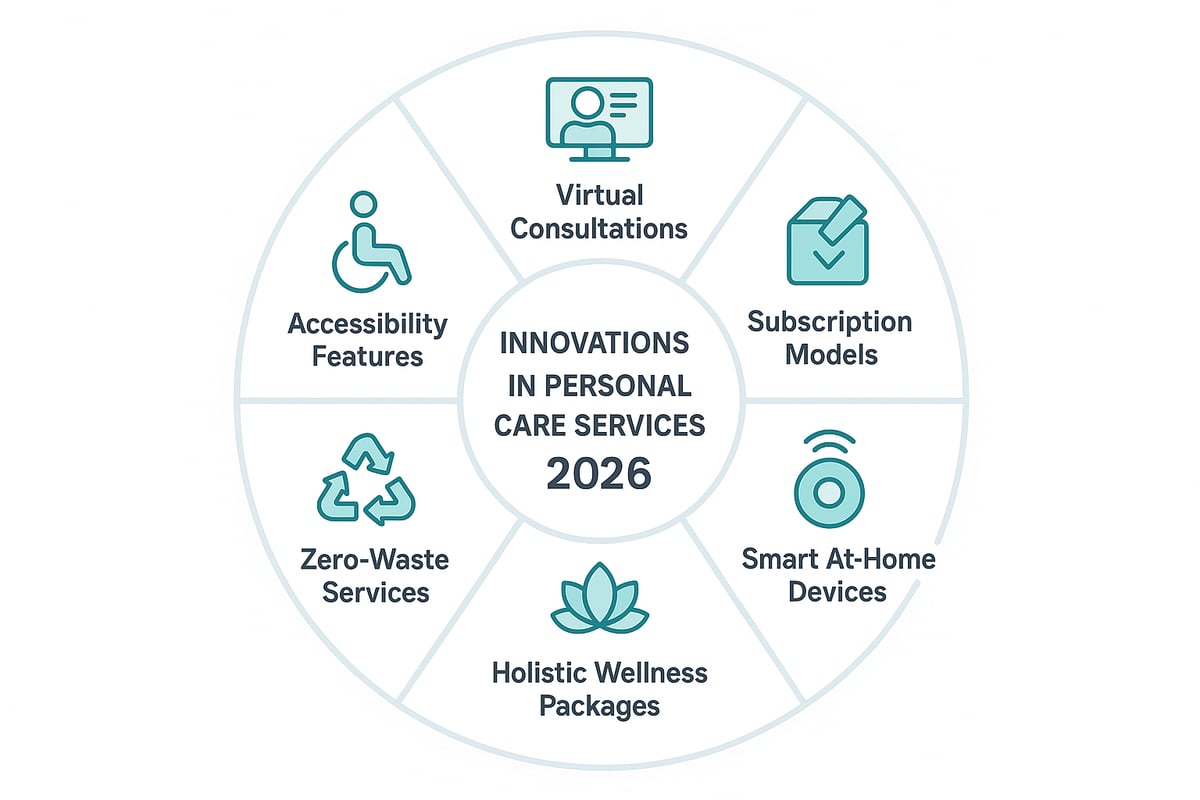
Virtual consultations have become a cornerstone of personal care products and services. Teledermatology platforms and remote hair analysis tools allow consumers to access expert advice from the comfort of their homes. In-person offerings remain vital, but now often include digital enhancements, such as AI-driven skin analysis or real-time ingredient recommendations.
Clients can schedule video calls, upload photos for assessment, and receive personalized regimens. This hybrid approach ensures that personal care products and services are tailored to individual needs, increasing satisfaction and efficacy.
Subscription and On-Demand Models
Subscription and on-demand models have revolutionized how people access personal care products and services. Auto-replenishment ensures users never run out of essentials, while flexible memberships for salons and spas cater to busy lifestyles.
Personalized subscriptions use data analytics to adjust product shipments based on usage patterns. On-demand services, such as mobile grooming or beauty appointments, make personal care products and services more convenient and responsive than ever.
At-Home Devices and Smart Tools
The rise of at-home devices is one of the most exciting trends in personal care products and services. LED therapy masks, microcurrent wands, and ultrasonic facial cleansers empower users to achieve professional results without leaving home.
Smart tools connect to apps, tracking progress and adjusting routines based on real-time data. This integration elevates the effectiveness of personal care products and services, making advanced treatments accessible to all.
Wellness and Holistic Care Offerings
A holistic approach now defines many personal care products and services. Spas and clinics offer packages that combine mindfulness, nutrition, sleep, and skin health, addressing well-being from multiple angles.
Personalized coaching, stress management workshops, and wellness retreats are increasingly popular. This comprehensive model ensures personal care products and services support not only appearance, but also emotional and physical health.
Sustainable and Zero-Waste Service Models
Sustainability is at the heart of innovative personal care products and services. Salons and spas are adopting refillable containers, recycling programs, and eco-friendly packaging to minimize environmental impact.
Many brands now partner with green initiatives, offering incentives for returning used packaging. These efforts make personal care products and services more responsible, appealing to eco-conscious consumers seeking to reduce their footprint.
Accessibility and Inclusivity in Services
Modern personal care products and services prioritize accessibility and inclusivity. Services for neurodiverse and differently-abled clients are expanding, with staff trained in sensitivity and adaptive techniques.
Packaging innovations, such as braille labels and ergonomic designs, ensure everyone can benefit from personal care products and services. Multilingual support and culturally sensitive care further broaden access, making the industry more welcoming than ever.
Choosing High-Performance and Safe Personal Care Products
Selecting the right personal care products and services in 2026 requires more than just reading a label. With rapid innovation and evolving regulations, consumers need a clear approach to ensure both safety and performance.
Understanding Ingredient Lists and Claims
To make informed choices about personal care products and services, start by reviewing ingredient lists. Look for clear labeling, and avoid products with vague terms like "fragrance" or "proprietary blend." Understanding INCI names helps decode complex ingredients. For deeper insights into labeling and ingredient transparency, consult resources like Ingredient transparency in cosmetics. Be cautious with claims such as "natural" or "organic," unless they're backed by recognized standards.
Evaluating Certifications and Third-Party Testing
Certifications can help you identify high-quality personal care products and services. Look for badges such as cruelty-free, vegan, and hypoallergenic, which indicate ethical standards and safety. Third-party lab testing provides an extra layer of assurance.
| Certification | What It Means | Why It Matters |
|---|---|---|
| Cruelty-Free | Not tested on animals | Ethical sourcing |
| Vegan | No animal ingredients | Allergen reduction |
| Hypoallergenic | Low allergy risk | Sensitive skin compatibility |
Always verify that certifications are legitimate and current before trusting a product.
Patch Testing and Sensitivity Considerations
Before using new personal care products and services, perform a patch test. Apply a small amount to your inner forearm and monitor for 24 hours. This simple step helps prevent unwanted reactions. Common allergens include fragrances, dyes, and certain preservatives. If you have sensitive skin, choose fragrance-free or dermatologist-tested products. Patch testing is a critical part of ensuring safety when exploring innovative personal care products and services.
Navigating Online Reviews and Community Feedback
Online reviews are a valuable resource when evaluating personal care products and services. Focus on verified purchase reviews and seek out expert recommendations. Be cautious of overly positive or repetitive reviews, which may be incentivized or fake. Community forums and social media groups offer real-world experiences, helping you gauge performance and safety. Use these insights to narrow down your options and make better decisions when shopping for personal care products and services.
Balancing Performance with Sustainability
Today's consumers seek personal care products and services that deliver results while minimizing environmental impact. Compare options such as waterless versus traditional formulas to assess both efficacy and sustainability. Consider packaging, ingredient sourcing, and the company's eco-initiatives. Ultimately, the best choice balances high performance with a commitment to ethical and sustainable practices, ensuring your personal care products and services align with your values.
How Brands and Entrepreneurs Can Succeed in 2026’s Personal Care Market
Succeeding in the rapidly shifting landscape of personal care products and services in 2026 demands agility, insight, and a deep understanding of what today’s and tomorrow’s consumers expect. Brands and entrepreneurs must balance innovation with transparency, sustainability, and regulatory know-how to carve out their space in a highly competitive market.
Product Development and Innovation Strategies
Innovation is the heartbeat of personal care products and services. Brands must invest in robust R&D and embrace trend forecasting to stay ahead. Leveraging AI-powered ingredient discovery and innovation gives companies a competitive edge, enabling the creation of highly personalized and effective formulas.
Rapid prototyping allows teams to test and iterate quickly, while consumer co-creation ensures new launches resonate with target audiences. Monitoring emerging ingredients and technologies is essential for anticipating shifts in consumer demand for personal care products and services.
Branding and Storytelling
Authentic branding is crucial for building trust in personal care products and services. Brands that share their mission, values, and ingredient sourcing practices stand out. Purpose-driven messaging, combined with transparency, forges strong connections with consumers.
Utilizing social media and collaborating with influencers amplifies reach. Storytelling that highlights real customer journeys and product efficacy helps brands differentiate themselves in the crowded personal care products and services market.
Regulatory Compliance and Global Market Entry
Navigating global regulations for personal care products and services is increasingly complex. Brands must stay updated on evolving standards, such as ingredient safety lists and labeling requirements in different regions. Compliance ensures product safety and avoids costly recalls or legal issues.
Adapting formulations and documentation for markets like APAC and the EU is essential for international expansion. Strategic partnerships with regulatory experts can streamline market entry, helping brands scale their personal care products and services globally.
Sustainable Sourcing and Supply Chain Management
Sustainability is now a non-negotiable aspect of personal care products and services. Brands are expected to partner with ethical suppliers, ensuring traceability and responsible sourcing at every stage.
Minimizing carbon footprint involves optimizing logistics, reducing packaging waste, and choosing renewable ingredients. Transparent communication about sustainability initiatives reinforces consumer trust in personal care products and services, setting brands apart from competitors.
Customer Experience and Retention
Delivering an exceptional customer experience is vital for long-term success in personal care products and services. Personalization in communications, loyalty programs, and tailored recommendations foster deeper relationships with customers.
Providing educational resources and aftercare support encourages repeat purchases. Brands that listen to feedback and adapt quickly can build a loyal community, driving sustained growth in personal care products and services.
Partnering with Custom Formulation Experts
For brands seeking to create standout personal care products and services, collaborating with specialized formulation labs can be transformative. The INCI Lab provides end-to-end support, from custom product development to eco-friendly ingredient sourcing and full intellectual property ownership.
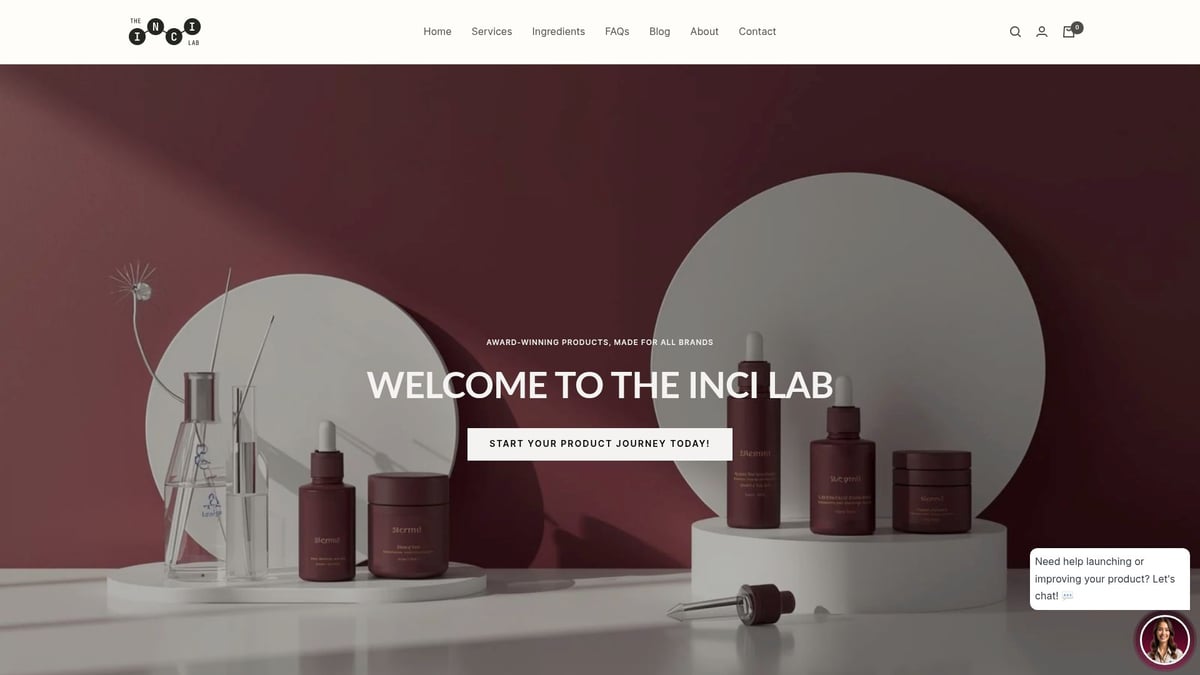
This partnership enables entrepreneurs and established brands to launch high-performance, sustainable products efficiently. Working with experts ensures your personal care products and services meet evolving consumer expectations while maintaining a competitive edge.
The Future of Personal Care: What to Expect Beyond 2026
As we look toward the future, the world of personal care products and services is poised for remarkable change. Every year brings new advancements, but the pace of innovation is set to accelerate. Consumers and brands alike must stay informed and agile to thrive in this evolving landscape.
Anticipated Breakthroughs in Ingredients and Technology
The next era of personal care products and services will be defined by scientific and technological leaps. AI-powered ingredient discovery and bioengineered actives are expected to transform how products are formulated and personalized. Adaptive solutions may soon adjust in real time to users’ changing environments or skin conditions.
Personalization will become even more sophisticated, with products that learn from user data and deliver tailored results. Industry experts predict that metabolic beauty and sensorial synergy will also shape the future, creating new possibilities for targeted benefits.
Evolving Consumer Values and Preferences
Consumer priorities are shifting, with greater attention paid to mental health, emotional wellness, and holistic care. Transparency and ethical practices are no longer optional; they are essential for trust in personal care products and services.
Consumers are demanding more information about sourcing, safety, and environmental impact. As highlighted by Sustainability in Personal Care Products, brands must integrate eco-conscious practices to remain relevant and future-proof.
The Role of Globalization and Cultural Exchange
Cultural exchange is fueling the next wave of innovation in personal care products and services. Traditional remedies from diverse regions are merging with cutting-edge science to create unique product lines.
Brands are increasingly drawing inspiration from global beauty rituals, resulting in formulations that celebrate regional diversity. This trend not only enriches product offerings but also fosters inclusivity and cross-cultural appreciation.
Potential Challenges and Opportunities
Navigating regulatory complexity remains a top challenge for personal care products and services. Ingredient shortages and supply chain disruptions may impact innovation and availability.
However, these hurdles present opportunities for brands willing to address underserved demographics and invest in resilient sourcing strategies. Companies that anticipate change and adapt quickly will be best positioned to lead.
Preparing for a Rapidly Changing Market
Staying ahead in the personal care products and services industry requires agility and continuous learning. Both consumers and brands must invest in education and upskilling to keep pace with emerging trends.
Collaboration between technology, science, and beauty professionals will be crucial for driving progress. By embracing new ideas and maintaining a flexible mindset, the industry can successfully navigate whatever the future holds.
As we look ahead to the evolving world of personal care in 2026, it is clear that innovation, sustainability, and customization are at the heart of the industry’s future. Whether you are an entrepreneur dreaming up your first product or an established brand seeking to stay ahead, there is never been a better time to turn your ideas into reality. If you are ready to create high performance, eco conscious personal care solutions that truly stand out, let us take the next step together. Start Your Product Journey and discover what is possible for your brand.