

The cosmetics products industry continues to expand and evolve, driven by consumer demand for innovative, sustainable, and personalized beauty solutions. From skincare serums to haircare treatments, the market for cosmetics products represents a multi-billion dollar global industry where quality, efficacy, and brand differentiation determine success. For entrepreneurs and established brands alike, understanding the formulation process, ingredient selection, and market positioning of cosmetics products has become essential for creating products that resonate with today's discerning consumers.
Understanding the Cosmetics Products Landscape
The modern cosmetics products market reflects dramatic shifts in consumer preferences and expectations. Today's beauty consumers prioritize transparency, sustainability, and proven results when selecting products for their personal care routines. This evolution has transformed how brands approach product development, forcing manufacturers to reconsider everything from ingredient sourcing to packaging choices.
Market Dynamics and Consumer Trends
Several key factors shape the current cosmetics products environment:
- Clean beauty movement demanding transparent ingredient lists
- Sustainable packaging reducing environmental impact
- Personalization through custom formulations targeting specific skin types
- Science-backed ingredients replacing marketing hype with clinical evidence
- Multi-functional products offering time-saving solutions
The French cosmetics industry continues opening new factories despite global market challenges, demonstrating the sector's resilience and long-term growth potential.
Consumer purchasing decisions increasingly reflect values alignment. Brands developing cosmetics products must consider not only efficacy but also ethical sourcing, cruelty-free testing, and environmental responsibility throughout the product lifecycle.
Custom Formulation: The Foundation of Distinctive Cosmetics Products
Creating cosmetics products that stand out requires more than following industry trends. Custom formulation represents the strategic advantage that separates premium brands from mass-market alternatives. When brands invest in proprietary formulations, they gain complete control over product performance, ingredient quality, and brand identity.
Benefits of Custom Formulation Approach
| Aspect | Off-the-Shelf Products | Custom Formulations |
|---|---|---|
| Brand Differentiation | Limited uniqueness | Complete exclusivity |
| Ingredient Control | Fixed options | Full flexibility |
| Target Market Alignment | Generic appeal | Precise positioning |
| Intellectual Property | No ownership | Full ownership |
| Performance Optimization | Standard results | Tailored efficacy |
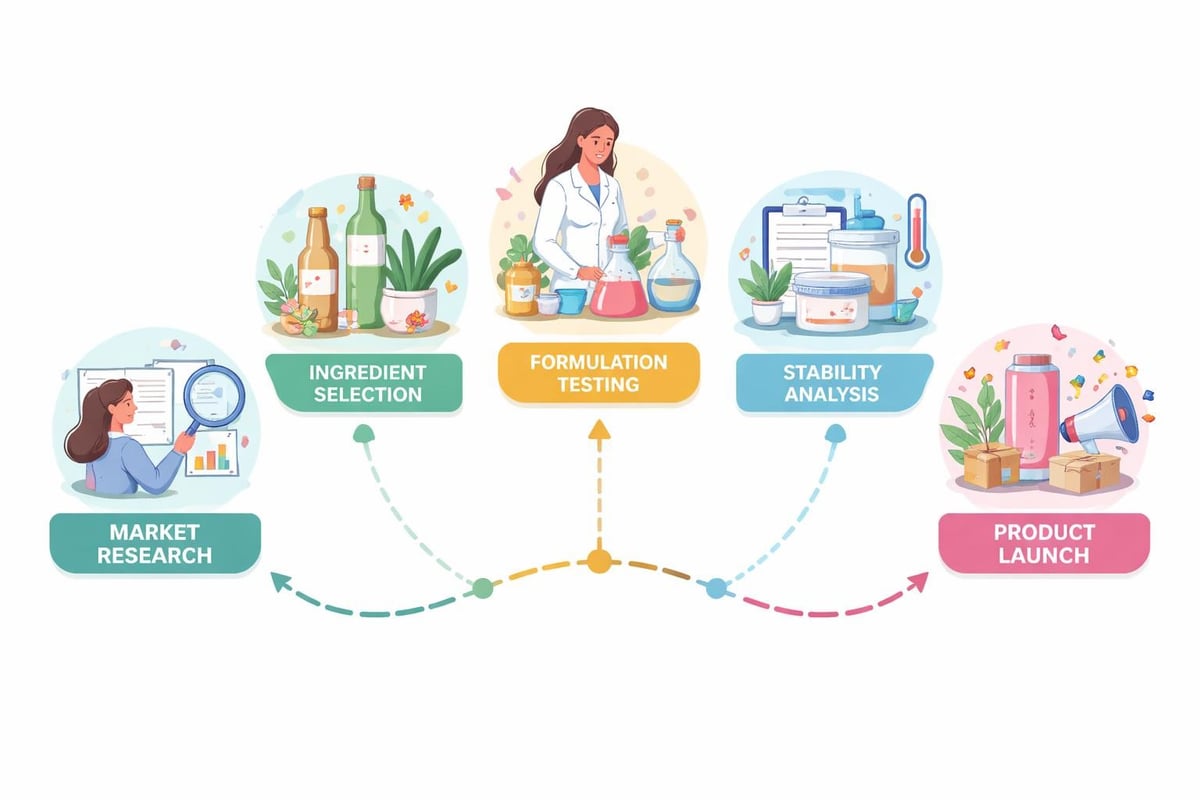
Working with specialized formulation partners allows brands to develop eco-friendly cosmetic brands that align with sustainability values while maintaining high performance standards. The formulation process involves extensive testing, stability analysis, and refinement to ensure cosmetics products deliver consistent results across various conditions and skin types.
Custom formulations enable brands to address specific market gaps. Whether developing products for sensitive skin, targeting particular age demographics, or incorporating trending ingredients like peptides or ceramides, custom approaches provide the flexibility needed for competitive positioning.
The Science Behind Effective Formulations
Professional cosmetics products rely on sophisticated chemistry balancing active ingredients, delivery systems, preservation, and sensory experience. Understanding personal care ingredients requires expertise in biochemistry, dermatology, and material science.
Key formulation considerations include:
- Active ingredient concentration for clinical efficacy
- pH optimization ensuring skin compatibility
- Stability testing across temperature and time
- Texture and aesthetics influencing user experience
- Preservation systems maintaining product safety
Building Your Cosmetics Products Line
Launching a successful cosmetics products brand requires strategic planning beyond formulation development. Brand positioning, target market identification, and product portfolio construction determine market reception and long-term viability.
Product Development Strategy
Creating coherent cosmetics products collections involves understanding customer needs at different price points and use occasions. Many successful brands start with core products addressing primary consumer concerns before expanding into complementary offerings.
Starting a new skincare brand demands careful consideration of market entry strategy. Brands must decide whether to launch with single hero products or complete regimens, balancing development costs against market impact.
Essential steps in product line development:
- Conduct thorough market research identifying unmet needs
- Define clear brand positioning and unique value proposition
- Select product categories aligning with brand identity
- Develop formulations addressing specific customer problems
- Create packaging reflecting brand values and functionality
- Plan phased launches building momentum over time
The top skincare trends for 2026 reveal consumer interest in innovative delivery systems and novel ingredients, providing opportunities for brands developing cutting-edge cosmetics products.
Ingredient Selection and Sourcing
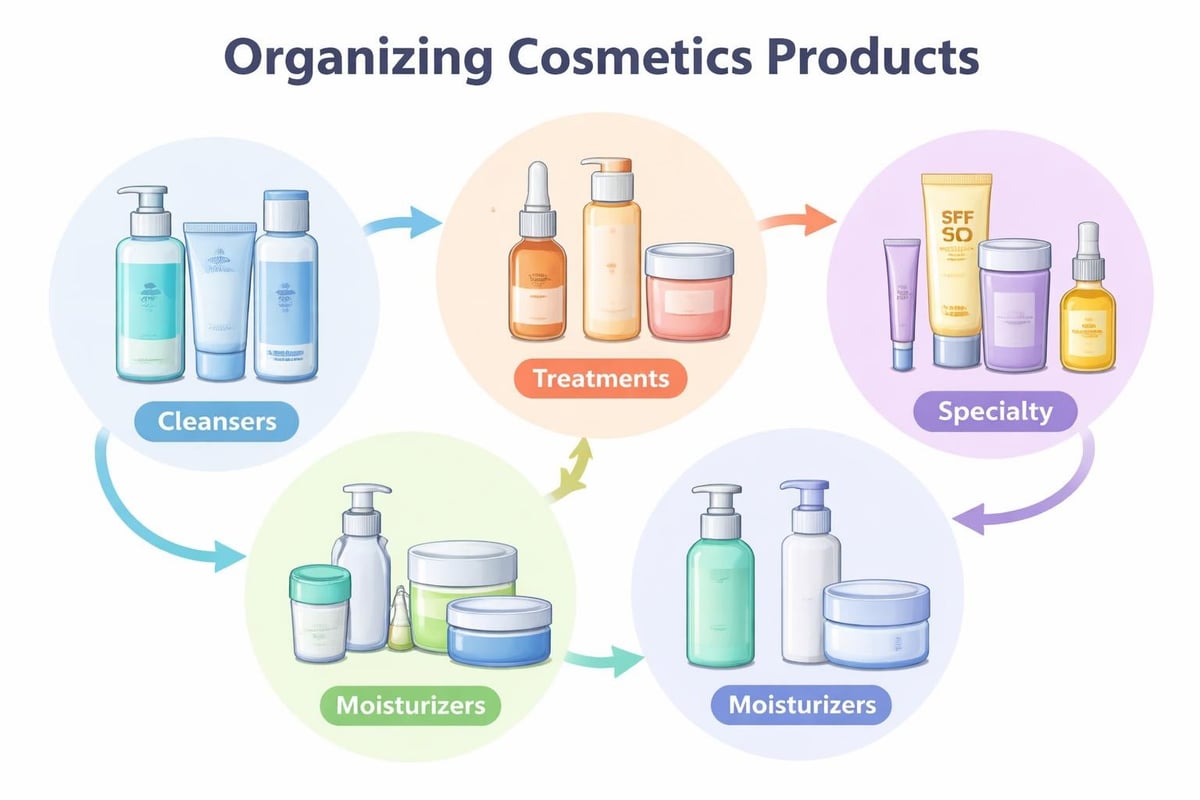
The ingredients chosen for cosmetics products fundamentally determine product performance, safety, and market positioning. Modern consumers increasingly scrutinize ingredient lists, seeking transparency about what they apply to their skin.
Sustainable and Ethical Ingredient Choices
Sourcing decisions impact brand reputation and environmental footprint. Responsible cosmetics products prioritize:
- Renewable botanical extracts replacing synthetic alternatives
- Fair trade partnerships supporting ethical supply chains
- Biodegradable ingredients minimizing environmental persistence
- Locally sourced materials reducing transportation emissions
- Conflict-free minerals ensuring ethical mining practices
Understanding beauty INCI terminology helps brands communicate ingredient benefits effectively while maintaining regulatory compliance. The International Nomenclature of Cosmetic Ingredients (INCI) system provides standardized naming, enabling consumers to make informed choices.
Performance Ingredients Driving Innovation
Advanced cosmetics products incorporate scientifically validated ingredients delivering measurable results:
| Ingredient Category | Benefits | Product Applications |
|---|---|---|
| Peptides | Collagen stimulation, anti-aging | Serums, eye creams |
| Hyaluronic Acid | Hydration, plumping | Moisturizers, masks |
| Niacinamide | Barrier function, tone evening | Treatments, foundations |
| Retinoids | Cell turnover, texture refinement | Night creams, targeted treatments |
| Antioxidants | Free radical protection | Day creams, sunscreens |
Formulation expertise ensures these active ingredients remain stable and bioavailable within product matrices. Professional development of personal care products requires balancing multiple ingredients while maintaining overall formula stability and sensory appeal.
Manufacturing and Quality Assurance
Transitioning from formulation to commercial production presents critical challenges for cosmetics products brands. Manufacturing partnerships, quality control systems, and regulatory compliance determine whether products can scale successfully while maintaining consistent quality.
Selecting Manufacturing Partners
Choosing the right production facility impacts product quality, cost structure, and market timing. Brands must evaluate potential manufacturers based on:
- Production capabilities matching formula complexity
- Minimum order quantities aligning with business scale
- Quality certifications ensuring regulatory compliance
- Equipment specifications suitable for product types
- Geographic location affecting logistics and costs
Many entrepreneurs benefit from working with partners offering both formulation development and manufacturing capabilities, streamlining the transition from concept to finished cosmetics products.
Quality Control and Testing Protocols
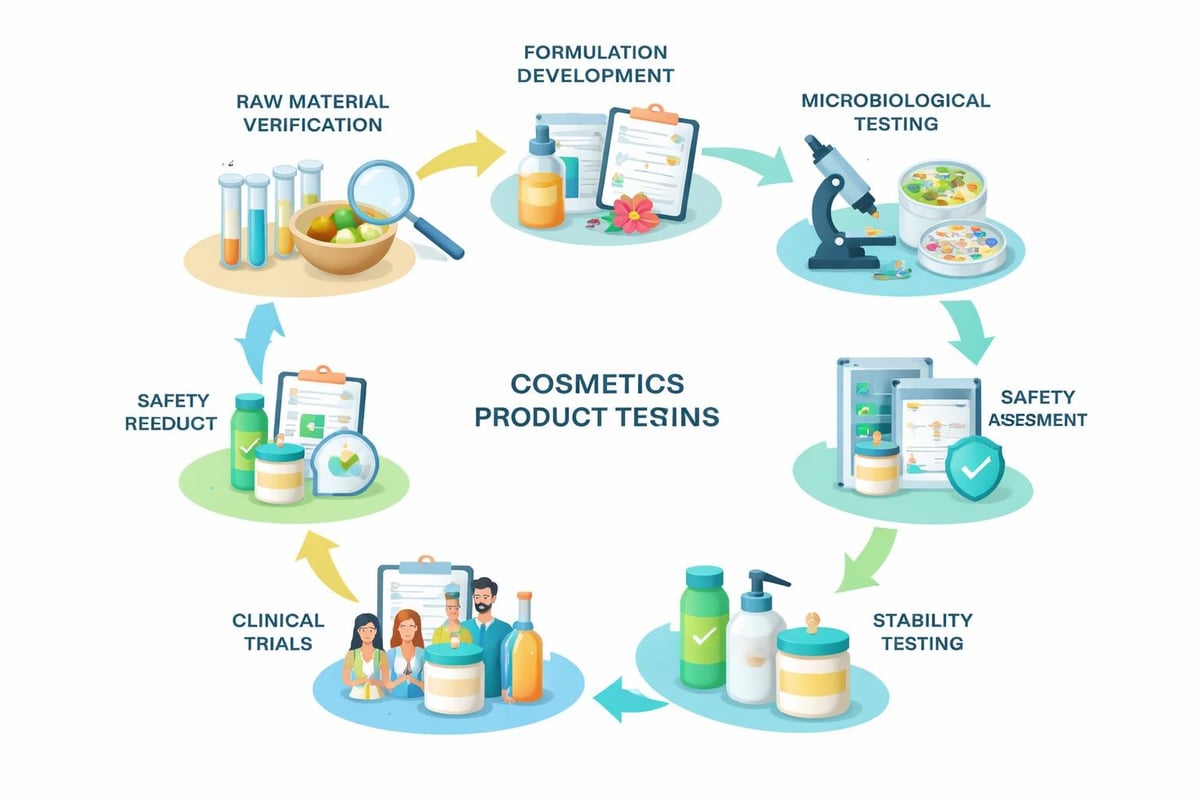
Professional cosmetics products undergo rigorous testing ensuring safety, efficacy, and stability:
- Microbiological testing confirming preservation efficacy
- Stability studies evaluating shelf life under various conditions
- Safety assessments identifying potential irritants or allergens
- Performance testing validating marketing claims
- Packaging compatibility ensuring formula-package interactions
These quality assurance measures protect both brand reputation and consumer safety. Investing in comprehensive testing prevents costly recalls and builds consumer trust in cosmetics products.
Regulatory Compliance and Safety Standards
Cosmetics products face complex regulatory requirements varying by market. Understanding compliance obligations prevents delays, fines, and market access restrictions. Different regions maintain distinct regulatory frameworks governing ingredient approval, labeling requirements, and safety documentation.
Global Regulatory Frameworks
Key regulatory considerations by region:
- United States (FDA): Generally recognized as safe (GRAS) ingredients, labeling requirements, good manufacturing practices
- European Union: Cosmetics Regulation (EC) No 1223/2009, banned substance lists, product information files
- China: Registration requirements, animal testing considerations for imported products
- Canada: Cosmetic Notification Form, ingredient restrictions, labeling in both official languages
Brands planning international distribution of cosmetics products must navigate these varied requirements, often reformulating or relabeling products for different markets. Professional formulation partners understand regional restrictions and can develop compliant products from initial development stages.
Safety Documentation and Claims Substantiation
Marketing cosmetics products requires careful attention to permissible claims. Regulatory bodies scrutinize product claims, requiring substantiation for specific assertions about efficacy or performance. Brands must maintain documentation supporting any claims made in marketing materials, packaging, or promotional content.
Packaging and Presentation
Packaging serves multiple functions for cosmetics products beyond aesthetic appeal. Container selection impacts product stability, user experience, environmental footprint, and brand positioning. The packaging development process requires balancing functional requirements with visual impact and sustainability considerations.
Functional Packaging Requirements
Effective cosmetics products packaging must address:
- Barrier properties protecting formulas from light, oxygen, and contamination
- Dispensing mechanisms enabling controlled, hygienic product use
- Material compatibility preventing chemical interactions with formulas
- Size and format matching consumer use patterns
- Transportation durability surviving distribution without damage
Airless pumps, UV-protective glass, and recyclable materials represent popular packaging choices for premium cosmetics products. Packaging decisions directly influence product shelf life and consumer perception of quality.
Sustainable Packaging Innovation
Environmental concerns drive packaging innovation across the cosmetics products industry. Brands differentiate through:
| Sustainable Approach | Benefits | Considerations |
|---|---|---|
| Post-consumer recycled (PCR) materials | Reduces virgin plastic demand | May affect clarity or color |
| Refillable containers | Minimizes single-use waste | Requires consumer participation |
| Biodegradable packaging | Reduces landfill persistence | Limited barrier properties |
| Concentrated formulas | Smaller packaging requirements | May require consumer dilution |
| Minimalist design | Reduces material usage | Must maintain brand impact |
Consumers increasingly favor brands demonstrating environmental responsibility through packaging choices. Cosmetic brands that prioritize sustainable packaging often command premium pricing and stronger customer loyalty.
Marketing and Brand Positioning
Successfully launching cosmetics products requires strategic marketing that communicates value, builds trust, and differentiates from competitors. Brand positioning determines target audience, pricing strategy, distribution channels, and marketing messaging.
Defining Your Brand Identity
Clear brand identity guides all marketing decisions for cosmetics products. Strong brands articulate:
- Core values resonating with target consumers
- Unique benefits distinguishing from alternatives
- Visual identity creating immediate recognition
- Brand voice connecting authentically with audiences
- Origin story building emotional connections
Authentic brand storytelling creates deeper customer relationships than generic product promotion. Consumers increasingly support brands whose values align with their own, making genuine brand identity essential for long-term success in cosmetics products markets.
Digital Marketing Strategies
Modern cosmetics products brands leverage digital channels for cost-effective customer acquisition:
- Content marketing educating consumers about ingredients and benefits
- Social media engagement building communities around brand values
- Influencer partnerships reaching targeted audiences through trusted voices
- Email marketing nurturing customer relationships and encouraging repeat purchases
- Search optimization capturing consumers actively researching solutions
Educational content about new innovations in cosmetics positions brands as industry thought leaders while attracting consumers seeking informed purchasing decisions.
Pricing Strategy and Market Positioning
Pricing cosmetics products requires understanding production costs, competitive positioning, and perceived value. Price points communicate quality signals to consumers while determining profit margins and business sustainability.
Cost Structure Analysis
Developing profitable cosmetics products demands comprehensive understanding of total costs:
- Formulation development including testing and refinement
- Raw material costs varying with ingredient quality and sourcing
- Manufacturing expenses covering production and labor
- Packaging materials from containers to shipping boxes
- Marketing and distribution reaching target consumers
- Regulatory compliance including safety testing and documentation
Many entrepreneurs underestimate total costs when pricing cosmetics products, leading to unsustainable business models. Professional formulation partners help optimize costs while maintaining quality standards.
Premium vs. Mass Market Positioning
Price positioning influences all aspects of cosmetics products strategy:
Premium positioning advantages:
- Higher profit margins per unit
- Enhanced perceived quality and efficacy
- Flexibility for superior ingredient selection
- Brand prestige and aspirational appeal
Mass market positioning advantages:
- Larger addressable market
- Higher volume sales potential
- Broader distribution opportunities
- Lower marketing costs per acquisition
Neither approach guarantees success. Cosmetics products brands must align pricing with target customer expectations, brand positioning, and competitive differentiation.
Building Strategic Partnerships
Successful cosmetics products brands recognize the value of strategic partnerships accelerating growth and improving capabilities. Collaboration with specialized partners provides access to expertise, resources, and networks that individual brands cannot efficiently develop internally.
Formulation Partnership Benefits
Working with experienced formulation laboratories offers multiple advantages for cosmetics products development. These partnerships provide access to ingredient libraries, testing equipment, regulatory expertise, and industry connections that reduce time-to-market and development risks.
Professional formulators understand ingredient interactions, stability challenges, and regulatory requirements across different markets. This expertise prevents costly reformulation cycles and ensures cosmetics products meet quality standards from initial development.
The INCI Lab exemplifies comprehensive formulation partnerships, offering services from concept development through production support, enabling brands to focus on marketing and customer relationships while ensuring product excellence.
Future Trends Shaping Cosmetics Products
The cosmetics products industry continues evolving rapidly, driven by technological innovation, changing consumer values, and scientific advances. Brands planning for long-term success must anticipate emerging trends and position products accordingly.
Technology Integration
Advanced technologies increasingly influence cosmetics products development and consumer experience:
- Artificial intelligence personalizing product recommendations
- Biotechnology creating sustainable ingredient alternatives
- Microbiome science developing skin-compatible formulations
- Smart packaging tracking usage and providing application guidance
- Virtual try-on reducing purchase hesitation for color cosmetics
These innovations create opportunities for differentiation while requiring ongoing investment in research and development.
Personalization and Customization
Consumer demand for personalized cosmetics products continues growing. Brands offering customization options capture premium pricing while building stronger customer loyalty. Personalization ranges from custom shade matching to formulations adapted for individual skin concerns, genetic profiles, or environmental conditions.
Technology enables scalable personalization previously impossible with traditional manufacturing approaches. Brands incorporating customization elements differentiate from mass-produced alternatives while commanding higher margins.
The cosmetics products industry offers tremendous opportunities for brands that prioritize quality formulation, sustainable practices, and authentic customer relationships. Success requires strategic planning across formulation, manufacturing, regulatory compliance, and marketing, with each element contributing to overall brand strength. Whether you're an entrepreneur launching your first product line or an established brand seeking to innovate, partnering with experienced formulation specialists transforms vision into market-ready reality. The INCI Lab provides comprehensive support from concept through production, ensuring your cosmetics products deliver exceptional performance while reflecting your brand values and meeting the highest industry standards.