

The beauty industry relies on skilled professionals who combine scientific expertise with creativity to develop the products we use daily. When you examine the ingredient list on your favorite serum or moisturizer, you're seeing the work of cosmetic chemists who spent countless hours perfecting that formula. Understanding what does a cosmetic chemist actually do reveals the intricate science behind every cream, cleanser, and color cosmetic that reaches consumers. These professionals serve as the essential bridge between raw ingredients and finished products, ensuring both efficacy and safety.
The Foundation of Cosmetic Chemistry
Cosmetic chemists are specialized scientists who formulate, develop, and test beauty and personal care products. Their work encompasses everything from skincare and haircare to color cosmetics and fragrances. The role of a cosmetic chemist extends far beyond simply mixing ingredients together in a laboratory setting.
These professionals must possess deep knowledge of chemistry, biology, and materials science. They understand how different compounds interact at molecular levels, how ingredients penetrate skin barriers, and how formulations maintain stability over time. This expertise allows them to create products that deliver specific benefits while remaining safe for consumer use.
Educational Background and Training
Most cosmetic chemists hold bachelor's degrees in chemistry, biochemistry, or chemical engineering. Many pursue advanced degrees to specialize in cosmetic science or formulation chemistry. The educational journey provides fundamental knowledge about:
- Organic and inorganic chemistry principles
- Analytical chemistry and testing methodologies
- Microbiology and preservation systems
- Physical chemistry and emulsion science
- Regulatory compliance and safety standards
Beyond formal education, successful cosmetic chemists continuously update their knowledge through professional development. They attend industry conferences, participate in workshops, and stay current with emerging ingredients and technologies.
Daily Responsibilities and Core Functions
What does a cosmetic chemist actually do on a typical workday? The answer varies depending on their specific role, but several core responsibilities remain consistent across the profession. Cosmetic chemist duties include both creative formulation work and meticulous analytical testing.
Product Development and Formulation
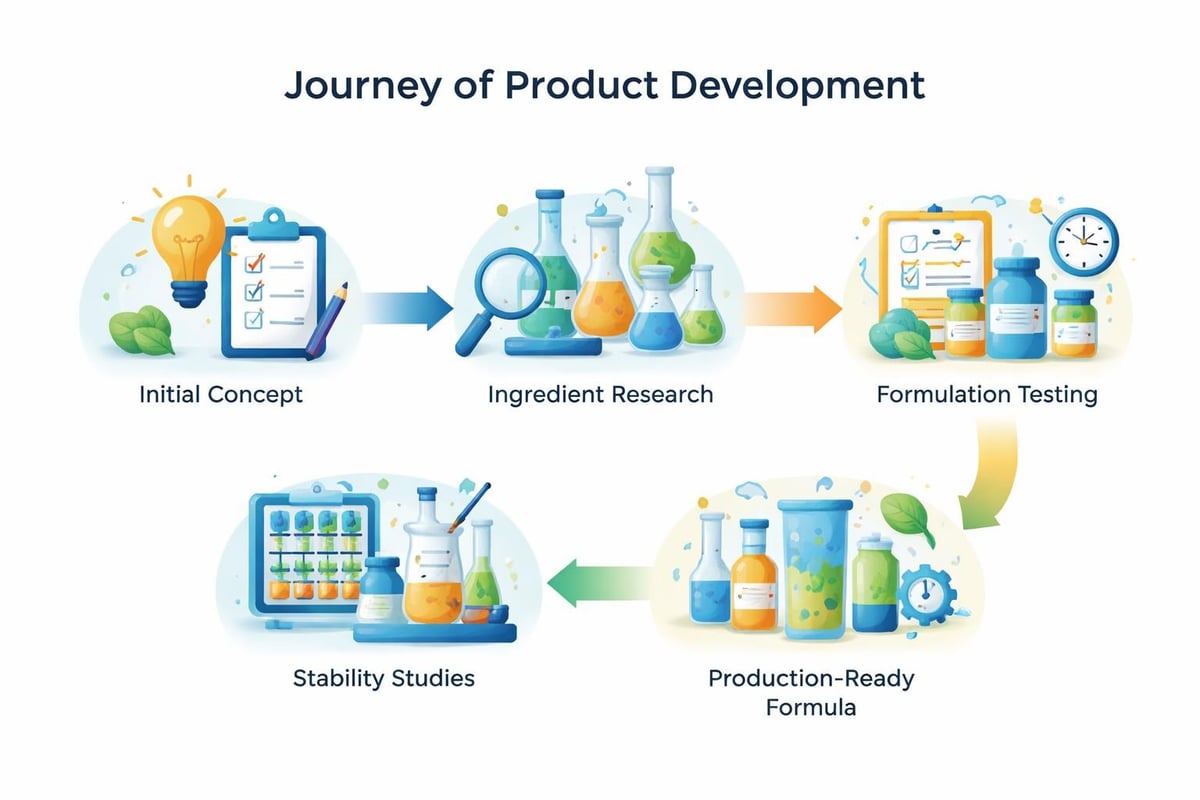
Creating new cosmetic formulations represents the most visible aspect of a cosmetic chemist's work. This process involves:
- Market Research - Identifying consumer needs and trending ingredients
- Ingredient Selection - Choosing compatible raw materials that deliver desired benefits
- Formula Design - Developing initial prototypes with specific performance targets
- Testing Iterations - Refining formulas through multiple rounds of adjustment
- Scaling - Adapting laboratory formulas for commercial production
When developing a new anti-aging serum, for example, a cosmetic chemist considers texture, absorption rate, active ingredient concentration, and long-term stability. They balance performance with sensory appeal, ensuring the product feels luxurious while delivering measurable results.
At The INCI Lab, chemists work closely with entrepreneurs and established brands to create custom formulations that align with specific brand visions. This collaborative approach ensures quality formulations that meet both performance and market demands.
Quality Control and Testing
Ensuring product safety and efficacy requires rigorous testing protocols. Cosmetic chemists conduct various evaluations:
| Test Type | Purpose | Frequency |
|---|---|---|
| Stability Testing | Assess shelf life under various conditions | Every batch |
| Microbial Testing | Ensure preservation system effectiveness | Pre-production and periodic |
| pH Testing | Verify skin compatibility | Every formulation |
| Viscosity Testing | Confirm texture consistency | Production monitoring |
| Compatibility Testing | Check packaging interactions | New product launches |
These tests prevent formulation failures, contamination issues, and customer dissatisfaction. The role of cosmetic chemists in product safety cannot be overstated, as they protect both brand reputation and consumer wellbeing.
Regulatory Compliance and Documentation
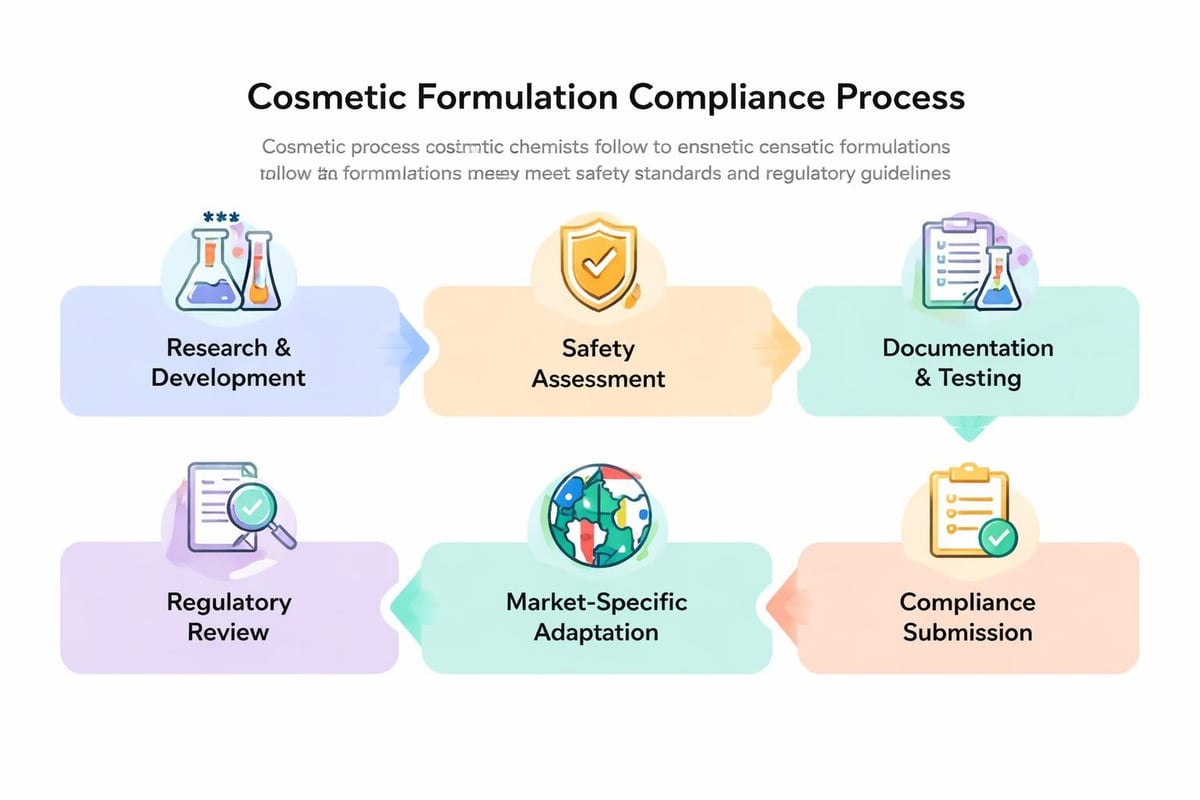
Understanding what does a cosmetic chemist actually do requires recognizing their critical role in regulatory compliance. Every country maintains specific regulations governing cosmetic products, and chemists must ensure formulations meet these requirements.
Navigating Global Regulations
Cosmetic chemists stay informed about regulations across multiple markets:
- FDA requirements in the United States
- EU Cosmetics Regulation standards
- Health Canada guidelines
- ASEAN Cosmetic Directive compliance
- China NMPA registration requirements
They document every ingredient, its purpose, and concentration levels. This documentation proves essential during regulatory reviews and safety assessments. Chemists also ensure proper labeling, including comprehensive ingredient lists using INCI nomenclature.
Safety Assessments and Data Management
Before any product reaches consumers, cosmetic chemists compile extensive safety data. They prepare:
- Product Information Files (PIFs)
- Safety Data Sheets (SDS)
- Stability study reports
- Clinical test results
- Toxicological assessments
This documentation demonstrates that formulations have undergone thorough evaluation. The regulatory knowledge required extends to understanding prohibited substances, concentration limits, and labeling requirements.
Innovation and Research Activities
Beyond maintaining existing product lines, cosmetic chemists drive innovation within the beauty industry. They research emerging ingredients, evaluate new technologies, and develop groundbreaking formulations.
Exploring Novel Ingredients
Cosmetic chemists continually assess new raw materials for potential applications. This might involve investigating botanical extracts like luffa extract for unique skincare benefits, or evaluating synthetic compounds for improved performance.
The research process includes:
- Literature reviews of scientific studies
- Raw material supplier consultations
- Small-scale laboratory trials
- Efficacy testing protocols
- Consumer perception studies
Chemists working with eco-friendly cosmetic brands prioritize sustainable and natural ingredients while maintaining product performance standards. This balance requires extensive knowledge of green chemistry principles and biodegradable formulation components.
Technology Integration
Modern cosmetic chemistry incorporates advanced technologies. Chemists utilize sophisticated equipment for analysis and development:
- High-performance liquid chromatography (HPLC)
- Mass spectrometry for ingredient verification
- Rheometers for texture analysis
- Particle size analyzers
- Thermal analysis equipment
These tools enable precise formulation control and quality assurance. Understanding what does a cosmetic chemist actually do means recognizing their technical proficiency with both traditional chemistry methods and cutting-edge analytical instruments.
Collaboration Across Departments
Cosmetic chemists rarely work in isolation. Their role requires constant collaboration with multiple departments and stakeholders.
Cross-Functional Teamwork
Successful product development depends on effective communication between:
Marketing Teams - Chemists translate marketing concepts into feasible formulations. When marketing requests a "lightweight, fast-absorbing vitamin C serum," chemists determine which ingredients and delivery systems achieve those characteristics.
Production Staff - Chemists provide detailed manufacturing instructions, including mixing speeds, temperatures, and order of addition. They troubleshoot production challenges and adapt formulas for large-scale manufacturing.
Quality Assurance - Working with QA teams, chemists establish testing protocols and acceptance criteria. They investigate any quality issues and implement corrective actions.
Regulatory Affairs - Chemists supply technical information needed for product registrations and safety assessments across different markets.
This collaborative approach ensures products move smoothly from concept to consumer. Small cosmetic brands particularly benefit from chemists who understand multiple business functions.
Specialized Areas of Expertise
What does a cosmetic chemist actually do varies significantly based on their specialization. The cosmetic chemistry field offers numerous paths for focused expertise.
Color Cosmetics Formulation
Chemists specializing in color cosmetics face unique challenges. They must create formulations that provide:
- Consistent color payoff across production batches
- Long-wearing performance
- Comfortable application and wear
- Photostability to prevent color shifts
- Skin-compatible ingredients
These products require expertise in pigment dispersion, binder selection, and texture optimization. A lipstick chemist considers everything from color intensity to melting point and transfer resistance.
Skincare and Anti-Aging Products
Skincare formulation demands understanding of dermatology and skin biology. Chemists develop products addressing specific concerns:
- Hydration and moisture retention
- Anti-aging and wrinkle reduction
- Brightening and tone correction
- Acne treatment and oil control
- Sensitive skin and barrier repair
They select active ingredients backed by clinical research and design delivery systems that maximize efficacy. The career opportunities in skincare formulation continue expanding as consumers prioritize evidence-based products.
Natural and Organic Formulation
Creating natural formulations presents distinct challenges. Chemists must:
- Source ingredients meeting organic certification standards
- Develop effective preservation without synthetic preservatives
- Ensure stability using plant-based emulsifiers
- Maintain efficacy with naturally-derived actives
- Balance performance with clean beauty expectations
This specialization requires deep knowledge of botanical ingredients, natural preservation systems, and sustainable sourcing practices.
Problem-Solving and Troubleshooting
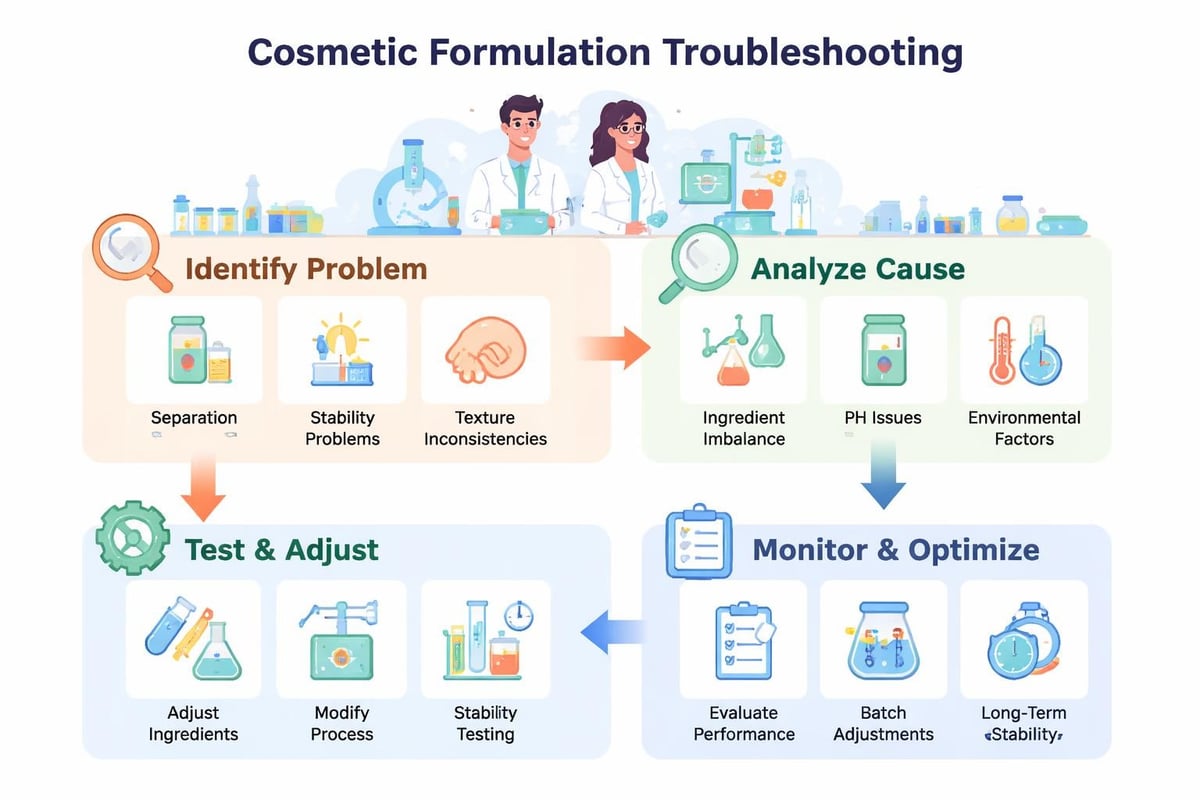
A significant portion of what does a cosmetic chemist actually do involves solving formulation challenges. Products may separate, change color, develop off-odors, or fail stability testing.
Common Formulation Issues
| Challenge | Potential Causes | Solutions |
|---|---|---|
| Phase Separation | Incompatible ingredients, incorrect emulsifier | Reformulate with suitable emulsifier system |
| Color Change | Oxidation, pH shift, light exposure | Add antioxidants, adjust pH, use opaque packaging |
| Microbial Growth | Insufficient preservation | Strengthen preservative system, lower pH |
| Texture Changes | Temperature fluctuations, ingredient interactions | Modify stabilizers, adjust processing parameters |
Experienced chemists approach problems systematically. They analyze the formulation, review processing conditions, and conduct controlled experiments to identify root causes. This investigative work requires patience, analytical thinking, and thorough documentation.
Career Growth and Advancement
The cosmetic chemist profession offers diverse advancement opportunities. Entry-level chemists typically begin with formulation assistance and testing responsibilities. As they gain experience, they progress to:
- Senior Formulation Chemist - Leading product development projects
- Principal Scientist - Overseeing multiple formulation teams
- Research and Development Manager - Managing innovation initiatives
- Technical Director - Setting scientific strategy for product lines
- Chief Scientific Officer - Leading entire R&D departments
Some chemists transition into related fields like regulatory affairs, quality assurance, or technical sales. Others become consultants, offering specialized expertise to multiple brands. The diverse career paths available reflect the broad applications of cosmetic chemistry knowledge.
Industry Trends Shaping the Role
Understanding what does a cosmetic chemist actually do in 2026 requires recognizing current industry trends influencing daily work. Several significant shifts are transforming cosmetic chemistry:
Sustainability and Green Chemistry
Consumers increasingly demand environmentally responsible products. Chemists now prioritize:
- Biodegradable formulation ingredients
- Reduced water consumption in products
- Sustainable packaging compatibility
- Carbon-neutral manufacturing processes
- Renewable and upcycled raw materials
This focus requires chemists to evaluate the entire lifecycle of their formulations, from ingredient sourcing through product disposal.
Personalization and Customization
The rise of personalized beauty creates new opportunities for cosmetic chemists. They develop flexible formulation platforms that accommodate:
- Individual skin type variations
- Specific concern targeting
- Climate and environmental factors
- Personal preference customization
- Microbiome-friendly approaches
Technology enables chemists to create modular formulations where base products accept various active ingredients based on individual needs.
Clean Beauty and Transparency
Modern consumers scrutinize ingredient lists more carefully than ever. Chemists respond by:
- Formulating with recognizable ingredients
- Avoiding controversial compounds
- Providing clear ingredient education
- Demonstrating safety through transparency
- Using ingredients with established safety profiles
Why skilled cosmetic chemists are essential becomes clear when brands commit to clean beauty standards while maintaining performance expectations.
The Business Impact of Cosmetic Chemistry
Beyond laboratory work, cosmetic chemists significantly impact business success. Their decisions affect:
Product Cost - Ingredient selection directly influences manufacturing costs and profit margins. Chemists balance premium ingredients with budget constraints.
Time to Market - Efficient formulation development accelerates product launches. Experienced chemists reduce iteration cycles through informed ingredient choices.
Brand Differentiation - Unique formulations create competitive advantages. Chemists develop proprietary technologies that distinguish brands in crowded markets.
Customer Satisfaction - Well-formulated products generate positive reviews and repeat purchases. Poor formulations damage brand reputation and customer trust.
Regulatory Compliance - Proper formulation documentation prevents costly regulatory delays or product recalls.
Companies investing in skilled cosmetic chemists gain strategic advantages. These professionals transform brand visions into tangible products that resonate with consumers while meeting safety and regulatory standards.
Essential Skills Beyond Chemistry
What does a cosmetic chemist actually do extends beyond pure scientific knowledge. Success requires diverse competencies:
- Communication Skills - Explaining complex chemistry to non-technical stakeholders
- Project Management - Coordinating timelines, resources, and deliverables
- Creative Thinking - Innovating solutions to formulation challenges
- Attention to Detail - Maintaining precise records and following protocols
- Business Acumen - Understanding market dynamics and cost considerations
- Adaptability - Responding to changing regulations and consumer preferences
These soft skills complement technical expertise, enabling chemists to contribute meaningfully across organizations. The essential skills overview highlights both scientific and interpersonal competencies.
Working with Contract Formulators
Many brands partner with specialized formulation laboratories rather than maintaining in-house chemists. This model offers several advantages:
- Access to experienced chemists without full-time hiring costs
- Exposure to diverse ingredient suppliers and technologies
- Faster development through established processes
- Reduced investment in laboratory equipment
- Flexibility to scale projects based on needs
Contract formulators like The INCI Lab bring years of specialized expertise to each project. They offer comprehensive formulation services that guide brands from initial concept through production-ready formulas.
Understanding what does a cosmetic chemist actually do helps brands appreciate the value these partnerships provide. Expert chemists navigate complex formulation challenges, ensure regulatory compliance, and deliver high-performance products that support brand growth.
Cosmetic chemists serve as the scientific foundation of the beauty industry, transforming innovative concepts into safe, effective products that consumers trust. Their multifaceted role combines rigorous scientific methodology with creative problem-solving and business awareness. Whether you're launching a new beauty brand or expanding an existing line, partnering with experienced formulation chemists proves essential for success. The INCI Lab brings award-winning expertise in custom formulation development, offering entrepreneurs and established brands the technical knowledge, sustainable practices, and comprehensive support needed to create exceptional cosmetic products that stand out in competitive markets.