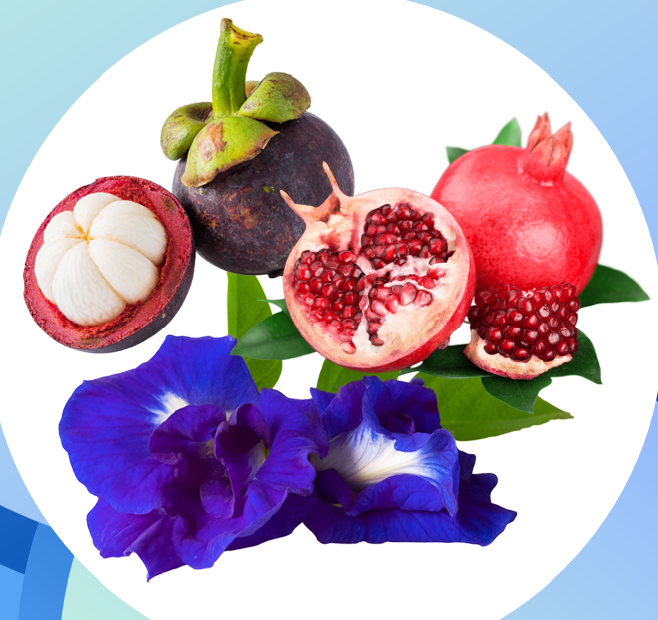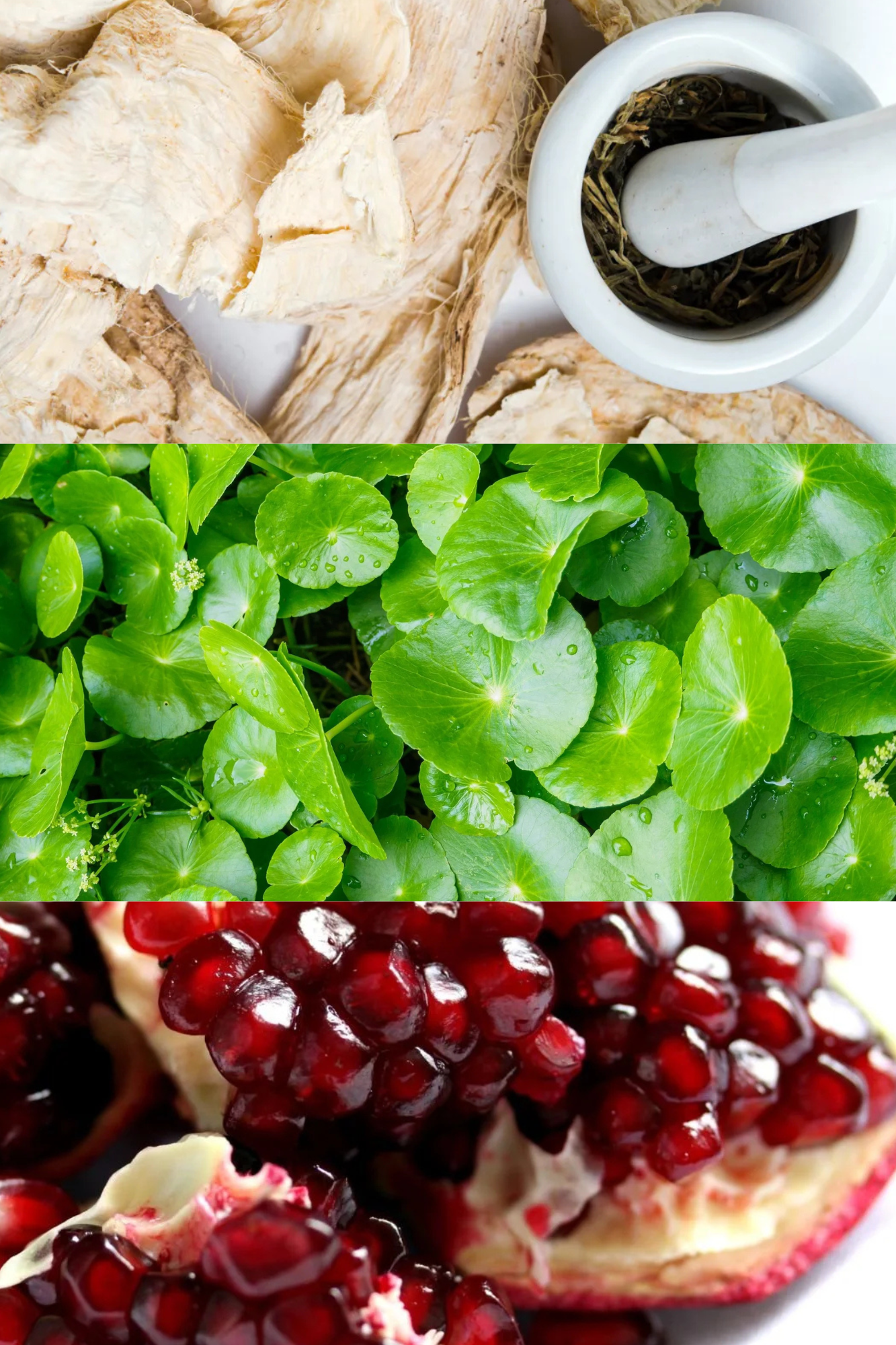

NaturTheory Brightening is a botanical extract complex developed by Specialty Natural Products Public Company Limited (Thailand). According to the certification listings, the INCI includes Butylene Glycol (and) Broussonetia papyrifera Bark Extract (and) Limonia acidissima Extract (and) Nephelium longana Seed Extract. In other words, it is a synergetic blend of three plant-derived extracts (bark of paper mulberry (Broussonetia papyrifera), fruit extract of Limonia acidissima, and seed extract of longan (Nephelium longana)) delivered in a butylene glycol vehicle.
This unique botanical trifecta combines Paper Mulberry (Broussonetia papyrifera), Wood Apple (Limonia acidissima), and Longan Seed (Nephelium longana). Together, they form a high-performance complex designed to brighten the skin, control oil, and provide a "scaffolding" effect to prevent sagging and environmental aging.
What it does
NaturTheory Brightening is designed to help even out skin-tone, reduce the appearance of dark spots and dullness, and restore a brighter, more luminous complexion. It helps target hyper-pigmentation (such as post-inflammatory spots, sun-spots or general unevenness) while also delivering hydration and supporting the skin’s barrier. The concept is to deliver both corrective “brightening” benefits and supportive skincare benefits in one botanical-inspired complex.
How it works
At its core, the complex works through multiple complementary mechanisms: inhibiting melanin formation (so fewer “pigment” signals reach the skin surface), enhancing exfoliation of pigmented cells (so the tone appears more even), and providing antioxidant/soothing support (to calm inflammation which drives pigment). It also delivers humectant/emollient support to keep skin hydrated so the brightening actives work in an optimal environment. Combined, these actions reduce visible unevenness, lighten existing marks and help prevent new pigmentation from forming.
Sensory & suitability
In terms of feel, a brightening serum or complex like this typically has a light to medium texture — often a fluid or light cream — designed for daytime or treatment-use. Because it includes hydrating humectants and soothing botanicals, it’s suitable for a wide range of skin types, including those with dull or pigmented skin, mild sun damage or uneven tone. That said, as with all brightening actives, it’s best for skin that is closed (i.e., not raw or peeling) and has basic barrier integrity. For extremely sensitive or compromised skin, patch testing is advisable.
Why This Specific Blend Works
This combination is often found in advanced Asian beauty formulations and "city-shield" serums. It targets three major skin concerns simultaneously:
- Refining: Tightening pores and controlling the bacteria that lead to acne.
- Brightening: Reducing hyperpigmentation and "yellowing" (glycation) of the skin.
- Firming: Protecting the collagen matrix from degradation.
Complementary actives & routine fit
Brightening complexes pair very well with:
-
Broad-spectrum sunscreen (mandatory) to prevent new pigmentation.
-
Gentle exfoliants (eg. PHA, low-dose AHA) used intermittently to aid cell-turnover.
-
Barrier-support actives (ceramides, niacinamide, squalane) so skin tolerates the brightening treatment.
-
Antioxidants (vitamin C, E, ferulic acid) to neutralise pigment-driving oxidative stress.
-
For routine timing: Use in the “treat” step (after cleansing/toning, before heavier moisturiser). In the morning is often preferred (since pigmentation drivers include visible light and UV). Evening use is also possible if formula is stable and barrier support is in place.
Sustainability & sourcing
While specific sourcing details for NaturTheory’s Brightening complex are not broadly published, good practice means using botanicals and actives that are ethically sourced (e.g., licorice root extract, arbutin from sustainably harvested plants) and that the manufacturing minimizes waste/energy use. For transparency, check if the brand publishes a sourcing statement or whether the actives used are certified, traceable and free of problematic solvents or heavy-metal contamination. Sustainable packaging (recyclable or refillable) also enhances the eco-profile of a brightening treatment.
On the label
When you see this ingredient complex on a product label, you might find INCI entries such as “NaturTheory Brightening Complex”, or a longer listing like “NaturTheory Brightening (Extract/Complex of …)” followed by other ingredients. Brace for standard INCI syntax such as botanical extract names, e.g., Glycyrrhiza Glabra Root Extract, Alpha-Arbutin, Tetrahexyldecyl Ascorbate, etc. The key is to look out for the term Brightening as part of the active complex, in a prominent “treatment” section of the label (instead of simply the base formula). For regulatory clarity, the product should also note suitability statements (e.g., safe brightening, pigment-control) and usage instructions (eg apply to face/neck once or twice daily).
Properties
- Inhibits tyrosinase activity
- Reducing melanin formation
- Skin whitening agent
- Anti-oxidant
INCI Name
Butylene glycol and Broussonetia papyrifera Bark Extract and Limonia acidissima Extract and Nephelium longana Seed Extract