
Step into the future of beauty as we unveil the most comprehensive guide to cosmetics and personal care products for 2026. The industry is evolving rapidly, with new trends, technologies, and consumer demands shaping every choice. In this expert-led article, you will discover what’s next, from innovative ingredients to updated regulations and sustainability breakthroughs. Get ready to make smarter decisions and stay ahead with practical tips designed for both consumers and brands.
The Cosmetics and Personal Care Market in 2026: Key Trends and Growth Drivers
The cosmetics and personal care products industry is on the verge of a transformation in 2026. Shifting consumer values, rapid digitalization, and scientific progress are rewriting the rules for brands and consumers alike. Understanding these shifts is vital for anyone navigating this dynamic market.
Market Overview and Size Projections
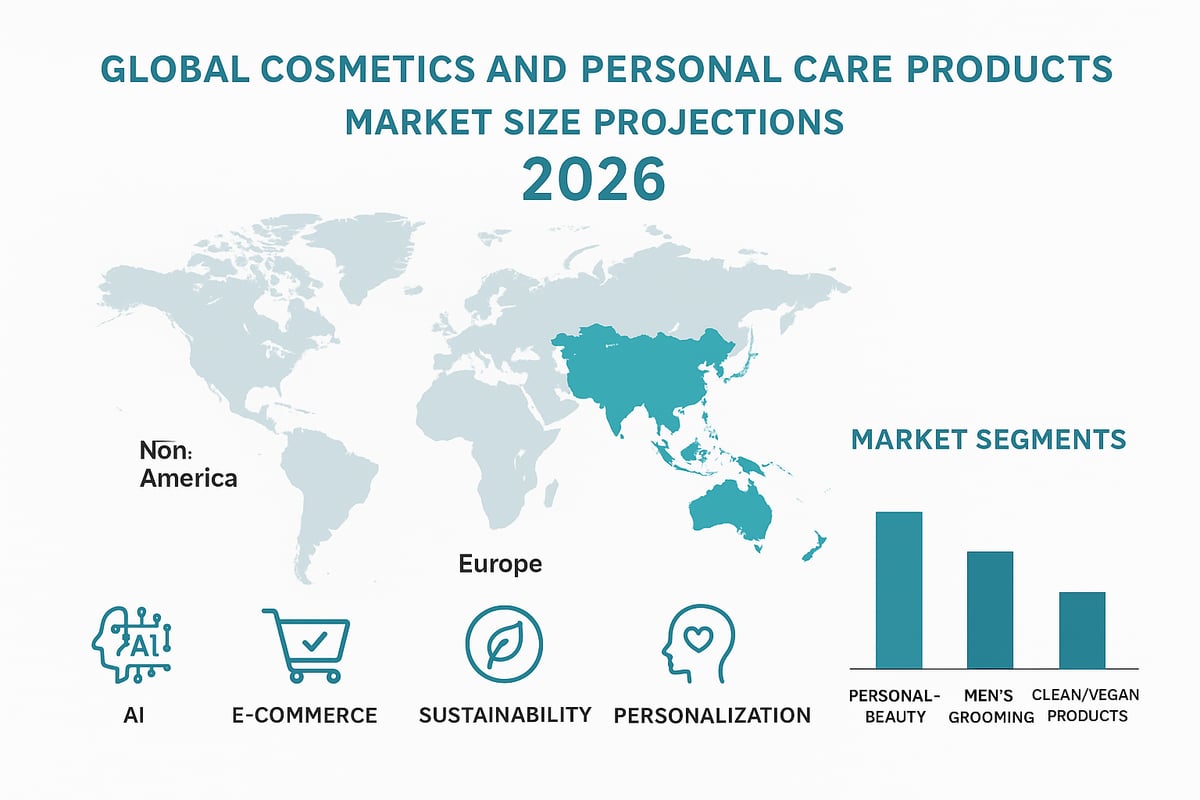
By 2026, the global cosmetics and personal care products market is projected to exceed $800 billion, fueled by rising consumer demand and innovative product launches. Growth is especially robust in Asia-Pacific, where expanding middle classes and digital adoption are driving sales. North America and Europe also remain key markets, with established brands investing in new technologies and premium experiences.
Post-pandemic shifts have left a lasting mark. Consumers now prioritize health, safety, and self-care, prompting brands to reimagine product offerings and marketing strategies. The surge in e-commerce and social selling channels continues to reshape the way cosmetics and personal care products reach consumers, making online presence indispensable. For a deeper dive into market dynamics, see Cosmetics Market Trends and Growth.
Major Trends Shaping the Industry
Personalization and technology are at the heart of 2026’s leading trends for cosmetics and personal care products. Consumers increasingly expect tailored solutions, prompting brands to invest in AI-powered product recommendations and diagnostic tools. The rise of clean, vegan, and cruelty-free formulations reflects growing ethical and environmental concerns.
Men’s grooming and gender-neutral products are rapidly gaining traction, expanding the industry’s reach. Social media, influencers, and user-generated content now play a vital role in shaping consumer choices, amplifying brand stories and authentic voices.
Key 2026 trends:
- AI-driven personalization and virtual consultations
- Clean, vegan, and cruelty-free product launches
- Inclusive and gender-neutral product lines
- Social commerce and influencer partnerships
Consumer Preferences and Purchase Drivers
Modern consumers demand more from cosmetics and personal care products than ever before. Transparency tops the list, with ingredient safety and proven efficacy becoming non-negotiable. Shoppers seek multi-functional and hybrid products that deliver visible results and simplify routines.
Sustainability is a powerful purchase driver. Data shows a growing willingness to pay more for products that are ethically sourced and environmentally responsible. Consumers are also looking for clear labeling and third-party certifications to validate product claims.
A summary of key purchase drivers:
| Driver | Impact on Market |
|---|---|
| Transparency | Builds trust, loyalty |
| Ingredient Safety | Influences repeat purchase |
| Sustainability | Increases brand value |
| Multi-functionality | Enhances convenience |
Technology and Innovation in Product Development
Technology is reshaping how cosmetics and personal care products are created and experienced. Biotechnology enables the development of advanced actives and sustainable ingredients, while new delivery systems improve product performance. Augmented reality tools allow consumers to virtually try on products, improving engagement and satisfaction.
Leading brands are leveraging these innovations to launch high-performance products and streamline the customer journey. The integration of technology with product development is no longer optional, but essential for staying competitive in 2026.
From AI-powered apps to eco-friendly formulations, the future of cosmetics and personal care products is defined by adaptability and innovation. This convergence of science, technology, and consumer insight will continue to drive growth and set new standards for the industry.
Ingredient Innovations and Formulation Science
Innovation is at the heart of the cosmetics and personal care products industry in 2026. As consumers seek more effective, safe, and sustainable solutions, brands are leveraging scientific advancements to deliver next-generation products. This section explores the cutting-edge ingredients, formulation techniques, and safety protocols redefining the market.
Emerging Ingredients and Their Benefits
The rise of biotech-derived actives is transforming cosmetics and personal care products. Lab-grown collagen and plant stem cells offer enhanced purity and efficacy, appealing to ingredient-conscious consumers. Adaptogens such as ashwagandha and reishi mushroom are now popular for their ability to help skin adapt to stress, while probiotics and microbiome-friendly components support barrier health.
Consumer interest in “free-from” and hypoallergenic claims continues to grow, with many seeking products free of parabens, sulfates, and synthetic fragrances. Brands are responding by investing in research and development, sourcing actives from sustainable and ethical origins. For detailed insights on the latest ingredient trends, explore Cosmetics Ingredients Insights.
Advances in Formulation Techniques
Formulation science is advancing rapidly, enabling cosmetics and personal care products to deliver improved performance and sustainability. Encapsulation technologies are now used to protect sensitive actives, ensuring they remain stable and potent until applied to the skin. This technique enhances ingredient delivery and maximizes results.
Waterless and solid formulations are gaining traction, reducing water usage and packaging waste. These formats offer concentrated benefits and are ideal for consumers seeking eco-friendly alternatives. Notable product launches in 2026 include high-performance serums in solid stick formats and shampoo bars with encapsulated botanicals. These innovations are setting new standards for both effectiveness and environmental responsibility.
Safety, Efficacy, and Testing Standards
As the cosmetics and personal care products landscape evolves, safety and efficacy are paramount. Brands are increasingly adopting clinically tested and dermatologist-approved claims to build trust with consumers. Regulatory bodies are updating lists of banned and restricted ingredients, especially in the EU, US, and Asia-Pacific regions.
Consumers now demand third-party certifications and full transparency about product testing. Certifications like Leaping Bunny or EWG Verified provide assurance of ethical practices and ingredient safety. Transparent labeling and clear communication of testing results help consumers make informed choices, reducing the risk of allergic reactions or irritation.
The INCI Lab: Custom Formulation Expertise for Brands
The INCI Lab stands out as a leader in developing innovative cosmetics and personal care products for 2026. Their team specializes in creating award-winning, sustainable formulations tailored to each brand’s vision. Startups and established companies benefit from small-batch, eco-friendly, and high-performance product development.
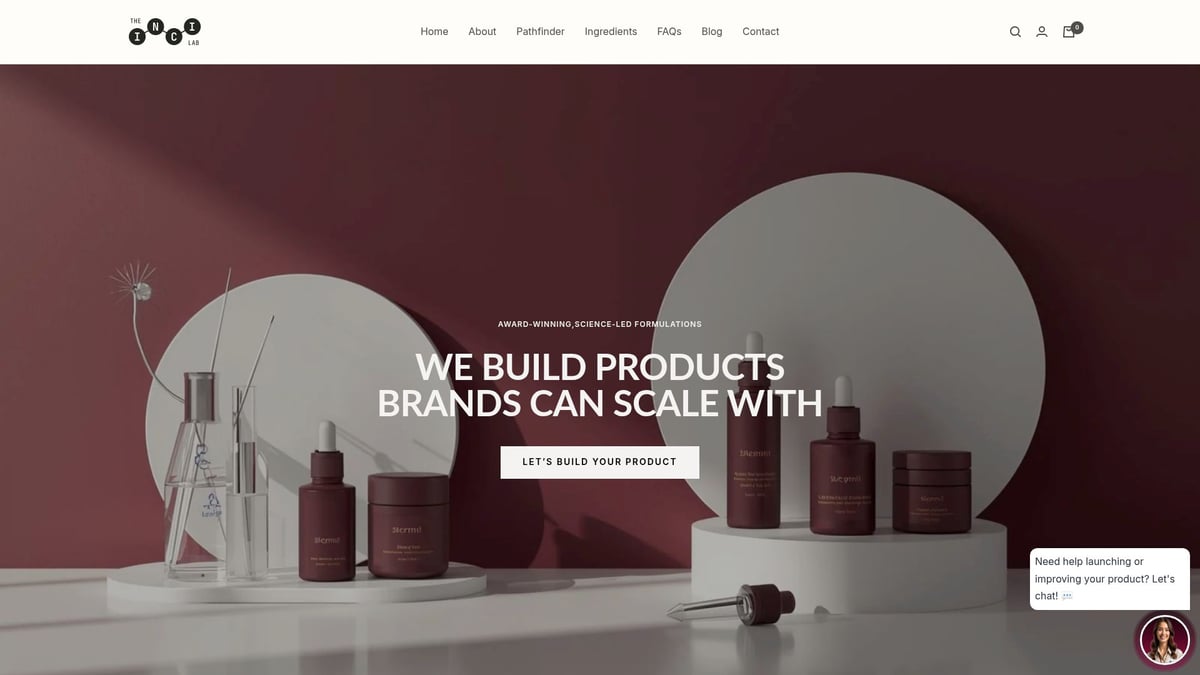
The INCI Lab offers full IP ownership and rapid development pathways, guiding clients from concept to launch. They provide end-to-end support, ensuring that each formulation meets the highest standards of safety and efficacy. With a track record of successful product launches and industry accolades, The INCI Lab helps brands differentiate themselves in a crowded, innovation-driven market.
Regulatory Landscape and Compliance in 2026
Navigating the regulatory landscape for cosmetics and personal care products in 2026 is more complex and crucial than ever. With evolving global standards and heightened consumer expectations, both brands and consumers must stay informed to ensure safety, transparency, and compliance.
Global Regulatory Updates and Key Changes
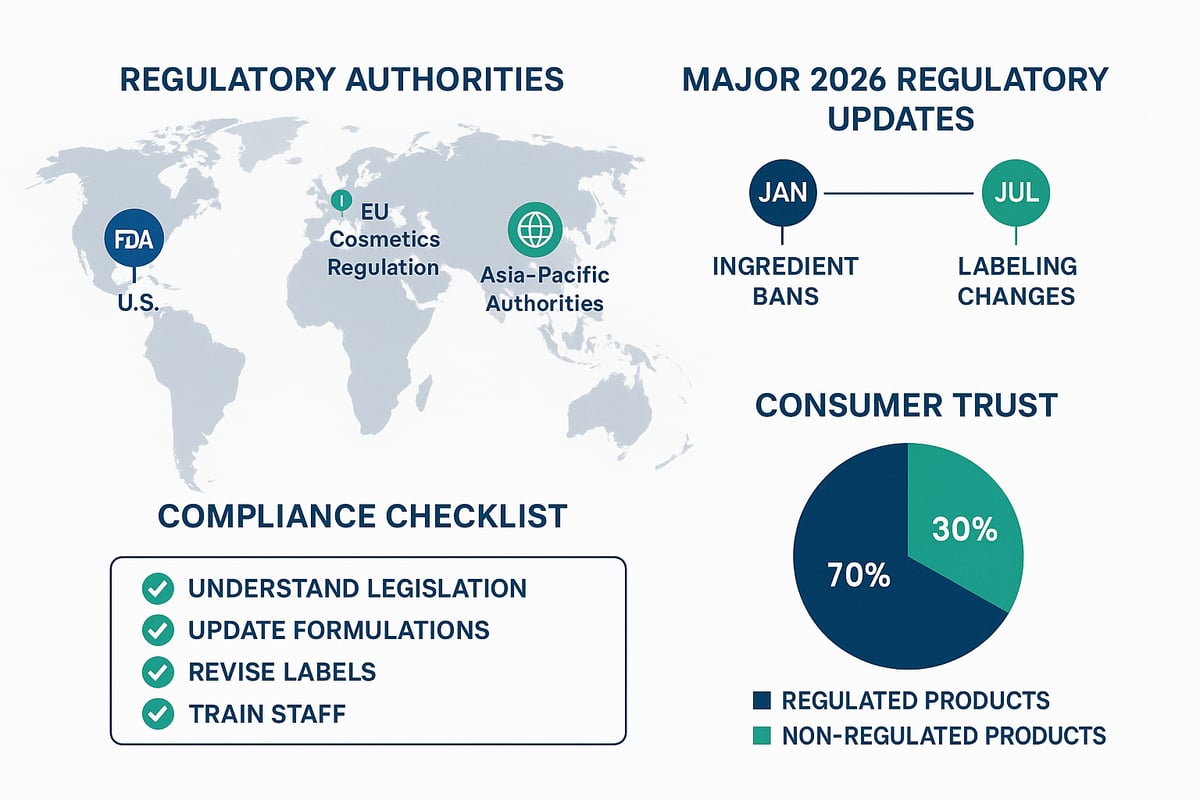
In 2026, the regulatory environment for cosmetics and personal care products is shaped by leading authorities such as the FDA in the United States, the EU Cosmetics Regulation, and key Asia-Pacific agencies. These organizations are introducing stricter ingredient restrictions, updated labeling requirements, and more rigorous safety testing protocols.
A notable trend is the harmonization of standards, making it easier for brands to launch products globally. However, regional nuances remain. For example, the EU continues to expand its list of banned substances, while the US focuses on allergen disclosure and batch traceability. Asia-Pacific regulators are prioritizing consumer safety through enhanced post-market surveillance.
Below is a comparison of major regulatory bodies and their focus areas:
| Regulatory Body | Key 2026 Updates | Focus Areas |
|---|---|---|
| FDA (US) | Allergen labeling, traceability | Ingredient safety, recall |
| EU | New banned substances, eco-labels | Sustainability, transparency |
| APAC Authorities | Post-market surveillance | Safety, rapid enforcement |
These developments directly impact cosmetics and personal care products as brands must adapt formulations and documentation to remain compliant.
Navigating Compliance for Brands and Consumers
Ensuring compliance in the cosmetics and personal care products sector requires a proactive approach from both brands and consumers. Brands must implement robust ingredient tracking, maintain up-to-date safety data, and provide clear, accessible product information.
For consumers, understanding labels is key. Look for transparent ingredient lists and clear allergen disclosures. Third-party certifications and regulatory seals are vital indicators of product safety and authenticity.
Key compliance steps include:
- Conducting regular safety assessments
- Updating packaging to meet regional labeling rules
- Verifying “free-from” and sustainability claims
Greenwashing remains a concern, so regulatory bodies have tightened enforcement against misleading marketing. Consumers are encouraged to research brands’ compliance practices and seek products backed by credible certifications. This vigilance ensures that cosmetics and personal care products meet evolving safety and ethical standards.
Impact on Product Development and Marketing
Regulation is a powerful driver of innovation in cosmetics and personal care products, influencing everything from ingredient sourcing to marketing strategies. Brands are investing in safer alternatives and advanced testing to meet new compliance thresholds.
Recent case studies highlight companies that quickly reformulated products in response to ingredient bans or labeling changes. These adaptations help maintain consumer trust and avoid costly recalls. Data shows that transparent, compliant brands experience higher customer loyalty and fewer regulatory interventions.
For a deeper understanding of how wellness trends, technology, and regulation are converging to shape the future of cosmetics and personal care products, explore this Convergence of Wellness, Tech, and Regulation in Beauty resource.
In 2026 and beyond, the regulatory landscape will continue to evolve, requiring brands and consumers to stay vigilant and adaptable.
Sustainability and Ethical Practices in Cosmetics and Personal Care
Sustainability and ethics are now central to the future of cosmetics and personal care products. With consumers demanding more responsible choices, brands must innovate to meet expectations for eco-friendly packaging, ethical sourcing, and circular business models. This section explores the leading sustainable practices shaping the industry in 2026, offering practical insights for both brands and conscious consumers.
Eco-Friendly Ingredients and Packaging Solutions
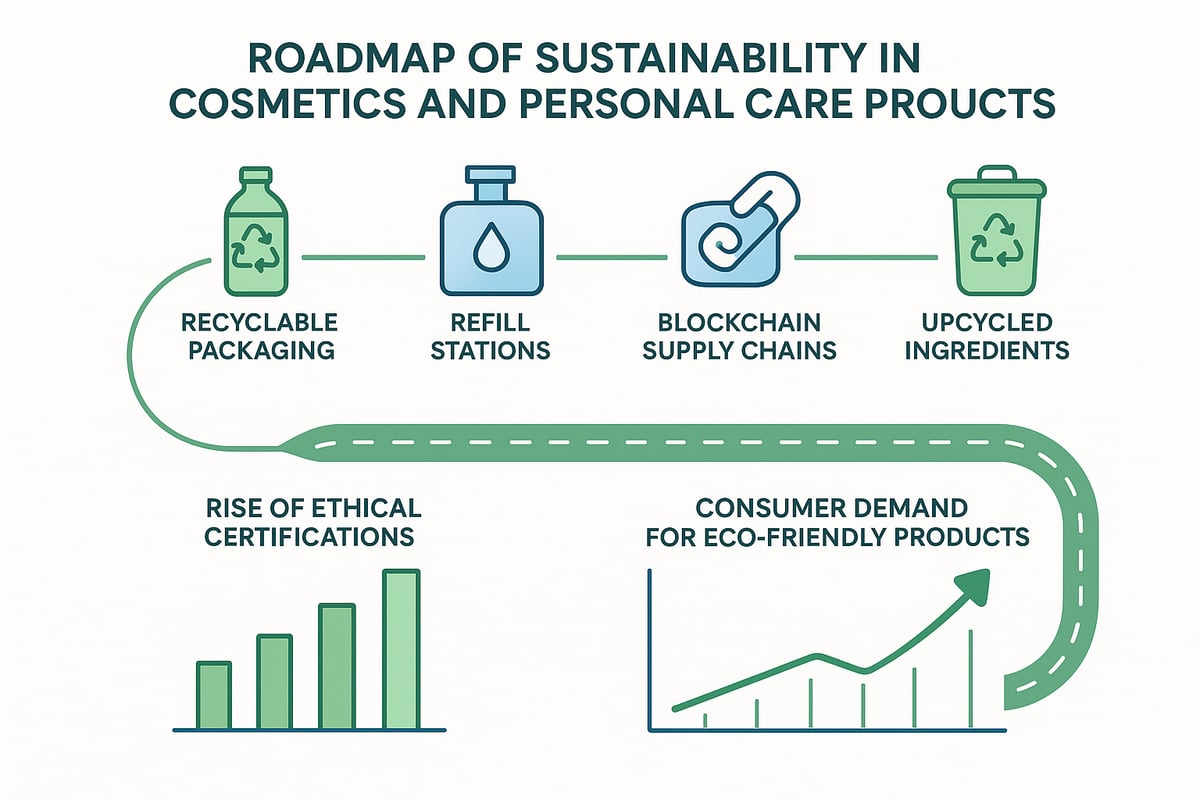
The shift toward eco-friendly solutions is transforming how cosmetics and personal care products are developed and delivered. Brands are adopting biodegradable, refillable, and recyclable packaging to reduce environmental impact. Innovations such as compostable tubes, glass containers, and mono-material packaging are gaining traction.
Many companies now use upcycled and locally sourced ingredients, turning byproducts from other industries into valuable actives. This not only reduces waste but also supports local economies. According to recent industry research, over 65 percent of consumers prefer products with sustainable packaging, driving brands to prioritize green design. For a deeper look at the evolution of packaging and ingredients, explore Personal Care and Cosmetics Products.
Ethical Sourcing and Supply Chain Transparency
Ethical sourcing is essential for building trust in cosmetics and personal care products. Brands are increasingly obtaining fair trade, cruelty-free, and vegan certifications to assure consumers of their commitment. Digital tracking tools like blockchain are being adopted to provide end-to-end transparency for ingredient origins.
This technology allows consumers to trace each component from farm to finished formula. Data shows that more than half of beauty shoppers consider ethical sourcing a top priority. Transparent supply chains help prevent exploitation and environmental harm while empowering consumers to make informed choices about what they use.
Circular Beauty and Zero-Waste Initiatives
Circular beauty models are reshaping the lifecycle of cosmetics and personal care products. Take-back and refill programs are becoming standard, allowing consumers to return empty containers or refill at designated stations. Waterless, concentrated, and solid product formats further reduce packaging waste and carbon footprints.
Brands are launching initiatives where packaging can be reused or repurposed, moving closer to a zero-waste future. Success stories include brands offering loyalty incentives for returned packaging and partnerships with recycling organizations. These efforts not only minimize landfill waste but also foster long-term customer engagement.
Challenges and Opportunities for Brands
Balancing sustainability with performance and cost remains a challenge for brands producing cosmetics and personal care products. While green materials and ethical practices can increase production expenses, they also open new market opportunities. Consumers are increasingly wary of greenwashing, so authenticity and clear communication are vital.
Brands must invest in consumer education and transparent reporting to build lasting trust. Engaging with third-party certifications and sharing measurable results can help brands stand out. The journey to sustainability is ongoing, but the rewards include stronger brand loyalty, regulatory compliance, and leadership in a rapidly evolving market.
Expert Tips for Selecting Cosmetics and Personal Care Products in 2026
Selecting the right cosmetics and personal care products in 2026 can feel overwhelming. With new ingredients, advanced technologies, and more choices than ever, making informed decisions is essential. This section provides expert guidance to help you navigate ingredient labels, personalize your choices, evaluate safety, and shop wisely for cosmetics and personal care products.
Decoding Ingredient Lists and Labels
Understanding ingredient lists is crucial for choosing safe and effective cosmetics and personal care products. The International Nomenclature of Cosmetic Ingredients (INCI) standardizes ingredient names, making it easier to compare products globally. Always check the first five ingredients, since they usually make up the bulk of the formula.
Look for certifications like allergy-tested, fragrance-free, or dermatologist-approved. Pay attention to symbols indicating recyclable packaging or vegan formulas. If you want more insight into the benefits of plant-based actives, Natural Ingredients in Cosmetics offers a helpful overview.
Watch out for marketing terms like "natural," "hypoallergenic," or "clean." These are not always regulated and can be misleading. Instead, focus on ingredient transparency and third-party seals that verify claims about cosmetics and personal care products.
Personalization and Skin/Body Type Considerations
Personalization is a major trend shaping cosmetics and personal care products in 2026. Start by identifying your skin type—oily, dry, combination, or sensitive. Consider your primary concerns, such as aging, acne, or pigmentation.
AI-driven diagnostic apps and online quizzes can analyze your skin and recommend tailored products. These tools use real-time data and preferences for a customized experience. Studies show that consumers report higher satisfaction when using personalized routines for cosmetics and personal care products.
Do not overlook seasonal changes or lifestyle factors. Your needs may shift with climate, diet, or stress, so update your routine regularly for the best results.
Evaluating Product Efficacy and Safety
Assessing product efficacy and safety is non-negotiable when choosing cosmetics and personal care products. Begin with patch testing—apply a small amount to your inner arm and wait 24 hours for reactions. Look for clinical validation or dermatologist approval, which signals that products are tested for performance and tolerability.
Check expiration dates and packaging integrity. Products with airless pumps or opaque containers often preserve actives better. Seek out third-party certifications, such as cruelty-free or eco-certifications, which add another layer of trust when selecting cosmetics and personal care products.
If you are interested in formulation advancements, research recent developments in ingredient safety and biotech innovation. These updates help ensure that your cosmetics and personal care products meet the highest standards.
Practical Shopping and Usage Advice
Smart shopping habits help you get the most from your cosmetics and personal care products. Build a simple, effective routine using multi-use products to save time and reduce clutter. Only buy from reputable retailers, especially when shopping online, to avoid counterfeit or expired goods.
Regularly check for product recalls and safety alerts using official resources. Read reviews and join communities for real-world feedback on cosmetics and personal care products.
Finally, store your products in a cool, dry place and follow usage instructions. A little care extends the life and efficacy of your cosmetics and personal care products, ensuring you always look and feel your best.
The Future of Cosmetics and Personal Care: What to Expect Beyond 2026
The landscape of cosmetics and personal care products is set for remarkable transformation beyond 2026. Rapid innovation, shifting consumer priorities, and global collaboration will shape the decade ahead. Understanding these changes is vital for brands and consumers aiming to stay ahead in a dynamic marketplace.
Anticipated Innovations and Technologies
Looking beyond 2026, cosmetics and personal care products will be defined by groundbreaking technological advancements. Artificial intelligence will power hyper-personalized formulas, diagnostic tools, and ingredient selection. The rise of smart beauty devices, equipped with IoT integration, will enable real-time skin analysis and custom care routines.
Sustainable chemistry will revolutionize packaging and formulations, focusing on biodegradable materials and waterless formats. Brands are expected to invest heavily in biotechnology, unlocking new actives and delivery systems that enhance both safety and efficacy.
For a data-driven perspective, the Global Beauty Personal Care Products Market Growth Projections report forecasts sustained market expansion through 2035, fueled by these innovations. As technology and sustainability converge, the future promises more efficient, ethical, and effective cosmetics and personal care products.
Evolving Consumer Expectations and Market Dynamics
Consumer expectations for cosmetics and personal care products will continue to evolve, emphasizing inclusivity, wellness, and personalization. Hyper-personalized solutions, driven by digital diagnostics and AI, will cater to diverse skin types, tones, and lifestyles. Wellness-centric beauty will blend skincare, mental health, and holistic self-care, creating a new category of products that address both physical and emotional needs.
Market data shows a significant shift in generational priorities. Millennials and Gen Z seek transparency, ethical sourcing, and eco-friendly options, while older consumers value efficacy and trust. According to the Top 5 Beauty Trends of 2026, neurocosmetics and inclusive product lines are set to dominate the market.
As these preferences shape demand, brands must adapt to remain relevant. The next era of cosmetics and personal care products will be defined by consumer empowerment and choice.
The Role of Collaboration and Industry Partnerships
Collaboration will be central to advancing cosmetics and personal care products beyond 2026. Cross-industry partnerships will accelerate progress in sustainability, ingredient innovation, and digital transformation. Brands, suppliers, and tech companies will join forces to develop recyclable packaging, transparent supply chains, and new product categories.
Regulatory harmonization will support global product launches, reducing complexity and ensuring safety. Successful case studies already show how joint ventures and industry alliances drive impactful change, from blockchain-powered traceability to circular beauty models.
In this rapidly evolving landscape, working together will help brands navigate challenges, share expertise, and deliver next-generation cosmetics and personal care products that meet the needs of future consumers.
As we’ve explored the game changing trends, ingredient innovations, and sustainability practices shaping the future of cosmetics and personal care, you might be inspired to launch your own standout product. Whether you’re an entrepreneur or an established brand, taking the first step with expert support can make all the difference. If you’re ready to bring your vision to life using eco friendly and high performance formulations, I encourage you to Start Your Product Journey. You’ll gain access to industry leading expertise and guidance every step of the way.