
The beauty industry thrives on innovation, safety, and efficacy. Behind every successful cosmetic product lies the expertise of cosmetics laboratories, where scientific precision meets creative formulation. These specialized facilities serve as the backbone of product development, transforming concepts into market-ready formulations that meet stringent regulatory standards while delivering exceptional performance. Whether you're an entrepreneur launching your first skincare line or an established brand seeking to expand your portfolio, understanding the role and capabilities of cosmetics laboratories is essential for success in today's competitive marketplace.
The Essential Role of Cosmetics Laboratories in Product Development
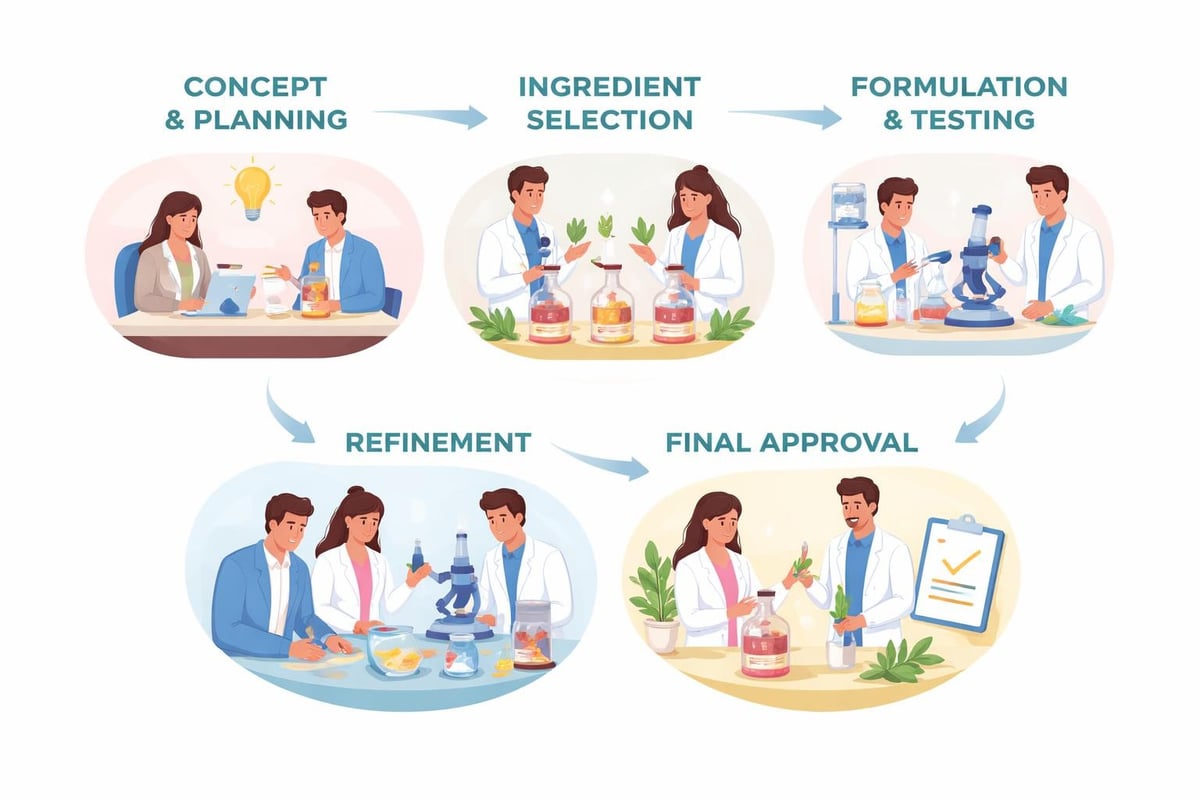
Cosmetics laboratories function as comprehensive innovation centers where chemistry, biology, and consumer science converge. These facilities employ skilled chemists, microbiologists, and regulatory experts who collaborate to develop formulations that balance performance, safety, and market appeal. The process begins with concept development, where laboratory teams work closely with brand owners to understand their vision, target market, and product objectives.
Core Services Provided by Modern Laboratories
Professional cosmetics laboratories offer far more than basic formulation services. They provide end-to-end support that encompasses every stage of product development.
Research and development services include:
- Custom formulation creation tailored to specific brand requirements
- Ingredient sourcing and compatibility testing
- Stability testing under various environmental conditions
- Preservation efficacy testing to ensure product safety
- Sensory evaluation to optimize texture and user experience
Regulatory and compliance support covers:
- Safety assessments and toxicological evaluations
- Documentation preparation for regulatory submissions
- Compliance with regional regulations including EC Regulation 1223/2009
- INCI nomenclature and labeling guidance
- Adherence to ISO 22715 standards for packaging and labeling
The comprehensive nature of these services allows brands to focus on marketing and business development while the laboratory handles the technical complexities. For brands interested in starting a cosmetic brand, partnering with an experienced laboratory can significantly reduce time to market.
Advanced Capabilities of Leading Cosmetics Laboratories
The most sophisticated cosmetics laboratories distinguish themselves through specialized expertise and cutting-edge capabilities. These facilities invest in advanced equipment, ongoing research, and specialized knowledge that enables them to tackle complex formulation challenges and stay ahead of industry trends.
Sustainable and Eco-Friendly Formulation Expertise
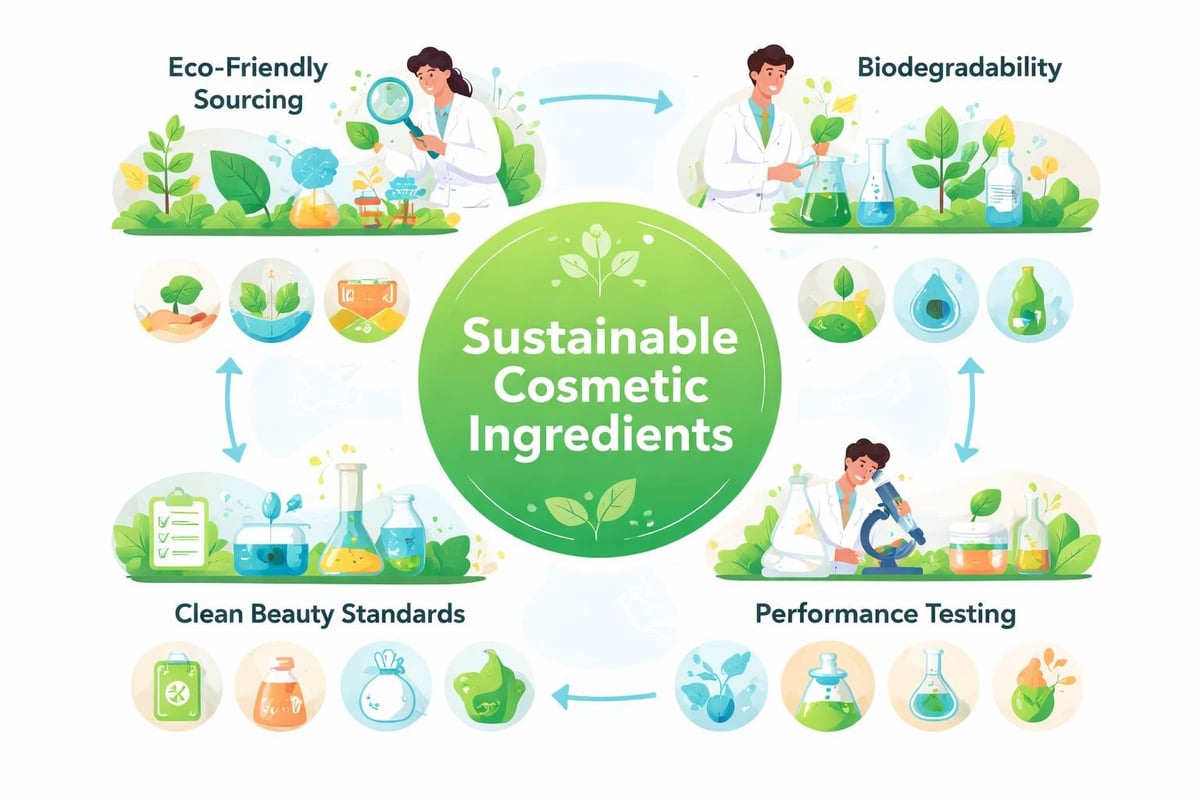
Environmental consciousness has become a defining factor in consumer purchasing decisions. Leading laboratories now prioritize sustainable practices throughout the formulation process, from ingredient selection to packaging recommendations.
| Sustainability Focus Area | Laboratory Implementation | Brand Benefit |
|---|---|---|
| Ingredient Sourcing | Selection of biodegradable, renewable materials | Enhanced brand reputation and consumer appeal |
| Formulation Design | Waterless or water-efficient formulations | Reduced environmental impact and shipping costs |
| Preservation Systems | Natural and hybrid preservation alternatives | Clean label positioning without compromising safety |
| Testing Methods | Cruelty-free and in-vitro testing protocols | Ethical compliance and broader market access |
Understanding beauty INCI becomes crucial when developing sustainable formulations, as transparency in ingredient disclosure builds consumer trust. Modern cosmetics laboratories help brands navigate the complex landscape of sustainable ingredients while maintaining product performance and safety standards required by scientific and technical assessments.
Specialized Formulation Categories
Different product types require distinct expertise and approaches. Professional cosmetics laboratories develop specialization in various categories to deliver optimal results.
Skincare formulations demand:
- Understanding of skin biology and active ingredient delivery
- Expertise in anti-aging, hydration, and barrier repair technologies
- Knowledge of photostability for sun care products
- Mastery of texture engineering for enhanced user experience
Haircare developments require:
- Understanding of hair structure and chemistry
- Expertise in cleansing systems from sulfate-free to solid formats
- Knowledge of conditioning and repair technologies
- Skills in styling product formulation
Personal care products need:
- Expertise in fragrance integration and stability
- Understanding of application-specific requirements
- Knowledge of various delivery systems from creams to sprays
This specialization ensures that formulations are not only compliant and safe but also deliver the performance claims that drive consumer satisfaction and repeat purchases.
Quality Assurance and Testing Protocols
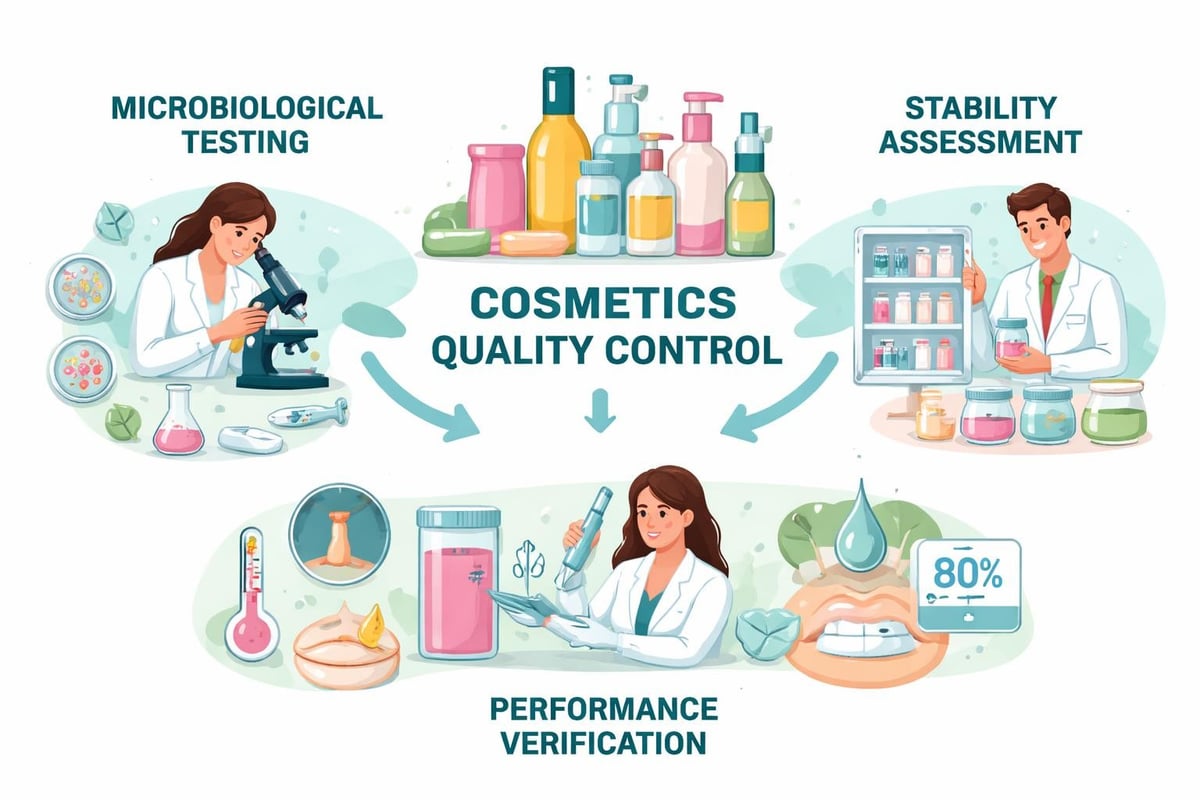
Quality control distinguishes professional cosmetics laboratories from basic formulation services. Rigorous testing protocols ensure that every product meets safety standards, performs as intended, and remains stable throughout its shelf life.
Microbiological Safety and Preservation
Contamination prevention ranks among the highest priorities in cosmetic product development. Laboratories implement comprehensive testing programs to verify that formulations resist microbial growth under real-world conditions.
Preservation efficacy testing evaluates:
- Challenge testing against bacteria, yeast, and mold
- Product stability at various pH levels
- Package compatibility and potential contamination routes
- User habits and contamination risk during product use
- Natural preservation system effectiveness
The importance of cosmetovigilance extends beyond initial product launch, requiring ongoing monitoring to ensure continued safety. Professional laboratories establish protocols that support brands in maintaining product integrity throughout the market lifecycle.
Stability and Performance Testing
Physical and chemical stability directly impacts product quality and consumer satisfaction. Cosmetics laboratories conduct extensive stability testing under accelerated and real-time conditions.
- Accelerated stability testing exposes products to elevated temperatures and humidity to predict long-term behavior
- Freeze-thaw cycling evaluates formulation resilience to temperature fluctuations during shipping
- Light exposure testing assesses photostability and color consistency over time
- Package compatibility studies ensure formulations remain stable in contact with containers
Short-term testing provides rapid feedback for formulation adjustments. Extended real-time studies validate shelf life claims and ensure that products maintain quality from manufacturing to consumer use.
Regulatory Navigation and Compliance Support
The regulatory landscape for cosmetic products varies significantly across global markets. Professional cosmetics laboratories serve as essential partners in navigating these complex requirements, ensuring that formulations meet all applicable standards before market entry.
Regional Regulatory Frameworks
Understanding regional differences in cosmetic regulations prevents costly reformulation and market delays.
Key regulatory considerations include:
- European Union requirements under cosmetic product regulations
- FDA oversight in the United States marketplace
- Registration requirements in Asian markets
- Prohibited and restricted ingredient lists by region
- Claims substantiation and marketing compliance
Laboratories experienced in international markets help brands develop formulations that can be adapted efficiently for different regulatory environments. This strategic approach reduces development costs and accelerates global expansion opportunities.
Documentation and Safety Assessments
Comprehensive documentation forms the foundation of regulatory compliance. Cosmetics laboratories prepare detailed technical files that support product safety and regulatory submissions.
Essential documentation components:
- Product Information File (PIF) with complete formulation details
- Safety assessments conducted by qualified professionals
- Manufacturing process descriptions and quality controls
- Stability data demonstrating shelf life claims
- Substantiation for efficacy and marketing claims
These documents not only satisfy regulatory requirements but also demonstrate due diligence and professional standards to retailers, investors, and consumers. For entrepreneurs exploring contract manufacturing for beauty products, understanding documentation requirements prevents delays and ensures smooth market entry.
Innovation and Trend Integration
Successful cosmetics laboratories balance proven formulation principles with emerging trends and technologies. Staying current with industry developments enables laboratories to offer formulations that capture consumer interest and meet evolving market demands.
Emerging Ingredient Technologies
The cosmetic industry continuously evolves with new active ingredients, delivery systems, and formulation technologies.
Current innovation areas include:
- Microbiome-friendly formulations supporting skin health
- Biofermented ingredients with enhanced efficacy
- Encapsulation technologies for targeted delivery
- Adaptogenic botanicals addressing stress-related skin concerns
- Probiotic and prebiotic skincare systems
Professional laboratories evaluate these innovations through rigorous testing before integration into client formulations. This careful vetting ensures that trendy ingredients deliver genuine benefits rather than serving as mere marketing claims. Staying informed about what's new in cosmetics helps brands make strategic decisions about ingredient selection.
Clean Beauty and Transparency
Consumer demand for clean, transparent formulations has reshaped product development priorities. Cosmetics laboratories now excel at creating products that meet clean beauty standards while maintaining performance and safety.
| Clean Beauty Criteria | Laboratory Approach | Implementation Strategy |
|---|---|---|
| Ingredient Safety | Rigorous screening against clean beauty databases | Selection of ingredients with strong safety profiles |
| Sustainability | Preference for renewable, biodegradable materials | Partnership with sustainable ingredient suppliers |
| Transparency | Clear INCI disclosure and source information | Comprehensive ingredient documentation |
| Efficacy | Clinical testing and consumer studies | Data-driven formulation optimization |
This focus on clean formulations requires laboratories to balance multiple objectives simultaneously, creating products that satisfy both ingredient-conscious consumers and performance expectations.
Strategic Partnership Between Brands and Laboratories
The relationship between cosmetic brands and laboratories extends far beyond transactional formulation services. Successful partnerships involve collaboration, communication, and shared commitment to creating exceptional products.
Selecting the Right Laboratory Partner
Choosing an appropriate laboratory partner significantly impacts product success and brand development trajectory.
Evaluation criteria should include:
- Relevant expertise in your specific product category
- Track record of successful launches and satisfied clients
- Regulatory knowledge for your target markets
- Capacity to scale from initial development to production
- Communication style and responsiveness
- Alignment with brand values regarding sustainability and ethics
For brands starting a new skincare brand, finding a laboratory that offers educational support alongside technical services can accelerate learning and reduce costly mistakes.
Collaborative Development Process
Effective product development requires open communication and iterative refinement. The best cosmetics laboratories establish structured processes that keep brands informed and engaged throughout development.
Successful collaboration involves:
- Initial briefing sessions to clarify vision and objectives
- Concept formulations demonstrating feasibility and direction
- Iterative refinement based on brand feedback and testing
- Transparent discussion of challenges and solutions
- Regular updates on timeline and milestone achievement
This collaborative approach ensures that final formulations accurately reflect brand vision while meeting technical and regulatory requirements. Laboratories that encourage questions and provide educational resources empower brands to make informed decisions throughout the development process.
Economic Considerations and Value Creation
Investment in professional cosmetics laboratories delivers value that extends beyond individual formulations. Understanding the economic dynamics helps brands make strategic decisions about product development partnerships.
Cost Structure and Investment Planning
Formulation development costs vary based on complexity, testing requirements, and customization level.
Budget considerations include:
- Initial formulation development fees
- Stability and safety testing expenses
- Regulatory documentation and assessment costs
- Reformulation iterations and adjustments
- Intellectual property and formula ownership
While custom formulations require higher initial investment than ready-to-go formulations, they offer distinctive market positioning and formula ownership that justify the expense for many brands. Strategic planning ensures that development budgets align with business objectives and market opportunities.
Return on Investment Through Differentiation
Professional formulation services create competitive advantages that drive long-term value.
Value creation mechanisms:
- Product differentiation enables premium pricing and market positioning
- Formula ownership protects intellectual property and prevents copying
- Quality assurance reduces product failures and reputation damage
- Regulatory compliance prevents costly recalls and market restrictions
- Expert guidance accelerates time to market and reduces development risks
These benefits compound over time as brands build reputations for quality and innovation. The initial investment in professional laboratory services often proves far less expensive than addressing quality issues or regulatory problems after launch.
Future Directions in Cosmetics Laboratory Services
The cosmetic industry continues evolving rapidly, and cosmetics laboratories adapt to meet emerging challenges and opportunities. Understanding future trends helps brands select partners positioned for long-term success.
Personalization and Customization Technologies
Advances in formulation technology enable increasingly personalized product offerings. Forward-thinking laboratories develop capabilities in custom formulation at scale, allowing brands to offer tailored products while maintaining economic viability.
Personalization approaches include:
- Diagnostic tools identifying individual skin needs
- Modular formulation systems allowing customization
- Small-batch manufacturing for niche markets
- Data-driven formulation optimization based on user feedback
These technologies transform how cosmetics laboratories approach product development, shifting from standardized formulations toward flexible systems that accommodate individual variation.
Digital Integration and Remote Collaboration
Technology enhances collaboration between brands and cosmetics laboratories, enabling efficient communication regardless of geographic location. Digital tools streamline development processes and improve project management.
Modern laboratories offer online consultations, digital sample evaluation, and virtual progress updates that keep brands connected throughout development. This digital integration expands access to specialized expertise and facilitates international partnerships.
Professional cosmetics laboratories serve as essential partners in creating successful beauty brands, offering expertise that spans formulation science, regulatory compliance, and market trend integration. Whether developing breakthrough innovations or reliable staple products, the right laboratory partnership transforms vision into market-ready reality. The INCI Lab provides award-winning custom formulations with complete ownership rights, sustainable ingredient focus, and comprehensive support from concept through production, empowering entrepreneurs and established brands to create exceptional products that stand out in competitive markets.