

The beauty industry continues to evolve at a remarkable pace, with innovation driving consumer demand for products that deliver both performance and sustainability. Understanding which products dominate the market and why they succeed provides invaluable insights for brands seeking to develop their own competitive formulations. Whether you're an entrepreneur launching a new line or an established brand looking to expand, recognizing the characteristics that define the top cosmetic products in 2026 will inform your development strategy and position you for success in this dynamic marketplace.
Understanding What Makes Cosmetic Products Stand Out
The definition of excellence in cosmetics has shifted dramatically over the past few years. Today's top cosmetic products aren't just effective; they embody a convergence of science, sustainability, and consumer values that reflect broader cultural shifts. Performance remains paramount, but formulations must now meet increasingly sophisticated expectations around ingredient transparency, environmental impact, and ethical sourcing.
Key Performance Indicators for Premium Products
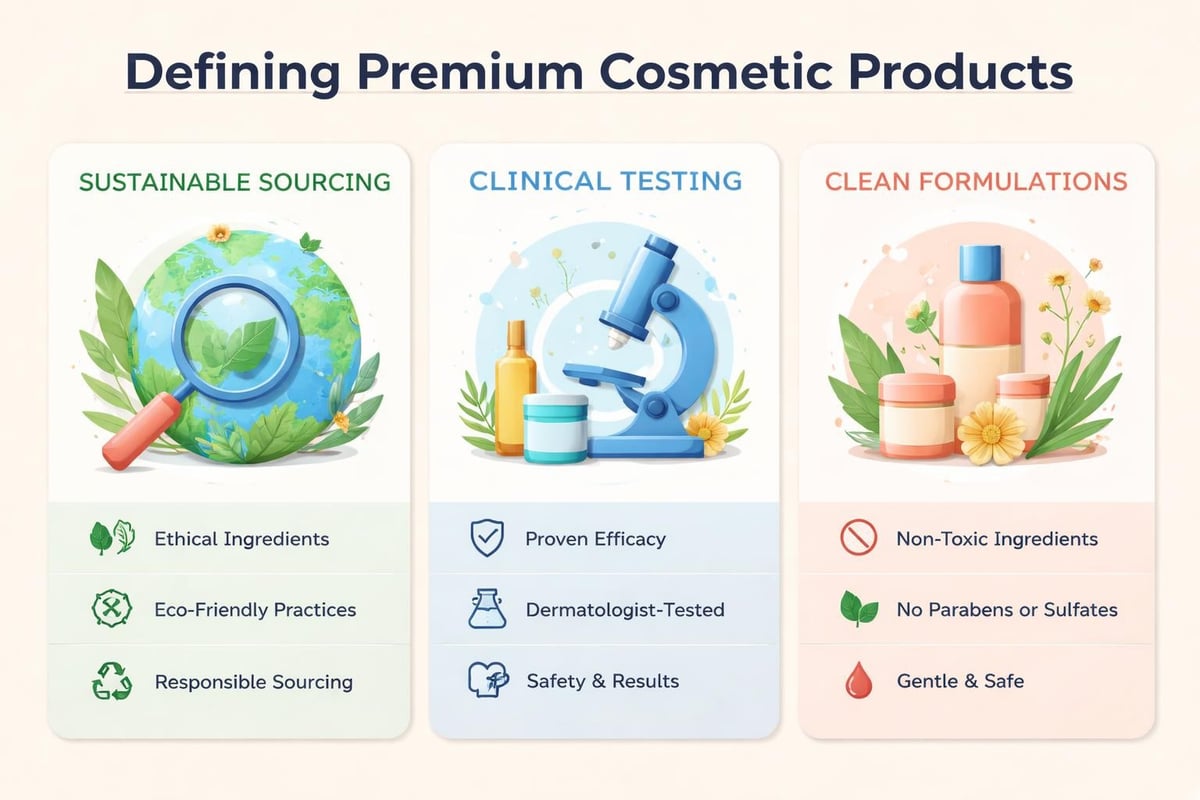
When evaluating what elevates certain products to the top tier, several critical factors emerge consistently. Efficacy stands as the foundation, with consumers demanding visible results backed by clinical testing and real-world performance data. The cosmetics industry's continued factory expansion demonstrates the sector's commitment to meeting these quality standards at scale.
Ingredient quality represents another differentiating factor. Top cosmetic products feature:
- Clinically-proven active ingredients at meaningful concentrations
- Sustainable and ethically-sourced raw materials that align with consumer values
- Clean formulations that eliminate controversial or potentially harmful components
- Innovative delivery systems that enhance ingredient penetration and stability
- Multifunctional ingredients that address multiple skin concerns simultaneously
The importance of understanding ingredient composition and INCI labeling cannot be overstated when developing competitive formulations. Brands that prioritize transparency and education around their ingredient choices build stronger consumer trust and loyalty.
Category Leaders Shaping the Market
Different product categories exhibit unique characteristics that contribute to their market dominance. Understanding these nuances helps brands identify opportunities for innovation and differentiation within their chosen segment.
Skincare Excellence
Skincare products consistently represent the largest and fastest-growing segment of the cosmetics market. The top cosmetic products in this category share several commonalities that drive their success. Serums with concentrated active ingredients continue to dominate, particularly those featuring vitamin C, hyaluronic acid, niacinamide, and retinol alternatives. These formulations deliver targeted solutions for specific concerns like hyperpigmentation, dehydration, and aging.
Moisturizers have evolved beyond simple hydration, with the best formulations incorporating barrier-repair technologies, probiotics, and adaptogenic ingredients. The rise of custom formulations has enabled brands to create highly specialized products that address individual skin types and concerns with unprecedented precision.
| Product Type | Key Ingredients | Primary Benefits | Market Position |
|---|---|---|---|
| Vitamin C Serums | L-Ascorbic Acid, Ferulic Acid | Brightening, Antioxidant Protection | Strong Growth |
| Hyaluronic Acid Solutions | Multi-Weight HA, Peptides | Deep Hydration, Plumping | Market Leader |
| Retinol Alternatives | Bakuchiol, Granactive Retinoid | Anti-Aging, Texture Refinement | Emerging Category |
| Barrier Repair Creams | Ceramides, Niacinamide | Strengthening, Calming | Steady Demand |
Color Cosmetics Innovation
The makeup segment has experienced a renaissance driven by formulation improvements and changing consumer preferences. Top cosmetic products in color cosmetics now emphasize skin-beneficial ingredients alongside pigmentation, blurring the line between makeup and skincare. Foundations incorporating SPF, antioxidants, and hydrating agents exemplify this hybrid approach.
Emerging beauty trends for 2026 reveal consumer interest in bold, expressive products that encourage creativity while maintaining skin health. This presents opportunities for brands to develop innovative formulations that support both aesthetic goals and skin wellness.
Formulation Strategies for Competitive Products
Creating products that can compete with established leaders requires strategic thinking about formulation development. The process begins with thorough market research and consumer insight gathering, followed by careful ingredient selection and rigorous testing protocols.
Building Superior Formulations
Working with experienced formulators who understand both the science and market dynamics of cosmetics provides a significant advantage. The development process for top cosmetic products typically involves:
- Comprehensive market analysis to identify gaps and opportunities
- Consumer research to understand unmet needs and preferences
- Ingredient sourcing from reliable, sustainable suppliers
- Prototype development with multiple iterations and refinements
- Stability and compatibility testing under various conditions
- Efficacy studies to validate product claims
- Safety assessments and regulatory compliance verification
- User trials to gather real-world feedback
Contract manufacturing partnerships can accelerate this process while ensuring access to cutting-edge formulation expertise and production capabilities. This approach allows brands to focus on marketing and business development while leaving the technical complexities to specialized partners.
Sustainability as a Core Value
Environmental consciousness has transitioned from a nice-to-have feature to an essential requirement for top cosmetic products. Consumers increasingly evaluate products based on their environmental footprint, from ingredient sourcing through packaging disposal. Sustainability trends continue to reshape how brands approach product development, with waterless formulations, biodegradable ingredients, and refillable packaging gaining prominence.
Successful sustainable formulations achieve:
- Carbon footprint reduction through local sourcing and efficient production
- Water conservation via concentrated or anhydrous formulations
- Waste minimization using recyclable or compostable packaging
- Ingredient responsibility by selecting renewable and ethically harvested materials
- Transparency through comprehensive ingredient disclosure and sourcing information
Market Dynamics Influencing Product Success
The competitive landscape for cosmetics extends far beyond product quality, encompassing distribution strategies, pricing models, and brand positioning. Understanding these market forces helps brands navigate challenges and capitalize on opportunities.
Regional Variations and Global Trends
Different markets exhibit distinct preferences and priorities that influence which products succeed. The impact of tariffs on French cosmetics demonstrates how economic and political factors can reshape competitive dynamics. Brands must remain agile and responsive to these shifting conditions.
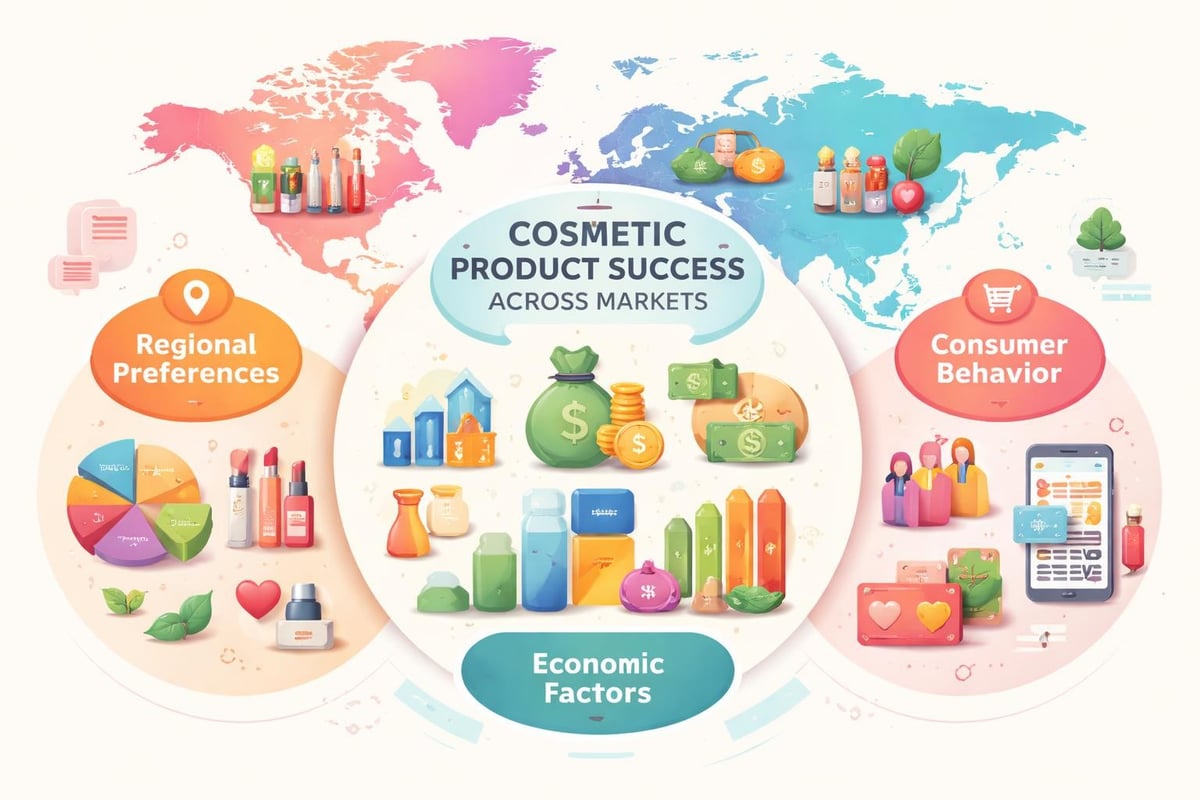
Asian beauty innovations continue to influence global trends, with K-beauty and J-beauty concepts spreading worldwide. Products emphasizing gentle formulations, layering routines, and novel ingredients like centella asiatica and snail mucin have gained international recognition. Similarly, European brands' focus on scientific rigor and minimal formulations appeals to consumers seeking evidence-based skincare.
Ingredient Innovation Driving Product Evolution
The most successful cosmetic products often feature innovative ingredients that deliver novel benefits or improve upon existing solutions. Future cosmetics industry trends highlight emerging ingredients and technologies that will shape the next generation of products.
Breakthrough Active Ingredients
Several ingredient categories have emerged as game-changers for top cosmetic products:
Biotechnology-derived ingredients produced through fermentation or cell culture offer sustainable alternatives to traditional sourcing while maintaining or exceeding efficacy. These include bioidentical peptides, lab-grown squalane, and fermented botanicals that provide enhanced stability and potency.
Microbiome-supporting ingredients recognize the importance of maintaining healthy skin flora. Prebiotics, probiotics, and postbiotics help balance the skin's ecosystem, supporting natural defense mechanisms and promoting overall skin health.
Adaptogenic botanicals borrowed from traditional medicine provide stress-protection benefits that resonate with modern consumers. Ashwagandha, rhodiola, and reishi mushroom extracts help skin cope with environmental stressors while delivering antioxidant benefits.
Next-generation retinoids address the limitations of traditional vitamin A derivatives. Encapsulated retinol, retinol esters, and plant-based alternatives like bakuchiol provide anti-aging benefits with reduced irritation potential.
Delivery System Advancements
How ingredients are delivered into skin significantly impacts product performance. Top cosmetic products increasingly employ sophisticated delivery technologies:
| Technology | Mechanism | Benefits | Applications |
|---|---|---|---|
| Liposomal Encapsulation | Lipid vesicles | Enhanced penetration, stability | Vitamin C, Retinol |
| Nanoemulsion | Ultra-fine droplets | Improved absorption, texture | Oils, Active blends |
| Time-Release Systems | Controlled dissolution | Extended efficacy, reduced irritation | Retinoids, AHAs |
| Biomimetic Peptides | Molecular signaling | Targeted cellular communication | Anti-aging, Repair |
Building Brand Differentiation
In a crowded marketplace, top cosmetic products succeed not only through superior formulations but also through clear brand positioning and authentic storytelling. Brands must articulate what makes their products unique and why consumers should choose them over alternatives.
Creating Compelling Product Narratives
Effective product stories connect formulation science with consumer benefits in accessible language. Rather than overwhelming consumers with technical jargon, successful brands translate ingredient functions into tangible outcomes. This involves explaining why specific ingredients were chosen and how they work together to deliver results.
Launching a new skincare brand requires careful consideration of brand identity, target audience, and market positioning. Products that clearly communicate their value proposition and demonstrate authentic commitment to their stated values build stronger consumer connections.
Brands should also consider:
- Unique formulation approaches that set products apart from competitors
- Educational content that empowers consumers to make informed choices
- Transparent communication about sourcing, testing, and manufacturing
- Community building through engagement and responsive customer service
- Consistent brand experience across all touchpoints and product lines
Quality Control and Safety Standards
The top cosmetic products maintain rigorous quality standards throughout development and production. Formulating safe and effective cosmetic products requires comprehensive testing protocols and adherence to regulatory requirements across all target markets.
Essential Testing Protocols
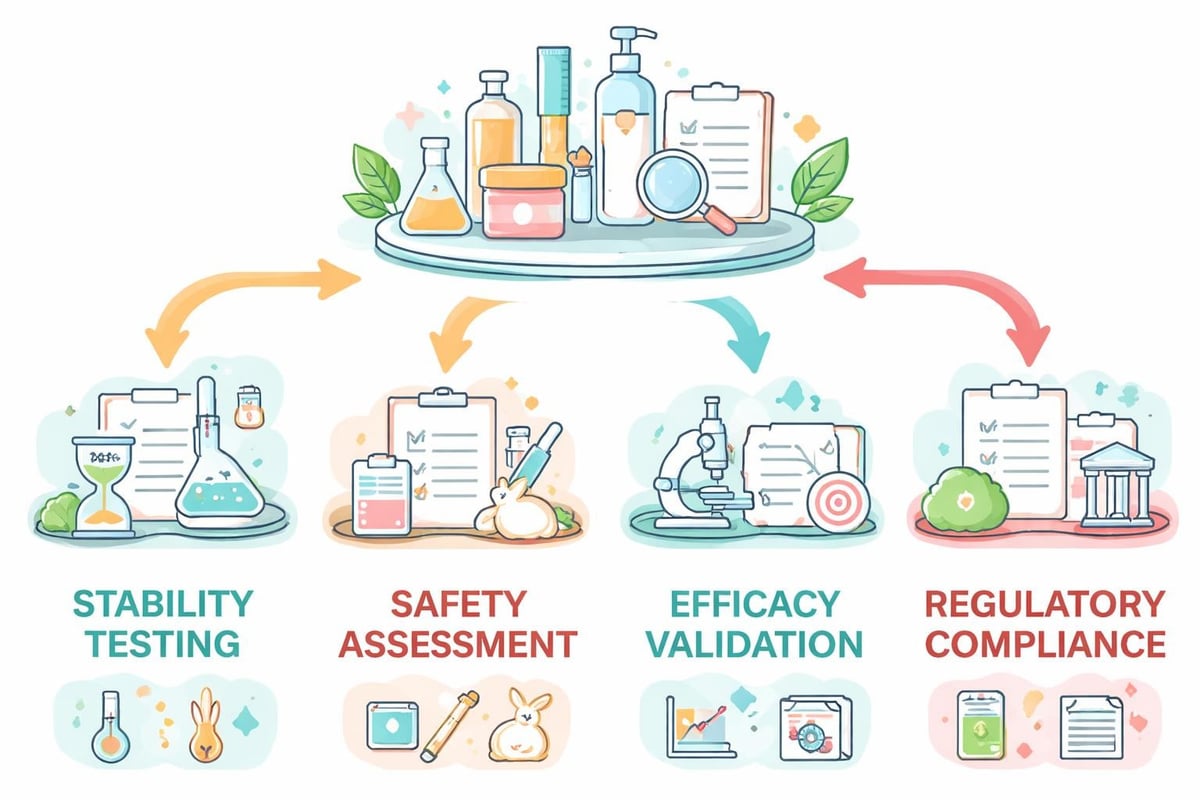
Quality assurance begins during formulation development and continues through production and post-market surveillance. Critical testing phases include:
Stability testing evaluates how formulations perform under various temperature, humidity, and light conditions over extended periods. This ensures products maintain efficacy and safety throughout their shelf life.
Compatibility testing verifies that ingredients don't interact negatively and that formulations remain stable in their packaging. This prevents degradation, discoloration, or separation that could compromise product quality.
Safety assessments include patch testing, eye irritation studies, and toxicological evaluations to ensure products meet safety standards and won't cause adverse reactions in typical use scenarios.
Efficacy testing validates product claims through clinical studies, instrumental measurements, or consumer perception trials. This evidence-based approach builds credibility and consumer trust.
Packaging and Presentation Impact
While formulation quality forms the foundation of successful products, packaging significantly influences consumer perception and purchasing decisions. Top cosmetic products integrate form and function, with packaging that protects product integrity while communicating brand values.
Functional and Aesthetic Considerations
Modern cosmetic packaging must balance multiple requirements:
- Product protection through appropriate materials and barrier properties
- Dispensing precision that minimizes waste and maintains hygiene
- Environmental responsibility using recyclable, refillable, or biodegradable materials
- Visual appeal that stands out on shelves and photographs well for social media
- Information clarity with legible labeling and comprehensive product details
Airless pump systems, UV-protective glass, and oxygen-barrier materials help preserve ingredient stability in premium formulations. Meanwhile, the shift toward sustainable packaging has driven innovation in materials science, with brands exploring ocean plastic, bamboo, and mushroom-based alternatives to traditional plastics.
Price Positioning and Value Perception
The top cosmetic products span various price points, from accessible mass-market options to luxury prestige offerings. Success within each segment requires understanding what consumers value at that price level and delivering appropriate quality and experience.
Premium Versus Accessible Excellence
Premium products justify higher prices through:
- Rare or expensive ingredients with proven efficacy
- Advanced formulation technologies requiring specialized expertise
- Extensive research and testing supporting product claims
- Luxurious sensorial experiences including texture, fragrance, and packaging
- Brand heritage and prestige associated with expertise and exclusivity
Conversely, accessible top cosmetic products succeed by offering excellent performance at competitive prices through efficient formulation, streamlined packaging, and direct-to-consumer distribution models. Beauty product alternatives demonstrate that effective formulations need not command premium prices when brands optimize their value chain.
Manufacturing and Production Excellence
Behind every successful cosmetic product lies a robust manufacturing process that ensures consistency, quality, and scalability. The choice of manufacturing partner significantly impacts product success, particularly for brands without in-house production capabilities.
Selecting the Right Manufacturing Approach
Brands have several options when bringing formulations to market. Working with experienced cosmetic chemists ensures formulations are optimized for both performance and manufacturability. Key considerations include:
Batch sizes that align with projected demand and minimize inventory risk while maintaining cost efficiency. Small-batch production offers flexibility for testing and limited releases, while large-scale manufacturing reduces per-unit costs for established products.
Quality systems including Good Manufacturing Practices (GMP) certification, ISO standards, and comprehensive documentation protocols that ensure consistency and traceability.
Scalability planning that accommodates growth without compromising quality or requiring complete reformulation. Products should be designed with commercial production in mind from the outset.
Regulatory compliance across all target markets, with proper documentation, testing, and certification to meet regional requirements including FDA, EU Cosmetics Regulation, and other jurisdiction-specific standards.
Market Entry Strategies for New Products
Launching new products into competitive categories requires strategic planning and execution. Top cosmetic products often benefit from thoughtful market entry approaches that build awareness and drive trial.
Launch Planning Essentials
Successful product launches typically incorporate:
- Pre-launch buzz generation through teasers, influencer partnerships, and waitlists
- Strategic sampling programs that allow consumers to experience products before purchase
- Multi-channel distribution balancing online and retail presence for maximum reach
- Educational content explaining product benefits and proper usage
- Customer feedback integration for rapid iteration and improvement
Developing new cosmetic brands requires coordination across product development, branding, marketing, and distribution to create cohesive market entry. The most successful launches align all these elements around a clear value proposition that resonates with target consumers.
Consumer Authentication and Trust
As the cosmetics market grows, so does the prevalence of counterfeit products that undermine brand reputation and consumer safety. Top cosmetic products increasingly incorporate authentication features and educate consumers on identifying legitimate products, particularly when purchasing through online marketplaces.
Building Consumer Confidence
Brands protect their reputation and customers through:
Authorized retailer networks with clear communication about where genuine products are available and warnings about unauthorized sellers.
Product authentication features including holograms, QR codes, or unique serial numbers that consumers can verify.
Education initiatives teaching consumers to recognize genuine products through packaging details, texture, fragrance, and performance characteristics.
Responsive customer service that addresses authenticity concerns and provides channels for reporting suspected counterfeits.
Future-Proofing Product Development
The cosmetics industry continues evolving rapidly, with new technologies, ingredients, and consumer expectations emerging constantly. Brands developing top cosmetic products must balance current market demands with anticipation of future trends to ensure long-term relevance.
Adapting to Changing Landscapes
Forward-thinking brands invest in:
- Continuous research into emerging ingredients and technologies
- Consumer trend monitoring to identify shifting preferences early
- Flexible formulation platforms that allow for rapid iteration
- Sustainable practices that anticipate regulatory changes
- Digital integration including personalization algorithms and virtual try-on technologies
Understanding quality formulation importance helps brands maintain excellence while adapting to new requirements and opportunities. The most successful products balance innovation with proven performance, introducing improvements that enhance rather than completely overhaul successful formulations.
Creating products that compete with the top cosmetic products in today's market requires expertise in formulation science, market dynamics, and consumer behavior. Whether you're launching your first product or expanding an established line, partnering with specialists who understand every aspect of product development accelerates your path to success. The INCI Lab combines award-winning formulation expertise with comprehensive support from concept through production, helping beauty brands create high-performance products that stand out in competitive markets while maintaining full ownership of their formulations.

