

In 2026, skincare is entering a new era where one size no longer fits all. Off the shelf products often fall short of delivering truly personalized results for diverse skin needs.
This guide will empower you with the knowledge to master custom skincare formulation. By blending science, sustainability, and innovation, you can create solutions tailored to your unique skin profile.
You will discover the essentials behind custom skincare, from understanding skin biology to formulation steps, ingredient selection, and future trends. Ready to see real, lasting benefits? Start your journey to personalized, expert-backed skincare today.
The Science of Custom Skincare Formulation
Understanding the science behind custom skincare formulation is the foundation for achieving visible, personalized results. By exploring skin biology, the advantages of customization, formulation principles, and market trends, you can make informed decisions that transform your skincare journey.
Understanding Skin Biology and Types
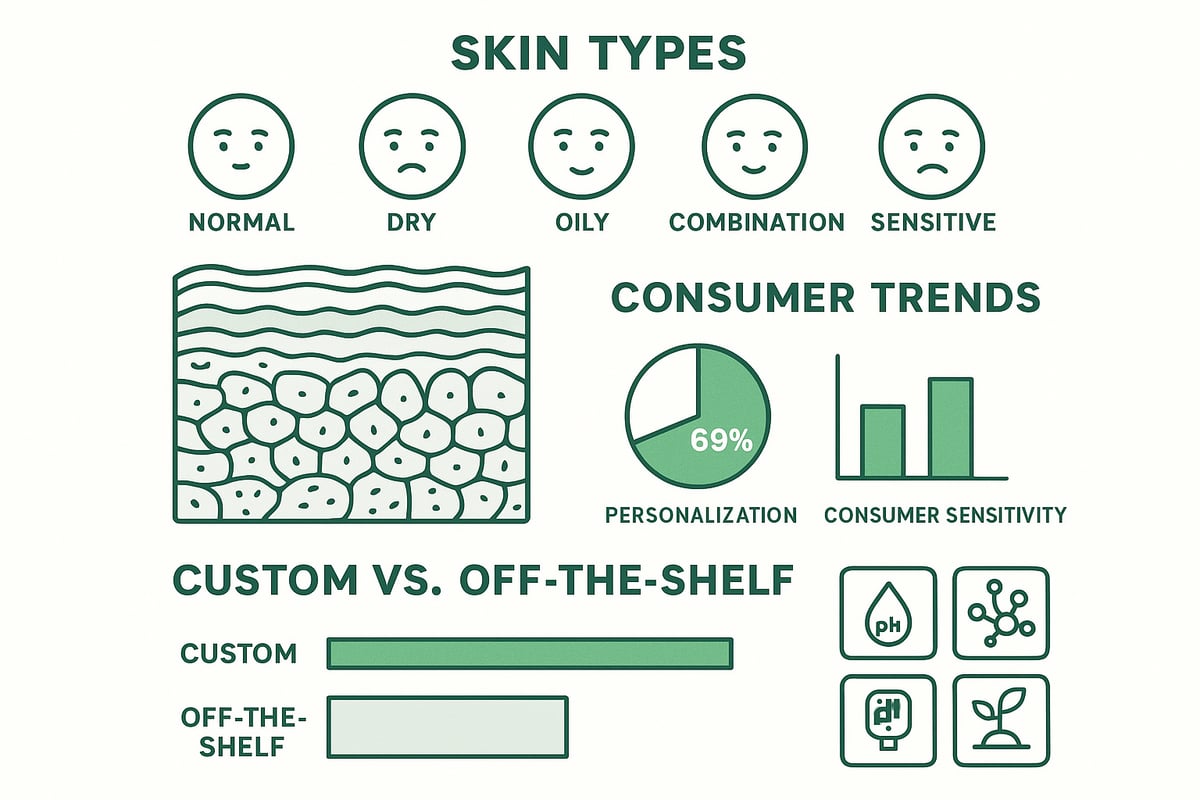
Skin is a complex organ made up of three main layers: the epidermis, dermis, and subcutaneous tissue. Each plays a role in hydration, protection, and regulating temperature. For effective custom skincare formulation, it is essential to recognize the five primary skin types:
- Normal
- Dry
- Oily
- Combination
- Sensitive
Genetics, age, and environment all impact your skin’s needs. For instance, sebum production tends to be higher in teenagers and males, while sensitive skin is increasingly common—about 70% of consumers report some degree of sensitivity. Maintaining the skin barrier’s health is crucial, as it prevents moisture loss and shields against irritants.
The Benefits of Custom Formulation Over Off-the-Shelf Products
Custom skincare formulation addresses unique skin concerns with precision. Unlike mass-produced products, custom solutions target your individual skin goals, like reducing hyperpigmentation or managing rosacea. This approach enhances efficacy by utilizing active ingredients tailored for your skin, reducing risks of irritation or allergic reactions.
For example, a custom serum designed for rosacea-prone skin can include anti-inflammatory actives and avoid known triggers. According to Statista, 54% of Gen Z consumers now prefer personalized skincare. To further explore the process and benefits, see these custom cosmetic formulation secrets.
Key Scientific Principles in Formulation
Successful custom skincare formulation relies on scientific fundamentals. pH balance influences product performance—vitamin C, for instance, works best at low pH. Emulsification ensures oil and water components combine smoothly, while molecular size determines how deeply actives penetrate.
Synergy and compatibility between ingredients are vital to avoid irritation or reduced efficacy. Stability testing is necessary to ensure products remain safe and effective over time. Formulators must also comply with regulations governing cosmetic safety, labeling, and ingredient limits to protect consumers.
Trends Driving Demand for Custom Skincare
The demand for custom skincare formulation is driven by technology, transparency, and innovation. AI-powered skin analysis tools now help consumers assess their skin and recommend precise formulations. Direct-to-consumer and indie brands are rapidly growing, offering transparency and ingredient traceability.
Personalized routines based on DNA or microbiome testing are gaining popularity. Market data shows the custom skincare market is projected to reach $7 billion by 2026. These trends make it easier than ever for consumers to access bespoke solutions that meet their evolving needs.
Step-by-Step Guide to Custom Skincare Formulation
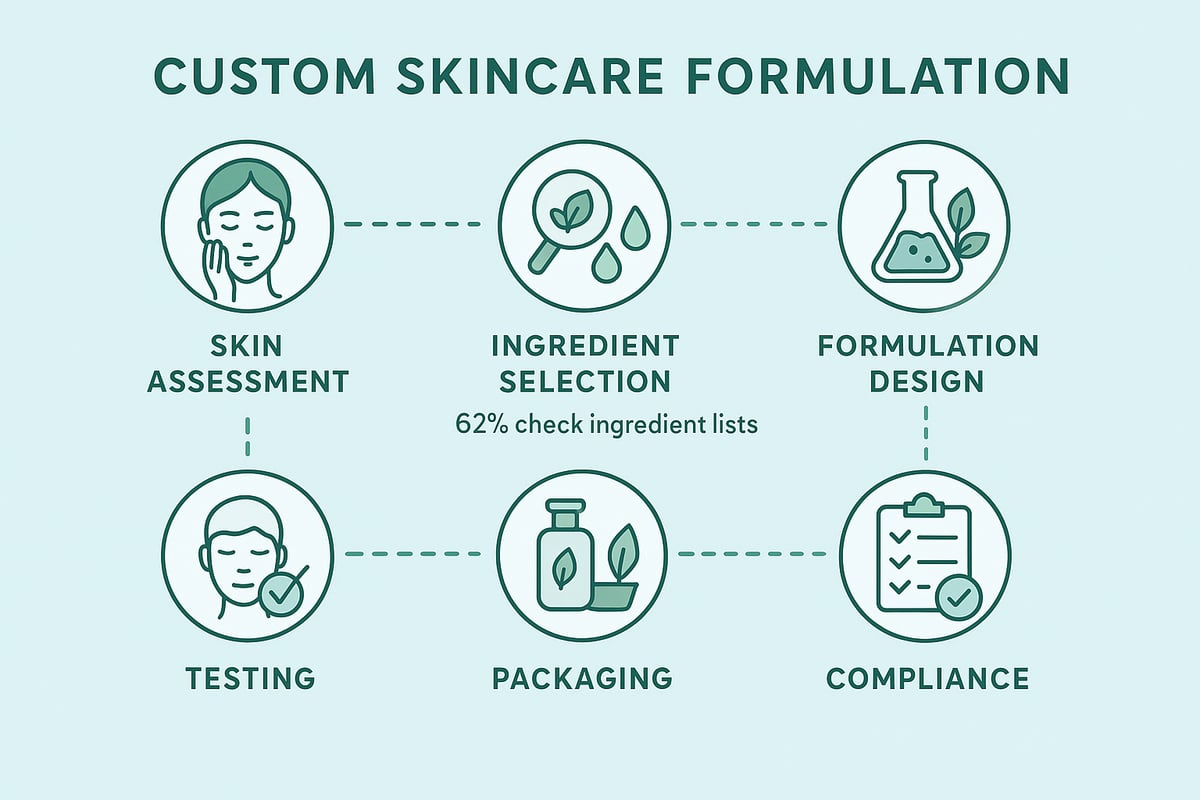
Creating an effective custom skincare formulation requires a systematic approach. Each step builds on the previous one, ensuring that your final product is safe, effective, and tailored to your skin’s unique needs. Let’s break down the process into actionable stages.
Step 1: Skin Assessment and Goal Setting
The foundation of custom skincare formulation starts with understanding your skin. Begin by assessing your skin type—normal, oily, dry, combination, or sensitive—using digital analysis tools, dermatologist consultations, or self-assessment.
Identify your main and secondary skin concerns. Are you targeting acne, aging, sensitivity, or hyperpigmentation? Set realistic, measurable goals, such as reducing redness or increasing hydration within a specific timeframe.
Document your findings. Keeping a record not only tracks progress but also informs future adjustments in your custom skincare formulation.
Step 2: Ingredient Research and Selection
Once you know your goals, research ingredients that align with your skin’s needs. Always source high-quality, evidence-based ingredients, and understand their INCI names for clarity and safety.
Check each ingredient’s safety profile and ideal concentration. For example, niacinamide is excellent for oily skin due to its sebum-regulating properties. According to Mintel, 62% of consumers now review ingredient lists before purchase, confirming the importance of transparency in custom skincare formulation.
Step 3: Formulation Design and Prototyping
Select the type of product you wish to create—serum, cream, mask, or another format. Balance actives with bases and functional ingredients to achieve your desired texture, absorption rate, and scent.
Create small prototypes, adjusting viscosity for different climates or preferences. Keep detailed batch records and version control to track changes. For more practical tips, refer to this step-by-step cosmetic formulation guide, which details safe and effective practices for custom skincare formulation.
Step 4: Testing and Iteration
Before full-scale production, always test your custom skincare formulation. Begin with patch tests to check for irritation or allergies. Conduct stability tests to observe changes in texture, color, or separation over time.
Collect feedback from users and refine your formulation as needed. For instance, if users report pilling or discomfort, adjust the formula accordingly. Regulatory considerations are crucial at this stage to ensure your tests meet industry standards.
Step 5: Production and Packaging
Scaling up your custom skincare formulation requires careful planning. Move from small batches to larger production runs, ensuring consistency and quality at each stage.
Choose packaging that maintains product integrity, such as airless pumps or UV-protective containers. Include all required labeling—INCI, batch codes, expiration dates—and consider eco-friendly options to appeal to sustainability-minded consumers.
Step 6: Regulatory Compliance and Documentation
Finalize your custom skincare formulation by ensuring compliance with global regulations. Familiarize yourself with standards in the EU, US, and Asia-Pacific, and complete all required safety assessments and documentation.
Substantiate any product claims, such as “hypoallergenic,” with evidence. Maintain thorough records to ensure traceability and recall readiness, protecting both your brand and your customers.
Essential Ingredients and Formulation Strategies for 2026
Selecting the right ingredients and strategies is the foundation of every effective custom skincare formulation. As 2026 approaches, innovation, sustainability, and skin health are at the forefront of product design. Let’s explore the essential elements shaping the future of custom skincare formulation.
Active Ingredients to Watch
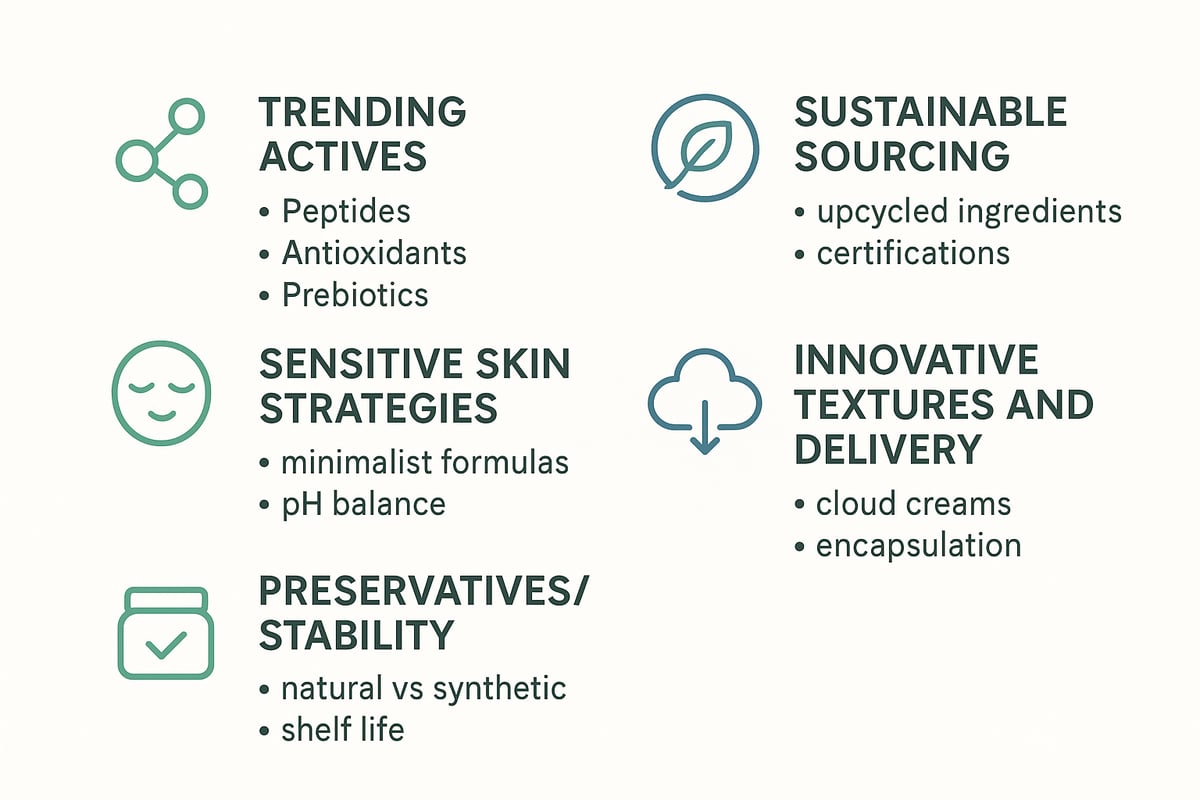
The heart of custom skincare formulation lies in selecting actives that address individual concerns. Peptides are leading the charge for anti-aging and barrier repair, offering targeted results for fine lines and firmness. Advanced antioxidants, such as stabilized vitamin C and ferulic acid, shield the skin from environmental stress and promote radiance.
Microbiome-friendly prebiotics and postbiotics are seeing a surge in demand, supporting skin balance and resilience. Bakuchiol is emerging as a gentle, plant-based alternative to retinol, ideal for sensitive skin types. According to Allied Market Research, microbiome skincare interest has climbed by 35 percent in the last year.
For an in-depth look at ingredient selection, see this guide on choosing skincare ingredients, which provides research-backed insight for your custom skincare formulation journey.
Sustainable and Ethical Ingredient Sourcing
Sustainability is now a non-negotiable in custom skincare formulation. Brands are increasingly turning to upcycled and zero-waste ingredients, such as fruit seed oils and coffee grounds, to minimize environmental impact. Certifications like organic, vegan, and cruelty-free help ensure ethical practices and transparency across the supply chain.
Sourcing ingredients from community co-ops, such as moringa oil, not only supports fair trade but also strengthens local economies. Nielsen data shows that 48 percent of consumers prioritize sustainability in their skincare choices. When planning a custom skincare formulation, always verify sourcing and certification to back up eco-friendly claims.
Formulation Strategies for Sensitive and Problematic Skin
Sensitive skin requires a careful approach in custom skincare formulation. Minimalist formulas with fewer ingredients can significantly lower the risk of irritation. Allergen-free and fragrance-free products are especially important for those prone to reactions.
Maintaining a balanced pH and supporting the skin barrier with ceramide-rich moisturizers can help manage eczema and other sensitivities. According to Dermatology Times, one in three adults now reports experiencing sensitive skin. Documenting reactions and iterating formulas is essential to ensure safety and efficacy in custom skincare formulation.
Texture, Delivery Systems, and User Experience
Texture and delivery systems are pivotal in the success of a custom skincare formulation. Emulsions, gels, and next-generation textures like cloud creams and water-drop gels are gaining popularity for their lightweight, non-greasy feel. Encapsulation technology enables time-release of active ingredients, boosting effectiveness and skin compatibility.
Liposomal vitamin C serums exemplify this trend, offering improved stability and deeper skin penetration. Consumer research from Cosmetics Business reveals that 70 percent of users prefer lighter textures for daily routines. User experience should always guide formulation decisions to ensure repeat use and satisfaction with your custom skincare formulation.
Preservatives and Stability Considerations
Ensuring product safety and longevity is critical in custom skincare formulation. Both natural and synthetic preservatives have a role, with options like ethylhexylglycerin providing gentle yet effective microbial control. Strategies such as reducing water activity and using airless packaging help prolong shelf life without compromising safety.
Regulatory limits on preservative concentrations must be followed to protect consumers. Stability testing for color, texture, and separation is essential before launch. When scaling a custom skincare formulation, always prioritize rigorous quality checks to maintain trust and compliance.
Sustainability and Eco-Friendly Practices in Skincare Formulation
Sustainability is now at the heart of custom skincare formulation. Brands and consumers alike are demanding eco-friendly solutions that minimize environmental impact while maximizing skin health. Let’s explore how your approach to custom skincare formulation can be both effective and responsible.
Eco-Conscious Ingredient Selection
Choosing ingredients that are biodegradable, renewable, and ethically sourced is central to sustainable custom skincare formulation. Upcycled ingredients, such as fruit seed oils and byproducts from food production, significantly reduce waste and maximize resource efficiency.
Certifications like organic, vegan, and cruelty-free help guarantee that ingredients meet strict environmental and ethical standards. Transparency in the supply chain, including fair trade practices, further supports responsible sourcing.
According to Upcycled ingredients in cosmetics market growth, the demand for upcycled components in custom skincare formulation is rapidly increasing. This trend reflects a broader shift toward sustainability and conscious consumerism.
Sustainable Packaging Innovations
Packaging choices play a major role in the overall footprint of custom skincare formulation. Brands are embracing refillable, recyclable, and compostable packaging to reduce waste and environmental harm. Mono-material tubes and lightweight containers are designed for easier recycling and lower carbon emissions.
Eco-friendly packaging is not just about materials—it includes reducing excess packaging and optimizing designs for transport efficiency. Recent data shows that 80 percent of consumers prefer brands with sustainable packaging, making it a key factor in brand loyalty.
When creating a custom skincare formulation, selecting packaging that preserves product integrity while aligning with eco-values is essential. This holistic approach supports both product performance and sustainability goals.
Green Manufacturing and Supply Chain Practices
Sustainable custom skincare formulation extends beyond ingredients and packaging to the entire manufacturing process. Energy-efficient production methods, such as cold process emulsification, help reduce energy consumption and lower emissions.
Water conservation and waste reduction strategies are increasingly adopted in modern facilities. Brands sourcing local ingredients further minimize transportation-related environmental impacts, supporting regional economies and reducing their carbon footprint.
Implementing green practices throughout the supply chain ensures that every step of custom skincare formulation remains environmentally responsible. This commitment benefits both the planet and the end consumer.
Certifications and Claims: Navigating the Landscape
Certifications provide assurance that a custom skincare formulation meets rigorous sustainability standards. Popular certifications include EcoCert, BioGro, and Leaping Bunny, each verifying different aspects such as organic content, ethical sourcing, and cruelty-free status.
Substantiating eco-friendly claims is crucial to avoid greenwashing. Brands are encouraged to maintain transparency and undergo third-party audits for their custom skincare formulation processes.
The presence of trusted certifications increases consumer confidence and helps products stand out in a crowded market. Ultimately, clear and honest communication builds trust and demonstrates real commitment to sustainability.
Ensuring Safety, Efficacy, and Quality in Custom Formulation
Creating a safe, effective, and high-quality custom skincare formulation requires a meticulous approach at every stage. This section outlines the protocols and practices that ensure your personalized product delivers visible results without compromise.
Safety Testing and Patch Testing Protocols
The first step in custom skincare formulation is rigorous safety testing. This process begins with ingredient screening to eliminate known allergens and irritants. Next, patch testing is performed, often using a 48-hour occlusive patch on a small area of the skin. This helps detect potential reactions before full application.
For new or high-potency actives, both in-house and third-party labs follow strict protocols. Safety reports are documented and reviewed to comply with regulatory standards. Consistent patch testing is essential to ensure the formulation remains safe as batches and ingredient sources change.
Careful documentation of all safety and patch testing is vital during custom skincare formulation, providing a foundation for consumer trust and regulatory compliance.
Efficacy Evaluation: How to Measure Results
To validate the effectiveness of a custom skincare formulation, robust efficacy evaluation is conducted. This can include clinical trials, instrumental measurements, and consumer perception studies. Techniques such as corneometry measure hydration, while colorimetry tracks pigmentation changes.
Brands often combine objective data with user feedback. For example, 68% of brands now use instrumental methods to substantiate claims. Tracking improvements in key skin metrics helps determine if the formulation meets its targeted goals.
Reliable efficacy evaluation not only supports marketing claims but also guides future adjustments to the custom skincare formulation, ensuring consistent, visible benefits.
Quality Assurance and Manufacturing Best Practices
Maintaining quality in custom skincare formulation relies on strict adherence to Good Manufacturing Practices (GMP). This includes batch tracking, documentation, and regular audits. Automated mixing equipment helps guarantee consistency and minimize contamination risks.
| GMP Best Practice | Benefit |
|---|---|
| Batch tracking | Traceability, recall readiness |
| Automated mixing | Consistency, reduced errors |
| Regular audits | Ongoing quality assurance |
Quality assurance procedures monitor every stage, from raw material receipt to final packaging. Immediate action protocols are in place for any deviations, ensuring the finished product meets all safety and efficacy standards.
The INCI Lab: Your Partner in Custom Skincare Innovation
For those seeking expert support in custom skincare formulation, unique custom formulations services from The INCI Lab offer a comprehensive solution. Their award-winning team provides science-led R&D, sustainable ingredient sourcing, and regulatory guidance.
The INCI Lab assists entrepreneurs and established brands alike, managing the entire process from concept to launch. Services include small-batch manufacturing, eco-friendly packaging options, and full traceability. Their proven track record ensures your custom skincare formulation is not only innovative but also meets the highest standards of safety and quality.
Future Trends in Custom Skincare Formulation
The future of custom skincare formulation is shaped by technology, science, and evolving consumer demands. Brands and formulators must stay ahead of these trends to deliver innovative, effective, and safe products. Let us explore the four most influential directions reshaping the landscape of personalized skincare.
AI and Personalization Technology
AI is revolutionizing custom skincare formulation with intelligent skin analysis and ingredient recommendations. Advanced platforms use machine learning to interpret skin images, assess concerns, and propose tailored blends. Apps now scan your skin and instantly suggest the ideal formula for your needs. According to experts, 40% of custom skincare brands are expected to use AI by 2026. This technology not only improves product precision but also enhances user engagement and trust. If you want to learn more about how artificial intelligence is shaping this industry, see this overview on AI-powered personalization in skincare. As AI continues to evolve, it will be essential for brands to integrate these tools into their custom skincare formulation strategies.
Biotechnology and Next-Gen Ingredients
Biotechnology is unlocking a new era of innovation in custom skincare formulation. Lab-grown actives like peptides, hyaluronic acid, and growth factors are becoming more accessible and sustainable. Fermentation processes and bioengineered botanicals, such as yeast-derived collagen boosters, offer high efficacy with a lower environmental footprint. The market for biotech actives is projected to grow at 28% CAGR through 2026, reflecting strong demand for these next-gen ingredients. For formulators, this means access to purer, more stable components that can be precisely matched to individual skin needs. As the science advances, expect custom skincare formulation to deliver even more impressive and measurable results.
At-Home Customization and DIY Kits
The rise of at-home personalization is reshaping how people experience custom skincare formulation. DIY kits now provide consumers with pre-measured actives and clear instructions for mixing their own serums and masks. This hands-on approach empowers users to adjust their routines based on real-time skin feedback. Starter kits for custom blends are increasingly popular, with a 25% surge in DIY skincare kit sales since 2023. Safety remains a top priority, so reputable kits include detailed protocols for proper use. As accessibility grows, more individuals can participate directly in the custom skincare formulation process, making personal care both fun and functional.
Regulatory Evolution and Consumer Advocacy
Regulation is playing a greater role in the future of custom skincare formulation. Stricter standards on claims and ingredient transparency are emerging globally. Consumer watchdog groups and online ingredient databases are driving brands toward greater honesty and clarity. For example, global harmonization of ingredient labeling is underway, making it easier to compare products across markets. These changes are boosting consumer confidence and encouraging brands to adopt proactive compliance measures. As the personalized skincare market expands, with forecasts projecting it to reach $72.23 billion by 2035, as detailed in this Personalized skincare products market forecast, regulatory evolution will remain a key driver of trust and innovation in custom skincare formulation.
You’ve explored the essentials of custom skincare formulation, from understanding your skin’s unique needs to selecting sustainable ingredients and navigating the latest innovations. Whether you’re building a brand or perfecting your personal skincare routine, the right knowledge and support make all the difference. If you’re ready to transform your ideas into high performance, eco conscious products with expert guidance every step of the way, this is your moment. Let’s take what you’ve learned and turn it into something remarkable—your own standout formula.
Start Your Product Journey

