
The beauty industry is evolving at an unprecedented pace, with new innovations launching every season. Amid constantly shifting trends and advanced technologies, finding the beauty products that truly deliver can feel overwhelming. This guide is designed to help you cut through the noise and discover the beauty products that will define 2026. We have carefully curated nine essentials, focusing on breakthrough skincare, advanced haircare, eco-friendly choices, and the latest tech-driven solutions. Ready to refresh your routine and experience the future of beauty? Explore the beauty products that stand out for effectiveness, innovation, and sustainability.
The Evolution of Beauty Essentials: Trends Shaping 2026
The beauty products industry is undergoing a transformation, driven by innovation, technology, and growing consumer awareness. In 2026, the beauty products you choose will reflect not only personal style but also values around sustainability, customization, and inclusivity. As new trends emerge, understanding these shifts is crucial for anyone looking to stay ahead in the world of the beauty products.
The Rise of Personalized Skincare and Haircare
Personalization is revolutionizing the beauty products sector. Thanks to AI and data-driven diagnostics, brands now offer tailored solutions for unique skin and hair needs. DNA-based analysis is increasingly popular, providing hyper-customized recommendations. According to Personalized Beauty Products Market Growth, this market is expected to reach $38 billion by 2026. Leading brands like Proven and Function of Beauty are already setting the standard.
Sustainability and Eco-Conscious Formulations
Sustainability is at the heart of the beauty products movement. Consumers are demanding clean, vegan, and cruelty-free formulations. The trend toward refillable packaging and biodegradable materials grows stronger each year. Mintel reports that 67% of customers now prefer eco-friendly packaging. Brands are responding with innovations that reduce waste and prioritize the planet, making eco-conscious choices more accessible.
Beauty Tech Integration
Technology is reshaping the beauty products experience. Smart devices, like cleansing brushes and LED therapy masks, offer real-time skincare analysis and application guidance. These tools enhance efficacy and convenience, allowing users to track their progress. The adoption of beauty tech ensures that the beauty products of 2026 are smarter, more effective, and tailored to individual routines.
Multi-Functional and Hybrid Products
Efficiency is key for many seeking the beauty products that simplify routines. Hybrid products combine skincare, makeup, and sun protection, catering to fast-paced lifestyles. Tinted moisturizers with SPF and anti-aging actives are prime examples. These all-in-one solutions save time and space, making them favorites among minimalists and busy professionals.
Inclusive Beauty and Diverse Representation
Diversity is finally taking center stage in the beauty products industry. Brands are expanding shade ranges and creating formulations suitable for all skin types and tones. The demand for gender-neutral and adaptive products continues to rise. Fenty Beauty’s 50-plus foundation shades demonstrate how inclusivity is now a non-negotiable standard in the beauty products market.
Ingredient Transparency and Clean Labeling
Transparency is shaping consumer trust in the beauty products they buy. More brands are sharing full ingredient lists and sourcing details, often verified by third-party certifications like ECOCERT or EWG. This clarity empowers consumers to make informed choices, ensuring that the beauty products they select align with their health and ethical priorities.
9 Essential The Beauty Products You Need in 2026
Navigating the evolving landscape of the beauty industry can be overwhelming. As trends, technology, and consumer expectations shift, selecting the beauty products that truly matter for 2026 is both a science and an art. This curated list highlights the beauty products that have redefined standards for performance, innovation, and sustainability. Each entry is chosen for its proven results and future-forward approach, ensuring your beauty routine is not just current but also future-ready.
1. The INCI Lab Custom Formulations
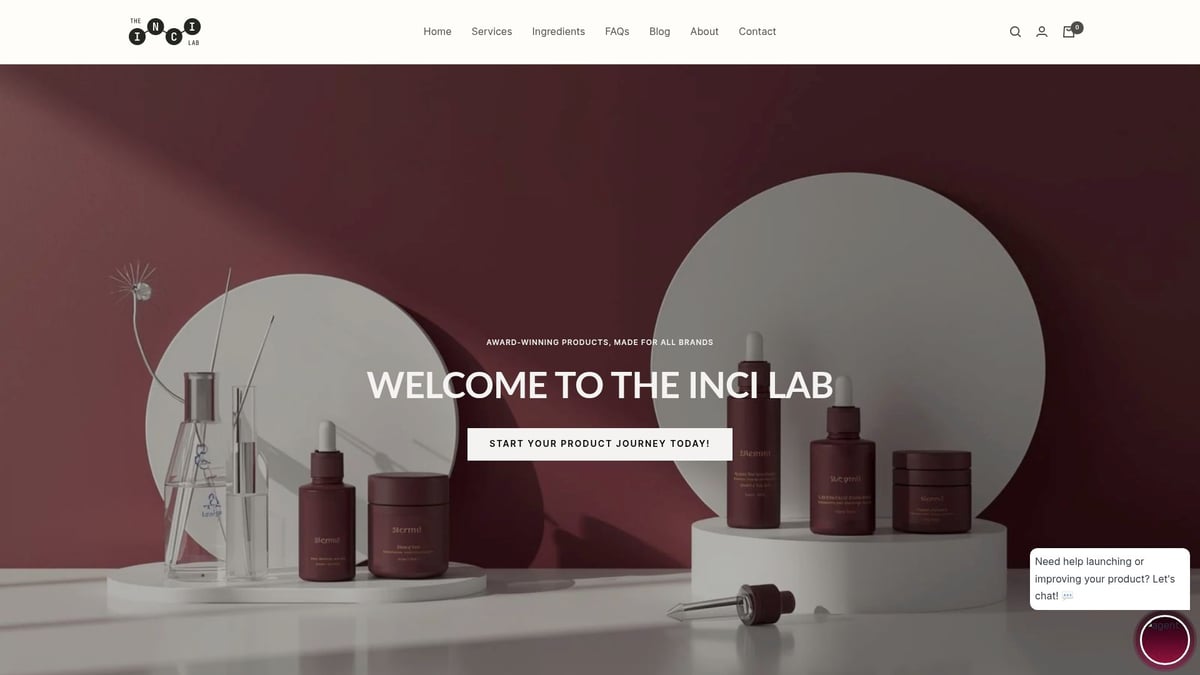
For those seeking complete control over their beauty lines, The INCI Lab Custom Formulations stands at the forefront of the beauty products market. This bespoke service is tailored for entrepreneurs, startups, and established brands eager to develop unique formulations for skincare, haircare, and personal care.
- Pricing: Bespoke, with tailored quotes based on your project.
- Core Features: Custom, high-performance formulations, full intellectual property ownership, and use of sustainable ingredients.
- Benefits: Enables you to launch, reformulate, or innovate with natural and clean beauty products that align with your vision.
- Target Audience: Beauty founders, industry disruptors, and anyone wanting to stand out in the beauty products space.
Pros:
- Personalized support and scientific expertise
- Market differentiation
- Sustainability focus
Cons:
- Not off-the-shelf, requiring time and investment
What truly sets The INCI Lab apart in the beauty products industry is its commitment to eco-friendly innovation and client ownership. If you want to shape the future of the beauty products, this is where to start.
2. SkinCeuticals C E Ferulic
SkinCeuticals C E Ferulic is an antioxidant powerhouse that continues to lead the beauty products landscape in 2026. This serum blends vitamin C, E, and ferulic acid in a clinically proven formula that shields against environmental damage and visibly brightens skin.
- Pricing: $182 (30ml)
- Core Features: Potent antioxidant protection, advanced delivery system
- Benefits: Fights free radicals, reduces signs of aging, and supports radiant skin
- Target Audience: All skin types, especially those concerned with aging or urban exposure
Pros:
- Dermatologist-recommended
- Backed by extensive clinical studies
Cons:
- Premium price
- Sensitive to light and air, requiring proper storage
The beauty products market recognizes C E Ferulic as the gold standard for antioxidant serums, making it a non-negotiable staple for anyone serious about effective skincare.
3. Dyson Airwrap Multi-Styler
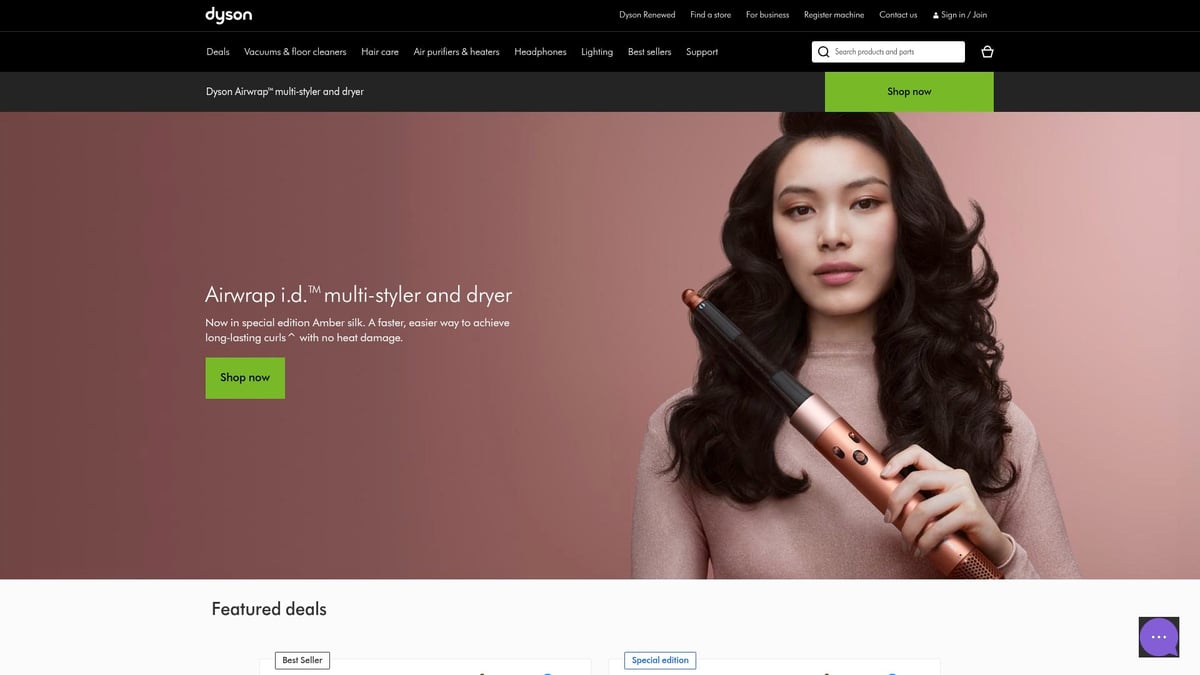
The Dyson Airwrap Multi-Styler redefines haircare with cutting-edge technology in the beauty products category. Using air rather than extreme heat, it offers versatile styling options—curling, smoothing, volumizing, and drying—while minimizing hair damage.
- Pricing: $599.99
- Core Features: Multi-styling tool, intelligent heat control, Coanda effect technology
- Benefits: Healthier hair, reduced styling time, suitable for all hair types
- Target Audience: Salon professionals, beauty enthusiasts, and those seeking to protect hair integrity
Pros:
- Innovative technology
- Gentle on hair
- Time-saving
Cons:
- High upfront investment
- Learning curve for optimal use
In a world where the beauty products are expected to be both effective and protective, the Airwrap delivers on all fronts. Its versatility makes it a favorite for those who value both style and hair health.
4. Supergoop! Unseen Sunscreen SPF 40
Supergoop! Unseen Sunscreen SPF 40 is a daily essential among the beauty products for 2026. Its invisible, weightless formula acts as both sunscreen and makeup primer, offering broad-spectrum protection without leaving a trace.
- Pricing: $38 (1.7 oz)
- Core Features: SPF 40, antioxidant-rich, truly invisible finish
- Benefits: No white cast, non-greasy, reef-safe
- Target Audience: All skin tones, makeup users, and anyone committed to daily sun protection
Pros:
- Fragrance-free
- Layers seamlessly under makeup
Cons:
- Smaller tube size
- Some may need higher SPF
With growing awareness of UV damage, the beauty products that multitask are highly valued. Supergoop! Unseen Sunscreen delivers protection and performance, making it a go-to for modern routines.
5. Rare Beauty Soft Pinch Liquid Blush
Rare Beauty Soft Pinch Liquid Blush has achieved viral status in the beauty products world for its bold pigments and inclusive shade range. The lightweight formula blends easily, offering a natural flush that lasts all day.
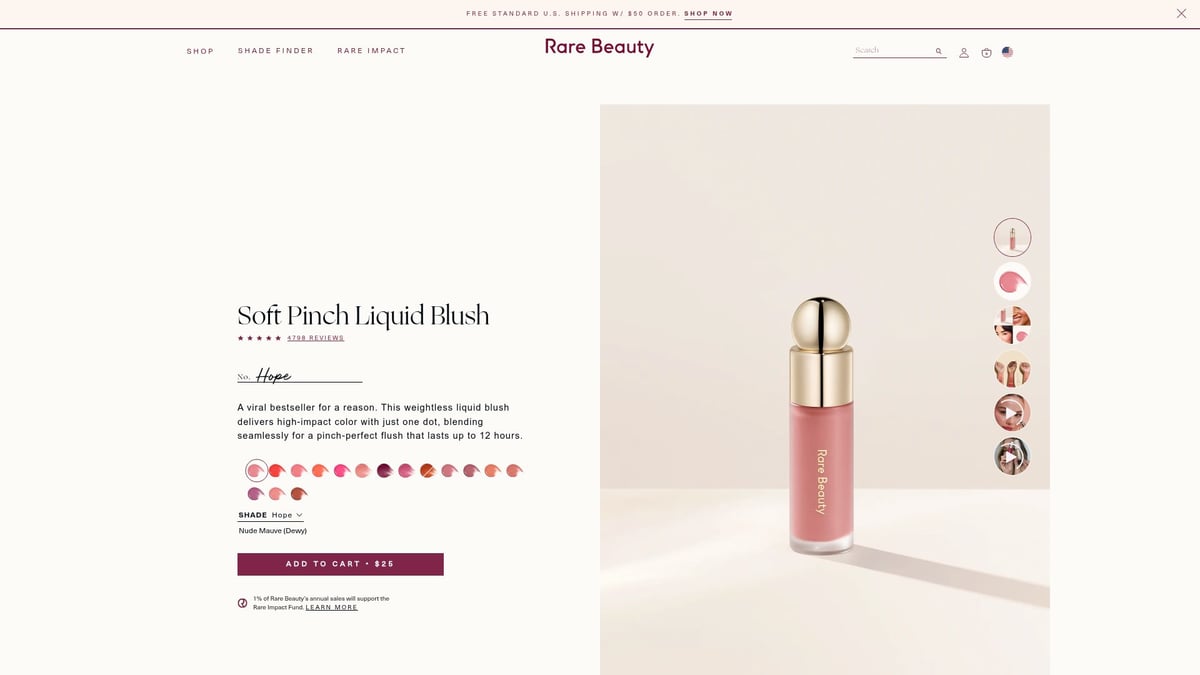
- Pricing: $23 (7.5ml)
- Core Features: Highly pigmented, blendable, wide shade selection
- Benefits: Long-lasting color, buildable coverage, suits all skin tones
- Target Audience: Makeup enthusiasts, minimalists, and those seeking effortless radiance
Pros:
- Inclusive and accessible
- Minimal product needed per use
Cons:
- Requires careful application due to high pigmentation
The beauty products that prioritize inclusivity and performance are the ones shaping trends. Rare Beauty’s blush is a prime example, combining universal appeal with innovative formulation.
6. Olaplex No.3 Hair Perfector
Olaplex No.3 Hair Perfector continues to set the benchmark for at-home hair repair in the beauty products sector. Its patented bond-building technology repairs and strengthens, making it invaluable for color-treated or damaged hair.
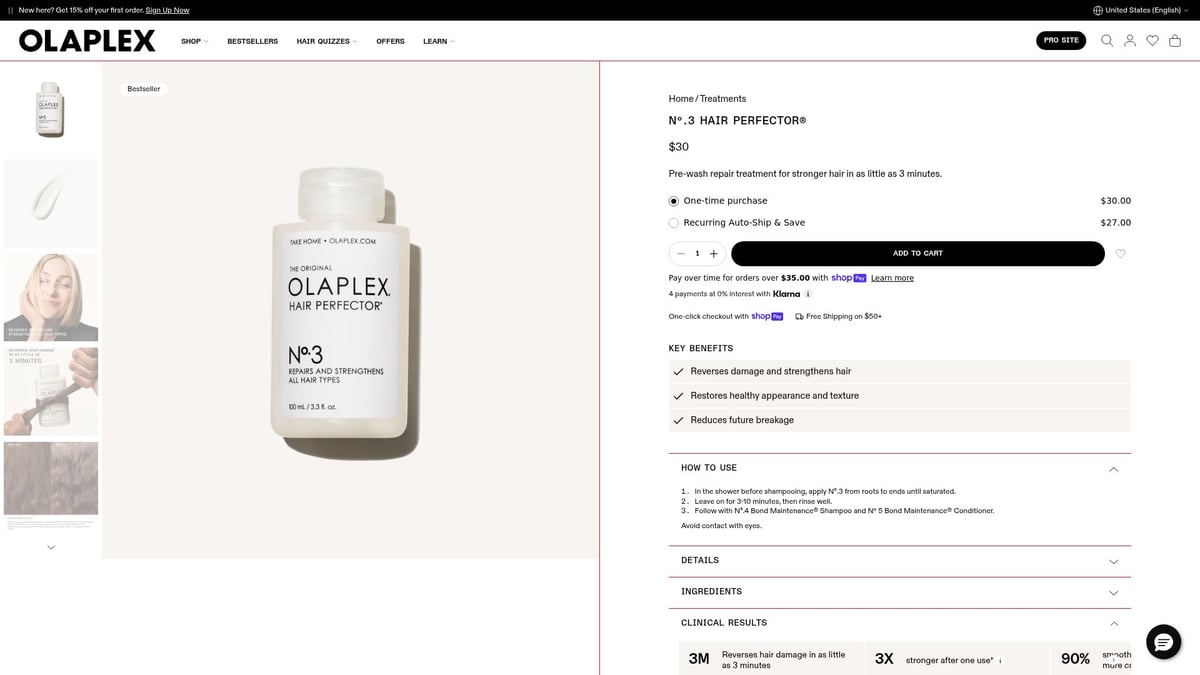
- Pricing: $30 (100ml)
- Core Features: Bond-building treatment, salon-quality results
- Benefits: Restores strength, improves texture, enhances shine
- Target Audience: Those with damaged, bleached, or chemically treated hair
Pros:
- Scientifically validated
- Noticeable results with continuous use
Cons:
- Requires consistency for optimal effects
As more consumers seek the beauty products that deliver professional results at home, Olaplex remains a trusted name, restoring hair health with every use.
7. Youth To The People Superfood Cleanser
Youth To The People Superfood Cleanser is a standout in the clean beauty products category for 2026. With ingredients like kale, spinach, and green tea, this gentle gel cleanser supports balanced, healthy skin.
- Pricing: $39 (8oz)
- Core Features: Antioxidant-rich, vegan, cruelty-free, eco-friendly packaging
- Benefits: Gently removes impurities, balances pH, supports skin vitality
- Target Audience: All skin types, especially those seeking natural and ethical the beauty products
Pros:
- Clean formulation
- Environmentally conscious packaging
Cons:
- May not remove heavy or waterproof makeup alone
Consumers are increasingly turning to the beauty products that are as good for the planet as they are for their skin. This cleanser fits the bill for anyone prioritizing health and sustainability.
8. Augustinus Bader The Rich Cream
Augustinus Bader The Rich Cream blends luxury with science, using patented TFC8 technology to deliver deep hydration and visible skin transformation. Among the beauty products for mature or dry skin, this cream is a leader.
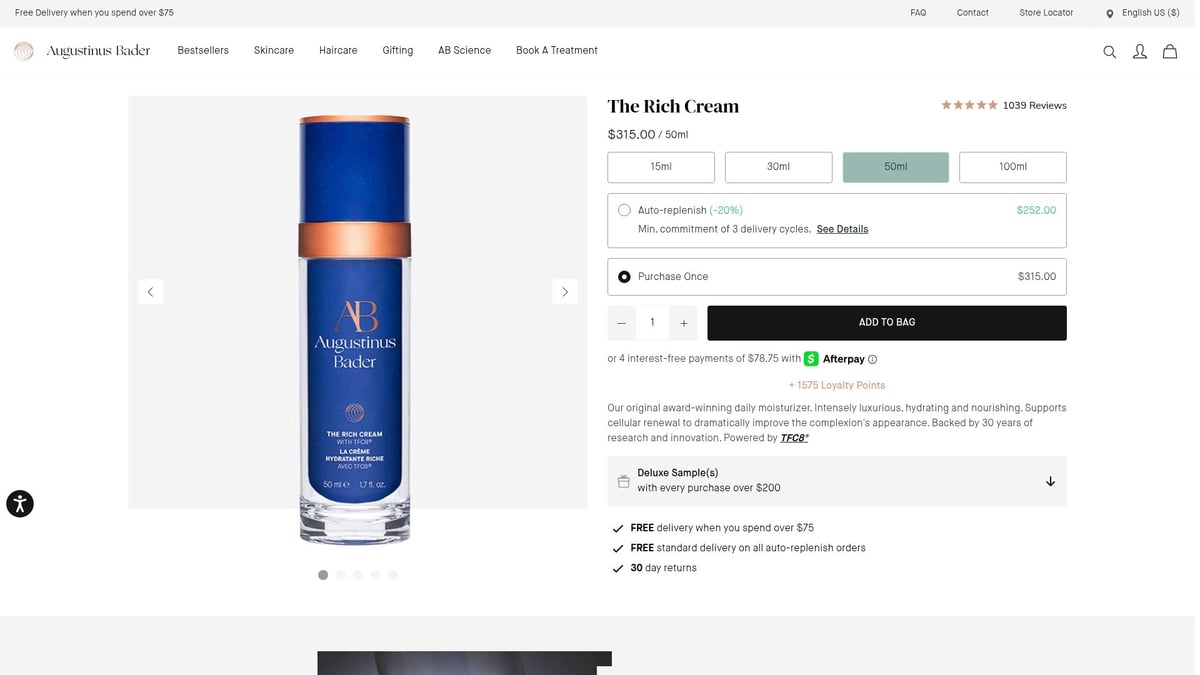
- Pricing: $290 (50ml)
- Core Features: Advanced TFC8 technology, deeply nourishing formula
- Benefits: Reduces fine lines, supports skin renewal, improves elasticity
- Target Audience: Mature, dry, or aging skin types
Pros:
- Backed by clinical research
- Celebrity favorite
Cons:
- Premium price point
- May be too rich for oily skin
If you’re looking to invest in the beauty products that deliver transformative results, The Rich Cream is a top contender.
9. Fenty Beauty Pro Filt’r Soft Matte Longwear Foundation
Fenty Beauty Pro Filt’r Soft Matte Longwear Foundation remains a trailblazer in the beauty products universe. With 50+ shades and oil-free, sweat-resistant coverage, it redefined expectations for inclusivity and performance.
- Pricing: $40 (32ml)
- Core Features: Matte finish, long-wear, extensive shade range
- Benefits: Blurs imperfections, lightweight, suitable for all skin tones
- Target Audience: Anyone seeking reliable, inclusive, and high-performance the beauty products
Pros:
- Pioneering inclusivity
- Buildable, natural coverage
Cons:
- Matte formula may not suit very dry skin
Fenty Beauty’s foundation sets the bar for the beauty products that celebrate diversity and wearability, making it essential for every collection.
Quick Comparison Table:
| Product Name | Category | Price | Unique Feature |
|---|---|---|---|
| The INCI Lab Custom Formulations | Bespoke Lab | Custom | Full IP ownership |
| SkinCeuticals C E Ferulic | Skincare | $182 | Gold-standard antioxidant |
| Dyson Airwrap Multi-Styler | Haircare | $599.99 | Air-based styling |
| Supergoop! Unseen Sunscreen SPF 40 | Suncare | $38 | Invisible finish |
| Rare Beauty Soft Pinch Liquid Blush | Makeup | $23 | Viral, inclusive shades |
| Olaplex No.3 Hair Perfector | Hair Repair | $30 | Bond-building tech |
| Youth To The People Superfood Cleanser | Cleanser | $39 | Superfood ingredients |
| Augustinus Bader The Rich Cream | Moisturizer | $290 | TFC8 technology |
| Fenty Beauty Pro Filt’r Soft Matte Foundation | Foundation | $40 | 50+ inclusive shades |
For a comprehensive look at how these products reflect the latest shifts in the beauty world, explore the Latest trends in cosmetics.
How to Choose the Right Beauty Essentials for Your Needs
Selecting the beauty products that fit your unique needs can feel overwhelming, given the vast array of options in 2026. To simplify your decision, focus on a few core criteria. By following a step-by-step approach, you can confidently curate a routine that matches your goals, values, and lifestyle.
Assessing Your Skin and Hair Type
Understanding your personal skin and hair characteristics is the foundation of choosing the beauty products that truly work. Identify if your skin is oily, dry, combination, or sensitive. For hair, consider factors like texture, porosity, and whether it is color-treated or natural.
A tailored approach ensures your routine addresses specific concerns, from hydration to repair. For example, those with dry skin may prioritize rich moisturizers, while oily skin types might opt for lightweight, non-comedogenic formulas.
Considering Lifestyle and Routine
The beauty products you select should fit seamlessly into your daily life. Busy professionals often benefit from multi-functional products, like tinted moisturizers with SPF, which save time without sacrificing care.
If you prefer a minimal routine, opt for essentials that deliver multiple benefits. Those who enjoy elaborate self-care rituals might invest in advanced devices or targeted treatments.
Budget and Value for Money
Balancing your budget with expectations is essential. While some of the beauty products are premium investments, others offer excellent results at accessible prices. Consider long-term value, not just upfront cost.
Recent studies show that 72% of consumers are willing to pay more for products with proven efficacy. Prioritize trusted brands and formulations that deliver measurable outcomes.
| Product Type | Average Price | Value Factors |
|---|---|---|
| Premium Skincare | $$$ | Clinical results, tech |
| Affordable Essentials | $ | Simplicity, reliability |
| Hybrid Products | $$ | Multi-use, efficiency |
Ingredient Preferences and Sensitivities
Always check ingredient lists before purchasing the beauty products. Sensitive skin may react to fragrances or certain actives, so look for formulations that match your preferences, such as fragrance-free or vegan options.
Transparency is increasingly important. Many leading brands now publish full ingredient disclosures, making it easier to avoid allergens or irritants and select clean, high-quality products.
Sustainability and Ethical Considerations
Eco-friendly packaging, cruelty-free certifications, and ethical sourcing are top priorities for many when choosing the beauty products. As consumers become more conscious, brands respond with innovative sustainable solutions.
If you want to explore more about natural and responsible beauty, consult this Guide to natural skincare secrets for expert tips and insights. Making mindful choices not only benefits you but also supports a healthier planet.
The Future of Beauty: Innovations to Watch Beyond 2026
The future of the beauty products industry is shaping up to be more advanced, personalized, and sustainable than ever before. As technology and consumer values evolve, several innovations are set to redefine how we choose and use the beauty products in the years ahead.
Key Innovations to Watch:
- AI-Driven Diagnostics: Artificial intelligence is powering personalized skin and hair analysis tools that deliver tailored product recommendations in real time. Smart mirrors and apps can now scan your skin, track changes, and suggest adjustments to your beauty routine.
- Biotech Ingredients: Lab-grown actives and sustainable alternatives are gaining traction. These ingredients, developed through biotechnology, offer high efficacy while reducing the environmental impact often associated with traditional sourcing. For more on the rise of sustainable and natural cosmetics, see Sustainable Beauty and Skincare Market Trends.
- Smart Beauty Devices: Devices such as LED face masks and light-based styling tools are becoming mainstream, delivering professional-level results at home. Innovations like L'Oréal's light-based hair straightener and advanced at-home treatments are transforming daily routines. Read more about these breakthroughs in Beauty Tech Integration in 2026.
- Virtual Try-Ons and Augmented Reality: AR tools let users visualize makeup, hair color, and even skincare results before committing to a purchase, making product selection more accessible and accurate.
- Inclusivity and Accessibility: Brands are expanding their ranges and developing adaptive products, ensuring that the beauty products cater to all skin tones, ages, and abilities.
| Innovation | Benefit | Example Application |
|---|---|---|
| AI Diagnostics | Personalized product matching | Smart mirrors, skin analysis apps |
| Biotech Ingredients | Sustainability, potency | Lab-grown actives, clean formulations |
| Smart Devices | Convenience, pro results at home | LED masks, light-based stylers |
| Virtual Try-Ons (AR) | Informed, accessible shopping | AR makeup apps, digital swatches |
| Inclusivity & Accessibility | Broader representation | Adaptive packaging, diverse shades |
As we look beyond 2026, the beauty products landscape will be shaped by technology, science, and a deeper focus on sustainability and inclusion. Staying informed about these trends ensures you are ready to embrace the next generation of the beauty products that truly meet your needs.
As you look ahead to updating your beauty routine for 2026, it’s clear that innovation, sustainability, and personalization are shaping the must-have essentials. Whether you’re a beauty enthusiast or an entrepreneur inspired by the latest trends in eco-friendly and high-performance products, this is the perfect moment to take the next step. If you’re ready to create standout formulations or launch your own line with full ownership and expert support, let’s make your vision a reality. Start Your Product Journey