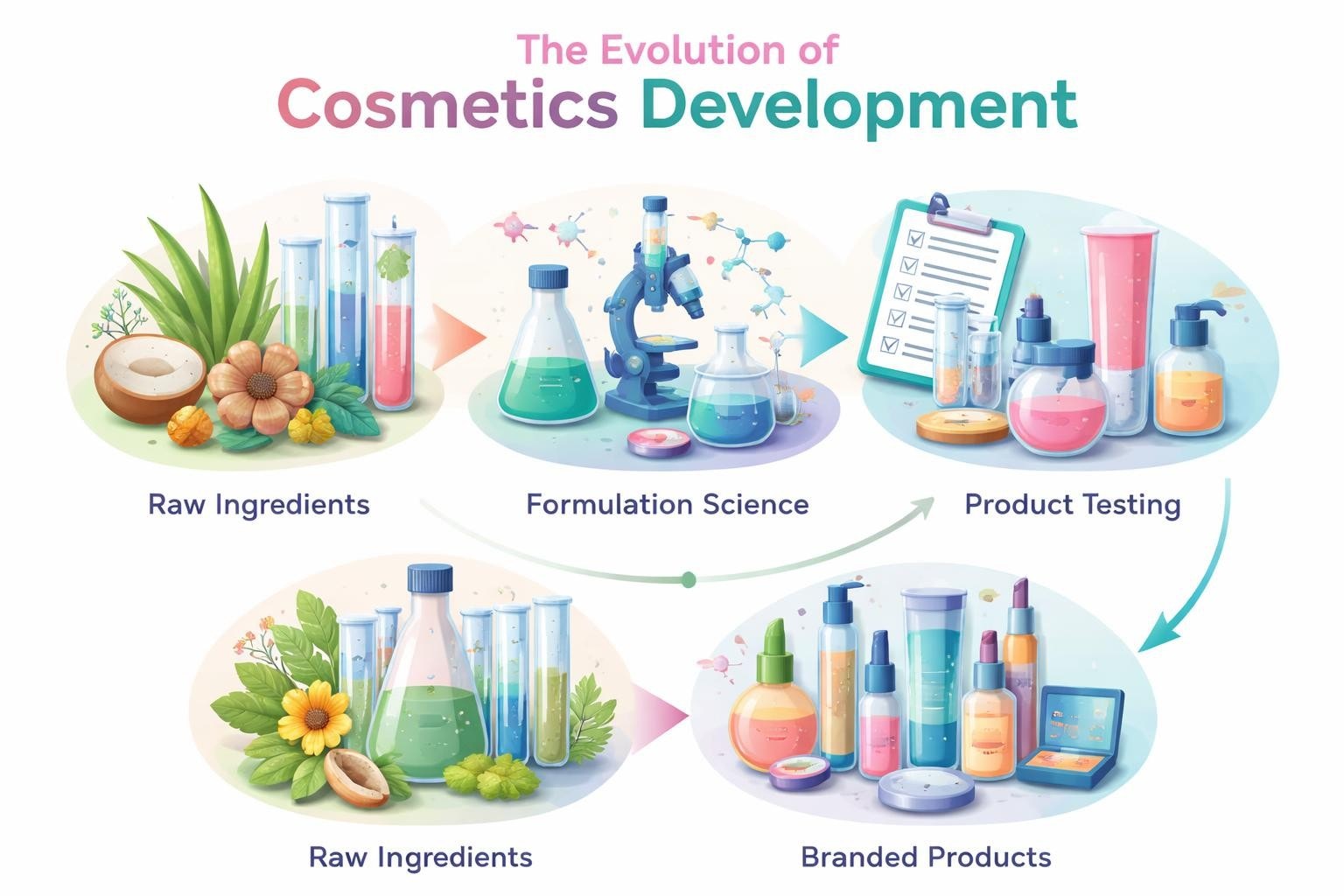

The personal care and cosmetics industry continues to evolve at an unprecedented pace, driven by consumer demand for transparency, sustainability, and efficacy. In 2026, brands face a landscape where formulation excellence meets environmental responsibility, creating both challenges and opportunities for entrepreneurs and established companies alike. Understanding the complexities of product development, regulatory compliance, and market positioning has become essential for success in this competitive sector. Whether you're launching a new brand or reformulating existing products, navigating the intersection of science, marketing, and consumer expectations requires strategic planning and expert guidance.
Understanding the Personal Care and Cosmetics Landscape
The scope of personal care and cosmetics extends far beyond traditional beauty products. This dynamic industry encompasses skincare, haircare, body care, color cosmetics, fragrances, and specialized treatments that address specific consumer needs. According to The Personal Care Products Council's industry overview, the sector contributes significantly to the U.S. economy through manufacturing, employment, and innovation.
Modern consumers demand more from their products:
- Clean ingredient lists with transparent sourcing
- Sustainable packaging and eco-conscious formulations
- Clinically proven results backed by scientific research
- Customization options that address individual concerns
- Ethical production practices and cruelty-free certifications
The market has shifted dramatically toward natural and organic formulations, with brands prioritizing eco-friendly cosmetic practices to meet consumer expectations. This transformation requires manufacturers to balance traditional performance standards with contemporary sustainability goals.
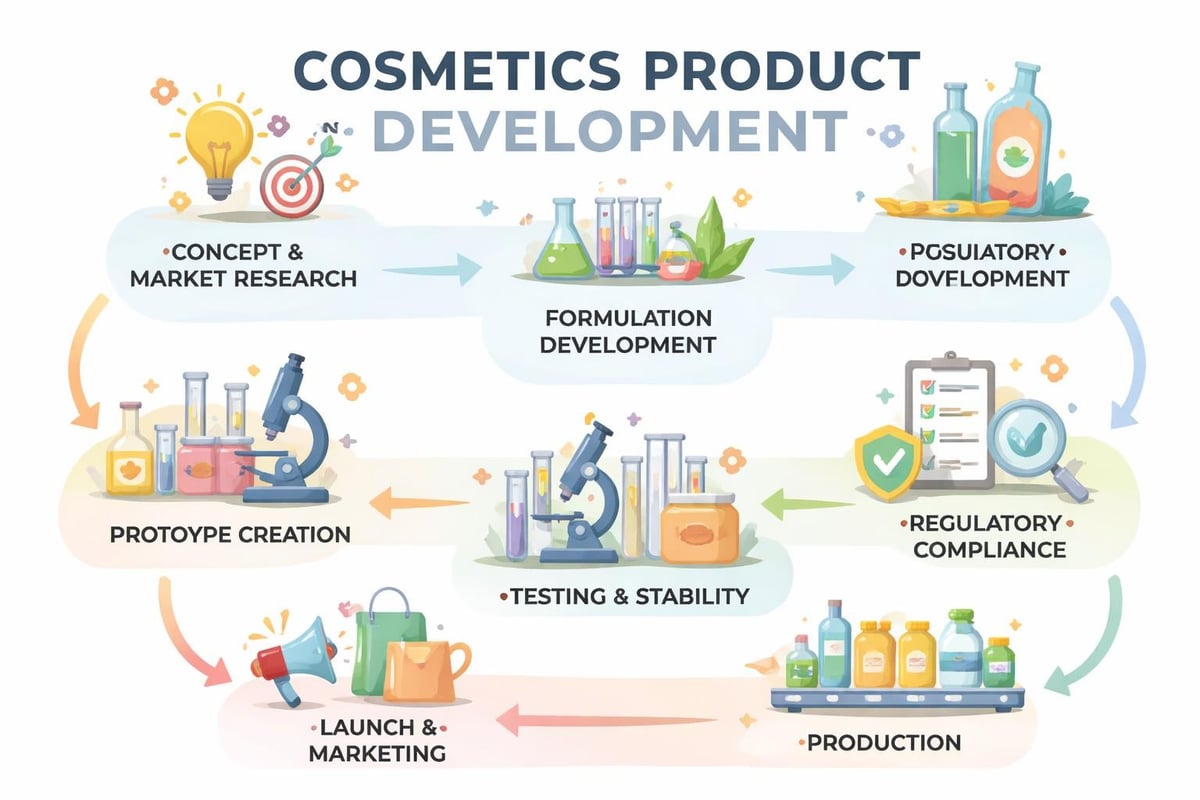
The Economic Impact of Beauty Products
The beauty industry's economic footprint continues to expand in 2026. Manufacturing facilities across the country employ thousands of chemists, formulators, production specialists, and quality control professionals. Recent trade statistics demonstrate how personal care and cosmetics drive both domestic production and international export opportunities.
Small brands and entrepreneurial ventures contribute substantially to this growth. Direct-to-consumer models have democratized access to the market, enabling innovative formulators to reach customers without traditional retail barriers. However, success requires more than just a great idea-it demands formulation expertise, regulatory knowledge, and production capabilities.
Formulation Science in Personal Care Products
Creating effective personal care and cosmetics requires deep understanding of ingredient chemistry, stability testing, and performance optimization. Each product category presents unique formulation challenges that professional chemists must address through careful component selection and precise manufacturing protocols.
Key Formulation Considerations
| Formulation Aspect | Critical Factors | Testing Requirements |
|---|---|---|
| Stability | pH balance, temperature range, shelf life | Accelerated aging, freeze-thaw cycles |
| Safety | Skin irritation potential, allergen screening | Patch testing, clinical trials |
| Efficacy | Active ingredient concentration, delivery systems | Consumer perception studies, instrumental testing |
| Compatibility | Preservative systems, packaging materials | Migration testing, compatibility studies |
Understanding INCI ingredients forms the foundation of successful product development. The International Nomenclature of Cosmetic Ingredients provides standardized naming conventions that ensure transparency and regulatory compliance across global markets.
Professional formulators consider multiple variables when developing new products. Texture, fragrance, color, absorption rate, and finish all contribute to consumer satisfaction. These sensory attributes must align with functional performance to create products that deliver on their promises.
Natural and Synthetic Ingredient Balance
The debate between natural and synthetic ingredients continues to shape formulation strategies. While consumers increasingly prefer natural options, certain synthetic components offer superior stability, preservation, or performance characteristics. Skilled formulators navigate this tension by selecting personal care ingredients that optimize both safety and efficacy.
Advantages of natural ingredients:
- Consumer appeal and marketing benefits
- Renewable sourcing and sustainability credentials
- Compatibility with clean beauty positioning
- Reduced environmental impact during production
Benefits of synthetic components:
- Precise concentration control
- Consistent batch-to-batch performance
- Enhanced stability and preservation
- Cost-effective scaling opportunities
The most successful formulations often combine both approaches, leveraging natural actives while incorporating synthetic stabilizers or preservatives when necessary for product safety and longevity.
Regulatory Compliance and Safety Standards
Navigating regulatory requirements represents a critical aspect of bringing personal care and cosmetics to market. The FDA oversees cosmetic safety in the United States, though regulations differ significantly from pharmaceutical standards. Manufacturers bear responsibility for ensuring their products are safe for intended use before commercial distribution.
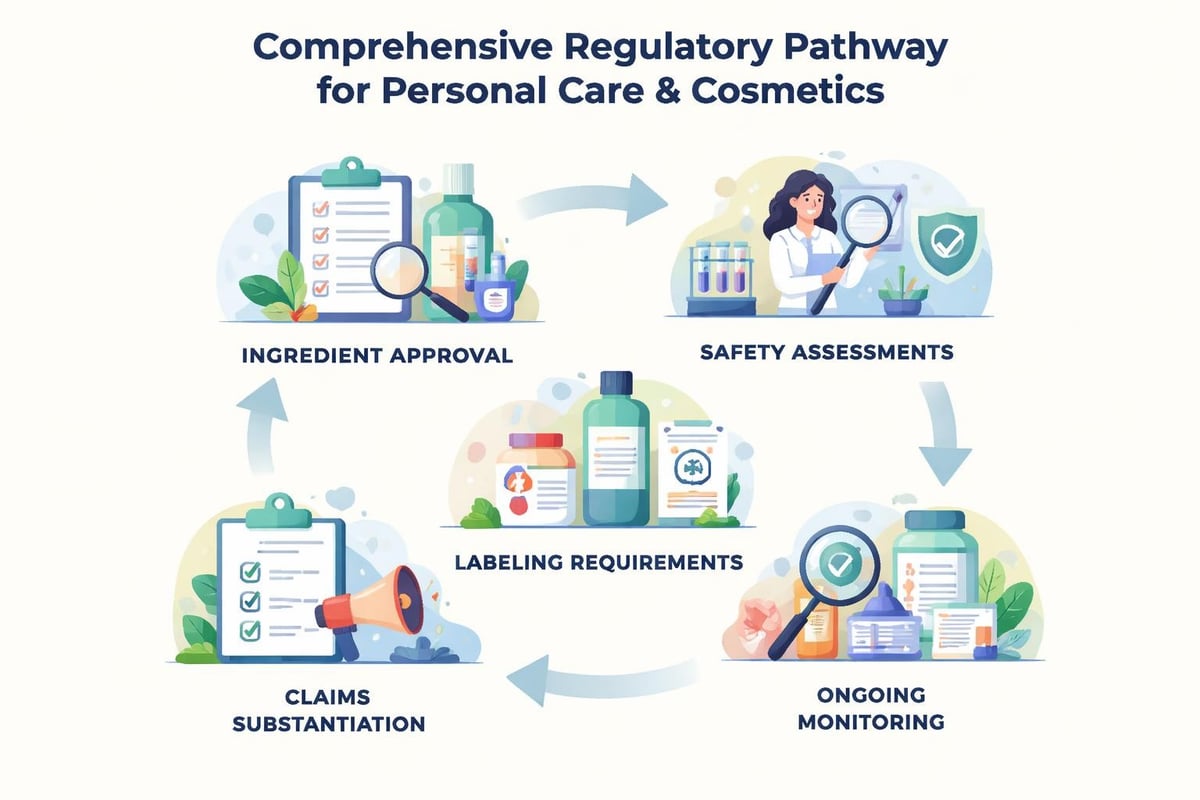
CosmeticsInfo.org provides extensive safety data that helps formulators make informed ingredient decisions. This resource offers peer-reviewed information on thousands of cosmetic ingredients, including safety assessments and usage guidelines.
Documentation and Testing Protocols
Proper documentation protects both consumers and manufacturers. Essential records include:
- Complete ingredient specifications with supplier certifications
- Manufacturing batch records documenting production parameters
- Stability testing data demonstrating shelf life claims
- Safety assessments evaluating potential hazards
- Microbial challenge testing validating preservative efficacy
These protocols ensure consistent quality and provide accountability if questions arise about product safety or performance. Brands that invest in thorough testing and documentation build consumer trust while protecting against potential liability issues.
Market Trends Shaping Product Development
Consumer preferences evolve rapidly in the beauty sector, requiring brands to stay agile and responsive. In 2026, several dominant trends influence formulation priorities and marketing strategies across the personal care and cosmetics industry.
Personalization and customization have moved from luxury positioning to mainstream expectation. Consumers seek products tailored to their specific skin types, concerns, and preferences. This trend drives demand for flexible formulation platforms that allow variation while maintaining core quality standards.
Transparency and education continue gaining importance. Modern consumers research ingredients, read clinical studies, and demand proof of product claims. Brands must provide clear information about formulation choices, sourcing practices, and expected results. This shift toward informed purchasing requires marketing strategies grounded in scientific credibility.
Sustainability Beyond Green Marketing
Environmental consciousness has evolved from marketing advantage to baseline expectation. Authentic sustainability encompasses ingredient sourcing, manufacturing processes, packaging materials, and end-of-life considerations. Brands developing new skincare products must integrate these values throughout their entire value chain.
| Sustainability Focus | Implementation Strategies | Consumer Impact |
|---|---|---|
| Ingredient Sourcing | Fair trade partnerships, renewable resources | Ethical purchasing alignment |
| Manufacturing | Energy-efficient processes, waste reduction | Carbon footprint concerns |
| Packaging | Recyclable materials, refill systems | Waste reduction participation |
| Transportation | Local production, optimized logistics | Environmental responsibility |
The most successful brands embed sustainability into their core identity rather than treating it as an add-on feature. This authentic approach resonates with conscious consumers who increasingly vote with their purchasing decisions.
Building Successful Product Lines
Strategic product development balances market opportunity with operational feasibility. Launching too many products simultaneously strains resources and dilutes marketing impact, while offering too few limits revenue potential and market reach. Successful brands build cohesive lines that address complementary consumer needs.
Product Portfolio Strategy
Starting with a focused core collection allows brands to establish market presence while managing complexity. A typical launch might include:
- Three to five hero products addressing primary consumer concerns
- Complementary formulations that work synergistically
- Clear differentiation between product benefits and usage occasions
- Scalable manufacturing that accommodates growth without complete retooling
This approach enables brands to test market response, gather consumer feedback, and refine formulations before expanding into additional categories. Successful cosmetic brands often begin with a narrow focus that allows them to perfect their formulations and build brand reputation.
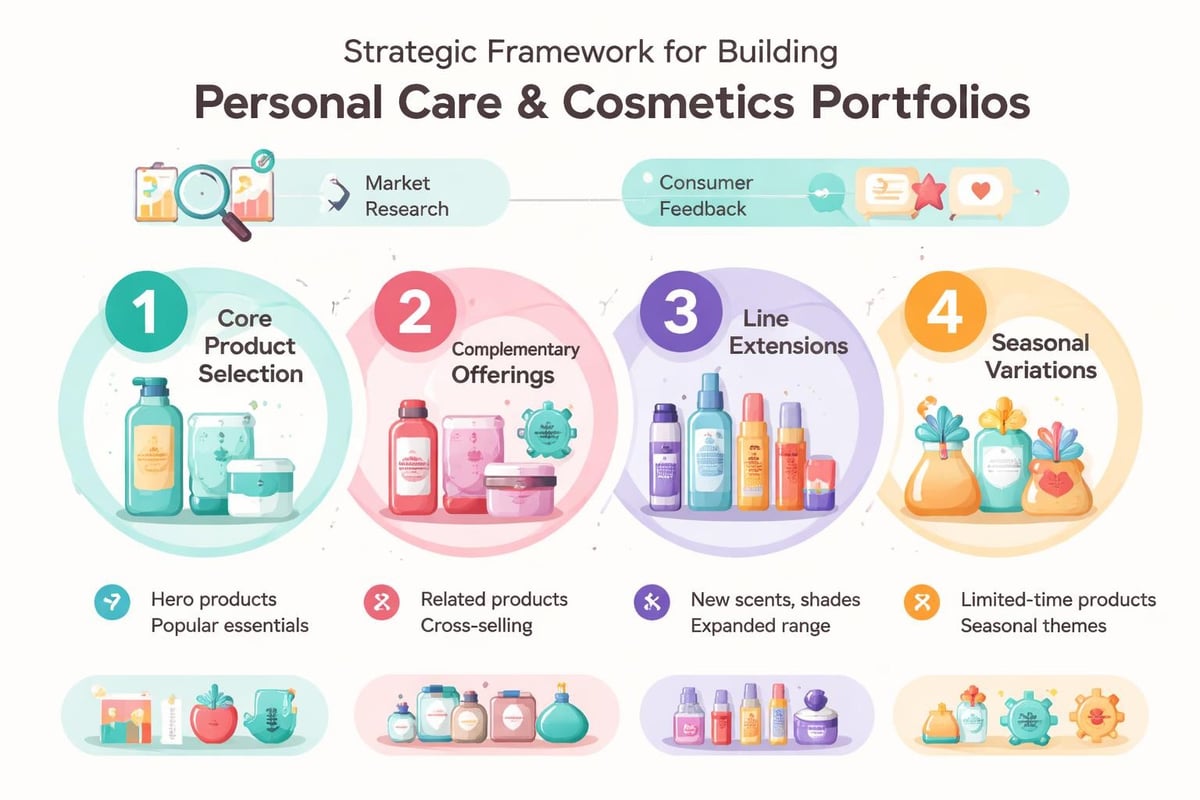
Customer feedback drives iterative improvement. Brands should establish mechanisms for collecting and analyzing consumer input, whether through direct reviews, social media engagement, or formal testing panels. This information guides reformulation decisions and new product development priorities.
Manufacturing and Production Considerations
Transforming formulations from laboratory samples to commercial products requires careful production planning. Scaling introduces challenges that bench-top development doesn't reveal, including mixing efficiency, temperature control, and component compatibility at larger volumes.
Manufacturing decision factors:
- Minimum order quantities and economic batch sizes
- Equipment capabilities and cleaning requirements
- Lead times for raw material procurement
- Quality control procedures and sampling protocols
- Packaging line integration and filling specifications
Brands must decide between in-house production and contract manufacturing. Each approach offers distinct advantages depending on volume requirements, capital availability, and desired control over production processes. Many emerging brands partner with specialized manufacturers who provide equipment, expertise, and regulatory knowledge.
Quality Assurance Throughout Production
Maintaining consistent quality across production runs requires systematic quality assurance programs. These systems monitor critical control points from raw material receipt through final product release.
Testing protocols should verify:
- Raw material identity and purity
- In-process parameters during manufacturing
- Finished product specifications and stability
- Packaging integrity and labeling accuracy
- Microbial limits and preservative effectiveness
Investment in quality assurance prevents costly recalls, protects brand reputation, and ensures consumer safety. These systems become increasingly important as brands scale and distribution expands.
Innovation and Differentiation Strategies
Standing out in the crowded personal care and cosmetics marketplace requires genuine innovation rather than superficial differentiation. Successful brands identify unmet consumer needs and develop formulations that address these gaps with demonstrable benefits.
Innovation can emerge from multiple sources:
Novel ingredients offering unique benefits or improved performance compared to existing options. These might include newly approved actives, biotechnology-derived components, or sustainably sourced botanicals with clinical backing.
Advanced delivery systems that enhance ingredient penetration, stability, or release patterns. Encapsulation technologies, nano-emulsions, and targeted delivery mechanisms can improve efficacy and create competitive advantages.
Format innovations that reimagine how consumers interact with products. Waterless formulations, solid formats, customizable concentrations, and multi-functional products respond to evolving lifestyle preferences.
Protecting Intellectual Property
Brands investing in genuine innovation should consider intellectual property protection strategies. While cosmetic formulations face challenges in patent law, several protection mechanisms exist:
| Protection Type | Coverage | Duration | Considerations |
|---|---|---|---|
| Trade Secrets | Formulation details, processes | Indefinite if maintained | Requires strict confidentiality |
| Patents | Novel ingredients, methods | 20 years from filing | Must meet novelty standards |
| Trademarks | Brand names, logos, packaging | Renewable indefinitely | Protects brand identity |
| Copyright | Marketing materials, content | Author's life plus 70 years | Limited cosmetic application |
Working with experienced formulators who provide full formulation ownership enables brands to protect their investments while maintaining flexibility for future modifications and improvements.
Consumer Education and Marketing Integration
Effective marketing for personal care and cosmetics requires balancing aspirational messaging with educational content. Modern consumers want to understand what they're purchasing, why specific ingredients were chosen, and how products deliver promised results.
Content marketing strategies should address:
- Ingredient education explaining formulation choices
- Usage instructions optimizing product performance
- Science communication translating research into accessible information
- Sustainability storytelling demonstrating authentic commitment
- Customer testimonials providing social proof
The Personal Care Products Council's resources offer valuable information that brands can adapt for consumer education initiatives. Positioning your brand as a trusted information source builds credibility and customer loyalty.
Digital Presence and E-Commerce Optimization
Direct-to-consumer sales channels dominate beauty industry growth in 2026. Brands must optimize their digital presence across multiple touchpoints, from social media discovery through e-commerce conversion and post-purchase engagement.
Essential digital elements include:
- Mobile-optimized product pages with detailed information
- High-quality imagery showing texture, application, and results
- Customer reviews and user-generated content
- Educational blog content and video tutorials
- Streamlined checkout processes with multiple payment options
Social commerce continues expanding, with platforms integrating shopping features directly into content feeds. Brands should develop platform-specific strategies that align with where their target consumers spend time and how they prefer to discover new products.
The Future of Personal Care and Cosmetics
Looking ahead, the personal care and cosmetics industry will continue evolving in response to technological advancement, regulatory changes, and shifting consumer values. Brands that remain flexible while maintaining formulation excellence will thrive in this dynamic environment.
Emerging technologies like artificial intelligence, biotechnology, and advanced materials science promise to revolutionize product development. Personalization will extend beyond marketing to truly customized formulations matched to individual biology and preferences.
Sustainability requirements will intensify, driven by both regulatory mandates and consumer expectations. Brands must prepare for increasing scrutiny of environmental claims, with demands for verifiable data supporting sustainability assertions.
The regulatory landscape will likely tighten, with potential new requirements for ingredient disclosure, safety testing, and claims substantiation. Proactive brands that exceed current standards will find themselves well-positioned for future compliance obligations.
Preparation strategies for future success:
- Invest in formulation expertise and scientific credibility
- Build flexible manufacturing relationships that accommodate innovation
- Develop authentic sustainability programs with measurable outcomes
- Create educational content that positions your brand as an industry authority
- Maintain agility to respond quickly to emerging trends and opportunities
Brands that view formulation as strategic investment rather than commodity service will differentiate themselves in increasingly competitive markets. Quality formulations create the foundation for long-term customer relationships and sustainable business growth.
Success in personal care and cosmetics requires expertise spanning formulation science, regulatory compliance, market strategy, and production management. Whether you're launching your first product or expanding an established line, partnering with experienced formulators accelerates development while ensuring quality and compliance. The INCI Lab provides comprehensive support from concept through production, offering custom formulations, sustainable ingredient sourcing, and full ownership of your unique products. Transform your vision into award-winning personal care and cosmetics that stand out in today's competitive market.