

The beauty industry has witnessed a remarkable transformation in recent years, with personal cosmetics emerging as a powerful force reshaping how consumers approach skincare, makeup, and self-care. Unlike traditional mass-market products, personal cosmetics represent a shift toward individualized solutions that address specific skin types, concerns, and lifestyle preferences. This evolution reflects growing consumer awareness about ingredient transparency, sustainability, and the desire for products that truly deliver results. As entrepreneurs and established brands navigate this dynamic landscape, understanding the nuances of personal care products becomes essential for creating competitive, high-performance offerings that resonate with today's discerning consumers.
The Rise of Customized Beauty Solutions
Personal cosmetics have moved far beyond one-size-fits-all formulations. Today's consumers demand products specifically designed for their unique skin chemistry, environmental factors, and personal values. This shift has created unprecedented opportunities for brands willing to invest in custom formulation development.
The market for personalized beauty products continues to expand as consumers recognize that their skin deserves more than generic solutions. Factors driving this growth include:
- Increased awareness of skin microbiome diversity
- Recognition that climate and environment affect skin differently
- Growing concern about harmful ingredients in conventional products
- Desire for cruelty-free and sustainable beauty options
- Social media influence showcasing unique beauty routines
According to recent industry analysis, the cosmetics industry continues to open factories despite market challenges, demonstrating the sector's resilience and commitment to innovation. This expansion reflects confidence in the personalized beauty market's long-term potential.
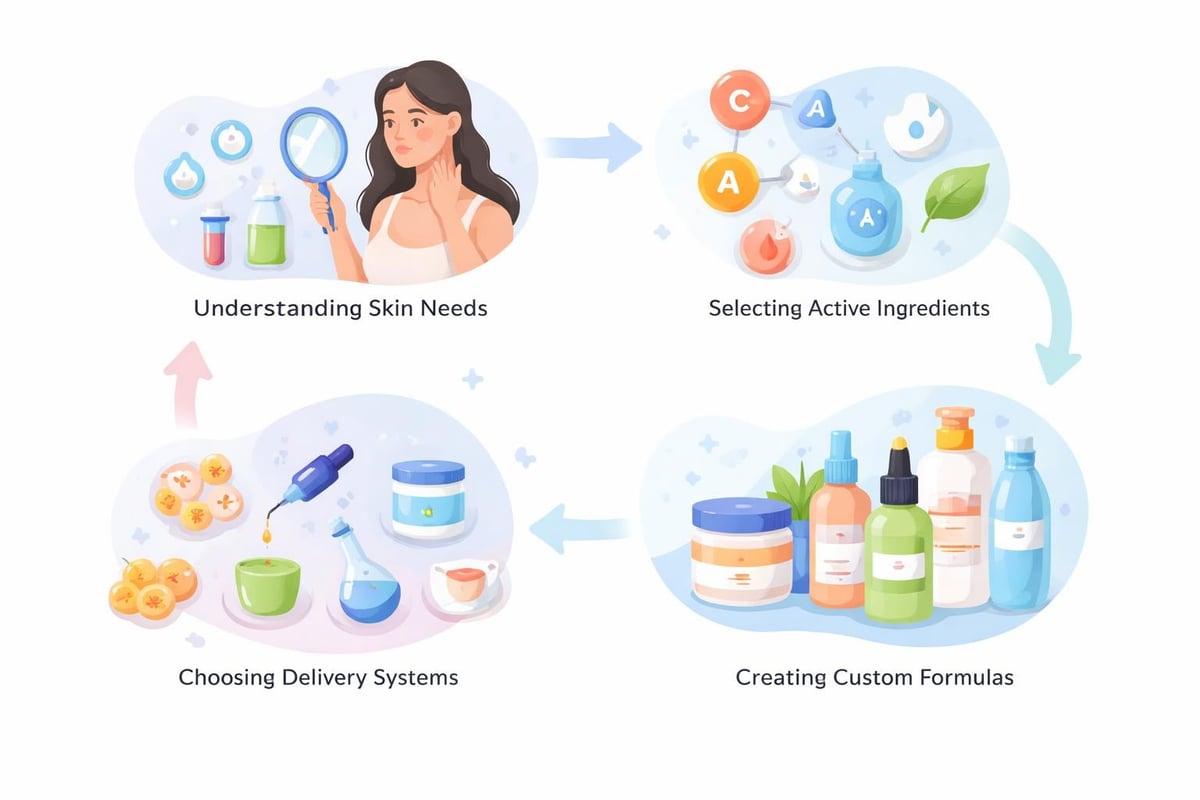
Understanding Ingredient Transparency
Modern consumers scrutinize ingredient lists with unprecedented attention. The International Nomenclature of Cosmetic Ingredients (INCI) system provides standardized naming conventions that enable consumers to make informed decisions about what they apply to their skin. Understanding INCI naming conventions empowers both brands and consumers to communicate effectively about product composition.
Personal cosmetics that prioritize transparency build trust and loyalty. Brands must clearly communicate not just what ingredients they use, but why specific components were selected for particular benefits. This educational approach transforms customers into informed advocates who understand the science behind their beauty routines.
Regulatory Landscape and Safety Standards
Creating personal cosmetics requires navigating complex regulatory frameworks designed to protect consumer safety. Different regions maintain varying standards, making compliance a critical consideration for brands operating in multiple markets.
North American Requirements
The United States maintains specific regulations governing cosmetic safety, though many advocates argue for stronger oversight. The FDA has proposed stricter testing requirements, particularly for talc-based products to ensure they remain asbestos-free. Understanding U.S. laws and regulations on cosmetic chemicals helps brands develop compliant formulations from the outset.
Key compliance considerations include:
- Proper ingredient documentation and sourcing verification
- Batch testing protocols for consistency and safety
- Stability testing across temperature ranges and timeframes
- Microbial testing to ensure product preservation
- Allergen identification and labeling requirements
European Union Standards
The EU maintains some of the world's most comprehensive cosmetic regulations. EC Regulation 1223/2009 establishes detailed requirements for safety assessments, product information files, and responsible person designation. Brands developing personal cosmetics for European markets must ensure full compliance with these stringent standards.
| Regulatory Aspect | EU Requirements | US Requirements |
|---|---|---|
| Pre-market approval | Safety assessment required | Generally not required |
| Ingredient restrictions | Extensive banned list (1300+ substances) | Limited banned list |
| Product notification | Mandatory through CPNP portal | Voluntary registration |
| Labeling requirements | Detailed INCI listing mandatory | INCI listing required |
| Responsible person | Must be designated | Not required |
Sustainable Ingredient Selection
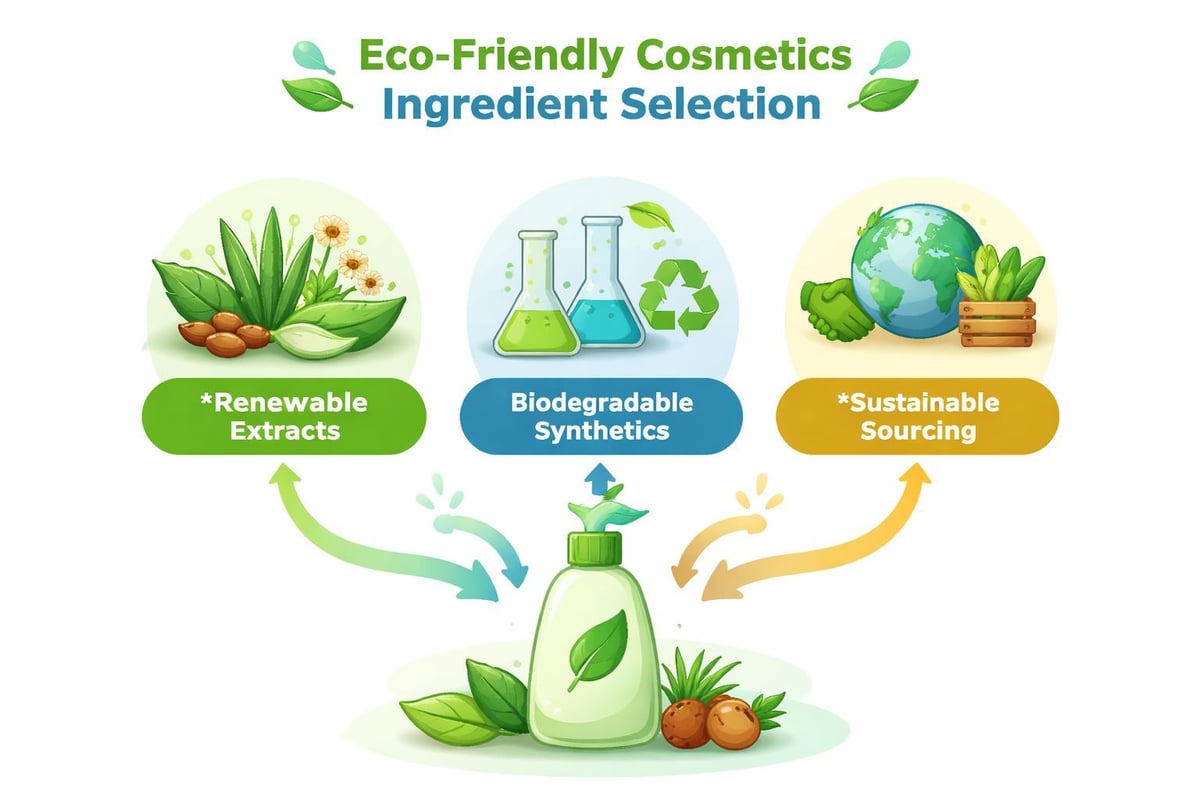
Environmental consciousness drives modern personal cosmetics development. Consumers increasingly demand products that deliver results without compromising planetary health. This requires careful ingredient selection that balances efficacy, safety, and environmental impact.
Eco-friendly cosmetic brands recognize that sustainability extends beyond avoiding harmful ingredients. It encompasses sourcing practices, packaging choices, manufacturing processes, and end-of-life considerations. Brands committed to genuine sustainability must evaluate their entire supply chain.
Natural vs. Synthetic: A Balanced Approach
The debate between natural and synthetic ingredients often creates false dichotomies. Effective personal cosmetics formulations frequently combine both, selecting each ingredient based on performance, safety profile, and environmental considerations rather than origin alone.
Benefits of well-selected synthetic ingredients:
- Consistent quality and purity standards
- Lower risk of contamination or allergens
- Often more sustainable than harvesting rare natural materials
- Precise molecular structures for targeted results
- Better stability in formulations
Advantages of natural ingredients:
- Consumer preference and marketing appeal
- Rich in complementary phytonutrients
- Renewable when properly sourced
- Traditional use patterns providing historical safety data
- Biodegradable characteristics
The most successful personal cosmetics brands develop personal care ingredients strategies that thoughtfully integrate both categories, prioritizing performance and safety above marketing narratives.
Formulation Development Process
Creating effective personal cosmetics requires scientific expertise, creative problem-solving, and rigorous testing. The formulation development journey transforms concepts into market-ready products that deliver consistent results.
Phase One: Concept and Research
Every successful personal cosmetics product begins with clear objectives. Formulators must understand target demographics, desired benefits, sensory preferences, and market positioning. This research phase includes:
- Competitive analysis of existing products
- Consumer preference studies
- Ingredient efficacy research
- Cost-benefit analysis
- Regulatory requirement review
Starting a cosmetic brand requires balancing creative vision with practical constraints. Entrepreneurs must define realistic goals that account for budget limitations, manufacturing capabilities, and market opportunities.
Phase Two: Prototype Development
Initial formulation work creates base prototypes that address core requirements. This iterative process involves adjusting ingredient ratios, testing compatibility, and evaluating stability. Professional formulators systematically document each variation, creating detailed records that ensure reproducibility.
The importance of quality formulations cannot be overstated. Poor formulation work results in products that separate, change color, lose efficacy, or develop unpleasant odors. Investment in expert formulation development prevents costly mistakes and brand reputation damage.
Phase Three: Testing and Refinement
Comprehensive testing validates that personal cosmetics products perform as intended across diverse conditions. This phase includes:
- Stability testing at various temperatures and humidity levels
- Microbial challenge testing to confirm preservation adequacy
- Compatibility testing with packaging materials
- User trials to assess sensory properties and perceived benefits
- Safety assessments including patch testing for irritation potential
Understanding how to formulate safe and effective cosmetic products requires following established protocols that minimize risk while maximizing performance. Professional formulation partners provide expertise that accelerates development while ensuring compliance.
Market Trends Shaping Personal Cosmetics
The personal cosmetics landscape evolves rapidly as consumer preferences shift and new technologies emerge. Brands must stay informed about trending ingredients, delivery systems, and product categories to remain competitive.
Clean Beauty Movement
Consumers increasingly scrutinize ingredient safety, driving demand for formulations free from controversial substances. The clean beauty movement has prompted brands to reformulate existing products and develop new offerings that meet evolving standards. However, concerns about cosmetics safety extend beyond ingredient selection to proper usage and storage practices.
Key clean beauty priorities:
- Paraben-free preservation systems
- Sulfate-free cleansing agents
- Synthetic fragrance alternatives
- Mineral-based sun protection
- Non-nano particle formulations
Multifunctional Products
Modern consumers value efficiency, creating demand for personal cosmetics that deliver multiple benefits in single formulations. Products combining skincare and makeup, or addressing several concerns simultaneously, align with busy lifestyles and minimalist beauty routines.
Popular multifunctional categories include:
| Product Type | Combined Benefits | Consumer Appeal |
|---|---|---|
| Tinted moisturizers | Hydration + coverage + SPF | Simplified morning routine |
| Serum foundations | Treatment actives + makeup | Skincare during makeup wear |
| Lip and cheek tints | Multi-use color product | Travel-friendly convenience |
| BB/CC creams | Multiple skin corrections | All-in-one complexion solution |
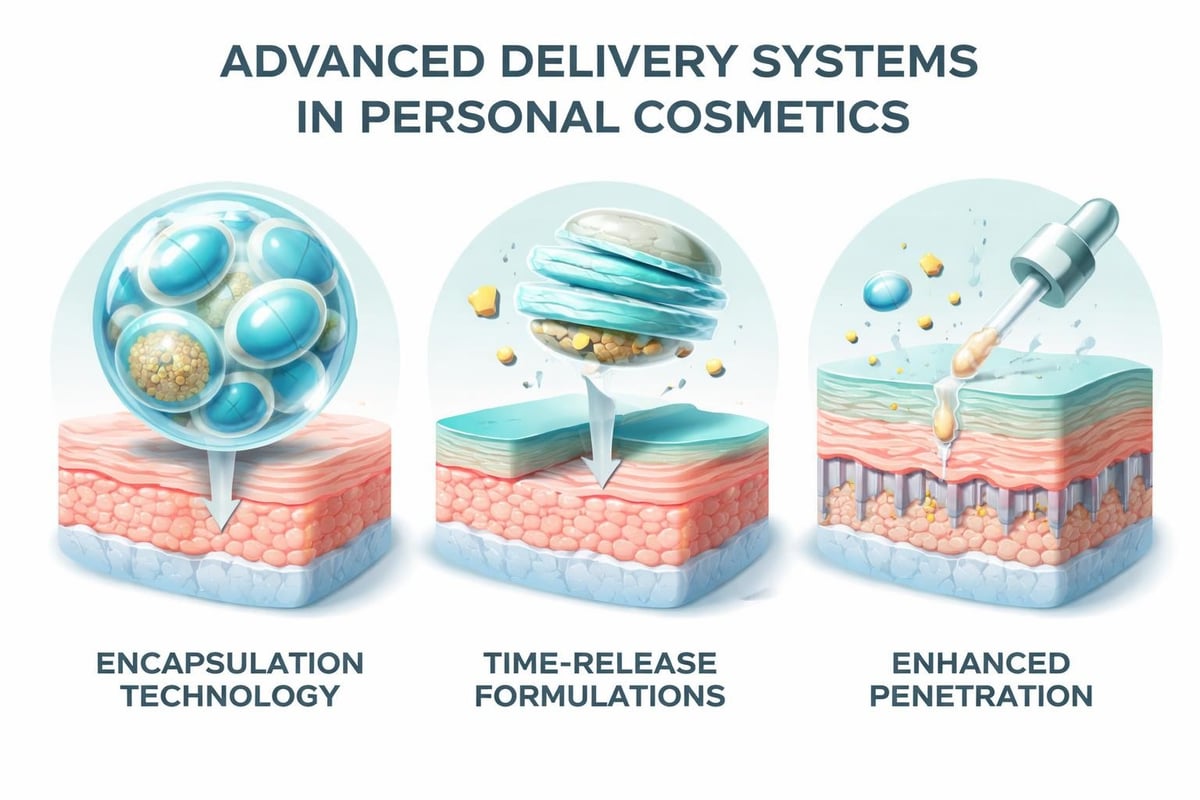
Technology-Enhanced Delivery
Innovation in delivery systems enables personal cosmetics to deliver active ingredients more effectively. Encapsulation technologies, time-release mechanisms, and penetration enhancers improve ingredient stability and bioavailability, resulting in superior performance.
Building a Successful Personal Cosmetics Brand
Entrepreneurs entering the personal cosmetics market face both opportunities and challenges. Success requires more than compelling formulations-it demands strategic planning, market understanding, and operational excellence.
Defining Brand Identity
Distinctive brand positioning separates successful personal cosmetics companies from competitors. This identity encompasses visual elements, messaging, values, and the emotional connection created with consumers. New skincare brands must articulate what makes their approach unique and why consumers should choose their products.
Effective brand identity answers critical questions:
- What specific problems do your products solve?
- Who is your ideal customer, and what do they value?
- What makes your formulations different from alternatives?
- How do your business practices reflect consumer values?
- What experience do customers have with your brand?
Manufacturing Partnership Selection
Choosing the right formulation and manufacturing partner significantly impacts product quality, development speed, and long-term success. Established partners provide expertise that prevents costly mistakes while accelerating time to market.
Critical selection criteria:
- Demonstrated expertise in your product categories
- Commitment to sustainable and ethical practices
- Transparent communication and collaborative approach
- Quality control systems and testing capabilities
- Intellectual property protection guarantees
- Scalability to accommodate business growth
Working with specialists who offer comprehensive support from concept to production ensures that personal cosmetics brands receive guidance throughout the development journey. This partnership approach transforms ideas into market-ready products that meet regulatory requirements and consumer expectations.
Quality Control and Consistency
Maintaining consistent product quality builds consumer trust and brand reputation. Personal cosmetics brands must implement robust quality control systems that monitor every production batch, ensuring each unit meets specifications.
Quality assurance encompasses:
- Raw material verification and testing
- In-process quality checks during manufacturing
- Finished product testing against specifications
- Packaging integrity verification
- Stability monitoring of market inventory
The importance of sampling in product development extends beyond initial formulation work. Ongoing sampling and testing throughout the product lifecycle identifies potential issues before they affect consumers.
Direct-to-Consumer Strategies
The rise of e-commerce has transformed how personal cosmetics brands reach consumers. Direct-to-consumer (DTC) models enable companies to build relationships, gather feedback, and maintain higher margins compared to traditional retail distribution.
Digital Marketing Foundations
Successful DTC personal cosmetics brands master digital marketing channels that drive awareness and conversions. This requires integrated strategies spanning multiple platforms and touchpoints. Building a successful DTC beauty brand demands understanding how different consumer segments interact with digital content.
Essential digital channels:
- Social media for community building and engagement
- Email marketing for customer retention and education
- Content marketing establishing expertise and trust
- Influencer partnerships providing social proof
- Paid advertising driving targeted traffic
- User-generated content showcasing real results
Consumer Education and Transparency
Personal cosmetics brands that educate consumers build stronger relationships and foster loyalty. Transparent communication about ingredients, sourcing practices, and formulation decisions demonstrates respect for customer intelligence and creates informed advocates.
Educational content should address:
- Why specific ingredients were selected for formulations
- How products should be incorporated into routines
- What realistic results consumers can expect
- How the brand approaches sustainability and ethics
- The science supporting product claims
Resources like asking the chemist provide direct access to expertise, strengthening consumer confidence in product quality and brand integrity.
Innovation and Product Development Cycles
The personal cosmetics industry rewards innovation while demanding consistency. Brands must balance introducing new products with maintaining core offerings that customers rely upon. Strategic product development considers market trends, consumer feedback, and competitive dynamics.
Reformulation Strategies
Existing products sometimes require updates to address changing regulations, improve performance, or incorporate superior ingredients. The benefits of reformulating cosmetic products include enhanced efficacy, better sustainability profiles, and renewed market interest.
Reformulation considerations include:
- Maintaining beloved sensory properties customers expect
- Communicating changes transparently to existing users
- Testing to ensure improved performance justifies investment
- Timing launches to minimize disruption to loyal customers
- Updating marketing materials to highlight improvements
Trend Monitoring and Adaptation
Staying current with cosmetic trends helps brands identify opportunities for new product development. However, successful companies distinguish between lasting shifts and temporary fads, investing resources in innovations with long-term potential.
Market intelligence gathering should include:
- Industry trade publications and research reports
- Social media monitoring for emerging conversations
- Competitor product launches and positioning
- Ingredient supplier innovation announcements
- Consumer behavior studies and preference surveys
Understanding what's new in cosmetics enables brands to make informed decisions about product pipeline priorities and resource allocation.
Safety Considerations and Consumer Protection
Personal cosmetics brands bear responsibility for ensuring products remain safe throughout their shelf life. This obligation extends beyond regulatory compliance to ethical considerations about consumer wellbeing. Safety concerns for personal care products include allergic reactions, contamination risks, and improper usage patterns.
Preservation and Stability
Effective preservation systems protect personal cosmetics from microbial contamination while maintaining ingredient stability. Formulators must balance preservation efficacy with consumer preferences for specific ingredient profiles.
Preservation challenges include:
- Meeting clean beauty expectations while ensuring safety
- Protecting products in various storage conditions
- Preventing contamination during consumer use
- Maintaining efficacy throughout stated shelf life
- Addressing preservation in waterless formulations
Allergen Management
Personal cosmetics formulations should minimize allergic reaction risks through careful ingredient selection and appropriate labeling. Common allergens require special attention, and brands should provide clear guidance helping sensitive consumers make informed choices.
The personal cosmetics industry offers tremendous opportunities for brands willing to invest in quality formulations, sustainable practices, and genuine innovation. Success requires balancing scientific expertise with market understanding, regulatory compliance with consumer preferences, and business objectives with ethical responsibilities. Whether you're an entrepreneur launching your first product line or an established brand seeking to elevate your offerings, partnering with experienced formulation specialists accelerates your journey. The INCI Lab provides comprehensive support from initial concept through final production, delivering award-winning custom formulations that combine efficacy, sustainability, and market appeal to help your brand stand out in competitive markets.

