

The quest for the best cosmetic products has evolved dramatically in 2026, driven by informed consumers who demand transparency, efficacy, and sustainability in equal measure. Today's market distinguishes itself through rigorous formulation standards, innovative ingredient selection, and a commitment to environmental responsibility. Understanding what separates exceptional cosmetic products from mediocre ones requires examining multiple dimensions: from molecular-level ingredient interactions to broader industry trends shaping consumer expectations. This comprehensive guide explores the essential criteria that define excellence in cosmetic formulation, helping entrepreneurs and established brands navigate an increasingly sophisticated marketplace.
Defining Excellence in Cosmetic Formulation
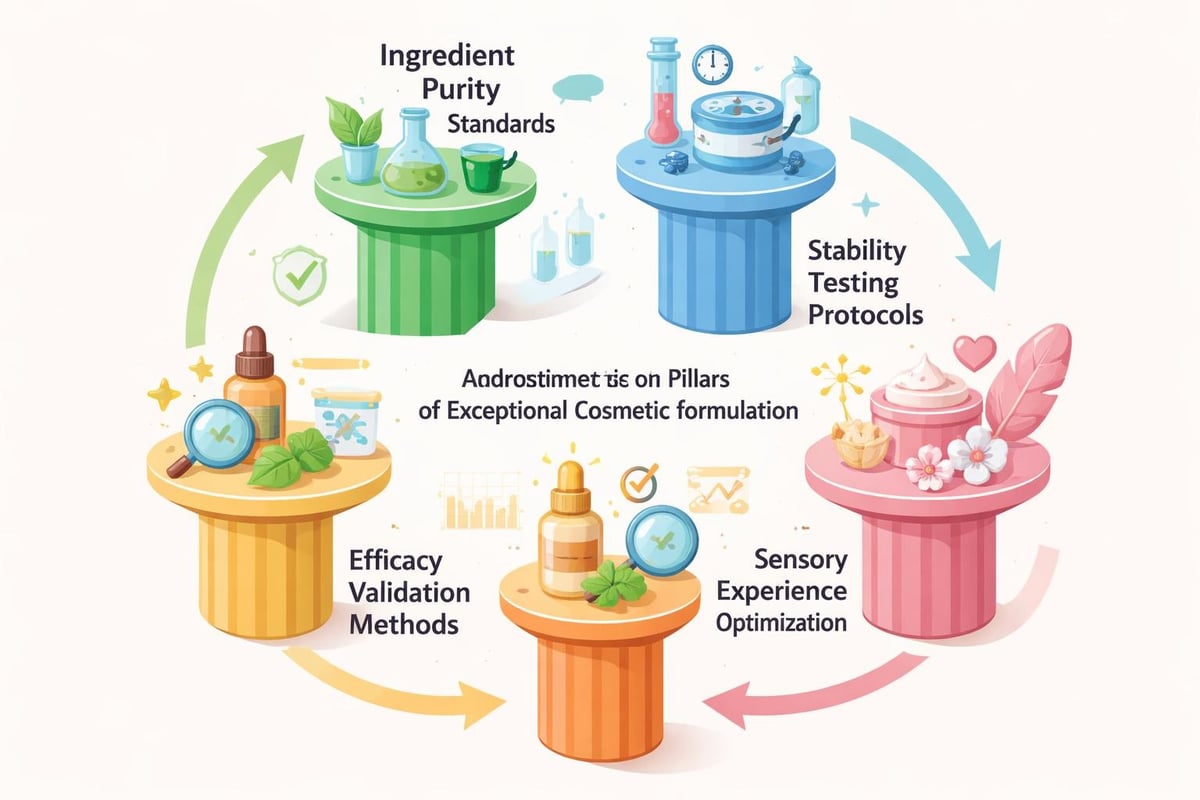
The concept of the best cosmetic extends far beyond surface-level attributes like packaging or marketing claims. At its core, exceptional cosmetic formulation represents a harmonious balance between scientific innovation, safety protocols, and measurable performance outcomes.
The Foundation of Superior Formulations
Quality cosmetic products begin with meticulous ingredient selection and precise formulation chemistry. The role of functional cosmetic ingredients has become increasingly sophisticated, with emollients, antioxidants, and active compounds working synergistically to deliver targeted benefits. A truly exceptional formulation considers not only individual ingredient efficacy but also how components interact within the complete system.
Key elements that distinguish superior formulations include:
- Ingredient stability across varying temperature and pH conditions
- Bioavailability of active compounds for optimal skin penetration
- Sensorial properties that enhance user experience
- Preservation systems that maintain product integrity without harsh chemicals
- Compatibility with diverse skin types and concerns
The best cosmetic products demonstrate consistency across batches, maintaining their promised benefits throughout the product lifecycle. This reliability stems from rigorous quality control measures implemented during development and manufacturing stages.
Innovation Meets Tradition in Modern Formulations
Modern cosmetic excellence draws from both cutting-edge scientific research and time-tested botanical wisdom. The integration of novel delivery systems with proven active ingredients creates formulations that outperform conventional products. Liposomal encapsulation, for instance, enhances ingredient penetration while microencapsulation technology provides controlled-release benefits.
When developing custom skincare formulation strategies, formulators must balance innovation with proven efficacy. New ingredients undergo extensive testing to verify their safety profiles and performance claims before integration into final products.
| Innovation Category | Technology Application | Consumer Benefit |
|---|---|---|
| Delivery Systems | Liposomal encapsulation | Enhanced penetration depth |
| Active Ingredients | Biomimetic peptides | Targeted anti-aging effects |
| Preservation | Multifunctional botanicals | Clean label formulations |
| Texture Optimization | Gel-network technology | Luxurious sensorial experience |
Ingredient Transparency and Clean Beauty Standards
The movement toward ingredient transparency has fundamentally reshaped what consumers consider the best cosmetic options. In 2026, detailed disclosure goes beyond regulatory requirements, becoming a competitive advantage for brands committed to consumer education.
Navigating Regulatory Landscapes
Regulatory frameworks continue evolving to protect consumer safety while encouraging innovation. The Toxic-Free Cosmetics Act, which took effect in Washington State in January 2025, exemplifies the growing legislative focus on eliminating potentially harmful substances from cosmetic products. This law prohibits nine specific chemicals, setting a precedent that influences formulation practices nationwide.
Understanding cosmetics ingredients and their functions enables brands to communicate value propositions effectively. Consumers increasingly scrutinize INCI lists, researching individual components before making purchase decisions. The best cosmetic brands embrace this scrutiny, providing comprehensive ingredient education through multiple channels.
Essential transparency practices include:
- Complete INCI disclosure without proprietary ingredient hiding
- Clear explanation of ingredient purposes and concentrations
- Third-party certification for organic, vegan, or cruelty-free claims
- Accessibility of safety data and clinical testing results
- Honest communication about limitations and appropriate usage
Sustainability as a Quality Indicator
Environmental responsibility has transitioned from optional marketing angle to essential quality criterion. The key sustainability highlights for 2025 emphasize ecodesign principles and regulatory compliance as foundational elements of modern cosmetic development.
Sustainable formulation practices encompass sourcing, production, packaging, and end-of-life considerations. The best cosmetic products minimize environmental impact at every stage while maintaining performance standards. This includes selecting biodegradable ingredients, optimizing water usage during manufacturing, and designing packaging for recyclability or refillability.
Performance Validation and Clinical Evidence
Exceptional cosmetic products back their claims with robust scientific evidence. The era of unsubstantiated marketing promises has given way to data-driven product development, where clinical testing validates efficacy before market launch.
Establishing Efficacy Standards
Performance validation for the best cosmetic products involves multiple testing methodologies. In vitro studies assess ingredient interactions and stability, while in vivo trials measure real-world performance on human volunteers. Advanced instrumentation quantifies changes in skin parameters, providing objective measurements that supplement subjective user feedback.
The importance of quality formulations cannot be overstated when building brand credibility. Consumers recognize brands that invest in comprehensive testing protocols, viewing such commitment as evidence of genuine product superiority.
Comprehensive testing protocols evaluate:
- Immediate effects (within hours of application)
- Short-term benefits (days to weeks)
- Long-term improvements (months of consistent use)
- Compatibility with various skin types and conditions
- Safety profiles including irritation and sensitization potential
Quality formulation development integrates feedback loops, using testing data to refine products before finalization. This iterative approach ensures that finished products deliver on their promises while maintaining safety margins appropriate for diverse user populations.
Market Trends Shaping Cosmetic Excellence
Understanding current and emerging trends provides context for what defines the best cosmetic products in 2026. Consumer preferences shift continuously, influenced by technological advances, cultural movements, and evolving lifestyle priorities.
Personalization and Customization
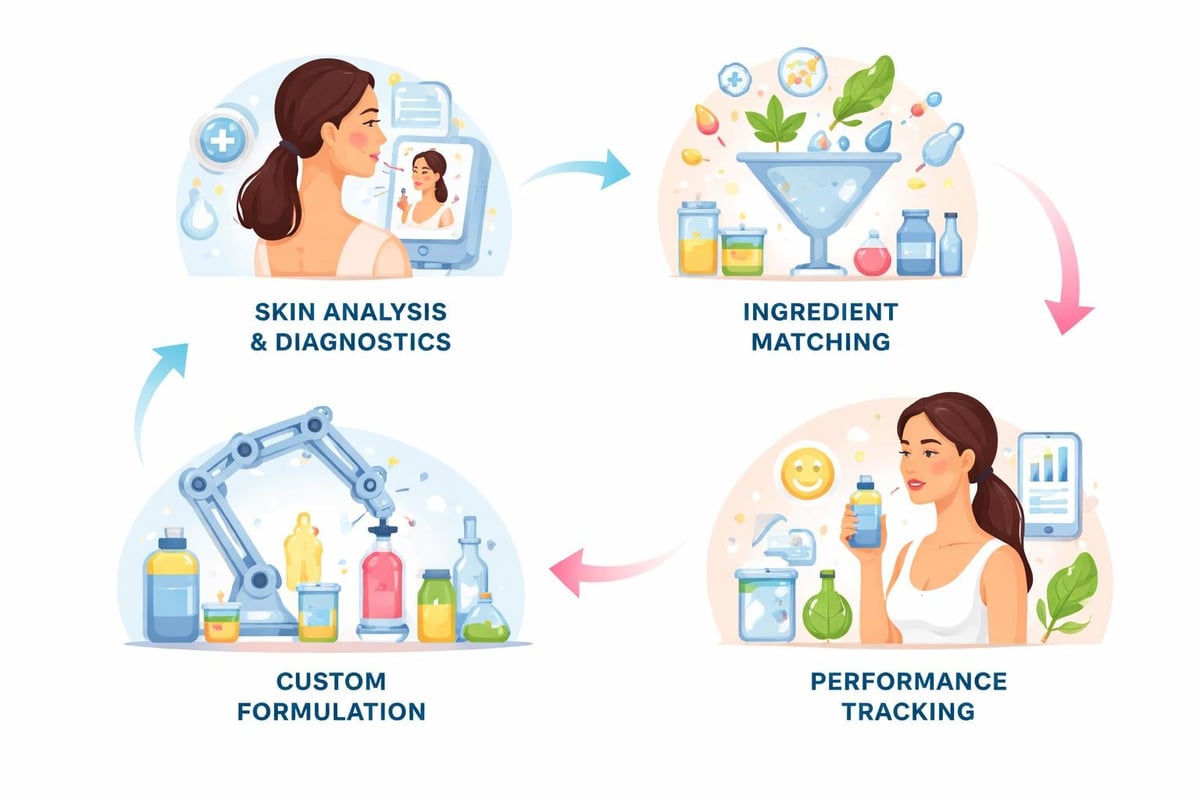
The top cosmetic industry trends for 2026 highlight personalized cosmetics as a dominant force reshaping the marketplace. Consumers increasingly expect products tailored to their unique skin profiles, genetic predispositions, and environmental factors.
Advanced diagnostic tools enable precise skin analysis, identifying specific concerns and recommending targeted formulations. This personalization extends beyond simple skin-type categorization to include factors like microbiome composition, pollution exposure, and circadian rhythm considerations.
When starting a new skincare brand, entrepreneurs must consider how customization capabilities can differentiate their offerings. The best cosmetic brands balance scalability with personalization, creating systems that accommodate individual variation without compromising manufacturing efficiency.
Technology Integration and Virtual Experiences
Digital innovation transforms how consumers discover and evaluate the best cosmetic options. Virtual try-on technology, powered by advanced frameworks for real-time makeup application, enables consumers to preview products before purchase. This technology achieves high-fidelity results while maintaining identity preservation and temporal consistency.
Augmented reality applications extend beyond makeup to skincare, simulating long-term product effects based on ingredient profiles and individual skin characteristics. These tools help consumers make informed decisions, reducing purchase anxiety and return rates while increasing satisfaction with selected products.
Formulation Categories and Specialized Applications
Different cosmetic categories demand distinct formulation approaches, each with unique technical challenges and performance criteria. Understanding these nuances helps identify what makes a product the best cosmetic option within its specific category.
Skincare Formulation Excellence
Premium skincare products demonstrate sophisticated understanding of skin biology and ingredient interactions. The best cosmetic skincare formulations address multiple concerns simultaneously while respecting skin barrier integrity.
Advanced skincare formulations incorporate:
- Multi-phase delivery systems for time-released benefits
- pH-optimized formulas that support skin's natural acid mantle
- Microbiome-friendly ingredients that nurture beneficial bacteria
- Antioxidant networks providing comprehensive free radical protection
- Barrier-repairing lipids matching skin's natural composition
Texture plays a critical role in skincare performance and user adherence. Lightweight formulations that absorb quickly without residue appeal to consumers seeking efficient routines, while richer textures satisfy those desiring luxurious sensorial experiences. The best cosmetic brands offer options across this spectrum, recognizing that personal preference influences product efficacy through consistent usage patterns.
Color Cosmetics and Performance Chemistry
Color cosmetics present unique formulation challenges, balancing pigment dispersion, wear time, and skin compatibility. Exceptional makeup products deliver true color payoff while maintaining skin health, avoiding ingredients that clog pores or trigger sensitivity.
The best products from major retailers consistently demonstrate superior pigmentation, blendability, and longevity. These attributes result from careful ingredient selection and processing techniques that ensure uniform particle distribution and optimal adhesion.
| Product Category | Key Performance Criteria | Formulation Challenge |
|---|---|---|
| Foundation | Natural finish, broad shade range, long wear | Pigment suspension stability |
| Lipstick | Color intensity, comfortable wear, transfer resistance | Wax-oil-pigment balance |
| Eyeshadow | Blendability, minimal fallout, crease resistance | Powder pressing techniques |
| Mascara | Volume and length, clump-free application | Fiber incorporation methods |
Specialized Treatment Products
Treatment-focused cosmetics require highest formulation precision, delivering concentrated actives in stable, effective formats. The best cosmetic treatment products undergo extensive compatibility testing to ensure ingredients remain stable and active throughout product shelf life.
Serums, ampoules, and concentrated treatments benefit from airless packaging that prevents oxidation and contamination. These delivery systems maintain ingredient potency while providing measured dosing that prevents waste and ensures appropriate application amounts.
Manufacturing Excellence and Quality Control
Superior formulation design must be matched with exceptional manufacturing practices to produce the best cosmetic products. Manufacturing quality directly impacts product consistency, safety, and performance reliability.
Production Standards and Certifications
Top-tier manufacturing facilities maintain certifications demonstrating adherence to international quality standards. ISO certifications, GMP compliance, and organic certifications validate manufacturing processes and ingredient sourcing practices.
Despite market challenges, the cosmetics industry continues expanding manufacturing capacity, with major brands investing in new facilities that incorporate sustainable practices and advanced automation. These investments reflect industry commitment to quality and efficiency.
When evaluating contract manufacturing for beauty products, brands should assess manufacturing partners' quality systems, testing capabilities, and scalability. The best cosmetic manufacturers offer comprehensive support from formulation development through final production, ensuring seamless transitions between development and commercial-scale manufacturing.
Quality Assurance Protocols
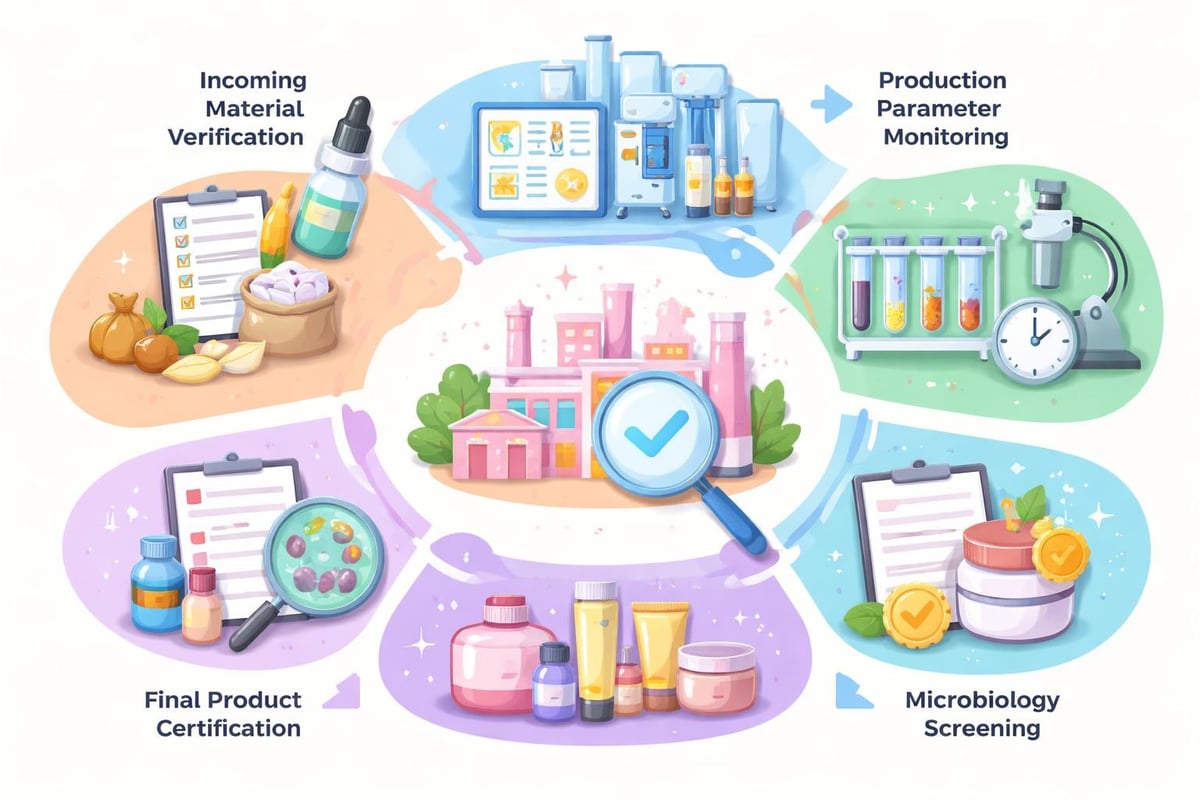
Rigorous testing protocols distinguish exceptional manufacturers from adequate ones. Multi-stage quality checks verify product consistency, safety, and performance at raw material receipt, in-process production, and finished goods stages.
Comprehensive quality assurance includes:
- Raw material verification against specifications
- In-process monitoring of critical parameters
- Microbiological testing for preservation efficacy
- Stability testing under accelerated and real-time conditions
- Finished product testing for all claimed attributes
- Packaging compatibility and integrity verification
The best cosmetic products demonstrate batch-to-batch consistency, maintaining identical performance characteristics across production runs. This consistency requires precise process controls and robust quality management systems that track every variable influencing final product quality.
Market Positioning and Brand Differentiation
Creating the best cosmetic products requires more than technical excellence; successful brands must effectively communicate their value propositions to target audiences. Market positioning influences consumer perception and purchasing decisions as significantly as actual product performance.
Understanding Consumer Segments
Different consumer segments prioritize distinct product attributes when evaluating the best cosmetic options. Luxury consumers may emphasize exclusivity and sensorial experience, while value-conscious shoppers focus on efficacy-to-price ratios. Eco-conscious consumers prioritize sustainability credentials, while ingredient-purists seek minimal, recognizable formulations.
Effective brand positioning aligns product attributes with target consumer values. New cosmetic brands entering competitive markets must identify underserved niches or approach existing categories from unique angles that resonate with specific consumer segments.
Strategic positioning considerations include:
- Price point relative to perceived value
- Distribution channel alignment with target demographics
- Brand story authenticity and relatability
- Visual identity consistency across touchpoints
- Community building and customer engagement strategies
Navigating Competitive Landscapes
The global cosmetics market faces various pressures, from tariff impacts on international sales to shifting consumer preferences. Brands positioning themselves as offering the best cosmetic solutions must demonstrate clear differentiation that justifies consumer investment despite market headwinds.
Innovation provides powerful differentiation, whether through novel ingredients, unique delivery systems, or unprecedented performance claims backed by solid evidence. However, innovation must align with consumer readiness; introducing overly complex products to markets preferring simplicity risks market rejection despite technical merit.
Formulation Development Process
Understanding the journey from concept to finished product illuminates what makes certain cosmetics superior. The development process itself influences final product quality, with shortcuts or rushed timelines compromising outcomes.
Conceptualization and Market Research
The best cosmetic products begin with thorough market research identifying genuine consumer needs and gaps in existing offerings. This research phase examines competitive products, consumer feedback, emerging ingredients, and trend trajectories.
Leveraging market insights for formulation success ensures products address real consumer desires rather than assumed needs. Data-driven development reduces market risk while increasing likelihood of commercial success.
Initial concept development establishes product claims, target consumer profiles, desired sensorial attributes, and preliminary ingredient strategies. These parameters guide subsequent formulation work, providing clear objectives against which progress can be measured.
Iterative Development and Optimization
Formulation development proceeds through multiple iterations, each refining the product closer to ideal specifications. Early prototypes test basic feasibility, verifying that desired ingredients can be combined in stable, safe formats.
Subsequent iterations optimize ratios, adjust pH levels, refine textures, and enhance performance characteristics. The importance of sampling in product development cannot be overstated; testing prototypes on diverse volunteers provides invaluable feedback that laboratory testing cannot replicate.
Development stages include:
- Bench-scale prototype creation and initial stability assessment
- Formulation adjustment based on preliminary testing results
- Expanded stability testing under various conditions
- User trials gathering sensorial and performance feedback
- Final formulation optimization and scale-up verification
- Production trial runs confirming manufacturing feasibility
This methodical approach ensures the best cosmetic products emerge from development fully optimized for performance, stability, and user satisfaction. Rushed development processes often produce formulations requiring post-launch reformulation, damaging brand reputation and consumer trust.
Specialized Formulation Considerations
Certain product categories or market segments demand specialized formulation approaches that differ from mainstream cosmetic development. Understanding these unique requirements helps brands create truly exceptional products within their chosen niches.
Sensitive Skin Formulations
Products designed for sensitive skin require extreme care in ingredient selection and formulation design. The best cosmetic options for sensitive skin minimize potential irritants while delivering meaningful benefits.
Hypoallergenic formulations exclude common sensitizers, fragrances, and harsh preservatives. However, "hypoallergenic" alone doesn't guarantee suitability; comprehensive testing on sensitive-skin volunteers validates formulation gentleness.
Sensitive skin formulation principles:
- Minimal ingredient lists reducing sensitization risk
- pH optimization matching skin's natural acid mantle
- Fragrance-free or naturally scented with low-allergen options
- Soothing ingredients like colloidal oatmeal or bisabolol
- Rigorous patch testing protocols before market release
Anti-Aging and Corrective Treatments
High-performance anti-aging products represent pinnacle formulation challenges, combining multiple active ingredients targeting different aging mechanisms. The best cosmetic anti-aging products demonstrate visible improvements through clinical testing while maintaining excellent safety profiles.
Retinoids, peptides, antioxidants, and growth factors each contribute unique benefits but require careful formulation to remain stable and effective. Incompatible ingredients must be separated into different products or delivered through sophisticated time-release systems preventing degradation.
Clean and Natural Formulations
Clean beauty formulations prioritize natural, sustainably sourced ingredients while maintaining performance standards. This category challenges formulators to achieve results comparable to synthetic alternatives using plant-based or biotechnology-derived ingredients.
The best cosmetic clean beauty products avoid the performance compromise often associated with natural formulations. Advanced extraction techniques, fermentation technology, and green chemistry innovations enable natural products matching or exceeding synthetic counterparts.
Economic Considerations and Value Propositions
Price positioning significantly influences consumer perception of the best cosmetic products. However, price alone doesn't determine value; consumers increasingly evaluate total cost of ownership, including product longevity, concentration, and multi-functionality.
Premium Versus Accessible Excellence
Both premium and accessible price points can deliver the best cosmetic experiences when formulations align with price positioning. Premium products justify higher costs through rare ingredients, extensive research, luxurious packaging, and exceptional sensorial experiences.
Accessible excellence focuses on efficient formulation, streamlined packaging, and direct-to-consumer distribution models reducing overhead costs. These products deliver performance comparable to premium options without luxury positioning elements.
Value optimization strategies include:
- Concentrated formulations requiring smaller application amounts
- Multi-functional products replacing multiple single-purpose items
- Refillable packaging reducing long-term costs
- Subscription models offering consistent supply at reduced prices
- Transparent cost breakdowns building consumer trust
Investment in Research and Development
The best cosmetic brands invest substantially in R&D, viewing formulation development as competitive advantage rather than cost center. This investment yields proprietary ingredients, unique delivery systems, and patented technologies differentiating products in crowded markets.
Consumers recognize brands demonstrating genuine innovation through scientific advancement rather than marketing novelty. Published research, patent portfolios, and collaborations with academic institutions signal serious commitment to formulation excellence.
Future Directions in Cosmetic Innovation
The definition of the best cosmetic continues evolving as technology advances and consumer expectations shift. Forward-thinking brands anticipate these changes, positioning themselves at innovation's forefront.
Biotechnology and Bioengineered Ingredients
Biotechnology enables creation of identical-to-nature ingredients through fermentation and cell culture processes. These bioengineered alternatives offer consistency, sustainability, and performance advantages over traditional extraction methods.
Biotech ingredients include peptides, growth factors, hyaluronic acid, and specialized oils produced through controlled processes ensuring purity and potency. As biotechnology becomes more accessible, the best cosmetic formulations increasingly incorporate these advanced ingredients.
Microbiome-Focused Formulations
Understanding skin's microbial ecosystem has revolutionized formulation philosophy. Rather than eliminating all bacteria, the best cosmetic products nurture beneficial microbes while discouraging problematic species.
Prebiotic ingredients feed beneficial bacteria, while postbiotics deliver metabolic byproducts supporting skin health. This nuanced approach maintains skin's natural defenses while addressing specific concerns through targeted microbial modulation.
Artificial Intelligence in Formulation Development
AI accelerates formulation development, predicting ingredient interactions and optimizing ratios faster than traditional trial-and-error methods. Machine learning algorithms analyze vast datasets identifying patterns human researchers might overlook.
AI-assisted development doesn't replace human expertise but augments it, enabling formulators to explore broader ingredient spaces and identify novel combinations delivering superior performance. The best cosmetic brands leverage these technologies while maintaining the artistry and intuition experienced formulators bring to development.
Building Your Brand with Superior Formulations
For entrepreneurs and established brands seeking to create the best cosmetic products, partnering with experienced formulation specialists provides significant advantages. Expert guidance navigates complex regulatory landscapes, ingredient sourcing challenges, and technical formulation hurdles.
Selecting Formulation Partners
Choosing the right formulation partner determines product success as significantly as any other business decision. The best partnerships combine technical expertise with market understanding, creating products that perform exceptionally while resonating with target consumers.
Evaluation criteria for formulation partners should include portfolio diversity, industry certifications, intellectual property policies, and communication responsiveness. The importance of quality formulations makes partner selection critical for long-term brand success.
Ownership and Intellectual Property
Full formula ownership provides brand flexibility for future modifications, alternative manufacturer selection, and potential sale or licensing opportunities. The best cosmetic development partnerships grant complete intellectual property rights, ensuring brands maintain control over their formulations.
Clear agreements established before development begins prevent future disputes and provide certainty enabling confident market investment. Understanding ownership structures and associated rights protects brand interests throughout the product lifecycle.
The landscape of cosmetic excellence in 2026 demands formulations that balance innovation with safety, performance with sustainability, and luxury with accessibility. Brands succeeding in this environment prioritize quality at every development stage, from initial concept through final production. Whether you're launching a new venture or expanding an established brand, The INCI Lab provides the expertise and support necessary to create award-winning formulations that stand out in competitive markets. Our comprehensive approach ensures your products embody the best cosmetic standards while reflecting your unique brand vision.

