
What if the real story of your favorite beauty products ingredients was hidden in plain sight? By 2026, ingredient transparency will transform how we choose and trust our skincare and makeup.
This guide will break down beauty products ingredients, revealing how to decode labels with confidence. You will learn to spot trending actives, understand safety standards, and embrace sustainability in your daily routine.
Whether you are a consumer or a beauty professional, get ready to unlock the secrets behind every bottle and jar. Discover how to make smarter, healthier choices for your skin, your values, and the future of beauty.
The Anatomy of Beauty Product Ingredients: What You Need to Know
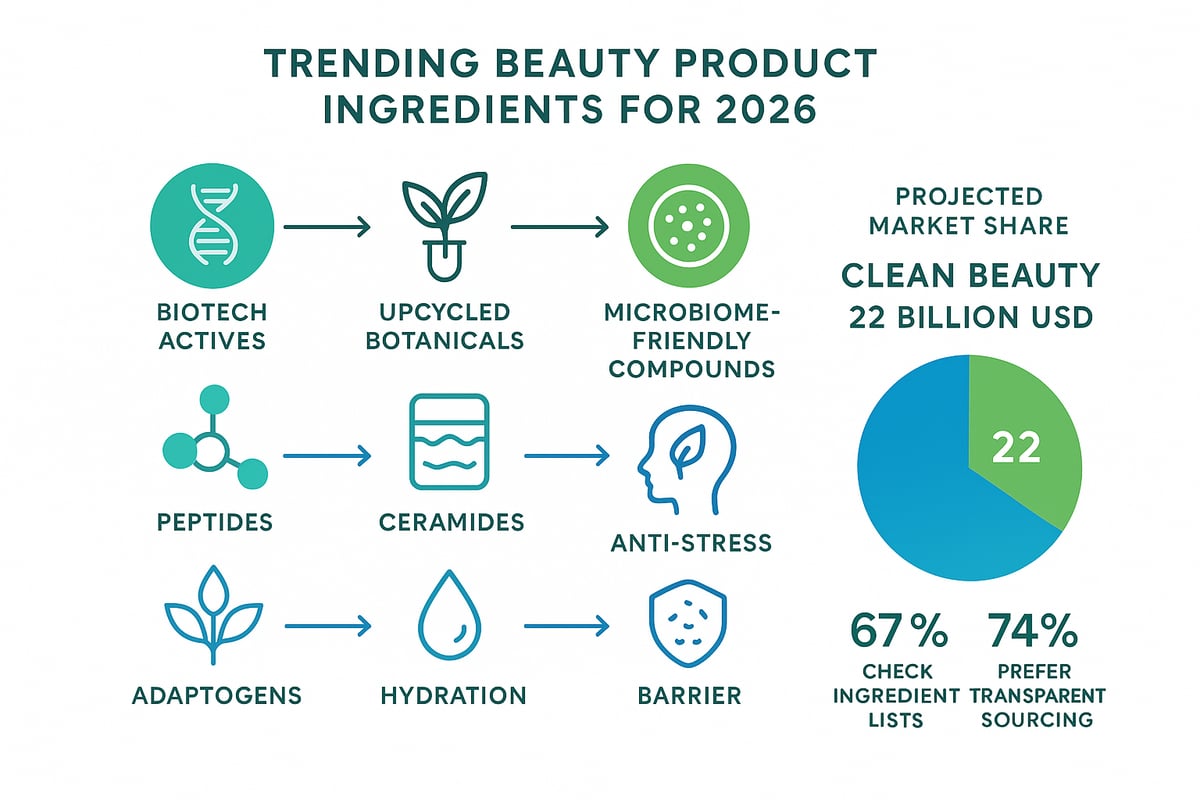
Understanding beauty products ingredients is the foundation of making informed choices in skincare and cosmetics. Today’s consumers are more ingredient-conscious than ever, with 67% checking ingredient lists before purchasing, according to Mintel’s 2023 report. But what do all those scientific names and categories really mean for your skin and health?
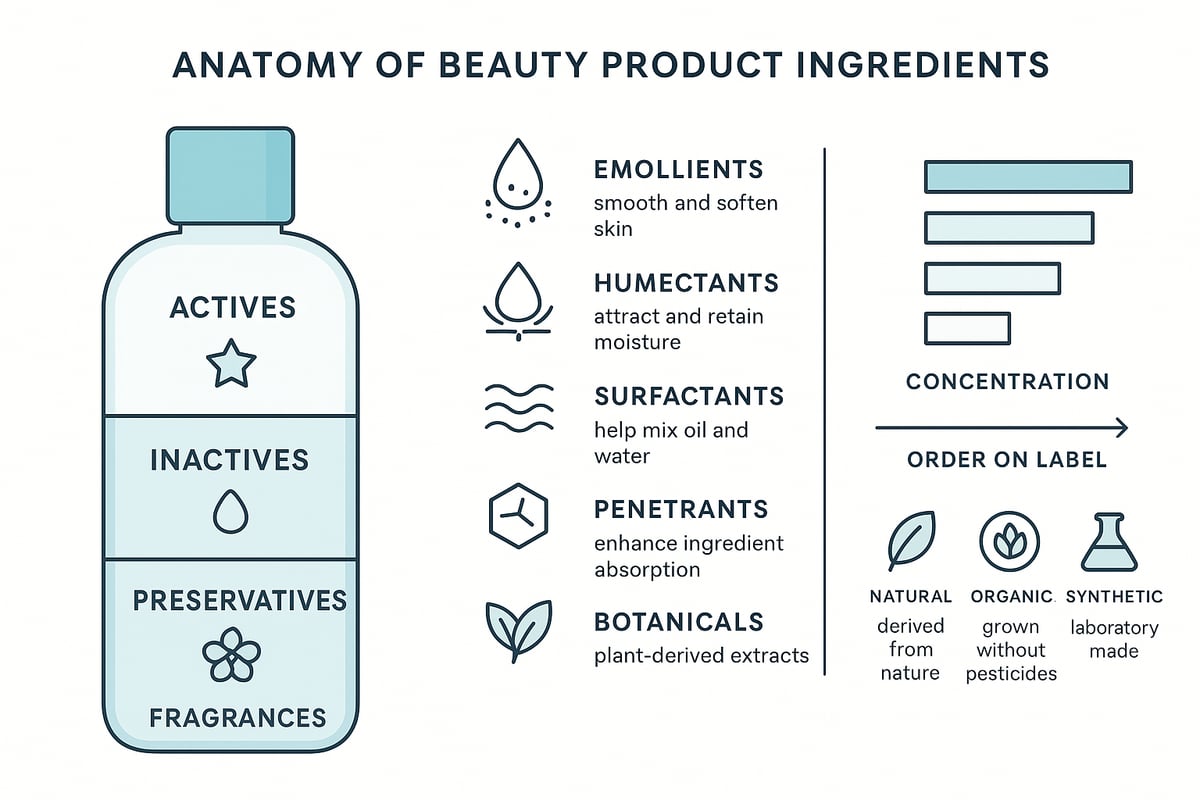
Beauty products ingredients fall into two broad groups: active and inactive. Actives are the powerhouses that deliver targeted results, like anti-aging or moisture. Inactives support the formula by creating texture, preserving freshness, or enhancing scent. Every product is a mix of these elements, carefully balanced for performance and safety.
Let’s break down the most common ingredient categories found in beauty products ingredients:
| Ingredient Category | Function | Example |
|---|---|---|
| Emollients | Soften, smooth, hydrate | Squalane, Shea Butter |
| Humectants | Attract water, moisturize | Glycerin, Hyaluronic Acid |
| Surfactants | Cleanse, foam, emulsify | Sodium Laureth Sulfate |
| Emulsifiers | Blend oil + water | Polysorbate 20 |
| Thickeners | Add texture, stability | Xanthan Gum, Carbomer |
| Colorants | Add color | Iron Oxides, Mica |
| Preservatives | Prevent spoilage | Phenoxyethanol |
| Fragrances | Add scent | Parfum, Linalool |
Each ingredient is listed on the label using its International Nomenclature of Cosmetic Ingredients (INCI) name. This global standard ensures you know exactly what’s inside, regardless of branding or marketing claims. For a deeper dive into why INCI matters and how it supports transparency, see INCI ingredient naming explained.
The order of beauty products ingredients on a label is crucial. Ingredients appear from highest to lowest concentration, so those at the top play the biggest role in the formula’s performance. A powerful active buried at the end may not deliver the promised results.
You’ll also see a mix of natural, organic, synthetic, and “clean” ingredients. Natural means derived from plants or minerals, while organic refers to those grown without synthetic pesticides. Synthetic ingredients are lab-created, often for consistency and safety. “Clean” is a marketing term, usually meaning free from certain controversial chemicals, but definitions vary widely.
Let’s look at some common beauty products ingredients you’ll spot on labels:
- Glycerin: A classic humectant that draws moisture into the skin.
- Squalane: An emollient that softens and protects.
- Sodium Laureth Sulfate: A surfactant for cleansing and foaming.
- Tocopherol: A form of Vitamin E, valued for antioxidant benefits.
Ingredient knowledge is more than just trivia. It helps you avoid allergens, irritants, and greenwashing tactics that can undermine your beauty goals. By demystifying beauty products ingredients, you gain the power to choose products that are safer, more effective, and aligned with your values.
Trending Beauty Ingredients for 2026: Science, Efficacy, and Innovation
The beauty industry is on the brink of a new era. By 2026, ingredient innovation will redefine what consumers expect from their beauty products ingredients. According to Allied Market Research, the global clean beauty market is projected to reach $22 billion, signaling a powerful shift toward transparency, science, and sustainability.
What is driving this transformation? Ingredient breakthroughs. Brands are racing to deliver safer, more effective, and eco-conscious formulas. Consumers want results, but also reassurance that their beauty products ingredients are safe and responsibly sourced.
The Rise of Biotech Actives and Upcycled Botanicals
Biotechnology is revolutionizing beauty products ingredients. Scientists now harness fermentation and plant cell culture to produce highly pure actives, reducing reliance on traditional farming. This process yields ingredients like lab-grown hyaluronic acid and precision-engineered peptides.
Upcycled botanicals are also making headlines. Brands extract valuable compounds from food and agricultural byproducts, such as coffee oil from spent grounds or citrus flavonoids from juicing waste. These upcycled ingredients cut waste and support circular beauty.
Table: Trending Beauty Ingredients for 2026
| Ingredient Type | Example | Benefit | Source/Process |
|---|---|---|---|
| Biotech Actives | Peptides | Firming, anti-aging | Fermentation, synthesis |
| Upcycled Botanicals | Coffee Oil | Antioxidant, barrier | Spent coffee grounds |
| Microbiome Compounds | Prebiotics | Balance, soothe | Plant or biotech |
| Adaptogens | Ashwagandha Extract | Stress defense | Root, leaf extraction |
| Fermented Actives | Fermented Centella | Enhanced absorption | Bacterial/yeast process |
Microbiome-Friendly and Neurocosmetic Ingredients
Microbiome science is shaping the next generation of beauty products ingredients. Prebiotics, postbiotics, and gentle surfactants support a balanced skin ecosystem, helping to reduce sensitivity and redness.
Neurocosmetic actives are gaining traction, too. These ingredients, such as adaptogenic herbs and mushroom extracts, interact with skin’s nerve endings to reduce stress-induced aging and inflammation. Consumers are turning to beauty products ingredients that not only improve appearance but also help manage the impact of daily stress.
Peptides, Ceramides, and Next-Gen Antioxidants
Peptides remain a gold standard in 2026. They signal skin to boost collagen and elastin, visibly firming and smoothing texture. Ceramides, meanwhile, are essential for restoring the skin barrier, locking in moisture, and protecting against environmental damage.
Next-generation antioxidants like ergothioneine and superoxide dismutase defend skin from pollution and blue light. These advanced beauty products ingredients offer superior stability and efficacy compared to earlier antioxidants.
Key Ingredient Examples:
- Niacinamide: Multi-tasker for brightening, barrier repair, and oil control.
- Bakuchiol: Retinol alternative, gentle yet effective for anti-aging.
- Polyglutamic Acid: Hydration booster, holds four times more moisture than hyaluronic acid.
Fermented Ingredients: Superior Bioavailability
Fermentation is more than a trend. By breaking down plant extracts with beneficial bacteria or yeast, brands create beauty products ingredients that are more easily absorbed and less likely to irritate. Fermented Centella Asiatica, for instance, offers amplified soothing and antioxidant effects.
Ingredient Safety: Testing and Minimizing Irritation
With more active formulas, safety is paramount. New in vitro and in silico testing methods allow brands to predict irritation and efficacy without animal testing. These advances ensure that beauty products ingredients deliver results while minimizing risk.
Balancing Trends with Proven Science
The pace of innovation can be dizzying. How can you tell which beauty products ingredients are worth the hype? Experts recommend looking for published studies, dermatologist endorsements, and transparent sourcing.
Before trying the latest launch, check for supporting data and patch test if you have sensitive skin. For a deeper dive into innovation and what to watch for, explore this Cosmetic trends and ingredient innovation resource.
In 2026, the smartest beauty choices blend trend-driven excitement with science-backed assurance. By understanding the latest beauty products ingredients, you can confidently build a routine that is both future-ready and effective.
Ingredient Safety and Regulatory Changes: What’s New for 2026?
Navigating the evolving world of beauty products ingredients is more important than ever as regulations advance worldwide. Consumers and brands alike are facing a wave of new standards, designed to ensure safety, transparency, and trust in every formula. The year 2026 will see a renewed focus on ingredient disclosure, stricter bans, and innovative testing methods that reshape the beauty landscape.
Global Regulatory Shifts for 2026
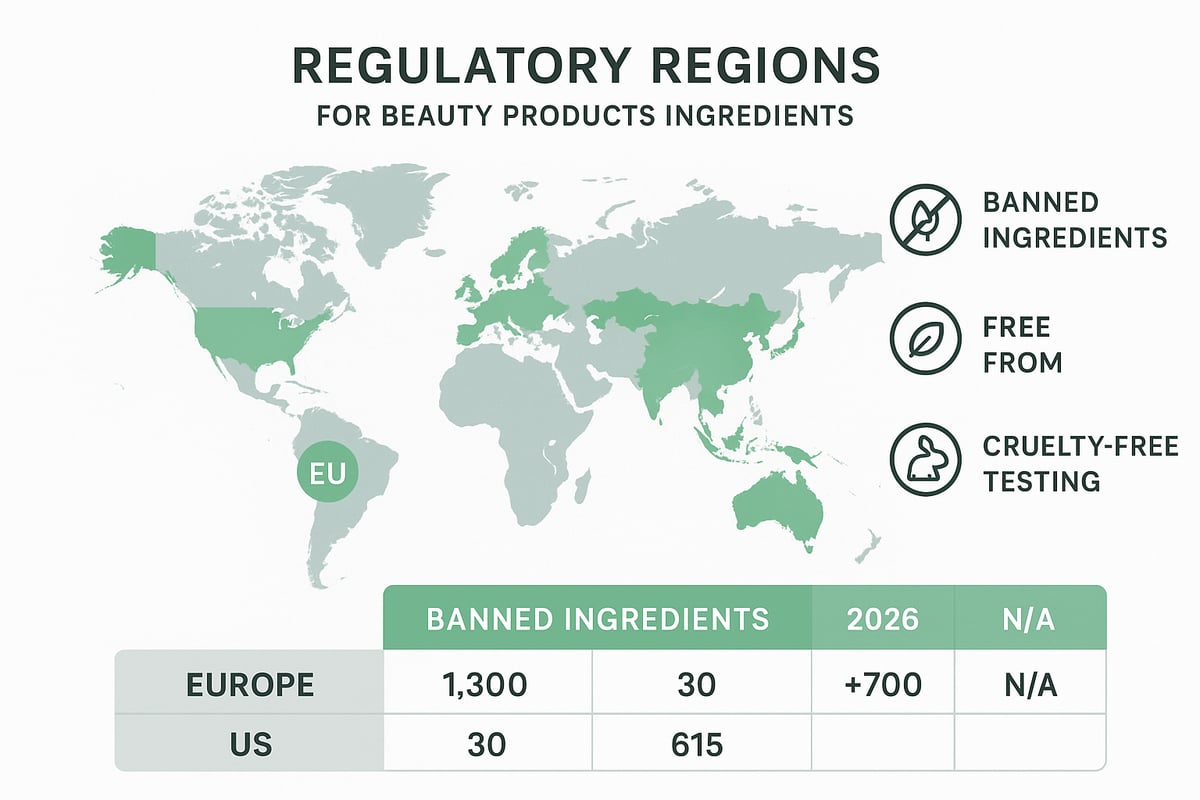
The global regulatory environment for beauty products ingredients is undergoing rapid transformation. By 2026, authorities in the EU, US, and Asia-Pacific will introduce new bans, labeling rules, and safety requirements. The EU leads with comprehensive ingredient lists and frequent updates, while the US is catching up with recent legislative changes and increased oversight. For a summary of the latest updates, see Global Cosmetic Regulatory Updates 2025.
Governments now demand greater transparency, requiring brands to list all beauty products ingredients using standardized INCI names. This empowers consumers and professionals to make informed choices and avoid potentially harmful substances.
The Power of “Free From” and Ingredient Bans
“Free from” claims have become a hallmark of modern beauty products ingredients marketing. Brands highlight the absence of parabens, sulfates, phthalates, and other controversial chemicals. However, these claims are increasingly regulated to prevent misleading information.
Banned ingredient lists are expanding. The EU has outlawed over 1,600 substances in cosmetics, while the US currently bans around 30. APAC countries are tightening their own standards, aligning more closely with global best practices. This trend pushes brands to reformulate products and seek safer alternatives.
| Region | Banned Ingredients (2023) |
|---|---|
| EU | 1,600+ |
| US | 30 |
| APAC | 50+ (varies by country) |
Advances in Safety Testing Methods
To guarantee the safety of beauty products ingredients, brands rely on advanced testing protocols. The industry is moving away from animal testing in favor of:
- In vitro (lab-based cell tests)
- In silico (computer modeling and simulations)
- Human patch testing (on volunteers)
These methods offer accurate assessments of irritation, allergenicity, and toxicity without ethical concerns. Regulatory agencies now require robust evidence from these modern techniques before approving new beauty products ingredients.
Europe vs. US: The Regulatory Divide
Europe’s strict approach to beauty products ingredients stands in stark contrast to the US. The EU’s evolving stance on endocrine disruptors and microplastics has led to several high-profile bans. By 2026, more microplastics and suspected hormone disruptors will be excluded from European shelves.
In comparison, the US is updating its regulations, but with fewer outright bans. The growing gap means global brands must adapt their formulations to comply with the strictest markets, ensuring that their beauty products ingredients meet both safety and legal standards.
Why Staying Informed Matters
Consumers must stay up to date as the beauty products ingredients landscape evolves. New regulations can affect product availability, efficacy, and safety. “Free from” labels, banned lists, and advanced testing all contribute to a safer marketplace, but only if shoppers read labels and understand what they mean.
Remaining informed empowers consumers to choose products that reflect their values and protect their health. As 2026 approaches, ingredient transparency will be the cornerstone of trust in the beauty industry.
The Green Revolution: Natural, Organic, and “Clean” Beauty Ingredients
The green revolution in beauty products ingredients is transforming the industry for 2026. Consumers are demanding more transparency and purity, pushing brands to clarify what “natural,” “organic,” and “clean” truly mean. As labels become crowded with eco-friendly claims, understanding the distinctions is crucial for making informed choices.
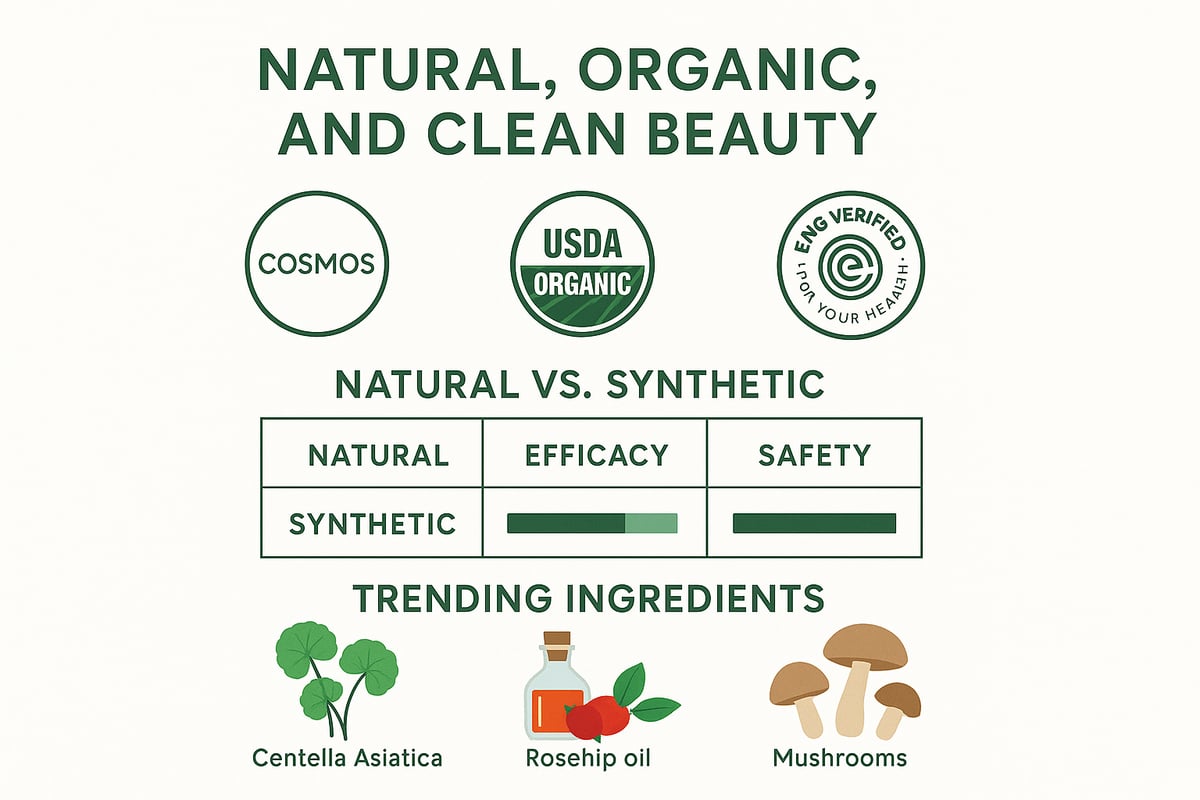
What Do “Natural,” “Organic,” and “Clean” Mean in 2026?
In 2026, beauty products ingredients labeled as “natural” must meet higher expectations. “Natural” generally refers to ingredients derived from plants, minerals, or animals with minimal processing. “Organic” takes it further, requiring cultivation without synthetic pesticides or fertilizers, certified by strict standards such as COSMOS or USDA Organic.
“Clean” beauty is less about origin and more about ingredient safety. Clean beauty products ingredients exclude potentially harmful substances, even if synthetic, and focus on non-toxic formulations. Seals like EWG Verified indicate that a product meets rigorous safety and transparency criteria. For a deeper dive into these definitions and how they impact your routine, check out the Natural skincare ingredient guide.
Certification bodies play a key role:
- COSMOS: European standard for organic and natural cosmetics.
- USDA Organic: US standard for organic agricultural ingredients.
- EWG Verified: Focuses on ingredient safety and full disclosure.
Natural vs. Synthetic: Science, Myths, and Reality
Debate around natural versus synthetic beauty products ingredients continues to grow. Many believe natural is always safer or more effective, but science reveals a more nuanced reality. Natural actives like plant oils or extracts can offer excellent benefits, but they may also cause allergies or degrade quickly.
Synthetic ingredients are often engineered for stability, efficacy, and safety. For example, lab-created peptides or ceramides can outperform their natural counterparts in some cases. The key is not the source but the evidence supporting each ingredient’s safety and performance. Both natural and synthetic options can be sustainable, depending on sourcing and manufacturing.
Common myths include:
- “Natural = non-irritating” (not always true)
- “Synthetic = harmful” (many are well-studied and safe)
- “Preservative-free = better” (preservatives protect against contamination)
Understanding the science behind beauty products ingredients helps you avoid marketing traps and choose what truly works for your skin.
Trending Green Ingredients: Actives in the Spotlight
The latest trends in beauty products ingredients spotlight potent botanicals and innovative green actives. Plant-based oils like rosehip and cold-pressed seed extracts offer antioxidant and barrier-repair benefits. Wild-harvested botanicals, such as mushrooms and adaptogens, address skin stress and resilience.
Centella Asiatica is gaining global attention for its soothing, healing, and antioxidant properties. Brands now source it sustainably, ensuring both efficacy and environmental responsibility. For a deeper look at its benefits, visit this Ingredient spotlight: Centella Asiatica.
Mushroom extracts, including reishi and tremella, are showing promise for hydration and anti-inflammatory effects. Cold-pressed oils like marula and argan remain popular for their nutrient profiles.
Table: Trending Green Ingredients in 2026
| Ingredient | Benefits | Sourcing Trend |
|---|---|---|
| Centella Asiatica | Soothing, healing | Wild-harvested |
| Rosehip Oil | Brightening, repair | Cold-pressed |
| Mushroom Extracts | Hydration, calm | Small-batch, organic |
With 82% of new launches featuring a “clean” claim, these beauty products ingredients are shaping the future of skincare.
Transparency, Traceability, and Trust
Transparency and traceability are now non-negotiable for brands using beauty products ingredients. Consumers want to know the origin, processing methods, and journey of every component in their products. Brands that provide detailed sourcing information and third-party certifications are building lasting trust.
Traceability ensures that ingredients are not only safe but also ethically sourced, supporting fair trade and environmental stewardship. Full ingredient disclosure, batch tracking, and digital verification tools empower buyers to make choices that reflect their values.
Ultimately, the green revolution in beauty products ingredients is about more than just trends. It is about empowering you to select products that are safe, effective, and aligned with your personal ethics and environmental concerns.
How to Choose the Right Beauty Products: A Step-by-Step Ingredient Guide
Choosing the right beauty products ingredients is essential for building a healthier, more effective routine. With ingredient transparency and innovation at the forefront, knowing how to decode labels and select the best beauty products ingredients can transform your daily regimen.
Step 1: Identify Your Skin or Hair Type and Concerns
Begin by assessing your unique skin or hair type. Are you dealing with dryness, oiliness, sensitivity, acne, or signs of aging? Pinpointing your main concerns ensures you focus on beauty products ingredients that truly address your needs.
Step 2: Research Proven Ingredients for Your Needs
Investigate which beauty products ingredients have scientific backing for your specific concerns. Trusted resources include dermatologist recommendations, peer-reviewed studies, and ingredient databases. For authoritative safety and regulatory information, consult the FDA Cosmetic Ingredient Regulations to ensure your chosen ingredients meet industry standards.
Step 3: Read Product Labels Carefully
Examine ingredient lists, paying attention to actives, their concentrations, and supporting compounds. Active ingredients are typically listed near the top. Look for clear, standardized INCI names, and be wary of lengthy lists with fillers or unnecessary additives. This step is crucial for maximizing the efficacy of your beauty products ingredients.
Step 4: Check for Allergens, Irritants, and Additives
Scrutinize labels for potential allergens like fragrances or preservatives. If you have sensitive skin or allergies, avoid known irritants such as parabens or sulfates. Cross-reference ingredients with reputable databases or apps to confirm safety. This habit helps you avoid adverse reactions from beauty products ingredients.
Step 5: Evaluate Sustainability and Ethical Claims
Today’s consumers value sustainability and ethics. Review brand transparency regarding sourcing, biodegradability, and fair trade practices. Seek certifications or third-party verifications for claims like “organic” or “cruelty-free.” Choosing beauty products ingredients from responsible sources supports both your values and the environment.
Step 6: Test Products Responsibly
Always patch test new products before full application. Apply a small amount to a discreet area and monitor for reactions over 24–48 hours. Gradually introduce one product at a time, especially when trying new beauty products ingredients or formulations.
Step 7: Track Results and Adjust Your Routine
Monitor your skin or hair’s response over several weeks. Keep a journal to note improvements or adverse effects. If you notice irritation or no improvement, reconsider the beauty products ingredients or consult a professional for guidance.
Example: Building a Simple Skincare Routine
Here’s a basic routine using proven beauty products ingredients:
| Step | Ingredient | Benefit |
|---|---|---|
| Cleanser | Glycerin | Hydration, gentle cleanse |
| Serum | Niacinamide | Brightening, barrier support |
| Moisturizer | Ceramides | Strengthen, repair |
| Sunscreen | Mineral SPF | UV protection |
Personalize by adding or removing steps based on your skin’s needs and tolerance.
Insights: The Rise of Personalized and Digital Ingredient Tools
As ingredient awareness grows, personalization and digital tools are transforming the way consumers select beauty products ingredients. AI-powered apps and virtual consultations help match products to your profile, making ingredient research more accessible. According to the 2026 Beauty Trends Forecast, 60% of consumers in 2025 plan to use digital tools to verify ingredients before buying.
Why Informed Ingredient Choices Matter
Selecting beauty products ingredients with intention leads to better results, fewer sensitivities, and higher satisfaction. By following these steps and staying informed, you can confidently build a routine that aligns with your health, values, and evolving trends.
After exploring the latest ingredient trends, safety standards, and the secrets behind label transparency, you’re already a step ahead in making smarter beauty choices for 2026. But if you’re ready to take your expertise further—whether you’re an entrepreneur dreaming up a new brand or a professional seeking to innovate—why not turn knowledge into action? With The INCI Lab’s support, you can create high-performance, sustainable products with full formulation ownership and industry guidance every step of the way. Let’s make your vision a reality—Start Your Product Journey.