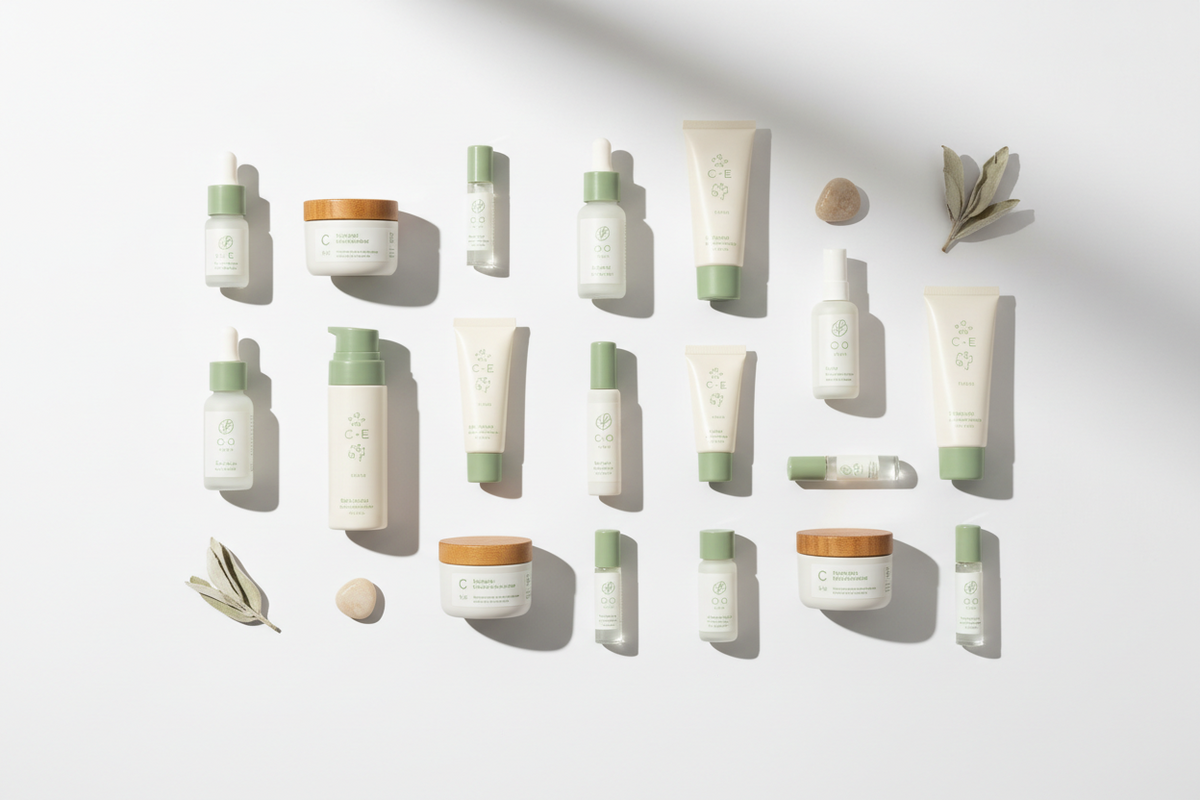
Unlock radiant skin and boost your confidence with the right personal care cosmetics. In a world where daily choices shape your well-being, understanding what you use matters more than ever.
The global personal care cosmetics market now exceeds $600 billion, driven by a surge in demand for clean, effective, and eco-friendly products. Consumers are seeking solutions that are not only safe but also deliver high performance.
This handbook is your essential guide to navigating the evolving landscape in 2026. Discover expert tips, ingredient trends, and sustainable routines to help you make informed, healthy beauty decisions with confidence.
Understanding Personal Care Cosmetics: Categories & Functions
Unlocking the world of personal care cosmetics begins with understanding what these products truly are. The term covers a broad range of daily essentials designed for skin, hair, body, oral, and hygiene needs. Whether you reach for a moisturizer, a gentle cleanser, or a daily deodorant, you are engaging with personal care cosmetics.
But what sets these apart from therapeutic or hybrid products? Cosmetics are formulated mainly for cleansing, beautifying, or protecting, while therapeutic items target medical concerns. Some products blend both, like SPF moisturizers that hydrate and shield against UV rays. For a deeper dive into product types and their roles, visit Personal Care Product Insights.

Defining Personal Care Cosmetics
Personal care cosmetics encompass everything from facial cleansers to toothpaste. These products are designed for daily use, focusing on enhancing appearance, maintaining hygiene, and supporting well-being. The core categories include:
- Skincare: creams, serums, cleansers
- Haircare: shampoos, conditioners, styling aids
- Body care: lotions, body washes, exfoliators
- Oral care: toothpastes, mouthwashes
- Hygiene: deodorants, antibacterial gels
Cosmetic products differ from therapeutic ones by their intended use. Cosmetics improve or maintain appearance, while therapeutic products address specific health issues. Some items, such as medicated shampoos or SPF lotions, are hybrids combining both functions. By understanding these distinctions, you can confidently select personal care cosmetics that fit your lifestyle and goals.
Key Product Categories & Uses
The personal care cosmetics landscape is vast, but it can be navigated by breaking down key product categories:
- Skincare: Cleansers remove impurities, toners balance skin, serums target concerns, moisturizers hydrate, and sunscreens protect.
- Haircare: Shampoos cleanse, conditioners soften, treatments repair, and styling products define or hold styles.
- Body care: Body washes cleanse, lotions hydrate, exfoliators smooth, and deodorants control odor.
- Oral care: Toothpastes clean teeth, mouthwashes freshen breath, and whitening products brighten smiles.
- Hygiene: Antibacterial gels and wipes offer on-the-go cleanliness, while feminine care products support comfort and health.
Choosing the right personal care cosmetics from these categories ensures every aspect of daily hygiene and beauty is addressed.
Functions & Benefits of Each Category
Each category of personal care cosmetics serves unique functions. Skincare products cleanse, moisturize, and protect the skin, addressing issues like dryness, oiliness, or aging. Haircare products strengthen, nourish, and style, catering to different textures and needs.
Body care items enhance hydration and exfoliation, promoting smooth, healthy skin. Oral care products not only clean but also help prevent dental problems and boost confidence. Hygiene products maintain freshness and prevent the spread of germs.
| Category | Function | Example Products |
|---|---|---|
| Skincare | Cleanse, hydrate | Moisturizer, sunscreen |
| Haircare | Strengthen, style | Conditioner, serum |
| Body care | Exfoliate, soothe | Body wash, lotion |
| Oral care | Freshen, protect | Toothpaste, mouthwash |
| Hygiene | Sanitize, deodorize | Wipes, deodorant |
Selecting personal care cosmetics by function ensures your routine is both effective and enjoyable.
Key Arguments & Insights
Your daily routine with personal care cosmetics is more than a habit—it is an investment in long-term health and appearance. Consistent use of the right products can help manage unique skin and hair concerns while supporting overall confidence.
Matching personal care cosmetics to your specific skin or hair type is crucial. For example, using a lightweight gel for oily skin or a nourishing mask for curly hair maximizes results. Recent data shows that 74% of consumers now use at least five personal care products every day (Statista, 2024), highlighting the importance of informed choices.
Daily attention to your routine can yield visible improvements and help prevent common problems before they start.
Current Market Trends
The personal care cosmetics industry is rapidly evolving. Multi-functional products are on the rise, offering benefits like hydration, sun protection, and tint in a single formula. This trend saves time and streamlines routines.
There is also increasing demand for gender-neutral and inclusive formulations. Unisex body washes and universal moisturizers cater to a broader audience, ensuring everyone finds suitable options.
Brands are focusing on transparency, innovative textures, and products that adapt to diverse needs. Staying updated on these trends empowers you to make choices that align with both your values and your lifestyle.
Decoding Cosmetic Ingredients: What’s Inside Matters
The ingredients inside your personal care cosmetics hold the key to both effectiveness and safety. As consumers become more ingredient-savvy, understanding what goes into your products is essential for making informed choices. Let’s break down how to decode labels, identify standout ingredients, and avoid misleading claims.
Understanding Ingredient Labels & INCI Nomenclature
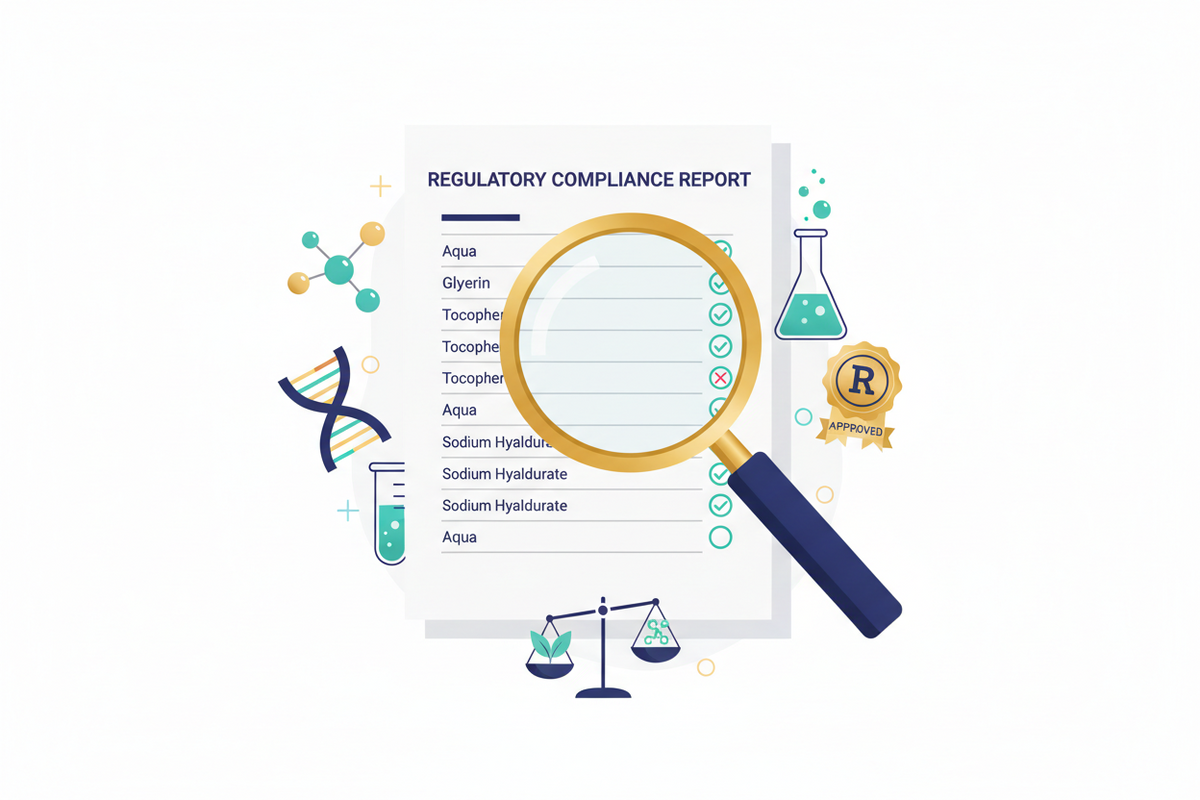
Every personal care cosmetics product is required to list its ingredients using the International Nomenclature of Cosmetic Ingredients (INCI) system. This standardized format ensures transparency and allows you to compare products globally. For instance, “Aqua” is the INCI name for water, while “Tocopherol” means Vitamin E.
Learning to read these labels empowers you to spot beneficial ingredients and potential allergens. For a deeper dive into the INCI system, see the About INCI Ingredient Labels guide. Here’s how a typical label might look:
Aqua, Glycerin, Niacinamide, Tocopherol, Parfum
Understanding these names is the first step to mastering your personal care cosmetics routine.
Spotlight on Key Ingredients
Different ingredients deliver different benefits in personal care cosmetics. Hydrators like hyaluronic acid, glycerin, and squalane attract and retain moisture. Actives such as retinol, Vitamin C, niacinamide, and peptides target specific concerns like aging or hyperpigmentation. Botanicals, including aloe vera and green tea, offer soothing and antioxidant properties.
Preservatives (e.g., phenoxyethanol, parabens) prevent microbial growth, though some raise safety debates. Fragrances—natural or synthetic—add scent but can trigger sensitivities.
| Category | Example INCI | Benefit |
|---|---|---|
| Hydrators | Hyaluronic Acid | Moisture retention |
| Actives | Retinol | Anti-aging |
| Botanicals | Camellia Sinensis | Antioxidant/soothing |
| Preservatives | Phenoxyethanol | Shelf-life extension |
| Fragrances | Limonene | Scent enhancement |
Choosing the right mix is vital for optimal personal care cosmetics results.
Ingredient Safety & Regulation
Personal care cosmetics are regulated to protect consumers. In the US, the FDA oversees cosmetic safety, while the EU Cosmetic Regulation sets stricter limits and updates, such as recent bans on certain parabens and microplastics. ASEAN follows its own harmonized standards.
Brands must comply with banned and restricted ingredient lists, which evolve regularly. Staying informed helps you avoid products with potentially harmful substances. For example, the EU’s 2025 update restricts microbeads in rinse-off products, reflecting the industry’s growing environmental focus.
When selecting personal care cosmetics, check for compliance with your region’s regulatory guidelines.
Navigating Greenwashing & Marketing Claims
Many personal care cosmetics advertise themselves as “natural,” “clean,” or “organic,” but these terms can be misleading. Without third-party certifications, such claims might not meet strict standards. Look for recognized certifications like COSMOS, ECOCERT, or USDA Organic for genuine assurance.
Only 23% of products labeled “natural” actually meet certification criteria, according to industry data. Be wary of vague marketing and always read the ingredient list carefully.
To make ethical choices, prioritize personal care cosmetics with transparent sourcing and validated claims.
Science-Backed vs. Trend-Driven Ingredients
With new ingredients constantly trending, it’s important to distinguish between science-backed actives and those riding the hype. Clinically validated ingredients—like peptides with published studies—offer proven results. In fact, 67% of consumers now seek products with such evidence.
Meanwhile, some trendy ingredients may lack research or be included in personal care cosmetics at ineffective concentrations. Reviewing clinical data and seeking dermatologist recommendations can help you invest in what truly works.
Prioritizing evidence-based formulations ensures your personal care cosmetics deliver real, measurable benefits.
Custom Formulation Support: The INCI Lab
For brands and entrepreneurs seeking to develop safe, effective, and innovative personal care cosmetics, The INCI Lab provides custom formulation services. With expertise in ingredient selection, regulatory compliance, and sustainable practices, The INCI Lab helps clients create award-winning products tailored to specific market needs. Their full-service approach ensures both product safety and performance, making them a trusted partner for those entering or expanding in the personal care cosmetics sector.

Sustainable Beauty: Eco-Friendly Choices & Industry Innovations
Sustainable beauty is transforming the world of personal care cosmetics, setting new standards for eco-friendly routines and responsible consumption. As global awareness grows, consumers and brands alike are rethinking their approach to beauty, prioritizing the planet alongside personal wellness.

The Rise of Sustainable Personal Care Cosmetics
The demand for sustainable personal care cosmetics is at an all-time high. More consumers now expect brands to deliver not just effective products, but also those that align with their values. In fact, 54% of Gen Z shoppers prefer brands with strong sustainability commitments.
This shift is reshaping the personal care cosmetics landscape. Companies are investing in ethical sourcing, cruelty-free formulas, and vegan options to meet growing expectations while reducing their environmental impact.
Green Ingredients and Ethical Sourcing
Ingredient transparency is a cornerstone of sustainable personal care cosmetics. Brands are turning to botanicals sourced from renewable farms and using biodegradable ingredients that break down safely after use.
Key certifications help consumers identify genuinely sustainable choices:
- Fair Trade: Supports ethical labor and fair pricing.
- RSPO: Ensures palm oil is harvested sustainably.
- Vegan Society: Guarantees products contain no animal-derived ingredients.
Innovative brands also incorporate upcycled plant extracts, giving new life to byproducts and reducing waste.
Packaging Innovations and Waste Reduction
Packaging is a major focus in the evolution of personal care cosmetics. Brands are moving away from single-use plastics, opting for recyclable, refillable, or biodegradable options.
Innovations include:
- Compostable tubes and glass jars
- Refillable containers for lotions and shampoos
- Minimalist designs that use less material
These changes help reduce landfill waste and carbon footprint, making beauty routines more sustainable.
Waterless and Concentrated Formulations
Waterless products are gaining traction within personal care cosmetics. By removing water, brands create concentrated formulas that require smaller packages and less energy for transport.
Popular examples include:
- Solid shampoo and conditioner bars
- Powdered cleansers and masks
- Concentrated serums in small recyclable bottles
These options are travel-friendly and support a lower environmental impact.
Regulatory Shifts and Industry Efforts
Governments and industry leaders are enacting new regulations to promote sustainable practices in personal care cosmetics. The European Union, for example, has banned microbeads in rinse-off products and is targeting single-use plastics.
Brands are also adapting to stricter guidelines on environmental claims and ingredient disclosure. For an in-depth look at the latest trends and innovations shaping the industry, visit the Trends in Cosmetics Industry.
How to Shop Sustainably
Choosing sustainable personal care cosmetics requires a keen eye for genuine practices. Look for third-party certifications, transparent ingredient sourcing, and brands that publish their sustainability goals.
Tips for eco-conscious shopping:
- Check packaging for recyclability or refill options
- Read labels for certified ingredients
- Support brands that prioritize ethical sourcing and waste reduction
By making informed choices, you can enjoy a beauty routine that benefits both you and the planet.
Building Your Personalized Personal Care Routine
Creating an effective personal care cosmetics routine is not just about following trends. It is about understanding your own needs, making informed choices, and adapting as your skin, hair, and body evolve. Let us explore how you can build a truly personalized routine that delivers visible, long-lasting results.

Assessing Your Unique Skin, Hair, and Body Needs
Before selecting personal care cosmetics, assess your skin type, hair texture, and lifestyle factors. Are you dealing with oily, dry, or combination skin? Do you have straight, wavy, or curly hair? Consider sensitivities, allergies, and daily routines.
Identifying these unique traits helps you avoid mismatched products and ensures your routine addresses real concerns. For example, those with sensitive skin may need fragrance-free formulas, while individuals with active lifestyles might prioritize sweat-resistant options.
By starting with a thorough self-assessment, you lay the groundwork for a routine that maximizes the benefits of your personal care cosmetics.
Step-by-Step Routine Creation
A well-structured personal care cosmetics routine follows a logical order. Begin with cleansing to remove dirt and oil. Follow with treatments such as serums or spot solutions that target specific concerns like acne or pigmentation. Moisturizing comes next to hydrate and protect, and always finish with sun protection in the morning.
Here is a basic AM routine:
- Cleanser
- Treatment (serum or spot product)
- Moisturizer
- Sunscreen
For a PM routine, skip sunscreen and consider adding richer creams or overnight masks. For more detailed advice, the Ultimate Guide to Natural Skincare offers step-by-step guidance on ingredient selection and layering.
Consistency is key. Using your personal care cosmetics in the proper sequence helps maximize their effectiveness and keeps your skin and hair healthy.
Customizing for Age, Climate, and Lifestyle
Personal care cosmetics are not one size fits all. Your age, environment, and daily activities play a significant role in what your body needs. Teenagers may focus on oil control and blemish prevention, while adults might seek anti-aging or hydration benefits.
Climate matters too. In humid areas, lightweight gels and oil-free formulas prevent breakouts, while colder climates call for richer creams and nourishing oils. If you travel frequently, consider portable formats like solid shampoos or travel-sized serums.
Adapt your routine as your life changes. This customization ensures your personal care cosmetics always support your current needs.
Integrating Targeted Treatments
Targeted treatments are the secret weapon of a personalized routine. These include spot treatments for blemishes, anti-aging serums, scalp masks, and exfoliants. When introducing new actives like retinol or acids, do so gradually to prevent irritation.
Combine ingredients carefully. For example, avoid using strong exfoliants and retinol together unless guided by a professional. Always patch test new personal care cosmetics to minimize the risk of reactions.
By focusing on specific concerns, you get the most from your routine and see faster, more noticeable improvements.
Monitoring Results & Adjusting Over Time
Track your progress to ensure your personal care cosmetics routine is working. Use a skincare diary, take regular photos, or try a tracking app. Look for changes in hydration, clarity, or texture.
If you notice persistent dryness or irritation, it may be time to switch products or adjust how often you use actives. Seasonal changes, stress, and age can all impact your skin and hair, so review your regimen regularly.
Regular monitoring means your routine stays effective and continues to meet your evolving needs.
Common Mistakes & How to Avoid Them
Even the best personal care cosmetics can cause issues if misused. Avoid over-exfoliating, which can damage your skin barrier. Do not overload your regimen with too many new products at once. Always patch test new items, especially if you have sensitive skin.
Here are some tips to sidestep common pitfalls:
- Introduce one new product at a time
- Read ingredient lists carefully
- Listen to your skin and hair’s response
According to industry data, 36 percent of consumers experience adverse reactions due to incorrect use of personal care cosmetics. Taking a mindful, measured approach helps you avoid setbacks and enjoy the full benefits of your routine.
Shopping Smart: Evaluating & Selecting Personal Care Cosmetics
Choosing the right personal care cosmetics is more than just picking a pretty package. The global market is expanding rapidly, with consumers facing thousands of product choices every day. According to the Global Personal Care and Cosmetic Products Market Outlook 2034, this industry is set to reach unprecedented heights, making smart shopping skills more essential than ever.
Understanding Your Needs & Setting a Budget
Start by assessing your personal care cosmetics needs. Make a list of must-have items like cleansers, moisturizers, and sunscreens, and separate them from nice-to-have products such as specialty masks or fragrance mists. This helps you focus your budget on essentials first.
Set a realistic budget before shopping. Allocate more funds to high-impact products, like a quality serum or sunscreen, and spend less on items you use infrequently. Planning prevents impulse buys and ensures your personal care cosmetics routine remains effective and affordable.
Reading Labels & Verifying Claims
Always inspect ingredient lists and product claims carefully. Look for clear labeling with INCI names and avoid products with undisclosed fragrances or vague ingredient lists. Understanding these details is key for making safe personal care cosmetics choices.
Be wary of greenwashing and misleading "natural" or "organic" claims. Check for certifications and refer to trusted sources. The EU Cosmetic Regulations Mid-Year 2024 Update highlights recent ingredient bans and stricter labeling laws, underscoring the importance of transparency when evaluating products.
Comparing Brands & Product Reviews
Researching brands and product reviews is crucial. Use third-party platforms and dermatologist recommendations to validate claims and performance. For example, EWG Skin Deep and Paula’s Choice Ingredient Dictionary are reliable resources.
Compare personal care cosmetics across similar categories. Look for consistent positive feedback, transparent sourcing, and clinical testing. This process helps you avoid hype-driven products and focus on proven, high-quality options that meet your needs.
Shopping Online vs. In-Store
Both online and in-store shopping offer unique benefits for personal care cosmetics consumers. Online platforms provide convenience, broader selection, and user reviews, while in-store experiences allow you to test textures and scents firsthand.
| Factor | Online Shopping | In-Store Shopping |
|---|---|---|
| Convenience | High | Moderate |
| Product Range | Extensive | Limited |
| Authenticity | Risk of counterfeits | More secure |
| Returns | May be complex | Easier |
Consider using virtual try-on tools for color cosmetics when shopping online. Always check return policies to ensure you can exchange unsuitable items.
Navigating Sales, Subscriptions, and Loyalty Programs
Maximize your value by exploring bundles, auto-replenishment, and loyalty rewards. Many personal care cosmetics brands offer subscription boxes or discounts for recurring purchases.
Sign up for loyalty programs to access exclusive deals and samples. However, avoid stockpiling more than you can use before expiration. Smart participation in these programs can stretch your budget while keeping your routine up-to-date.
Recognizing Counterfeits & Ensuring Product Safety
Counterfeit personal care cosmetics are a growing concern, particularly online. Purchase only from authorized retailers or brand websites to minimize risk. Watch for inconsistent packaging, unusually low prices, and missing safety seals.
Red flags include spelling errors, missing batch codes, and suspiciously high discounts. Remember, 20% of online beauty products have been found to be counterfeit or adulterated, so vigilance is essential for safety and efficacy.
When to Consult a Professional
If you experience persistent irritation, allergic reactions, or have complex skin or hair concerns, consult a dermatologist or trichologist. Professionals can recommend personal care cosmetics tailored to your unique needs and help you avoid trial-and-error that could harm your skin or hair.
Shopping smart not only saves money but protects your health. By following these guidelines, you can confidently navigate the expanding world of personal care cosmetics and build a routine that truly works for you.
Future Trends in Personal Care Cosmetics: 2026 & Beyond
The landscape of personal care cosmetics is rapidly evolving as we approach 2026. New technologies, scientific breakthroughs, and shifting consumer values are reshaping routines and expectations. Staying ahead of these trends will empower you to make the most informed choices for your beauty and wellness journey.
Tech-Driven Personalization
Artificial intelligence and data analytics are revolutionizing personal care cosmetics. Consumers can now access skin analysis apps that scan real-time conditions, recommending tailored products and routines. Custom-blended formulas, created via online quizzes and AI, address unique concerns more precisely than ever. As personalization becomes the norm, expect brands to leverage technology for hyper-targeted solutions in personal care cosmetics.
Microbiome-Friendly Formulations
The next frontier for personal care cosmetics is supporting the skin’s natural microbiome. Prebiotics, probiotics, and postbiotics are increasingly featured in new releases, aiming to balance and protect the skin barrier. These innovations help reduce sensitivity and improve overall skin health. Brands now focus on gentle, non-disruptive ingredients to nurture your skin’s flora, a shift backed by growing scientific evidence.
Advanced Delivery Systems & Efficacy
Cutting-edge delivery systems are enhancing the effectiveness of personal care cosmetics. Technologies such as nanotechnology, encapsulation, and time-release actives ensure ingredients reach target areas with maximum potency and minimal irritation. For example, encapsulated retinol gradually releases into the skin, reducing the risk of redness. These advancements are raising consumer expectations for visible, lasting results.
Diversity, Equity & Inclusion in Product Development
The personal care cosmetics industry is embracing diversity and inclusion like never before. Brands are expanding shade ranges for foundations and concealers, developing haircare for all textures, and launching gender-neutral offerings. Consumers now demand products that reflect their identity and needs. This shift is leading to greater representation, making personal care cosmetics more accessible and effective for everyone.
Regulatory & Safety Innovations
Safety and transparency are at the forefront of future regulations in personal care cosmetics. Governments worldwide are introducing stricter rules for ingredient disclosure and product testing. In the United States, the proposed Cosmetic Hazardous Ingredient Right to Know Act of 2025 aims to increase transparency about hazardous substances in cosmetics, helping consumers make safer choices. These changes will drive brands to prioritize clean, fully disclosed formulas.
Wellness Integration & Holistic Beauty
Personal care cosmetics are increasingly merging with wellness trends, reflecting consumers’ desire for holistic self-care. Products now blend skincare with aromatherapy, adaptogens, and mood-boosting ingredients to support mental and emotional well-being. This fusion of beauty and wellness encourages routines that nurture both appearance and inner balance, making personal care cosmetics central to daily rituals.
Market Outlook & Consumer Preferences
The global market for personal care cosmetics is set for robust growth, driven by demand for clean, sustainable, and tech-enhanced products. According to the North America Beauty & Personal Care Products Market Report 2030, consumers are prioritizing efficacy, safety, and inclusivity. Brands that innovate in these areas will shape the future, as the market continues to expand and diversify.
| Trend | Key Impact | Consumer Benefit |
|---|---|---|
| Tech-driven personalization | Custom routines and formulas | Tailored results |
| Microbiome-friendly products | Balanced skin flora | Improved skin health |
| Advanced delivery systems | Enhanced ingredient efficacy | Faster, visible results |
| Diversity & inclusion | Broader product representation | Meeting diverse needs |
| Regulatory & safety innovations | Stricter ingredient disclosure | Greater product safety |
| Wellness integration | Beauty meets self-care | Holistic well-being |
| Market outlook | Rapid growth and innovation | More choices, better solutions |
Personal care cosmetics in 2026 will be smarter, safer, and more inclusive than ever before. By understanding these trends, you can confidently choose products that align with your needs, values, and aspirations.
As you explore the essentials of personal care cosmetics—from ingredient transparency and sustainable choices to building a routine that truly works for you—you’re taking an empowered step toward healthier, more radiant skin and well-being. If you’re ready to turn knowledge into action and confidently navigate the evolving beauty landscape, I invite you to take the next step with expert guidance. Start your journey to creating standout, high-performance products tailored to your vision and values.
Start Your Product Journey