

The global skincare market is experiencing explosive growth, with projections reaching $177 billion by 2025. As consumers seek innovative and effective products, the demand for skincare private label manufacturers is skyrocketing among entrepreneurs and established brands alike.
This guide spotlights the 12 leading skincare private label manufacturers for 2026, offering authoritative insights into their unique offerings, pricing, and capabilities. Readers will discover how to select the right partner to elevate their brand, minimize costs, and accelerate time to market.
Ready to transform your skincare vision into reality? Explore the top manufacturers and gain the knowledge to take decisive action.
Why Choose a Private Label Skincare Manufacturer?
In today’s rapidly evolving beauty industry, choosing skincare private label manufacturers is a strategic move for both emerging and established brands. The surge in demand for unique, high-quality skincare products has transformed the way brands approach product development and market entry. But what makes private label such an attractive pathway?
The Rise of Private Label in Skincare
Consumer preferences are shifting toward indie and boutique skincare brands, fueling the prominence of skincare private label manufacturers worldwide. These manufacturers empower brands to respond quickly to trends, minimize upfront investments, and access expert formulation without the heavy burden of R&D costs.
In fact, private label has become a cornerstone for many successful skincare launches. Brands leverage ready-made or customizable formulas to reduce time to market and focus on brand-building rather than formulation from scratch. The flexibility offered—ranging from stock options to full custom development—means businesses of all sizes can scale efficiently.
Recent data shows substantial global growth in the private label skincare sector, with market share increasing year over year as consumers seek differentiated, high-quality products. For a deeper look at this transformation, see Rise of Private Label Skincare, which explores how private label partners are revolutionizing the industry.
Some of today’s leading brands began their journey with skincare private label manufacturers, using these collaborations as a foundation for future expansion and innovation.
Key Benefits and Considerations
Working with skincare private label manufacturers offers several clear benefits:
- Speed to Market: Launch new products rapidly by leveraging existing formulations.
- Lower Minimum Order Quantities (MOQs): Test concepts with small runs before scaling up.
- Regulatory Compliance: Manufacturers ensure formulas meet safety and labeling standards.
- Access to Innovation: Tap into cutting-edge ingredients and technologies.
However, there are important considerations as well. Differentiation can be challenging when using stock formulas, so brands should work closely with manufacturers to customize products or invest in unique packaging. Quality assurance and brand ownership must be prioritized—requesting samples, verifying certifications, and reviewing manufacturing capabilities is essential.
For brands aiming to grow, private label is often a stepping stone toward full custom formulation and broader product lines. The right skincare private label manufacturers can evolve from a simple supplier to a long-term innovation partner, supporting your brand’s journey from concept to market leadership.
12 Leading Skincare Private Label Manufacturers for 2026
The landscape of skincare private label manufacturers is rapidly evolving, offering diverse options for brands of every size. Below, we spotlight 12 leading skincare private label manufacturers for 2026, each bringing unique strengths, specialties, and opportunities for innovation.
The INCI Lab
The INCI Lab is an award-winning, science-led cosmetic contract manufacturer and formulation consultancy. As one of the most innovative skincare private label manufacturers, The INCI Lab offers three R&D pathways: Accelerator, Visionary, and Ready-to-Go, catering to a wide range of brand needs.
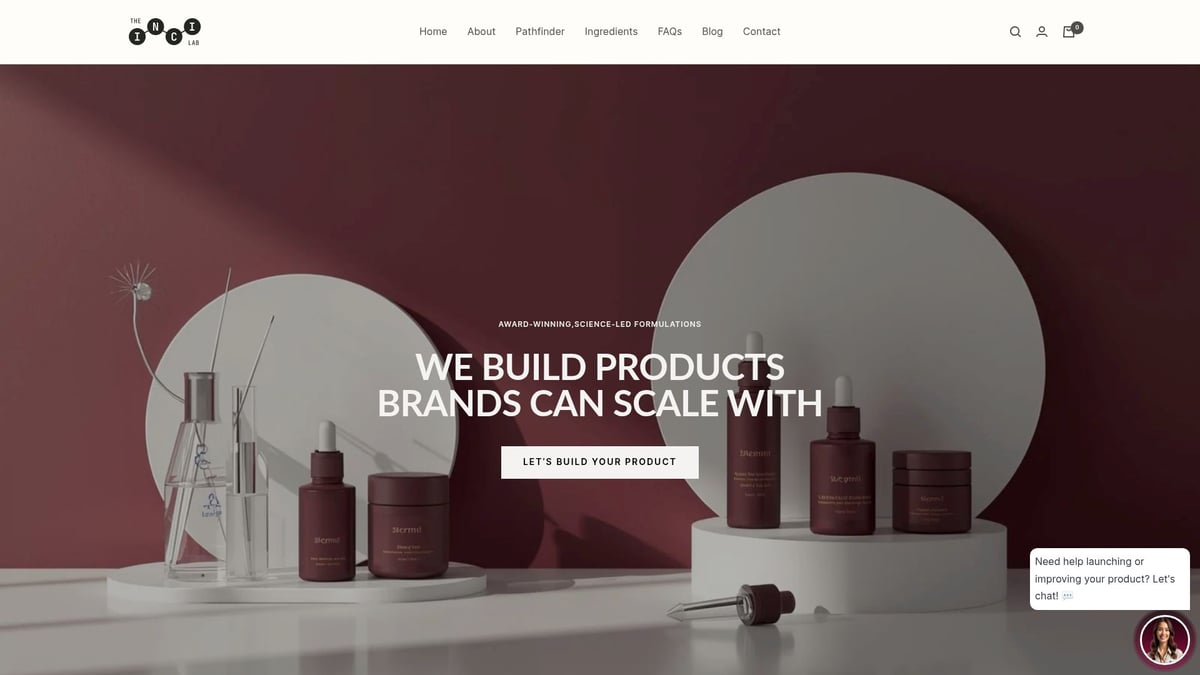
Clients enjoy full IP ownership, eco-friendly practices, and robust regulatory support. The INCI Lab’s customizable solutions empower both startups and established brands to launch with speed and confidence. Rapid development timelines and access to expert chemists ensure your skincare private label manufacturers journey is smooth and efficient.
Target audiences include entrepreneurs, established brands, innovators, and DIY formulators. Pricing begins with a free 15-minute strategy call, followed by custom project quotes.
Pros: Flexible, science-driven, award-winning expertise, proprietary formulas.
Cons: Ready-to-Go products launching soon, pricing is not listed upfront.
For more on the value of custom formulations, see Power of Custom Cosmetic Formulations.
Induction Therapies
Induction Therapies is a US-based, FDA-compliant manufacturer recognized for medical-grade, clean beauty formulations. As a trusted name among skincare private label manufacturers, they provide 45+ formulas, low MOQs starting at just 12 units, and a fast 10-day turnaround post-design.
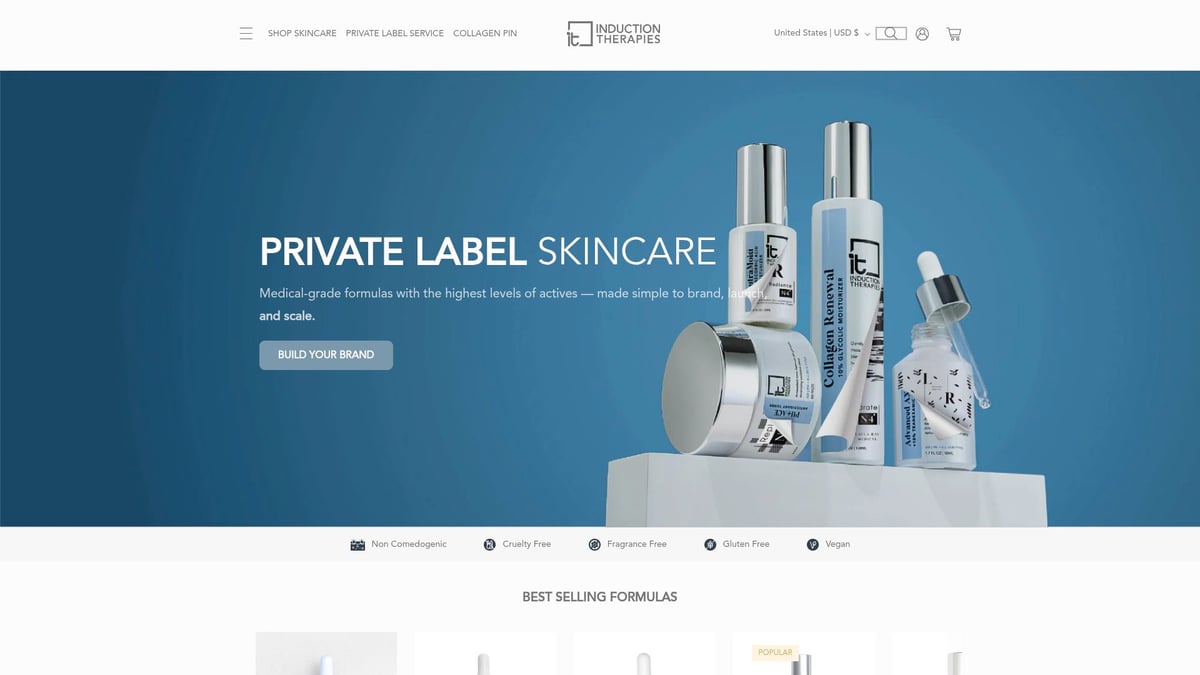
Clinics and startups benefit from hands-on branding support and clinical-grade skincare. Induction Therapies helps emerging brands access cosmeceutical products typically reserved for established players. Their commitment to quality positions them as a top choice for skincare private label manufacturers looking to make an impact.
Target audiences include dermatologists, aesthetic clinics, and emerging brands. Pricing is custom, with low entry barriers.
Pros: High-quality, low MOQ, quick fulfillment.
Cons: Newer in the market, smaller product range.
Trilogy Laboratories
Trilogy Laboratories is a science-driven manufacturer based in Florida, specializing in professional and spa-grade skincare. As one of the prominent skincare private label manufacturers, Trilogy offers custom formulation, OTC (FDA-regulated) products, and flexible packaging.
Their in-house R&D enables advanced anti-aging, chemical peels, and dermatological treatments. Trilogy Laboratories empowers professional skincare brands and spas to deliver results-driven products, all while upholding strict manufacturing standards.
Target audiences are spas, clinics, and professional skincare brands. Pricing is custom, varying by formulation and volume.
Pros: Custom R&D, strict manufacturing standards, packaging flexibility.
Cons: No dropshipping, lead times may vary.
GoodVara
GoodVara, based in Kansas, stands out among skincare private label manufacturers with a vast catalog of over 1000 stock formulas. Their low minimums (50 units or 1 gallon) enable indie brands and startups to enter the market quickly.
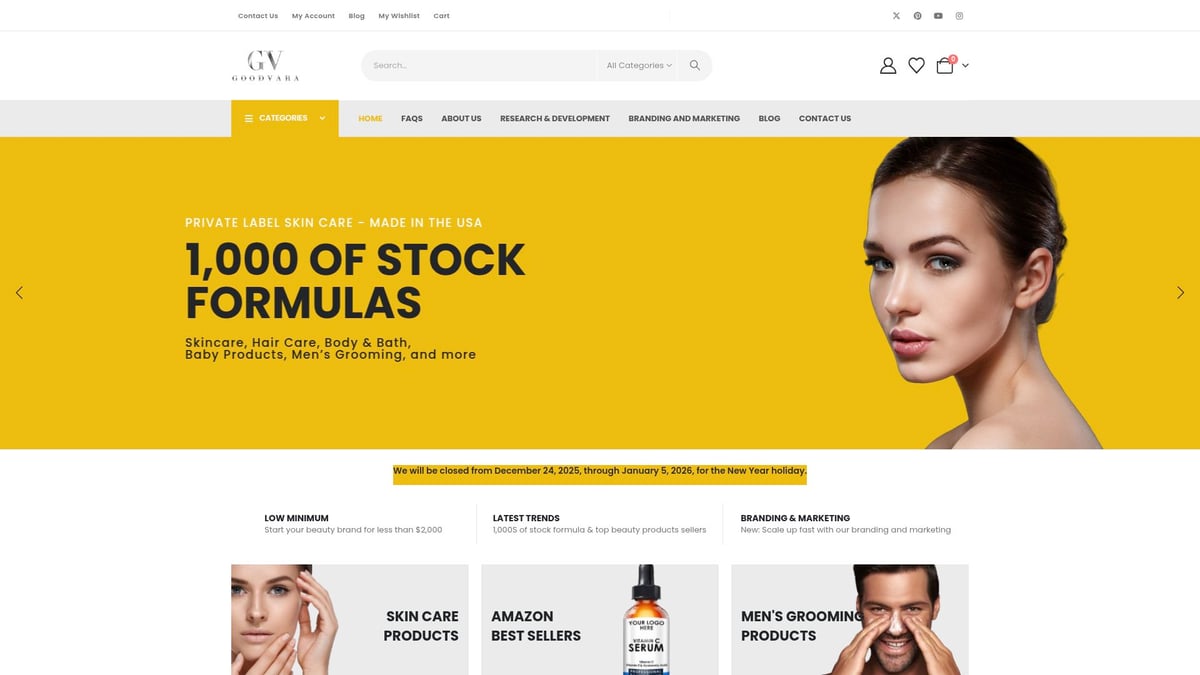
The company covers skincare, hair, bath, and body categories, offering broad category coverage for boutique retailers and entrepreneurs. GoodVara’s transparent pricing and quick launch process make them a go-to option for skincare private label manufacturers aiming for speed and variety.
Target audiences include indie brands, boutique retailers, and startups. Transparent pricing and low MOQs lower the barrier to entry.
Pros: Large selection, low barrier to entry, quick launch.
Cons: Overlap in offerings, differentiation needed.
Libby Labs
Libby Labs, a California-based manufacturer since 1957, brings decades of expertise to the table. As one of the most experienced skincare private label manufacturers, Libby Labs provides both custom and private label solutions across face, body, and hair care.
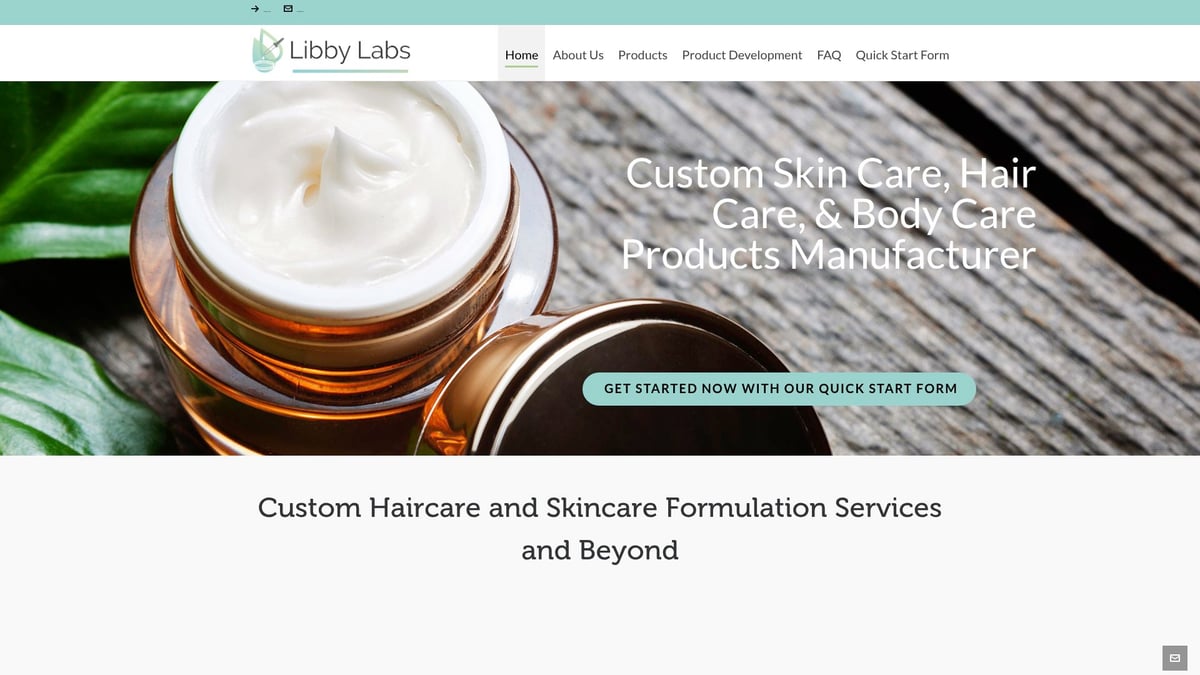
Their broad formulation capabilities allow brands to create unique formulas that go beyond stock options. US-based manufacturing and a legacy of quality set them apart from other skincare private label manufacturers.
Target audiences are brands seeking custom and private label solutions. Pricing is custom; direct inquiry required for MOQs and lead times.
Pros: Customization, broad expertise, industry legacy.
Cons: Less transparent public info on MOQs/lead times.
Pravada
Pravada is a private label skincare manufacturer focused on naturally derived and organic ingredients. With ready-to-sell products, custom formulation services, and low MOQs around 50 units, Pravada makes it easy for brands to launch quickly.
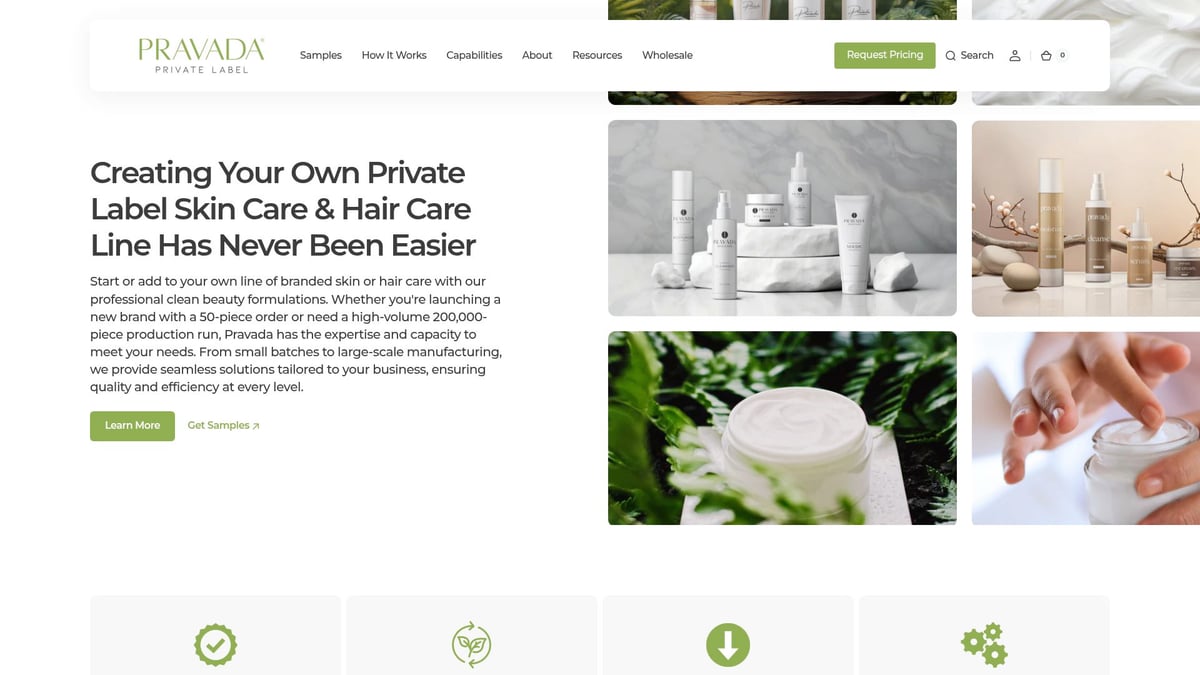
Their wide product range spans face, body, and hair, with an organic focus that appeals to eco-conscious businesses. Pravada’s customer-friendly approach and competitive pricing make them a popular choice among skincare private label manufacturers for small brands and boutiques.
Target audiences include small brands, boutiques, and eco-conscious businesses. Pricing is competitive with low entry minimums.
Pros: Accessible, organic focus, customer-friendly.
Cons: Custom formulation may have longer lead times.
Prime Matter Labs
Prime Matter Labs is a multi-location US manufacturer known for advanced R&D and scalable production. As a leader among skincare private label manufacturers, they provide full-service product development, custom and private label options, and in-house design and packaging.
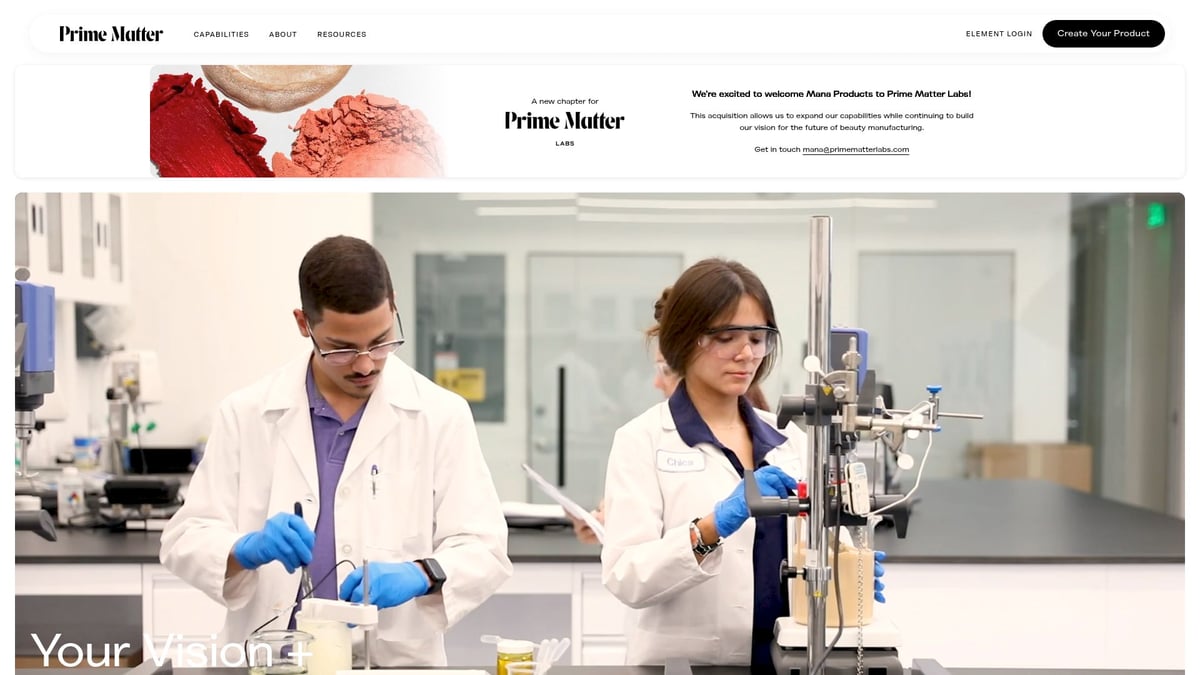
Their robust quality control and trend-driven innovation attract growth-stage and established brands. Prime Matter Labs is ideal for those planning to scale, offering tailored solutions for multi-channel retailers.
Target audiences are established brands and multi-channel retailers. Pricing is custom and tailored to project scope.
Pros: Scalable, innovative, strong support.
Cons: Higher MOQs for some services.
Onoxa
Onoxa, based in Florida, is an entrepreneur-focused private label manufacturer. Their transparent online catalog and low MOQs (just 12 units) make them especially attractive for new brands entering the market.
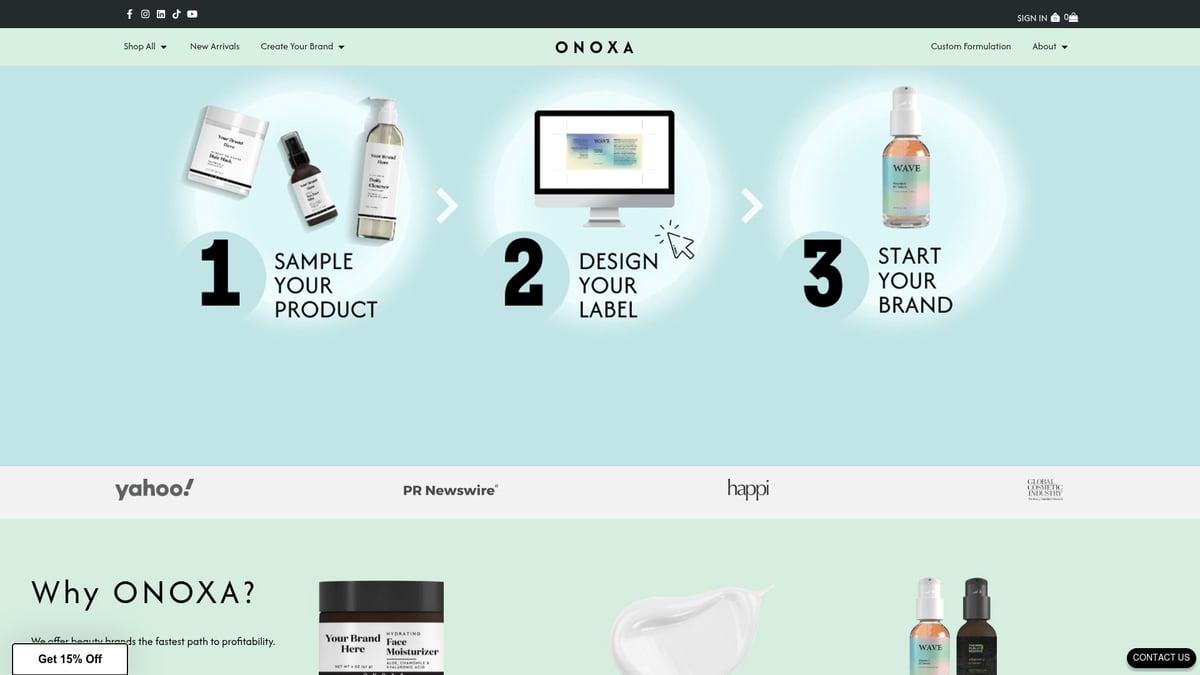
Onoxa offers a fast, simple ordering process and affordable prices, positioning themselves as one of the most approachable skincare private label manufacturers for influencers, microbrands, and entrepreneurs.
Target audiences are entrepreneurs, influencers, and microbrands. Pricing is clearly listed per product with low minimums.
Pros: Fast, affordable, transparent.
Cons: Limited customization, smaller product range.
RainShadow Labs
Oregon-based RainShadow Labs is an eco-conscious private label and contract manufacturer. They specialize in organic and natural formulations, offering both custom and stock options to brands prioritizing clean beauty.
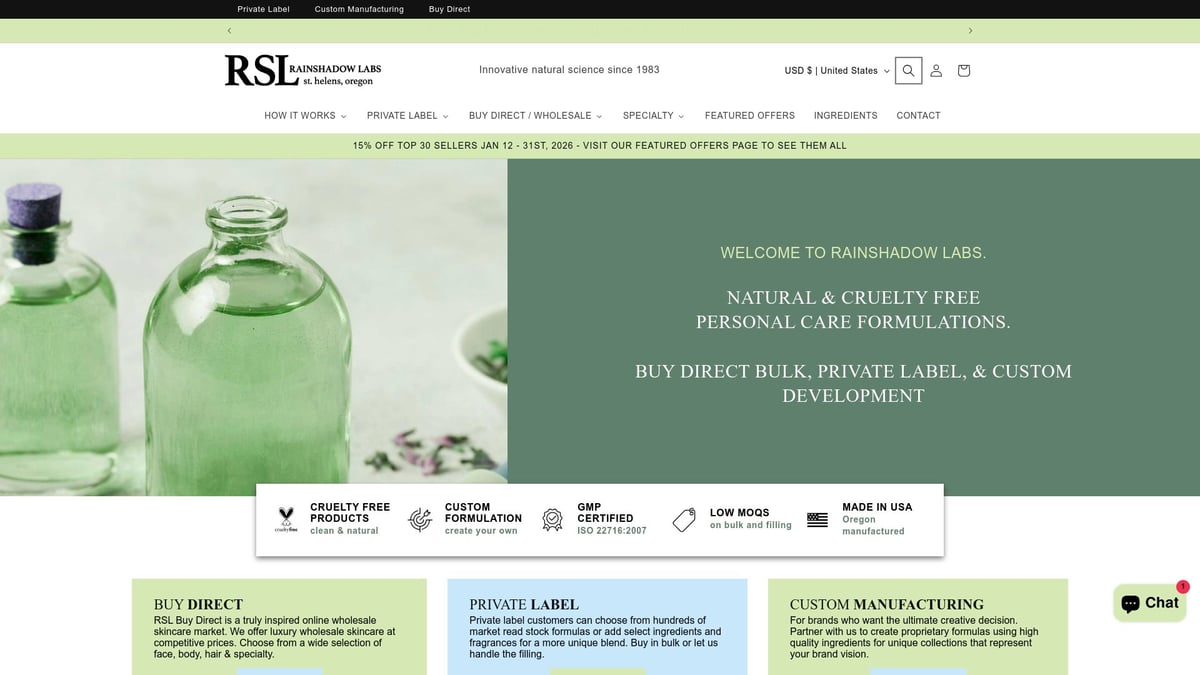
RainShadow Labs’ sustainable practices and expertise in organic skincare position them among the top skincare private label manufacturers for natural and wellness-focused companies. Custom pricing and flexible options support a range of order sizes.
Target audiences include natural/organic brands and wellness companies. Pricing varies by order size and formulation.
Pros: Sustainability, organic expertise, flexible options.
Cons: Lead times may vary, higher MOQs for custom.
Cosmetic Solutions
Cosmetic Solutions, based in Florida, is a full-service manufacturer with global reach. Their turnkey private label, custom formulation, and broad product categories make them a powerhouse among skincare private label manufacturers.
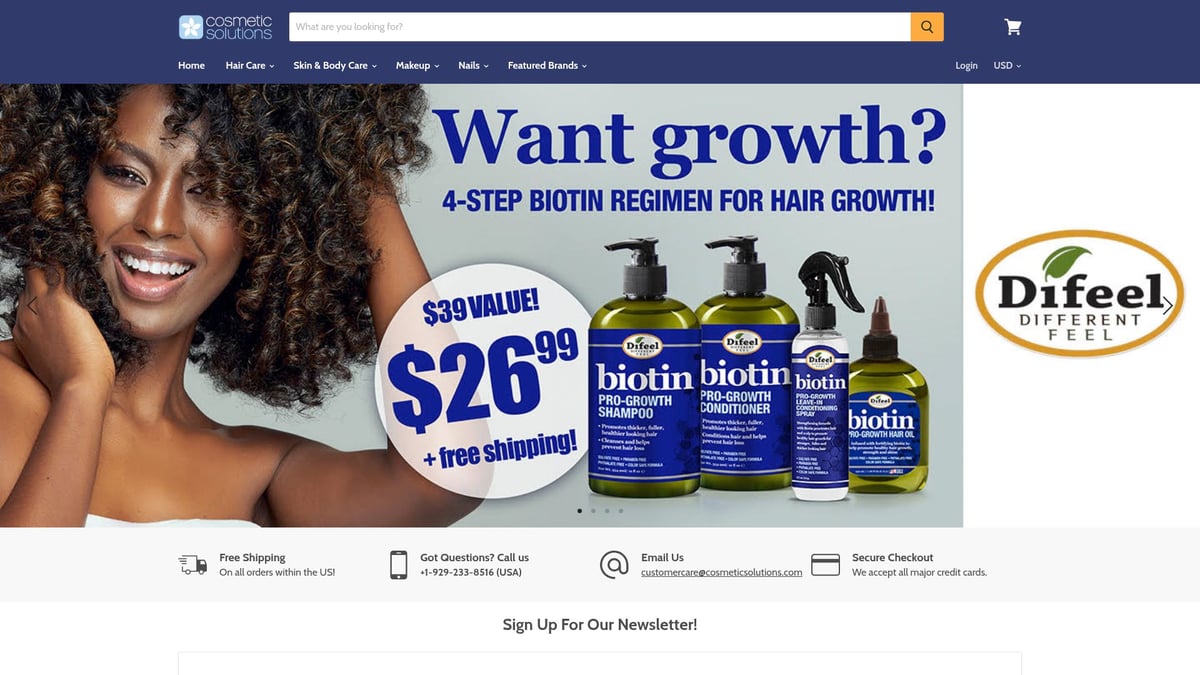
With end-to-end services, innovation labs, and global compliance, Cosmetic Solutions serves startups to large brands, including international clients. Their broad service offerings accommodate diverse needs, though higher MOQs may apply for some services.
Target audiences are startups, large brands, and international clients. Pricing is custom and reflects the breadth of services.
Pros: Full-service, global compliance, innovation-driven.
Cons: Higher MOQs for some services.
GAR Labs
GAR Labs, located in Southern California, brings decades of experience to the skincare private label manufacturers space. Their private label and custom manufacturing capabilities support large-scale production and an extensive product catalog.
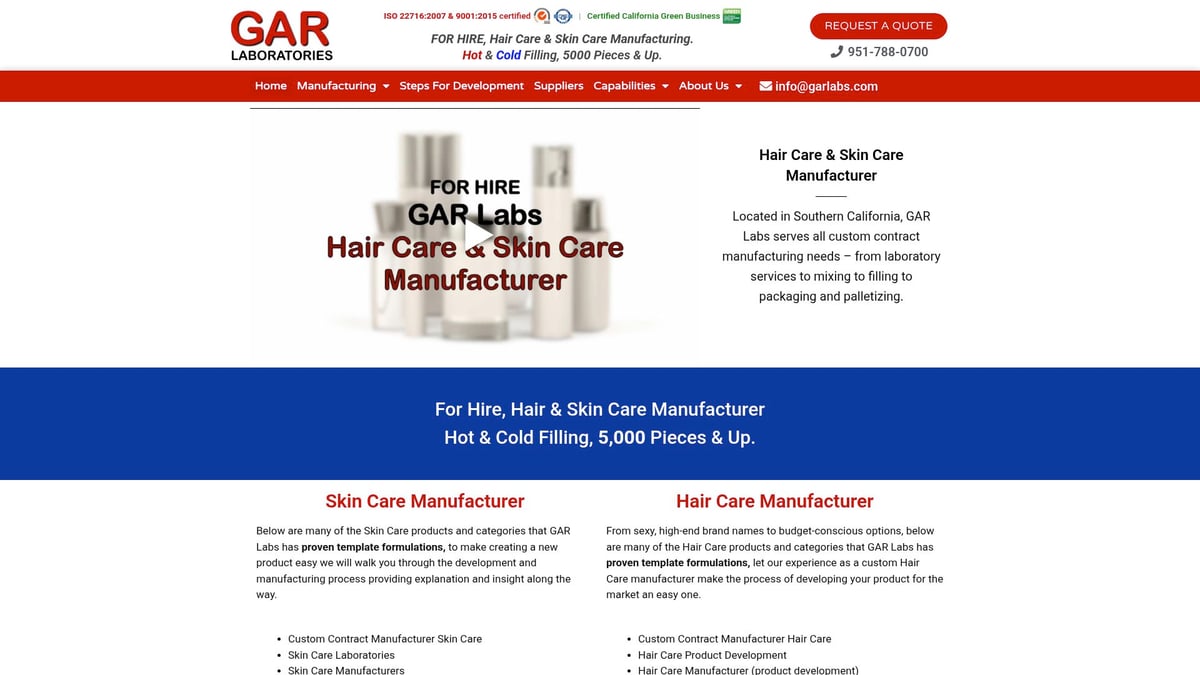
GAR Labs excels at high-volume capacity, making them a reliable choice for established brands and high-volume retailers seeking cost-effective solutions from experienced skincare private label manufacturers.
Target audiences are established brands and high-volume retailers. Pricing is cost-effective for large orders.
Pros: Scale, experience, cost efficiency.
Cons: Less suitable for small brands/startups.
Malibu Labs
Malibu Labs, based in California, is a boutique manufacturer specializing in luxury and clean beauty. Their small-batch production, custom and private label options, and focus on premium ingredients appeal to high-end brands.
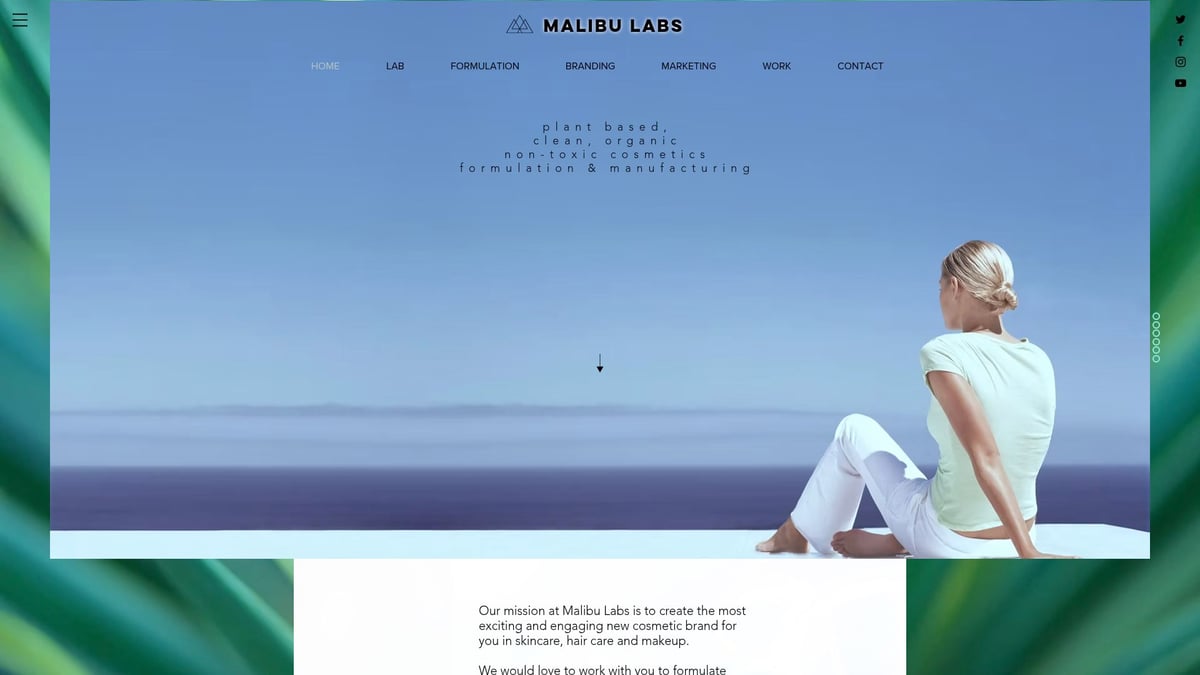
Malibu Labs offers personalized service and bespoke formulations, setting themselves apart from other skincare private label manufacturers with a luxury positioning. Pricing is premium, reflecting their boutique approach and limited capacity for large-scale orders.
Target audiences are high-end brands, boutique labels, and clean beauty startups. Pricing is premium, matching the luxury focus.
Pros: Luxury focus, small batch, personalized support.
Cons: Higher price points, limited capacity for large-scale orders.
How to Choose the Right Skincare Private Label Partner
Selecting the right partner among skincare private label manufacturers is a crucial step in building a successful skincare brand. With a crowded market and rising consumer expectations, making an informed choice will directly impact your product quality, speed to market, and long-term brand reputation.
Key Selection Criteria
Begin your search by identifying what matters most for your business. Leading skincare private label manufacturers offer a range of formulation expertise, so assess whether you need stock formulas, custom solutions, or advanced R&D support.
Minimum order quantities (MOQs) can vary widely among suppliers. Lower MOQs suit startups and microbrands, while established businesses may prioritize scalable production. Speed to market is equally important, as quick turnaround times help you capitalize on trends and stay ahead of competitors.
Regulatory compliance cannot be overlooked. Confirm that your chosen manufacturer adheres to regional and international standards, including ingredient safety and labeling requirements. Packaging capabilities also deserve attention, since innovative or sustainable packaging can set your brand apart.
Finally, ensure your prospective partner aligns with your brand values, whether that means a focus on sustainability, clean ingredients, or cutting-edge technology. This alignment will support a consistent brand identity and foster consumer trust.
Vetting and Decision-Making
Once you have a shortlist of skincare private label manufacturers, dive deeper into their processes and reputation. Transparency is key—look for clear pricing, open communication, and robust quality assurance protocols.
Request product samples to evaluate texture, scent, and performance. Review the manufacturer’s certifications, such as GMP or organic credentials, and ask for client testimonials or case studies. These steps reveal the manufacturer's reliability and commitment to quality.
Flexibility is particularly valuable for growing brands. Some manufacturers offer both stock and custom options, allowing you to start small and expand as your business grows. For more actionable advice on this evaluation process, consult this Choosing the Best Skincare Manufacturer guide, which outlines essential questions to ask and red flags to watch for.
Decision-Making Framework and Checklist
To choose confidently among skincare private label manufacturers, use a structured approach. Start by ranking your priorities: formulation quality, MOQs, speed, regulatory support, and packaging. Next, compare your top candidates side by side.
Quick Checklist:
| Criteria | Manufacturer A | Manufacturer B | Manufacturer C |
|---|---|---|---|
| Formulation Expertise | ✅ | ✅ | ❌ |
| MOQ Flexibility | ✅ | ❌ | ✅ |
| Regulatory Compliance | ✅ | ✅ | ✅ |
| Packaging Innovation | ❌ | ✅ | ✅ |
| Brand Value Alignment | ✅ | ✅ | ❌ |
Real-world example: A clean beauty startup selected a partner with low MOQs, quick lead times, and organic certification, enabling a fast, compliant launch and later expansion into custom formulations.
By following this framework, you can confidently select the best fit among skincare private label manufacturers, ensuring your brand’s foundation is built for growth and success.
Trends Shaping Private Label Skincare Manufacturing in 2026
The world of skincare private label manufacturers is rapidly evolving as consumer expectations, technology, and global markets shift. As we approach 2026, brands must stay ahead of these trends to remain competitive and relevant. The industry’s projected expansion and innovation highlight the need for every brand to understand what’s driving change in skincare private label manufacturers.
Major Trends Redefining the Landscape
Skincare private label manufacturers are embracing several powerful trends in 2026. Clean beauty remains at the forefront, with increasing demand for ingredient transparency and minimalistic, safe formulations. Brands are prioritizing ethical sourcing, cruelty-free testing, and formulations free from controversial chemicals.
Sustainability is another critical driver. Eco-friendly packaging, biodegradable materials, and a reduced carbon footprint are now expectations, not exceptions. Manufacturers are introducing refillable systems, recyclable components, and responsible supply chain practices.
Biotech ingredients are reshaping product innovation. Advances in plant exosomes, peptides, and fermentation-derived actives are enabling skincare private label manufacturers to deliver clinical-level results. Personalization is also growing, with AI-powered diagnostics and data-driven product customization offering unique solutions for diverse skin needs.
Regulatory and Market Shifts
Regulatory compliance is becoming more complex as global standards tighten. Skincare private label manufacturers must ensure that their products meet strict guidelines for safety, labeling, and environmental impact. Consumers increasingly demand full transparency, from ingredient sourcing to production methods.
The global supply chain is adapting to these pressures. Manufacturers are investing in local sourcing, resilient logistics, and agile production to meet unpredictable demand and reduce environmental impact.
Innovation and Industry Leadership
Innovation is accelerating, driven by advances in formulation technology and consumer demand for visible results. Manufacturers are leveraging biotech, encapsulation, and green chemistry to create next-generation products. For a deeper analysis of these innovations, see the Skincare Industry Trends and Innovation report.
Leaders in the field are also adopting digital solutions for traceability and customer engagement. Interactive packaging, QR codes, and blockchain-backed ingredient verification are gaining traction.
Market Outlook and Future-Proofing Your Brand
The future for skincare private label manufacturers looks promising, with robust growth projections and expanding opportunities worldwide. According to Private label skincare manufacturing trends for 2026, brands that align with sustainability, innovation, and personalization will capture a larger share of the market.
To future-proof your product line, collaborate with skincare private label manufacturers who prioritize flexibility, transparency, and continuous R&D. Regularly assess your partner’s capabilities, monitor regulatory updates, and stay engaged with emerging trends to ensure your brand not only keeps pace but leads the way.
As you explore the world of private label skincare manufacturers, you’ll see just how many opportunities there are to launch something truly unique and aligned with your brand values. Whether you’re an entrepreneur ready to build your first line or an established company seeking innovation, understanding your options is the first step. Ready to take action on everything you’ve learned here—from sustainable practices to custom formulation expertise? Let’s turn your ideas into reality. Start Your Product Journey and move confidently toward creating products that stand out in a growing, competitive market.