

The beauty industry continues to transform at an unprecedented pace, driven by consumer demand for products that deliver exceptional performance while aligning with personal values. Beauty products today encompass far more than simple cosmetics; they represent a sophisticated blend of science, sustainability, and personalization. From innovative skincare formulations to multifunctional makeup, the landscape has shifted dramatically to prioritize clean ingredients, measurable results, and environmental responsibility. Understanding these dynamics is essential for brands looking to create products that resonate with modern consumers and stand out in increasingly competitive markets.
The Evolution of Modern Beauty Products
Consumer expectations have fundamentally reshaped what defines successful beauty products. The era of one-size-fits-all formulations has given way to customized solutions that address specific skin concerns, preferences, and lifestyles. This transformation reflects a deeper understanding of how diverse skin types, environmental factors, and individual needs require tailored approaches.
Scientific Innovation Meets Consumer Demand
Today's beauty products leverage advanced research to deliver tangible benefits. Ingredients once reserved for professional treatments now appear in accessible formats, bringing clinical-grade performance to everyday routines. Active compounds such as peptides, growth factors, and biomimetic ingredients represent the new frontier in formulation science.
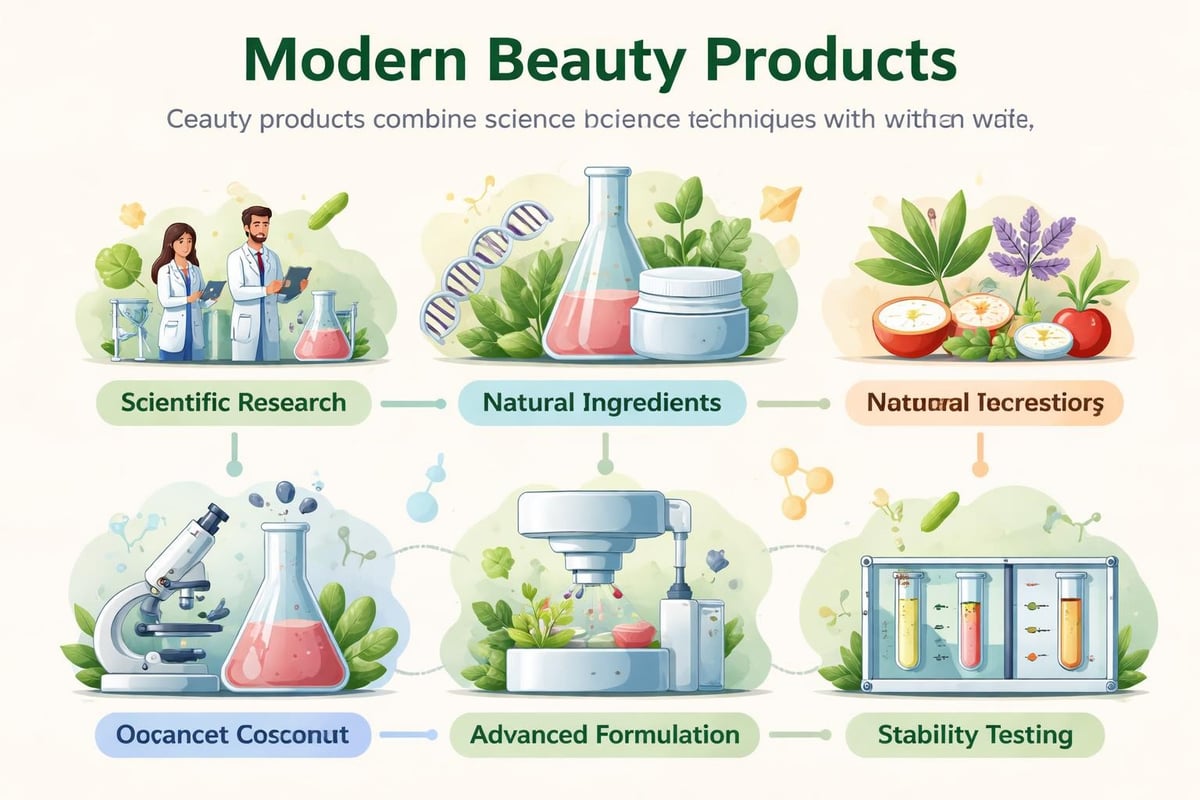
The shift toward evidence-based formulations has elevated industry standards. Consumers increasingly seek products backed by research, clinical trials, and transparent ingredient disclosures. This demand has pushed brands to invest in understanding INCI labeling and comprehensive testing protocols that validate product claims. The market now rewards formulations that demonstrate measurable improvements in skin health, texture, and appearance.
Key innovation areas include:
- Advanced delivery systems that enhance ingredient penetration
- Microbiome-friendly formulations supporting skin barrier health
- Time-release technologies extending active ingredient efficacy
- Biofermentation processes creating sustainable, high-performance ingredients
- Encapsulation methods protecting sensitive compounds
The biggest beauty trends of 2025 highlight how overachieving formulas now dominate consumer preferences, with products expected to deliver multiple benefits simultaneously.
Sustainability as a Formulation Imperative
Environmental consciousness has moved from marketing buzzword to fundamental requirement in beauty product development. Brands must now consider their ecological footprint across the entire product lifecycle, from ingredient sourcing to packaging disposal. This paradigm shift has sparked innovation in waterless formulations, biodegradable ingredients, and circular economy approaches.
Eco-Friendly Ingredient Selection
Sustainable beauty products prioritize ingredients that minimize environmental impact without compromising performance. Plant-derived actives, upcycled botanicals, and responsibly harvested marine ingredients offer powerful alternatives to synthetic compounds. The challenge lies in balancing efficacy with ecological responsibility, requiring sophisticated formulation expertise.
| Sustainable Approach | Benefits | Considerations |
|---|---|---|
| Waterless formulations | Reduced shipping weight, concentrated actives | Texture challenges, consumer education |
| Biodegradable ingredients | Lower environmental persistence | Stability testing, shelf life |
| Upcycled botanicals | Waste reduction, unique compounds | Supply consistency, extraction methods |
| Ocean-safe sunscreens | Reef protection, skin health | Alternative UV filters, efficacy testing |
The top beauty trends of 2025 emphasize how sustainable, waterless beauty products represent more than environmental responsibility-they deliver enhanced performance through concentrated formulations.
Creating personal care products with sustainable practices requires deep knowledge of ingredient interactions, preservation systems, and stability under various conditions. This complexity makes partnering with experienced formulators essential for brands committed to genuine sustainability.
Personalization and Custom Formulations
The beauty industry has embraced personalization as consumers reject generic solutions in favor of products designed for their unique needs. Custom formulations address specific concerns, skin conditions, and aesthetic goals with precision impossible in mass-market products. This trend has created opportunities for brands willing to invest in flexible manufacturing and responsive product development.
The Custom Formulation Advantage
Personalized beauty products offer several distinct benefits that justify premium positioning. They eliminate trial-and-error purchasing patterns, reduce product waste, and deliver targeted results that build customer loyalty. For entrepreneurs entering the market, custom formulations provide differentiation in crowded categories.
Working with specialized partners like those offering contract manufacturing for beauty products enables brands to develop proprietary formulations without investing in extensive R&D infrastructure. This approach accelerates time-to-market while ensuring access to cutting-edge ingredient technology and formulation expertise.
Custom formulation process steps:
- Consultation and needs assessment identifying target demographics and product goals
- Ingredient selection balancing performance, safety, and sustainability
- Prototype development creating initial formulations for testing
- Stability and compatibility testing ensuring product integrity over time
- Refinement based on feedback adjusting texture, fragrance, and performance
- Scaling for production maintaining consistency across batch sizes
The rise of bespoke beauty reflects consumer willingness to invest in products that truly work for them. This market segment continues expanding as technology makes personalization more accessible and cost-effective.
Multifunctional Beauty Products
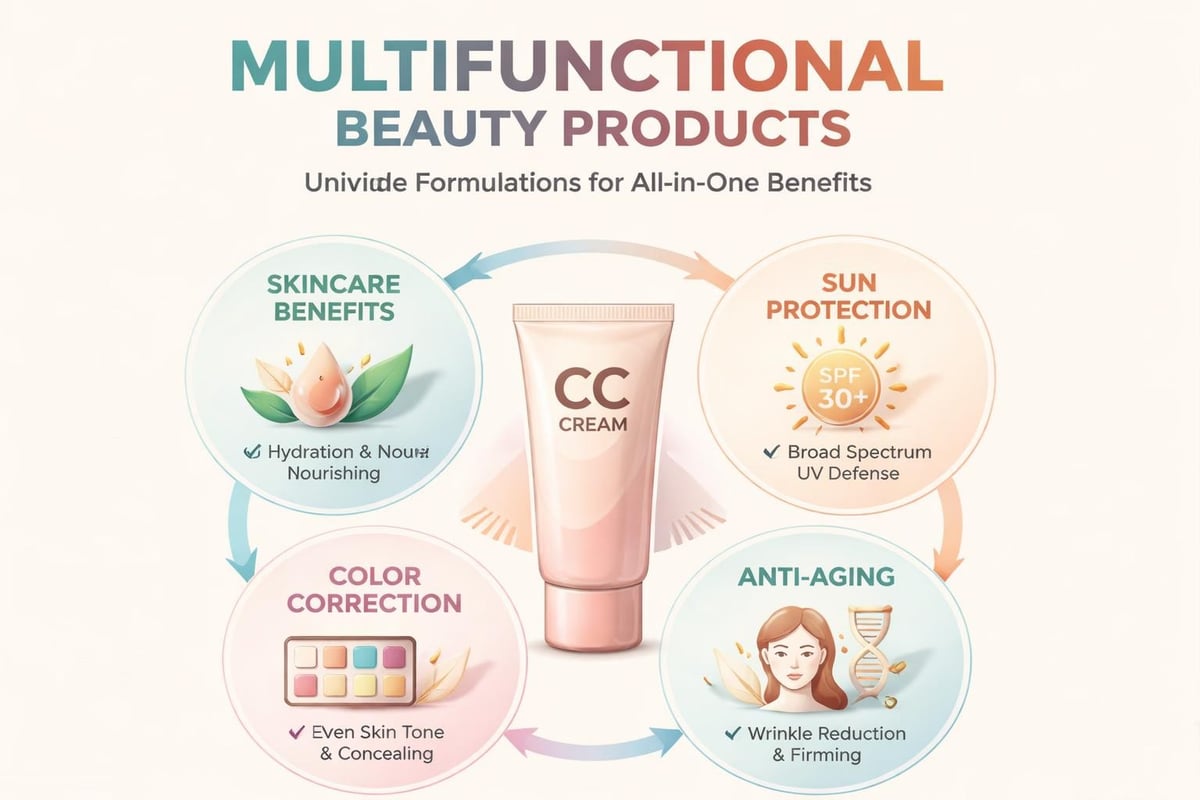
Modern consumers value efficiency, driving demand for beauty products that deliver multiple benefits in single formulations. These hybrid products streamline routines while addressing several concerns simultaneously. The trend spans categories from skincare-makeup hybrids to treatment products with instant cosmetic effects.
Designing Effective Hybrid Formulations
Creating multifunctional beauty products requires balancing often-competing objectives. A moisturizer with SPF must maintain hydration while delivering broad-spectrum sun protection. A tinted serum needs skincare actives that remain stable alongside pigments and potential light exposure.
Popular multifunctional categories include:
- Skin tints combining coverage, hydration, and SPF
- Treatment primers offering pore-refining benefits with makeup-ready finish
- Overnight masks providing intensive hydration plus active ingredient delivery
- Color-correcting serums addressing hyperpigmentation while evening skin tone
- Protective styling products delivering hair health benefits with hold and texture
The beauty product trends of 2025 showcase innovations like tactile textures and jelly-based formulas that merge sensory experience with functional benefits, creating products that feel luxurious while performing multiple roles.
Successfully launching a new skincare brand often depends on identifying gaps where multifunctional products can simplify consumer routines while delivering superior results to single-purpose alternatives.
Texture Innovation in Beauty Products
Texture has emerged as a critical differentiator in crowded beauty markets. Consumers respond emotionally to how products feel, making sensory experience as important as performance claims. This recognition has sparked experimentation with novel textures that surprise and delight while maintaining efficacy.
Beyond Traditional Formulation Textures
Innovative texture categories transform application into an experience that enhances perceived value. Bouncy creams, whipped serums, and powder-to-cream formulations create memorable interactions that encourage repeat purchase and social sharing. These textures also offer functional advantages, from enhanced spreadability to improved ingredient stability.
| Texture Type | Consumer Appeal | Formulation Challenges |
|---|---|---|
| Jelly/gel-cream | Lightweight, cooling sensation | Maintaining active stability in high-water systems |
| Balm-to-oil | Luxurious, deeply nourishing | Temperature sensitivity, consistency control |
| Powder-to-liquid | Customizable concentration, travel-friendly | Activation mechanism, preservative considerations |
| Whipped mousse | Airy application, quick absorption | Air incorporation stability, package compatibility |
| Solid stick | Portability, zero-spill convenience | Structural integrity, smooth glide application |
Exploring new cosmetic innovations reveals how texture innovation serves both functional and marketing purposes, creating products that photograph well for social media while delivering genuine performance benefits.
Technology Integration in Product Development
Artificial intelligence and machine learning have revolutionized how brands develop and market beauty products. These technologies enable unprecedented personalization, predictive formulation, and consumer insight analysis. The integration of digital tools throughout product development cycles reduces time-to-market while improving formulation accuracy.
AI-Powered Formulation and Personalization
Technology now analyzes skin conditions through smartphone images, recommending specific ingredients and concentrations based on individual needs. This capability extends to formulation laboratories where AI assists chemists in predicting ingredient interactions, optimizing stability, and identifying potential sensitivities before physical testing begins.
Technology applications in beauty products:
- Skin analysis apps determining personalized product recommendations
- Machine learning algorithms predicting trending ingredients and consumer preferences
- Virtual try-on tools reducing return rates for color cosmetics
- Automated formulation software accelerating prototype development
- Blockchain tracking ensuring ingredient transparency and authenticity
The rise of personalized beauty technology demonstrates how brands leverage data to create truly customized experiences, from initial consultation through product formulation and delivery.
Clean Beauty and Ingredient Transparency
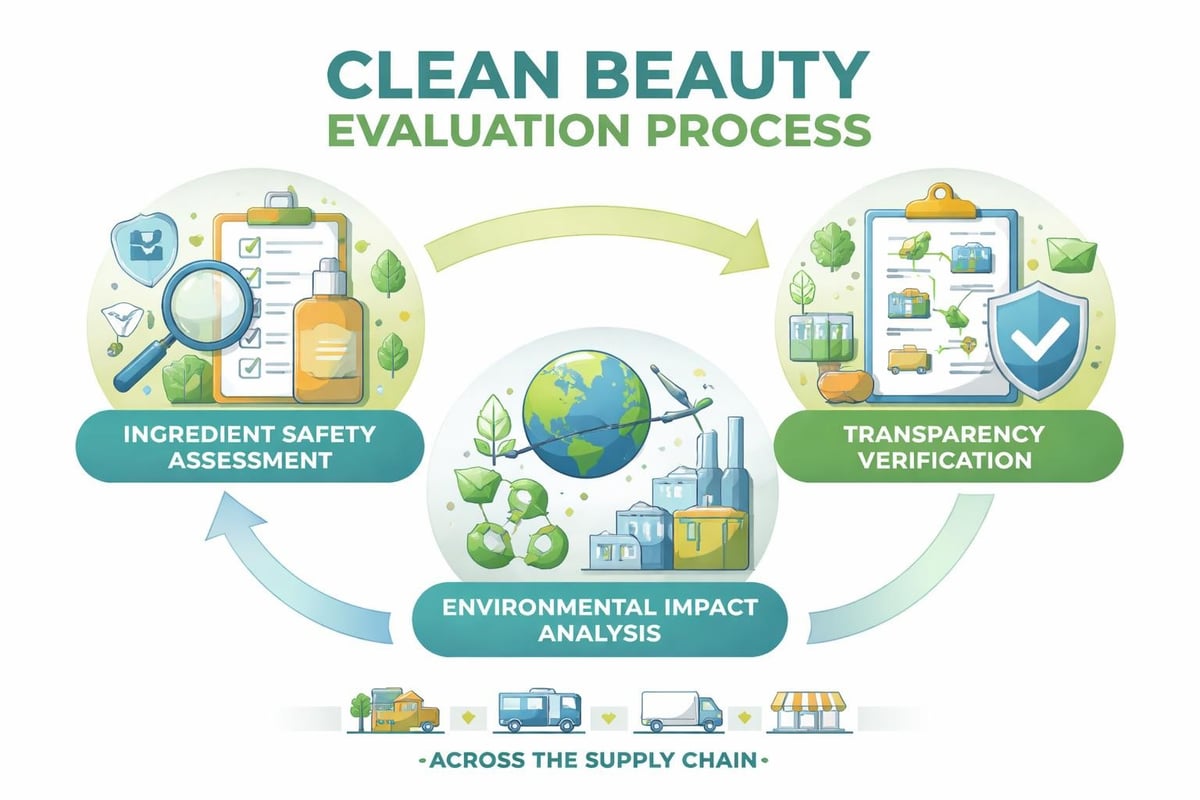
The clean beauty movement has matured beyond simple "free-from" claims to embrace comprehensive ingredient transparency and safety standards. Consumers now research formulations before purchase, expecting brands to provide detailed information about every component and its purpose. This scrutiny has elevated formulation standards across the industry.
Meeting Clean Beauty Standards
Clean formulation requires navigating complex regulations while satisfying consumer expectations that often exceed legal requirements. Brands must choose preservatives, fragrances, and actives that align with clean standards without compromising product safety or efficacy. This balancing act demands expertise in alternative ingredients and preservation strategies.
Understanding beauty INCI requirements helps brands communicate ingredient safety effectively while maintaining regulatory compliance across different markets. Transparent labeling builds trust, but only when supported by genuinely safe, well-formulated products.
The importance of quality formulations in cosmetic products cannot be overstated, as consumer awareness continues rising and regulatory bodies worldwide tighten safety standards.
Market Trends Shaping Future Beauty Products
Current market dynamics reveal several emerging trends that will define the next generation of beauty products. Understanding these movements helps brands position themselves strategically for sustained growth and relevance.
Emerging Consumer Preferences
The top beauty trends of 2025 highlight how long-lasting lip products, particularly stains, have experienced significant market growth, reflecting consumer desire for transfer-proof formulations that withstand daily activities. This mirrors broader preferences for products that deliver lasting performance without frequent reapplication.
Key market trends include:
- Skin-first makeup prioritizing skin health over heavy coverage
- Gender-neutral formulations addressing all consumers regardless of identity
- Probiotic and microbiome products supporting skin's natural ecosystem
- Adaptogenic ingredients helping skin respond to environmental stressors
- Refillable packaging systems reducing waste while maintaining luxury positioning
The best beauty launches of 2025 showcase innovations like LED skincare devices and advanced Korean sunscreens, demonstrating how beauty products increasingly blur lines between cosmetics, devices, and wellness technologies.
Professional Formulation Partnership Benefits
Developing competitive beauty products requires specialized knowledge spanning chemistry, regulatory compliance, manufacturing, and market trends. Many successful brands recognize that partnering with experienced formulators accelerates development while reducing costly mistakes.
Advantages of Expert Formulation Support
Working with professional formulation laboratories provides access to ingredient libraries, stability testing equipment, and regulatory expertise that would require significant capital investment to develop in-house. This partnership model particularly benefits emerging brands and entrepreneurs who need to allocate resources efficiently.
Partnership benefits include:
- Formulation ownership providing exclusive rights to custom-developed products
- Regulatory guidance navigating complex compliance requirements across markets
- Scaling support transitioning from prototype to commercial production
- Ingredient sourcing accessing premium and sustainable raw materials
- Quality assurance implementing comprehensive testing protocols
Understanding which cosmetic products are trending helps formulation partners guide brands toward viable market opportunities while avoiding oversaturated categories.
Quality Assurance and Product Testing
Superior beauty products result from rigorous testing protocols that verify safety, efficacy, and stability under real-world conditions. Comprehensive quality assurance identifies potential issues before market launch, protecting both consumer safety and brand reputation.
Essential Testing Protocols
Product testing encompasses multiple evaluation stages, each addressing specific performance and safety parameters. These protocols ensure formulations maintain integrity throughout their shelf life while delivering consistent results across production batches.
| Testing Type | Purpose | Timeline |
|---|---|---|
| Stability testing | Verify formulation integrity over time and temperature | 3-12 months |
| Preservative challenge | Confirm antimicrobial efficacy | 28 days minimum |
| Compatibility testing | Ensure package-product interaction safety | 3-6 months |
| Clinical trials | Validate performance claims | 4-12 weeks |
| Consumer perception | Assess real-world user experience | 2-4 weeks |
The benefits of reformulating cosmetic products become apparent when existing formulations fail stability testing or consumer expectations shift toward new performance standards.
Building Successful Beauty Brands
Creating standout beauty products represents only one component of brand success. Strategic positioning, authentic storytelling, and consistent quality delivery separate thriving brands from those that struggle to gain traction. The modern beauty landscape rewards brands that align product excellence with compelling narratives and genuine consumer connections.
Strategic Brand Development
Successful beauty brands understand their target audience deeply, creating products that solve real problems while reflecting consumer values. This alignment extends beyond formulation to encompass packaging, pricing, distribution channels, and marketing messaging. Every touchpoint should reinforce the brand's unique value proposition.
The beauty trends of 2025 including PDRN skincare and expressive nail trends demonstrate how consumer interests shift rapidly, requiring brands to balance trend responsiveness with core identity consistency.
Brand building essentials:
- Clear differentiation in competitive markets
- Authentic sustainability commitments backed by action
- Consistent quality across product lines
- Responsive customer service and community engagement
- Strategic expansion planning avoiding brand dilution
Learning how to build a successful direct-to-consumer beauty brand provides frameworks for launching and scaling beauty products effectively in digital-first markets.
The beauty products industry continues evolving at remarkable speed, driven by innovation, sustainability demands, and personalization expectations that redefine what consumers expect from their routines. Success in this dynamic market requires combining scientific expertise, trend awareness, and unwavering commitment to quality formulation. Whether you're launching your first product line or expanding an established brand, partnering with experienced formulators who understand these complexities can transform your vision into market-ready beauty products that truly resonate with consumers. The INCI Lab specializes in creating award-winning custom formulations that balance performance, sustainability, and market differentiation, providing comprehensive support from initial concept through production to help your beauty brand thrive in competitive markets.

