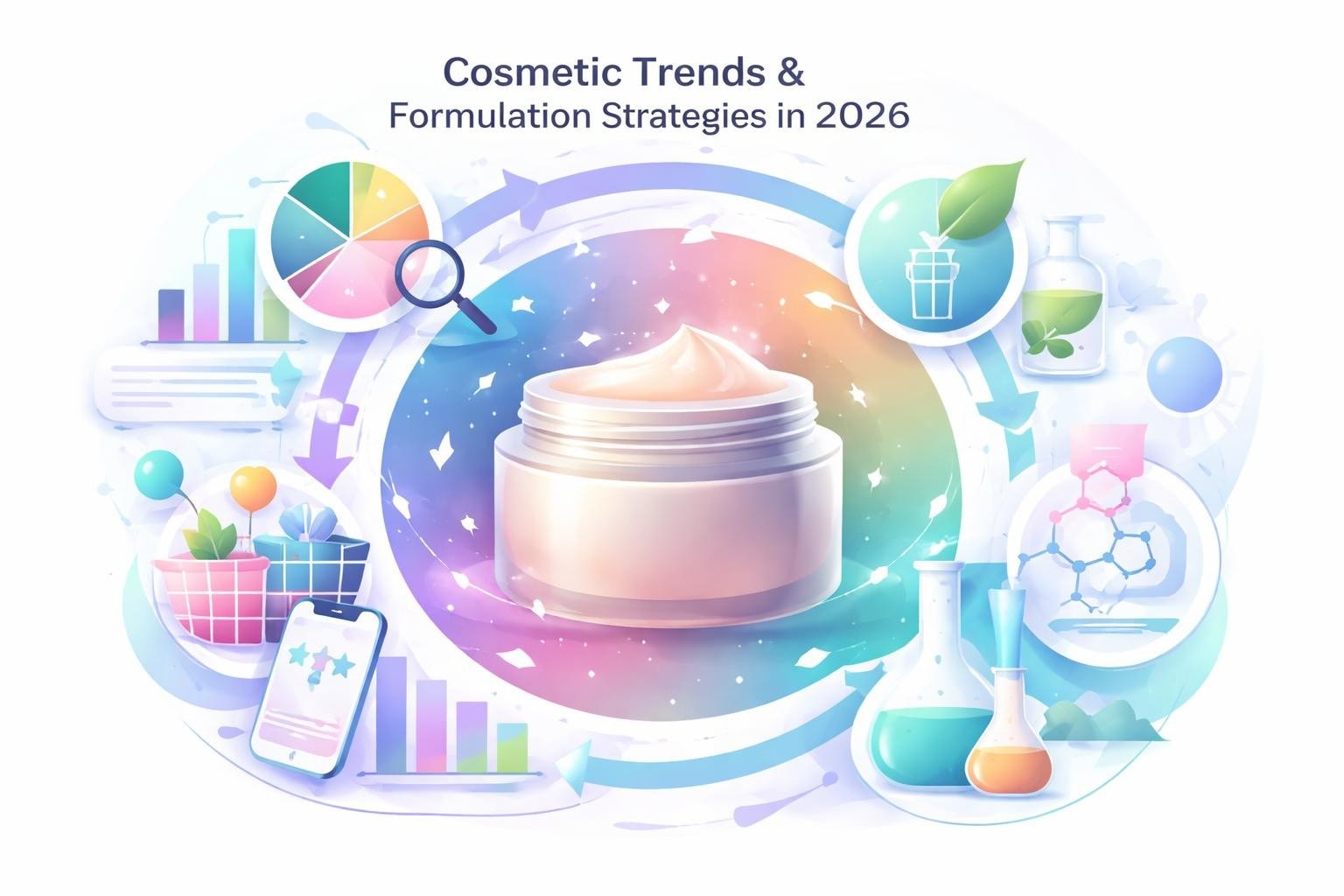

The beauty industry continues to evolve at a remarkable pace, driven by technological innovation, shifting consumer preferences, and an increasing demand for personalized products. As we navigate through 2026, brands face both unprecedented opportunities and significant challenges. From sustainable ingredient sourcing to the rise of beauty tech, understanding these dynamics is essential for entrepreneurs and established companies looking to maintain competitive advantage. The landscape has transformed dramatically, with global beauty market projections showing consistent growth despite economic headwinds, making strategic formulation and positioning more critical than ever.
Market Dynamics Reshaping Beauty Commerce
The beauty industry experienced significant shifts in market dynamics throughout 2025 and into 2026. Consumer spending patterns have evolved, with buyers becoming increasingly discerning about product ingredients, sustainability credentials, and brand authenticity. Disposable income growth in emerging markets has created new opportunities, while established markets show preference for premium, high-performance formulations.
Recent data indicates that the skincare sector continues to lead growth within the beauty industry, outpacing color cosmetics and fragrance categories. This trend reflects a fundamental shift in consumer priorities toward long-term skin health rather than temporary aesthetic solutions. Brands that invest in quality formulations backed by scientific research position themselves for sustained success.
Geographic Market Variations
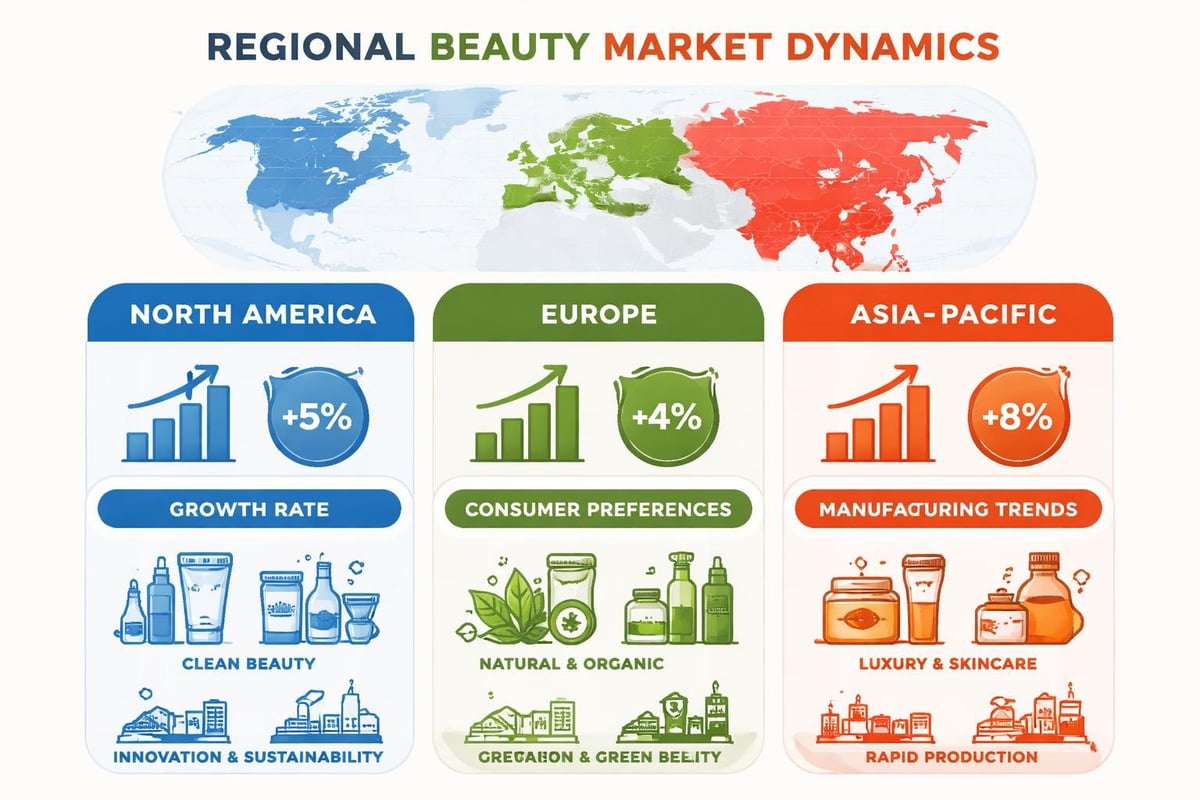
Different regions present unique challenges and opportunities. The French cosmetics sector, traditionally a powerhouse in the beauty industry, has faced headwinds in recent months. According to reports, French cosmetics sales experienced a decline in the U.S. market due to new tariffs and increased competition from Korean beauty brands. This demonstrates how geopolitical factors and trade policies can rapidly reshape market access.
However, despite these challenges, the French cosmetics industry continues investing in local manufacturing, opening new facilities and creating jobs. This commitment to production infrastructure signals confidence in long-term industry growth and the enduring value of manufacturing expertise.
Technology Integration and Beauty Innovation
The intersection of technology and beauty has created an entirely new subsector within the industry. The beauty tech market reached an estimated USD 66.16 billion in 2024, with projections showing continued expansion driven by artificial intelligence, augmented reality, and personalized formulation systems.
Key technological advancements include:
- AI-powered skin analysis tools that recommend customized product regimens
- Virtual try-on applications for color cosmetics
- Smart formulation platforms that adjust product compositions based on environmental factors
- Blockchain-enabled supply chain transparency for ingredient verification
- Data analytics systems that predict emerging beauty trends
These technologies enable brands to offer unprecedented levels of personalization. Consumers increasingly expect products tailored to their specific skin types, concerns, and preferences. This shift creates opportunities for companies specializing in custom formulations for cosmetics that can adapt quickly to individual consumer needs.
Personalization as a Competitive Differentiator
The beauty industry has moved beyond one-size-fits-all solutions. Modern consumers research ingredients extensively, understand INCI lists, and demand formulations that address their unique requirements. Brands that offer customization options-whether through adjustable concentrations, personalized ingredient combinations, or targeted treatment systems-gain significant market advantage.
For entrepreneurs starting a new cosmetic brand, this personalization trend presents both challenge and opportunity. The challenge lies in developing flexible formulation systems that maintain consistency while allowing variation. The opportunity comes from building direct relationships with customers who value products designed specifically for them.
Sustainability and Clean Beauty Standards
Environmental consciousness has transitioned from niche concern to mainstream expectation within the beauty industry. Consumers scrutinize not only final product ingredients but also sourcing practices, packaging materials, manufacturing processes, and corporate environmental commitments.
Sustainable practices now considered essential include:
- Ingredient sourcing: Using renewable, ethically harvested raw materials with minimal environmental impact
- Formulation efficiency: Creating concentrated products that require less packaging and shipping volume
- Manufacturing processes: Implementing water conservation, renewable energy, and waste reduction systems
- Packaging innovation: Developing refillable, recyclable, or biodegradable containers
- Transparency: Providing complete ingredient disclosure and supply chain visibility
The beauty industry faces increasing regulatory pressure around sustainability claims. Greenwashing-making misleading environmental assertions-carries significant reputational and legal risks. Brands must substantiate their sustainability commitments with verifiable data and third-party certifications.
| Sustainability Factor | Consumer Priority (2026) | Implementation Complexity |
|---|---|---|
| Ingredient transparency | Very High | Medium |
| Recyclable packaging | High | Low-Medium |
| Carbon-neutral production | Medium-High | High |
| Ethical sourcing | High | Medium-High |
| Waterless formulations | Medium | Medium |
Understanding what INCI labels mean empowers consumers to make informed decisions and holds brands accountable for their formulation choices.
Emerging Trends Shaping Product Development
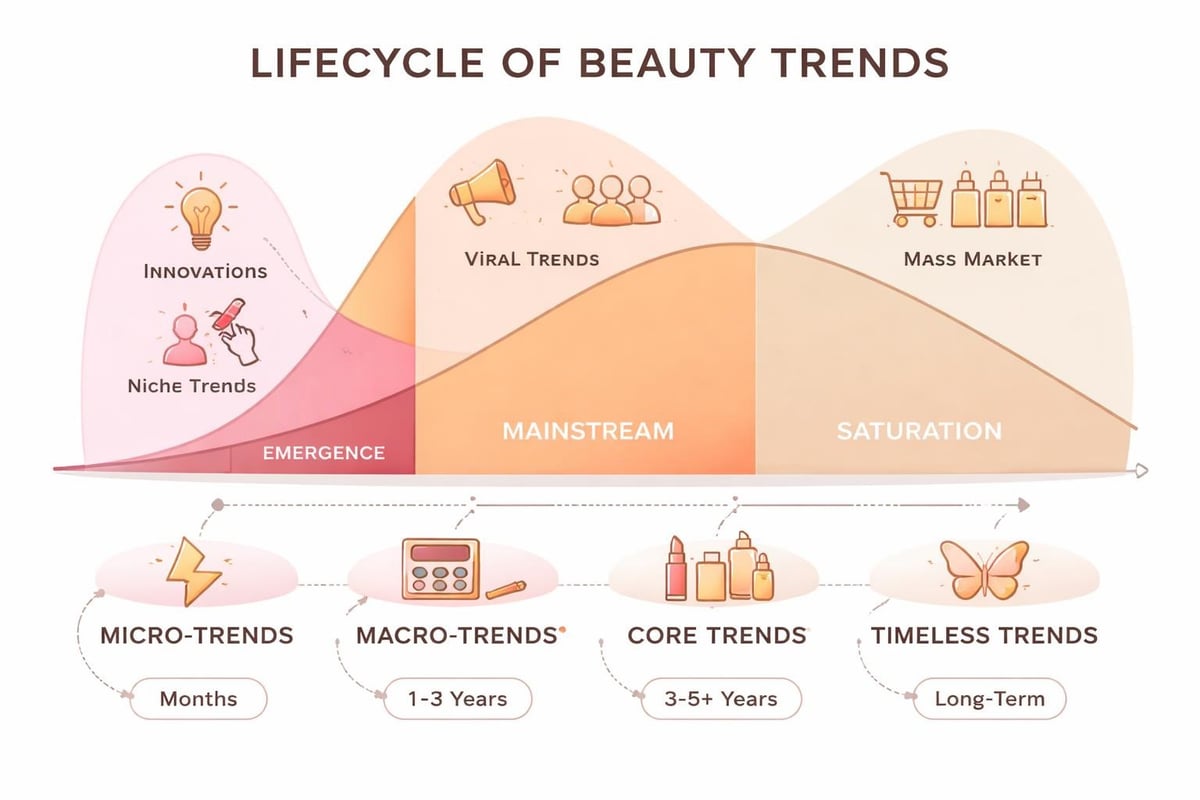
The beauty industry constantly generates new trends, some fleeting and others signaling lasting shifts in consumer preferences. Identifying which trends merit investment versus which represent temporary phenomena separates successful brands from those that struggle with inventory and positioning challenges.
Glitchy Glam and Intentional Imperfection
One notable emerging aesthetic is the "glitchy glam" trend identified in Pinterest's 2026 predictions. This movement embraces intentional imperfection, maximalism, and unconventional application techniques. While primarily a color cosmetics trend, it reflects broader consumer desire for self-expression and rejection of rigid beauty standards.
This trend impacts the beauty industry beyond makeup, influencing how brands communicate, the diversity of their shade ranges, and their willingness to support creative experimentation rather than prescriptive application methods.
Innovative Product Launches
The best beauty launches of 2025 revealed several patterns worth noting: hybrid products that combine multiple benefits, sustainable packaging innovations, and formulations addressing previously underserved concerns like digital aging from screen exposure and pollution protection.
These launches demonstrate that the beauty industry rewards innovation that solves genuine consumer problems rather than creating artificial needs. Brands developing new products should focus on:
- Functional benefits supported by clinical testing
- Novel delivery systems that improve efficacy or user experience
- Multi-benefit formulations that simplify routines
- Specialized solutions for specific demographics or concerns
Formulation Excellence as Brand Foundation
Behind every successful beauty product lies a carefully developed formulation. The beauty industry's most enduring brands share a common characteristic: they prioritize formulation quality over marketing hype. While effective promotion matters, products must deliver tangible results to generate repeat purchases and positive word-of-mouth.
Custom formulation offers several strategic advantages:
- Unique product positioning that differentiates from competitors
- Intellectual property ownership protecting brand investment
- Flexibility to iterate based on consumer feedback
- Quality control over ingredient selection and concentrations
- Scalability from initial launches to expanded product lines
For brands working with formulation partners, selecting the right collaborator proves crucial. Expertise in creating custom formulations that balance efficacy, stability, sensory appeal, and cost efficiency requires both scientific knowledge and practical manufacturing experience.
The Role of Stock Formulations
While custom formulations offer maximum differentiation, ready-to-go formulations serve important purposes within the beauty industry. These pre-developed products allow new brands to enter the market faster, test consumer response, and establish revenue streams while developing proprietary formulations.
Stock formulations work particularly well for:
- New entrepreneurs testing the beauty industry before major investment
- Established brands expanding into new categories quickly
- Limited edition or seasonal products with shorter lifecycles
- Testing new retail channels or geographic markets
- Complementary products that support core proprietary lines
The key is understanding when stock solutions serve strategic purposes versus when custom development becomes essential for competitive positioning.
Regulatory Compliance and Safety Standards
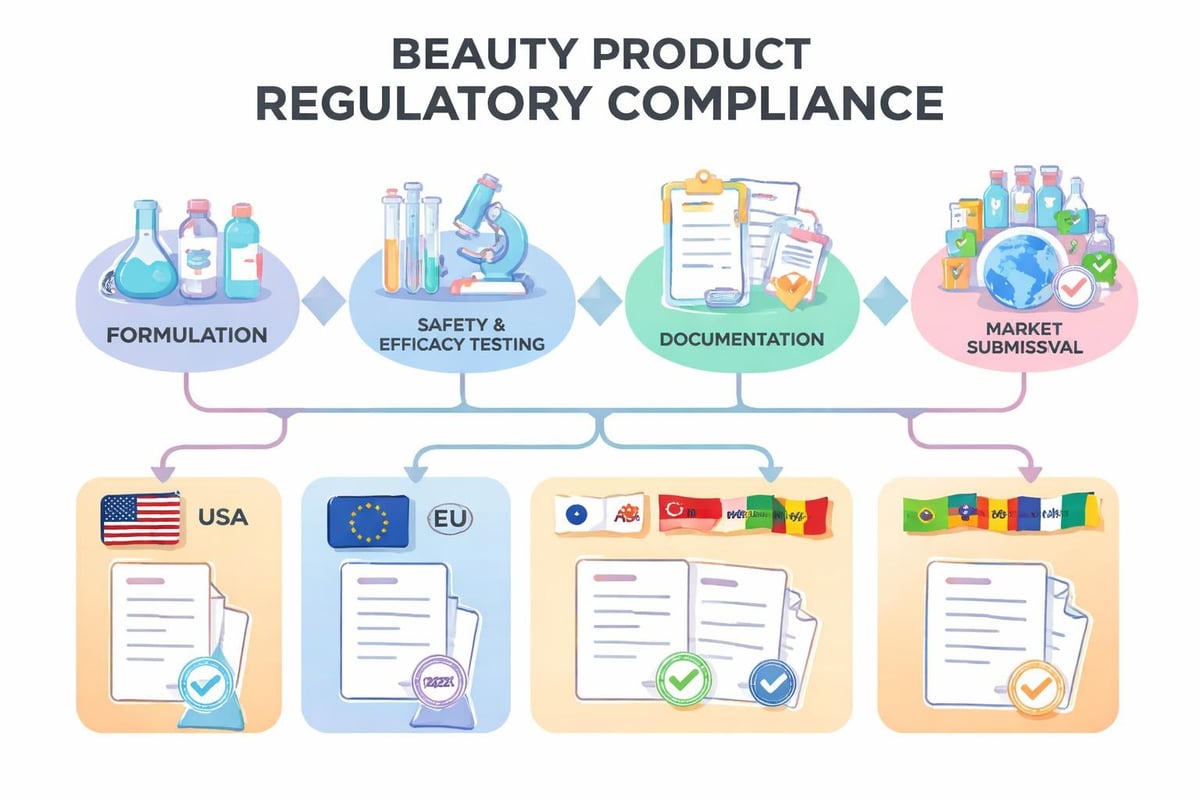
The beauty industry operates within increasingly complex regulatory frameworks that vary significantly across markets. Products sold in the European Union face different requirements than those in the United States, while markets like China, Japan, and Brazil impose additional unique standards.
Critical compliance areas include:
- Ingredient restrictions and concentration limits
- Stability and safety testing requirements
- Labeling and claims substantiation
- Manufacturing facility certifications
- Import/export documentation
Navigating these requirements demands specialized expertise. Many promising beauty brands have stumbled not due to product quality or marketing failures, but because of regulatory oversights that prevented market entry or triggered costly recalls.
| Market | Primary Regulatory Body | Key Requirements |
|---|---|---|
| European Union | EC Cosmetics Regulation | CPSR, PIF, notification |
| United States | FDA | VCRP, ingredient review, labeling |
| China | NMPA | Registration, animal testing (selective) |
| Japan | MHLW | Pre-market notification, standards compliance |
Understanding these frameworks from the formulation stage prevents expensive reformulation later. The beauty industry benefits when brands prioritize compliance as a competitive advantage rather than viewing it as mere administrative burden.
Building Resilient Beauty Brands
Success in the beauty industry requires more than attractive packaging and influencer partnerships. Resilient brands build their foundation on several interconnected elements that work together to create sustainable competitive advantage.
Strategic Positioning
Clear brand positioning answers fundamental questions: Who is this product for? What specific problem does it solve? Why should consumers choose this over alternatives? The beauty industry contains countless products making vague promises of transformation. Brands that communicate concrete benefits to defined audiences cut through the noise more effectively.
Quality Consistency
Perhaps nothing damages beauty brands faster than inconsistent product quality. Consumers develop expectations based on their first purchase. When subsequent orders vary in texture, scent, color, or performance, trust evaporates rapidly. This makes selecting reliable manufacturing partners and implementing rigorous quality control essential.
Customer Education
The most successful beauty industry brands recognize that educated customers become loyal advocates. Rather than obscuring formulations behind proprietary blend claims, transparent brands explain ingredient choices, educate about beauty INCI terminology, and help consumers understand what to expect from products.
Adaptability
Market conditions, consumer preferences, and competitive landscapes shift continuously. Brands that build flexibility into their business models-through modular product lines, diversified distribution channels, and formulation platforms that allow iteration-weather changes more successfully than those committed to rigid strategies.
Distribution Channel Evolution
The beauty industry has experienced dramatic distribution changes over the past decade. Traditional retail remains important, but direct-to-consumer e-commerce, social commerce, subscription boxes, and hybrid models have fragmented the landscape.
Each channel presents distinct advantages:
- Traditional retail: Credibility, discovery, immediate gratification
- Direct-to-consumer: Higher margins, customer data, relationship control
- Social commerce: Lower acquisition costs, authentic engagement
- Subscription: Predictable revenue, customer retention
- Marketplace platforms: Built-in traffic, established trust
Most successful beauty brands now employ multi-channel strategies, meeting customers wherever they prefer to shop. This requires operational complexity but reduces dependence on any single channel's algorithm changes or policy shifts.
Investment and Growth Opportunities
The beauty industry continues attracting significant investment despite broader economic uncertainty. Investors recognize several favorable characteristics: recurring purchase patterns, premium pricing potential, demographic tailwinds, and digitalization opportunities.
For entrepreneurs seeking to enter the beauty industry, understanding different entry pathways proves essential. Bootstrap approaches, angel investment, venture capital, and strategic partnerships each offer different trade-offs in terms of control, growth speed, and resource access.
Key metrics investors evaluate include:
- Customer acquisition cost (CAC) versus lifetime value (LTV)
- Repeat purchase rates and subscription retention
- Gross margins and contribution margins by product
- Brand awareness and unaided recall
- Product differentiation and intellectual property strength
The comprehensive beauty market outlook highlights factors including rising disposable income and social media influence as growth drivers, while also noting challenges like market saturation in certain categories and ingredient cost inflation.
The Future Landscape
Looking ahead, the beauty industry appears poised for continued evolution rather than revolution. The fundamental human desire for self-care, confidence, and personal expression remains constant. What changes are the specific products, ingredients, delivery mechanisms, and purchasing behaviors through which consumers fulfill those desires.
Several developments merit close attention:
Biotechnology integration will enable novel ingredients produced through fermentation and cellular agriculture, offering sustainability benefits and unique performance characteristics. These innovations will reshape formulation possibilities within the beauty industry.
Personalization depth will increase as diagnostic technologies improve and manufacturing becomes more flexible. Products tailored not just to skin type but to individual microbiome composition, genetic markers, and environmental exposure represent the next frontier.
Transparency expectations will intensify. Consumers already demand ingredient disclosure; future expectations will extend to sourcing details, manufacturing conditions, environmental impact data, and social responsibility metrics.
Channel integration will blur lines between shopping, content, and community. The beauty industry increasingly recognizes that successful brands build ecosystems rather than simply selling products.
For brands navigating these shifts, maintaining focus on core principles-formulation quality, authentic positioning, customer value, and operational excellence-provides stability amid constant change. The beauty industry rewards those who innovate thoughtfully while respecting the fundamentals that have always driven success.
The beauty industry presents remarkable opportunities for brands that combine innovative formulation, strategic positioning, and operational excellence. Whether you're an entrepreneur launching your first product or an established brand seeking to revitalize your line, partnering with experienced formulation specialists accelerates success while reducing costly missteps. The INCI Lab provides award-winning custom formulations, complete ownership rights, and comprehensive support from initial concept through full-scale production, helping beauty brands create high-performance products that stand out in increasingly competitive markets.