
Ready to refresh your approach to self-care? As we head into 2026, staying ahead means embracing the latest personal care essentials to support your well-being, confidence, and appearance.
This guide equips you with the most current, practical advice to optimize your daily routines. Discover how personal care is evolving, from innovative trends and proven routines to product safety, sustainability, and holistic self-care.
In 2026, new challenges and opportunities are shaping the way we care for ourselves. You will find fresh tips, inspiration for healthier habits, and clear steps to look and feel your best every day. Start your journey now and make personal care your foundation for a vibrant, empowered year ahead.
Understanding Personal Care in 2026
Personal care in 2026 is about much more than just looking good. It is a holistic concept that embraces not only physical hygiene but also mental health, emotional balance, and environmental impact. Understanding the new landscape of personal care is key to building routines that truly support your well-being.
The Evolving Definition of Personal Care
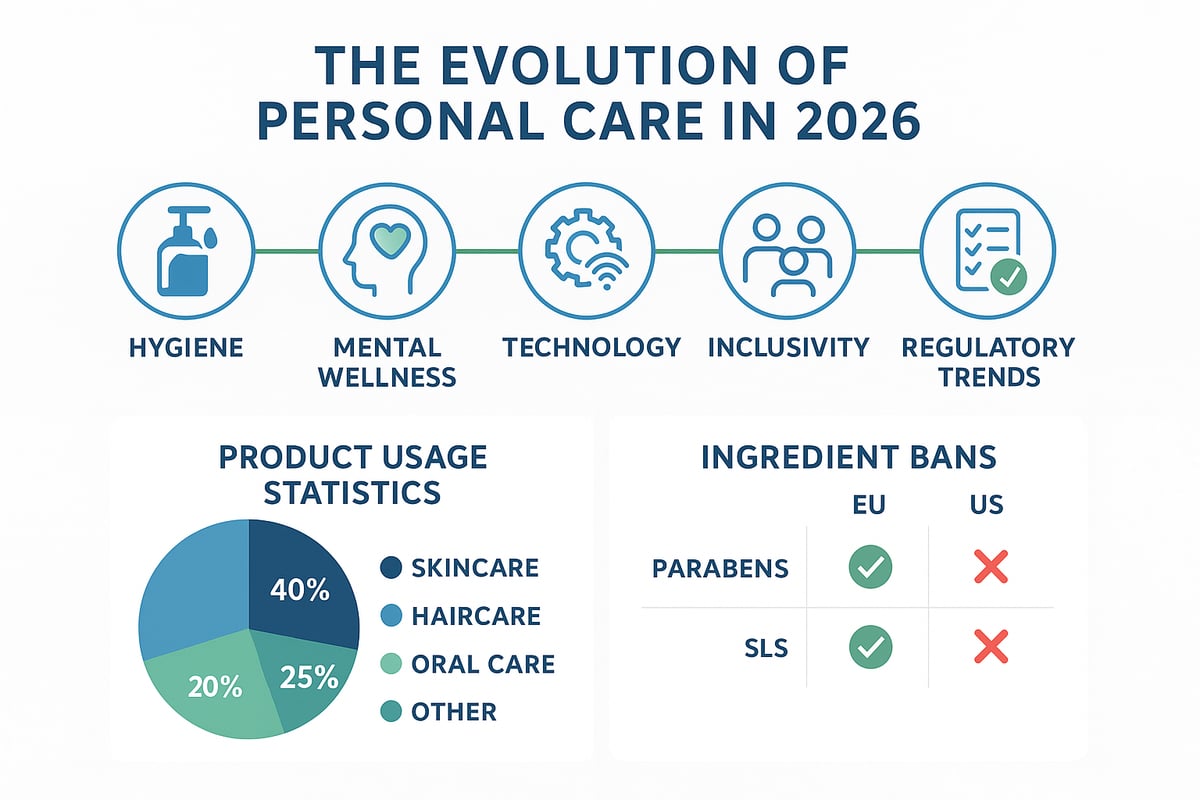
The definition of personal care has expanded significantly over recent years. Now, it is understood as a multi-dimensional practice that includes several key areas:
- Physical hygiene: Cleansing and grooming remain foundational to personal care.
- Mental and emotional wellness: Mindfulness, stress management, and self-care routines are integrated into daily habits.
- Environmental consciousness: Consumers are more aware of the impact their personal care choices have on the planet.
- Technology and innovation: Smart devices, apps, and wearables are increasingly used to track and optimize personal care routines.
- Personalization and inclusivity: Brands are developing products for a wide range of skin types, genders, and abilities. For example, gender-neutral and adaptive personal care products are now widely available.
Global events, such as public health crises, have heightened awareness about hygiene and wellness. This shift is reflected in how people select and use personal care products, emphasizing safety, efficacy, and ethical sourcing. As a result, personal care routines are now tailored not only to individual needs but also to broader societal and environmental values.
Key Trends and Industry Insights
Industry data reveals that the average adult in the US uses over a dozen personal care products daily as of 2025. This rise in product use is driven by increased health awareness and the desire for personalized experiences.
| Region | Number of Banned Ingredients (2025) |
|---|---|
| EU | 2,400+ |
| US | 15 |
Regulatory changes are shaping the industry, with the EU banning thousands of ingredients for consumer safety, compared to the US's more limited approach. This gap highlights the importance of understanding what is in your personal care products and staying informed about global standards.
Clean, sustainable, and eco-friendly products are experiencing significant growth. Digital health tools, such as mobile apps and wearables, help users track skin health, hydration, and sleep patterns. Major brands are investing in technology and inclusive product lines to meet evolving consumer expectations.
For a deeper look at where the industry is headed, explore Personal Care Trends for 2026, which highlights the integration of wellness, technology, and authenticity into personal care.
Staying current with these trends ensures your personal care routine remains effective, safe, and aligned with your values.
Daily Personal Care Routines: Step-by-Step Essentials
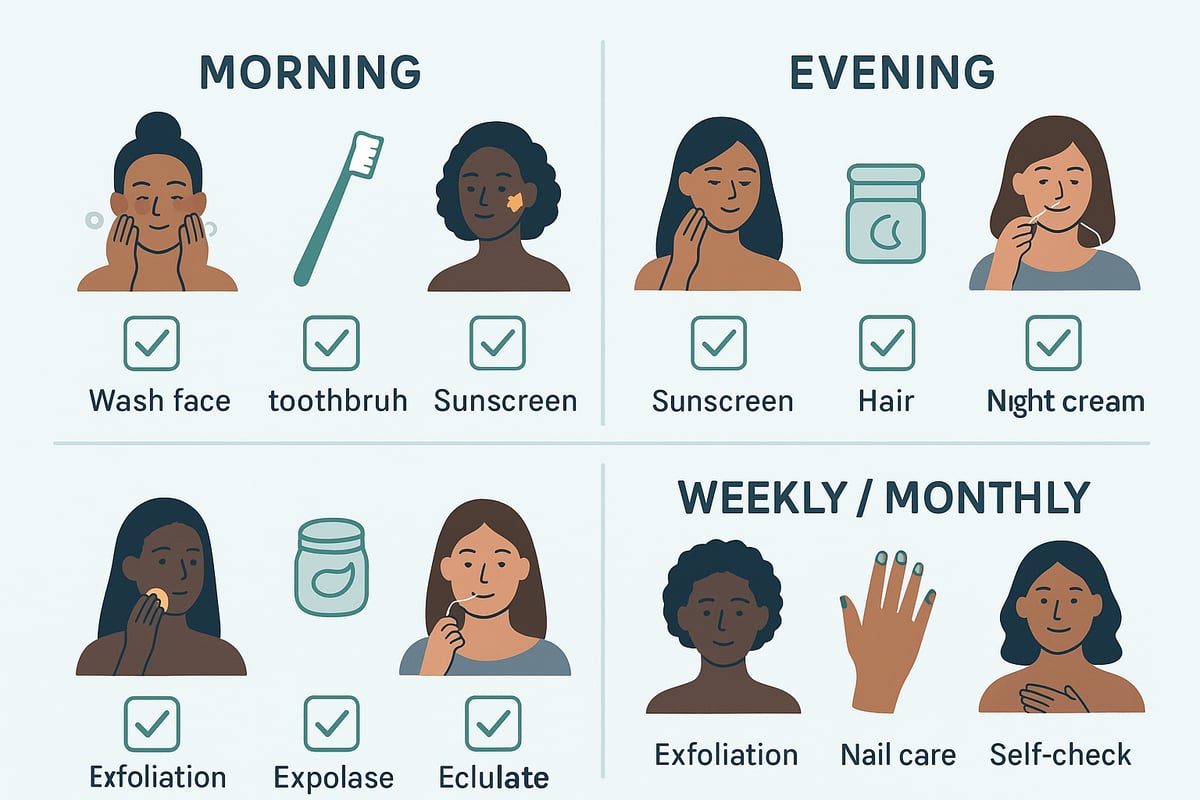
A consistent personal care routine is your foundation for looking and feeling your best in 2026. Today’s daily rituals are more advanced, personalized, and holistic than ever, designed to support every aspect of your well-being. Let’s break down the essential steps for morning, evening, and weekly/monthly care, so you can build a routine that works for your unique needs.
Morning Routine
Start your day with a personal care routine that energizes you and protects your health. Begin with gentle cleansing using a facial cleanser and body wash tailored to your skin type, whether oily, dry, or sensitive. This removes overnight oils and preps your skin for the day ahead.
Oral hygiene is next. Brush your teeth for two minutes, floss to remove debris between teeth, and use a tongue cleaner to reduce bacteria. These steps help maintain fresh breath and prevent long-term dental issues.
Moisturizing is essential, even if your skin feels hydrated. Apply a moisturizer suited to your skin’s needs, then follow with a broad-spectrum SPF. Sun protection is crucial indoors as well, since UV rays can penetrate windows.
For hair care, select shampoos and conditioners based on your scalp and hair texture. Scalp massagers are increasingly popular for stimulating blood flow and promoting hair health. Consider adding a lightweight scalp serum for added nourishment.
A well-structured morning personal care routine sets a positive tone for the day. For more detail on product selection and step-by-step guidance, see this overview of personal care products and services.
Evening Routine
Your evening personal care routine focuses on repair and recovery. Begin with double cleansing if you wear makeup or spend time outdoors. Use an oil-based cleanser to dissolve makeup and sunscreen, followed by a gentle foaming cleanser to remove impurities.
Hydration is key at night. Apply a serum with active ingredients like hyaluronic acid or peptides, followed by a nourishing night cream. These products support skin renewal and help combat environmental stress.
Oral care should not be overlooked. Brush your teeth again before bed, and consider using a mouthwash designed to strengthen enamel and prevent cavities overnight.
For hair, use overnight treatments such as leave-in conditioners or protective oils. Protective hairstyles, like loose braids or silk bonnets, can minimize breakage and tangling while you sleep.
A calming evening personal care routine not only benefits your skin and hair but also signals to your mind that it’s time to unwind and recharge.
Weekly/Monthly Additions
Beyond your daily personal care rituals, certain steps should be added weekly or monthly for optimal results. Exfoliation removes dead skin cells and brightens your complexion. Choose a gentle scrub or chemical exfoliant based on your skin sensitivity, and limit use to 1-2 times per week.
Nail and cuticle care are essential for both appearance and hygiene. Trim nails regularly, use a cuticle pusher, and moisturize hands and nails to prevent dryness and hangnails.
Hair removal is a personal choice. Compare shaving, waxing, and depilatory creams to find what suits your skin. Here’s a quick comparison:
| Method | Pros | Cons |
|---|---|---|
| Shaving | Quick, easy | Risk of nicks, regrowth |
| Waxing | Long-lasting | Can be painful |
| Depilatory Creams | Painless, convenient | May irritate skin |
Finally, self-checks are vital. Regularly inspect your skin for new moles or changes, and monitor your oral health for signs of gum issues. Early detection is a key benefit of including self-checks in your personal care routine.
Adapting these weekly and monthly practices ensures your personal care remains proactive and comprehensive.
Product Safety, Ingredients, and Smart Shopping
Understanding product safety is essential as the personal care market rapidly evolves. With thousands of new formulas and global supply chains, making safe, informed choices can feel overwhelming. By learning to decode labels, spot misleading claims, and shop smart, you can confidently select personal care products that support your well-being.
Navigating Labels and Ingredients
Reading a personal care product label requires attention to detail. Ingredient lists are ordered by concentration, so the first few items make up most of the formula. Watch for harmful or banned substances, such as parabens, phthalates, and certain synthetic fragrances.
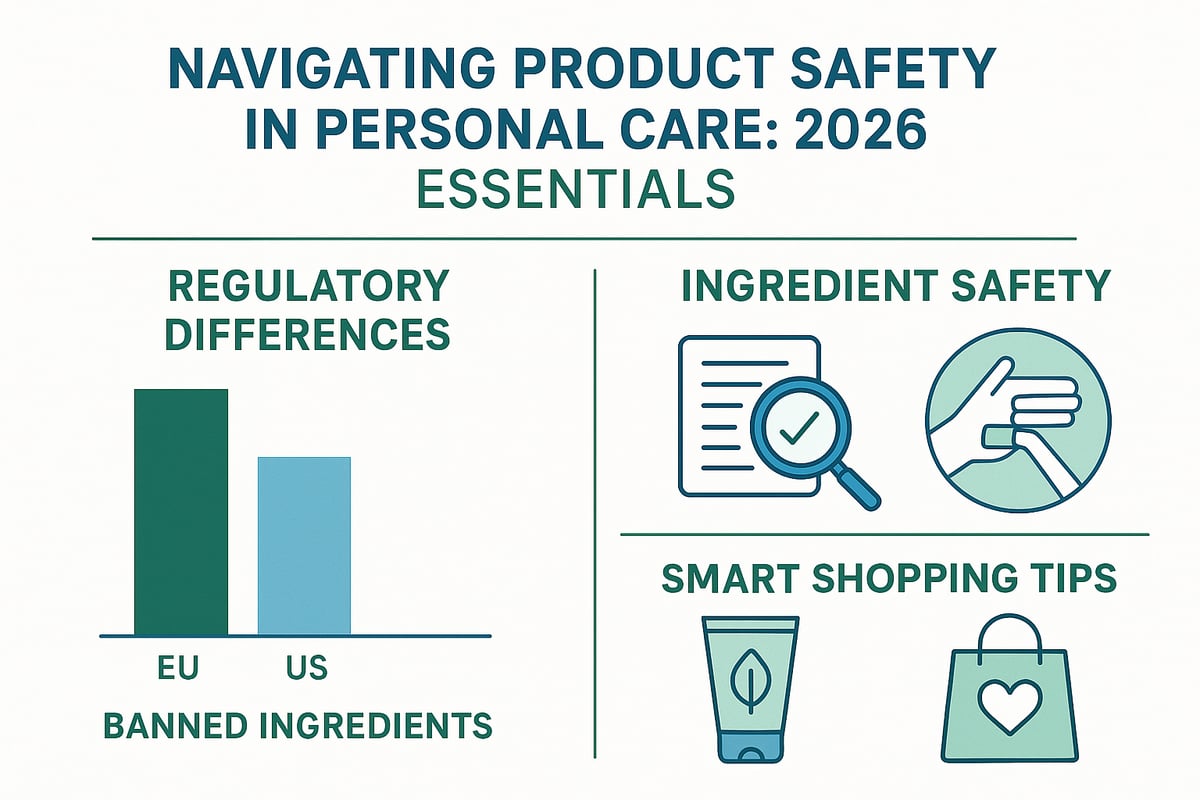
Regulatory standards vary worldwide. The European Union has banned over 2,400 ingredients in personal care, while the United States has only restricted about 15. This difference highlights the importance of checking products, especially if you shop internationally.
| Region | Number of Banned Ingredients | Key Focus Areas |
|---|---|---|
| EU | 2,400+ | Allergens, carcinogens |
| US | 15 | Basic safety |
Patch testing is crucial when trying new personal care items. Apply a small amount to your inner arm, wait 24 hours, and check for reactions. This step protects sensitive skin and prevents irritation.
For in-depth information on ingredient safety, consult resources like Personal care ingredients insights, which break down what to avoid and why.
Choosing the Right Products for Your Needs
Personalization is a growing trend in personal care. Start by knowing your skin, hair, and body type. Products labeled as "clean beauty" or "free-from" may seem appealing, but these claims are not always regulated. Look for clear ingredient lists and certifications rather than just marketing language.
Be cautious of greenwashing, where brands exaggerate their eco-friendly practices. Genuine clean personal care products will have transparent sourcing and clear ingredient disclosures. Many consumers now seek fragrance-free and hypoallergenic options, reflecting a shift toward gentle, skin-safe formulas.
When comparing products, consider texture, scent, and packaging, but always prioritize safety and suitability for your needs. The move toward personalized, adaptive personal care means there are more options than ever, but also more need for discernment.
Smart Shopping Tips
Shopping for personal care in 2026 is as much about credibility as it is about convenience. To verify authenticity, buy from reputable retailers or brand websites. Counterfeit products can pose health risks, so look for third-party certifications, such as cruelty-free or dermatologically tested seals.
Check product reviews, but focus on those with verified purchases and detailed feedback. Certifications like USDA Organic or Fair Trade add another layer of trust. Opt for personal care products with sustainable packaging or refillable options to reduce waste.
Smart shoppers also monitor expiration dates and batch numbers. By following these steps, you can confidently navigate the crowded personal care market and invest in products that align with your values and safety standards.
Sustainable and Eco-Friendly Personal Care
Sustainability is now a vital consideration for anyone looking to upgrade their personal care routine. As the industry grows, so does its impact on the planet. Making informed, eco-friendly choices helps you care for yourself and the environment.
The Environmental Impact of Personal Care
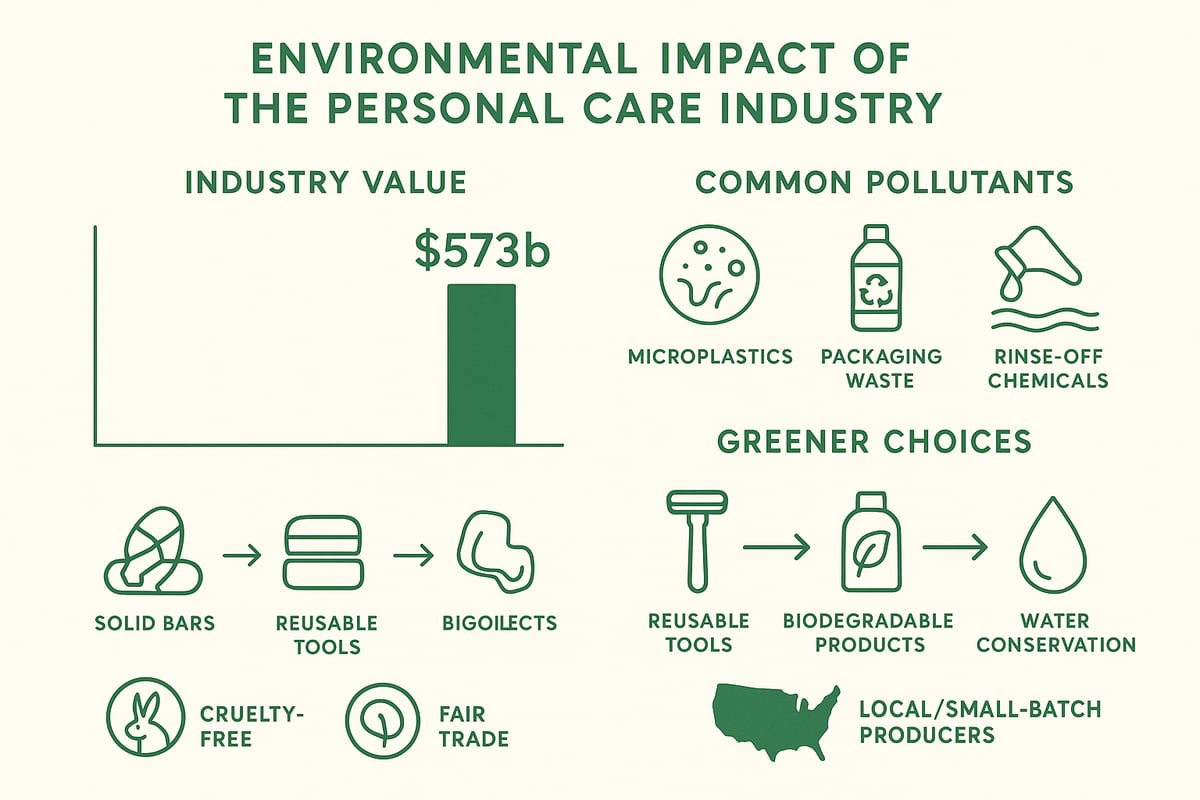
The personal care industry is valued at several hundred billion USD, making it one of the largest global markets. With this scale comes significant environmental responsibility.
Many everyday products contain microplastics, which pass through wastewater systems and pollute aquatic environments. Packaging waste is another concern. Single-use plastics and non-recyclable materials often end up in landfills or oceans. Rinse-off chemicals from shampoos and cleansers can disrupt marine life and ecosystems.
Some brands are stepping up as sustainability leaders. They use recycled packaging, invest in biodegradable formulas, and work to eliminate harmful ingredients. Consumers are now more aware of the link between personal care habits and ecological impact.
By understanding the industry's footprint, you can make smarter choices that benefit both your well-being and the planet.
Making Greener Choices
Adopting greener habits in your personal care routine is more accessible than ever. Start by switching to solid bars for shampoo, conditioner, and soap. These options reduce plastic use and often last longer, saving money and waste.
Reusable tools, such as washable makeup pads or safety razors, cut down on disposables. Look for biodegradable products that break down naturally without leaving harmful residues. Water conservation is simple but powerful. Turn off the tap during brushing or cleansing, and opt for quick showers.
DIY personal care can be appealing, but research ingredients for safety and effectiveness. Reef-safe sunscreens and plant-based products are better for you and marine life. For more tips on eco-friendly swaps and sustainable brands, see this Eco-friendly cosmetic brands guide.
Every small change in your personal care habits contributes to a healthier Earth.
Supporting Ethical Brands
Choosing ethical brands ensures your personal care routine aligns with your values. Look for certifications like cruelty-free, Fair Trade, and vegan. These labels signal that a company follows strict standards for animal welfare, fair labor, and sustainable sourcing.
Research a brand’s sustainability claims before buying. Check for transparency in ingredient sourcing and environmental policies. Third-party certifications and independent reviews add credibility. Local and small-batch producers often have a lower environmental footprint and support community economies.
To summarize, supporting ethical brands helps you make a positive impact while maintaining effective personal care. When you invest in responsible products, you prioritize both self-care and the world around you.
Holistic Self-Care: Beyond Products
Modern personal care is no longer limited to products and routines. A holistic approach now recognizes the essential connection between mind, body, and environment. By focusing on mental, emotional, and social well-being, your personal care practice becomes a foundation for lasting health and confidence.
Mental and Emotional Wellness
The link between personal care and mental health is stronger than ever. Routine self-care rituals can provide comfort, reduce stress, and create a sense of control. Mindfulness practices are increasingly popular, with more people incorporating meditation, gratitude journaling, or deep breathing into their daily routines.
Ritualizing skincare or haircare can be a powerful form of self-soothing. For example, taking a few quiet moments to massage in a moisturizer or focus on gentle cleansing can calm the mind and body. Neurocosmetics, a trend highlighted in Beauty in 2026: Neurocosmetics and Inclusivity, are designed to support emotional well-being through ingredients that interact with the nervous system.
Simple strategies to boost mental wellness through personal care include:
- Setting aside time for daily rituals
- Using aromatherapy or soothing music
- Practicing self-compassion and positive affirmations
Personal care becomes a mindful act, helping you nurture resilience and emotional balance.
Physical Wellness and Lifestyle
Your personal care routine is only as effective as the lifestyle habits that support it. Nutrition and hydration directly impact the health of your skin, hair, and nails. Eating a balanced diet rich in vitamins, minerals, and antioxidants can enhance your natural glow and boost energy.
Quality sleep is another pillar of holistic personal care. Establishing a nighttime routine, turning off screens before bed, and maintaining a cool, dark environment all contribute to restful sleep and better appearance. Exercise, even in moderate amounts, increases circulation and encourages detoxification through sweat.
Key habits for physical wellness:
- Drink enough water throughout the day
- Prioritize whole foods and limit processed snacks
- Maintain a consistent sleep schedule
- Include regular movement, such as walking or stretching
By integrating these practices, personal care supports your overall vitality and long-term health.
Social and Digital Well-Being
In 2026, digital habits are an integral part of personal care. Managing screen time helps reduce blue light exposure, which can affect both skin health and sleep quality. Setting boundaries around technology, such as using "do not disturb" modes or digital curfews, can protect your mental space.
Community support also plays a key role. Sharing routines, challenges, and successes with friends or online groups fosters accountability and motivation. According to Mintel's 2026 Beauty Predictions, personalization and technology will continue to shape how we connect around personal care, making it easier to find support and inspiration.
Tips for social and digital well-being:
- Schedule regular breaks from screens
- Engage in meaningful conversations about self-care
- Join communities that share your personal care interests
Balanced digital habits and supportive relationships can elevate your personal care journey, helping you feel connected and empowered.
Adapting Personal Care for Different Life Stages and Needs
Personal care is not one size fits all. As we move through different life stages and face unique circumstances, our personal care routines must evolve. Understanding these differences is key to maintaining health and confidence at every age.
Age-Specific Tips
Each age group faces distinct personal care needs. Teens often grapple with acne, oil control, and hormonal changes. Choosing gentle, non-comedogenic cleansers and spot treatments can help manage breakouts. Regular cleansing and moisturizing are vital.
Adults may focus on anti-aging, stress management, and balancing busy schedules. Using antioxidant-rich serums, hydrating creams, and SPF supports skin health. Stress can impact hair and skin, so routines that include mindfulness or relaxation are beneficial.
For seniors, gentle cleansing, deep hydration, and products that support skin barrier function are priorities. Mobility may also influence product choices, favoring easy-to-use packaging or tools.
Generational shifts continue to shape the market. Younger consumers, particularly Millennials and Gen Z, are driving demand for clean beauty and ethical sourcing, as highlighted in the U.S. Organic Personal Care Market Report 2025.
Gender and Cultural Considerations
Inclusivity is at the forefront of personal care. Today’s routines recognize that skin type, hair texture, and individual needs vary widely. Brands now offer gender-neutral and adaptive products to meet these diverse requirements.
- Inclusive formulas cater to different skin tones and hair types.
- Routines are adapted for curly, coily, straight, and wavy hair.
- Cultural traditions, such as oil treatments or herbal rinses, are being integrated into mainstream care.
The landscape is evolving rapidly, with ongoing trends toward personalization and diversity. For further insight, explore Personal care cosmetics trends to see how the industry is adapting to changing expectations.
Personal care that respects cultural backgrounds and gender identity supports confidence and self-expression.
Special Circumstances
Many people face unique personal care challenges. Sensitive skin, allergies, or chronic conditions may require hypoallergenic, fragrance-free, or dermatologist-tested products.
- For travel or illness, opt for travel-sized, easy-to-apply items.
- Those with limited mobility benefit from adaptive tools, such as pump dispensers or long-handled brushes.
- Caregivers can help by selecting safe, simple products and creating consistent routines.
Regularly reviewing ingredient lists and consulting healthcare professionals can prevent adverse reactions. Adapting personal care routines in response to life changes ensures ongoing comfort and well-being.
No matter your situation, a thoughtful personal care approach supports both physical and emotional health.
As you look ahead to 2026, embracing the latest personal care strategies can truly elevate your daily well-being and confidence. We’ve covered everything from smart routines and ingredient safety to sustainable choices and holistic self-care—empowering you to make thoughtful decisions that reflect your values and needs. If you’re feeling inspired to take your passion for personal care to the next level, why not explore how you can create your own standout products? The journey is more accessible than you might think. Ready to take the first step? Start Your Product Journey