

The demand for natural anti-aging solutions continues to surge as consumers become more conscious about what they apply to their skin. Formulating with botanically derived actives that deliver proven results requires understanding both the science behind skin aging and the mechanisms through which these ingredients work. Whether you're developing a new product line or reformulating existing offerings, selecting the best natural active ingredients for anti-aging skincare determines whether your formulation will stand out in an increasingly competitive marketplace. This comprehensive guide explores the most effective natural actives, their benefits, and how to incorporate them into high-performance formulations.
Understanding Natural Actives in Anti-Aging Formulations
Natural active ingredients differ significantly from their synthetic counterparts in terms of sourcing, molecular complexity, and skin compatibility. These compounds derive from plants, marine sources, and fermentation processes that produce bioavailable molecules the skin recognizes and utilizes efficiently.
The definition of "natural" in cosmetic formulation has evolved considerably over recent years. While some formulators interpret natural as botanically sourced ingredients with minimal processing, others include biotechnology-derived actives produced through sustainable fermentation. Understanding quality formulations requires recognizing that effectiveness should never be compromised for the sake of a clean label.
Key Mechanisms of Action
Anti-aging actives work through several primary pathways:
- Antioxidant protection neutralizes free radicals that accelerate cellular damage
- Collagen synthesis stimulation rebuilds structural proteins that maintain skin firmness
- Cell turnover acceleration removes damaged cells and promotes regeneration
- Moisture barrier reinforcement prevents transepidermal water loss
- Inflammation reduction minimizes chronic inflammatory responses that age skin
When formulating with natural ingredients, understanding these mechanisms helps create synergistic combinations that address multiple aging pathways simultaneously. The challenge lies in selecting actives with clinical backing while maintaining stability and efficacy throughout the product's shelf life.
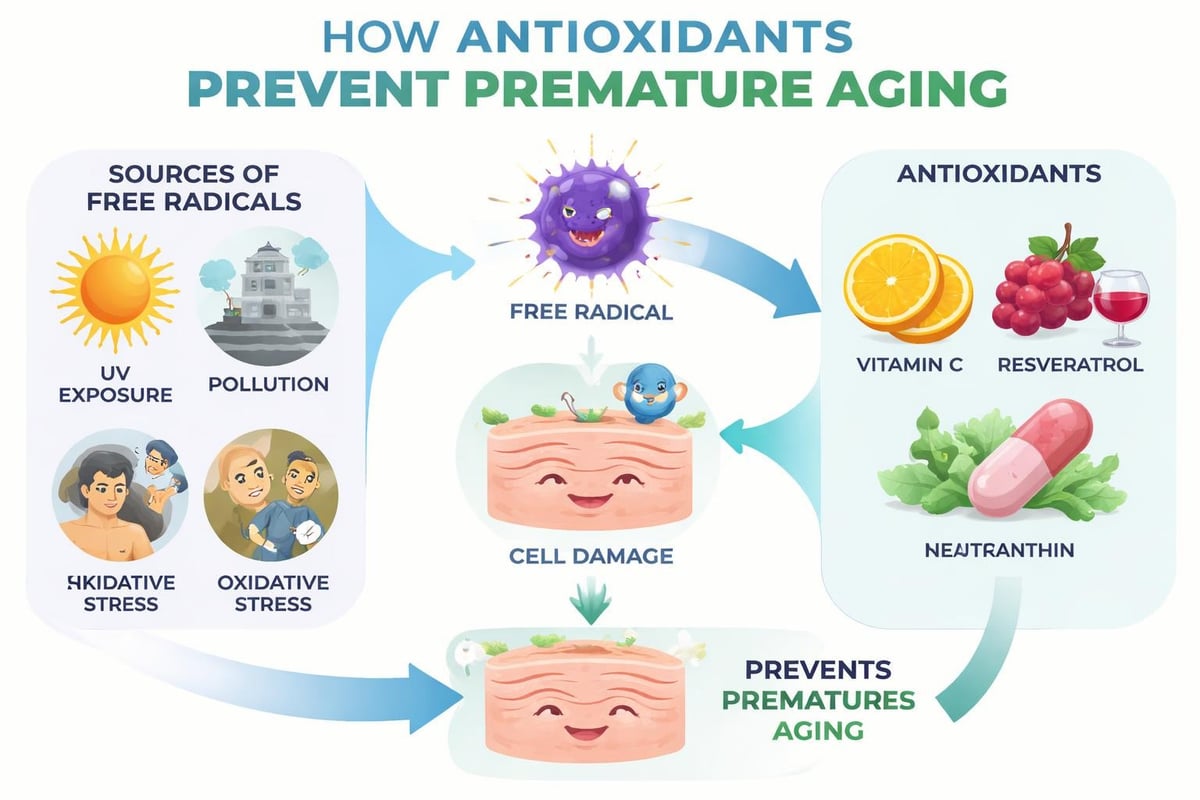
Vitamin C: The Gold Standard Antioxidant
Vitamin C remains among the best natural active ingredients for anti-aging skincare due to its extensively documented benefits and multiple mechanisms of action. This powerful antioxidant not only protects against environmental damage but actively stimulates collagen production and inhibits melanin formation.
L-ascorbic acid represents the most bioavailable form of vitamin C, though its instability challenges formulators. Alternative derivatives like sodium ascorbyl phosphate, magnesium ascorbyl phosphate, and ascorbyl glucoside offer improved stability while maintaining efficacy at slightly higher concentrations.
Formulation Considerations
| Form | Stability | Effective pH | Recommended Concentration |
|---|---|---|---|
| L-Ascorbic Acid | Low | 2.0-3.5 | 10-20% |
| Sodium Ascorbyl Phosphate | High | 6.0-7.0 | 3-5% |
| Magnesium Ascorbyl Phosphate | High | 6.0-7.0 | 3-10% |
| Ascorbyl Glucoside | High | 5.0-7.0 | 2-3% |
Research consistently demonstrates that vitamin C formulations reduce fine lines, improve skin texture, and provide photoprotection when used consistently. Scientific studies on natural anti-aging ingredients confirm these benefits across diverse skin types and ages.
For brands developing vitamin C products, partnering with experienced formulators ensures proper stabilization techniques, including appropriate pH adjustment, antioxidant systems, and packaging that protects against light and air exposure. The INCI Lab's expertise in custom formulations addresses these technical challenges while maintaining clean ingredient lists.
Bakuchiol: The Natural Retinol Alternative
Bakuchiol has emerged as one of the best natural active ingredients for anti-aging skincare, particularly for brands targeting consumers who experience retinol sensitivity. This plant-derived compound from the Psoralea corylifolia plant delivers retinol-like benefits without associated irritation, photosensitivity, or restrictions during pregnancy.
Clinical studies demonstrate that bakuchiol significantly improves fine lines, wrinkles, hyperpigmentation, and elasticity. Unlike retinol, which increases photosensitivity, bakuchiol remains stable in sunlight and can be used in both morning and evening formulations.
The mechanism differs from retinoids, yet produces comparable results through gene expression modulation and antioxidant activity. Bakuchiol serums have gained tremendous popularity as consumers seek gentler alternatives to traditional retinol products.
Benefits and Usage Recommendations
- Stimulates collagen types I, III, and IV production
- Reduces appearance of fine lines and wrinkles within 12 weeks
- Improves skin firmness and elasticity
- Provides antioxidant protection against environmental stressors
- Compatible with sensitive skin and safe during pregnancy
Effective concentrations range from 0.5% to 2%, with higher percentages delivering more pronounced results. Bakuchiol combines exceptionally well with other actives like vitamin C, niacinamide, and hyaluronic acid, making it versatile for multi-functional formulations.
Peptides: Signaling Molecules for Skin Renewal
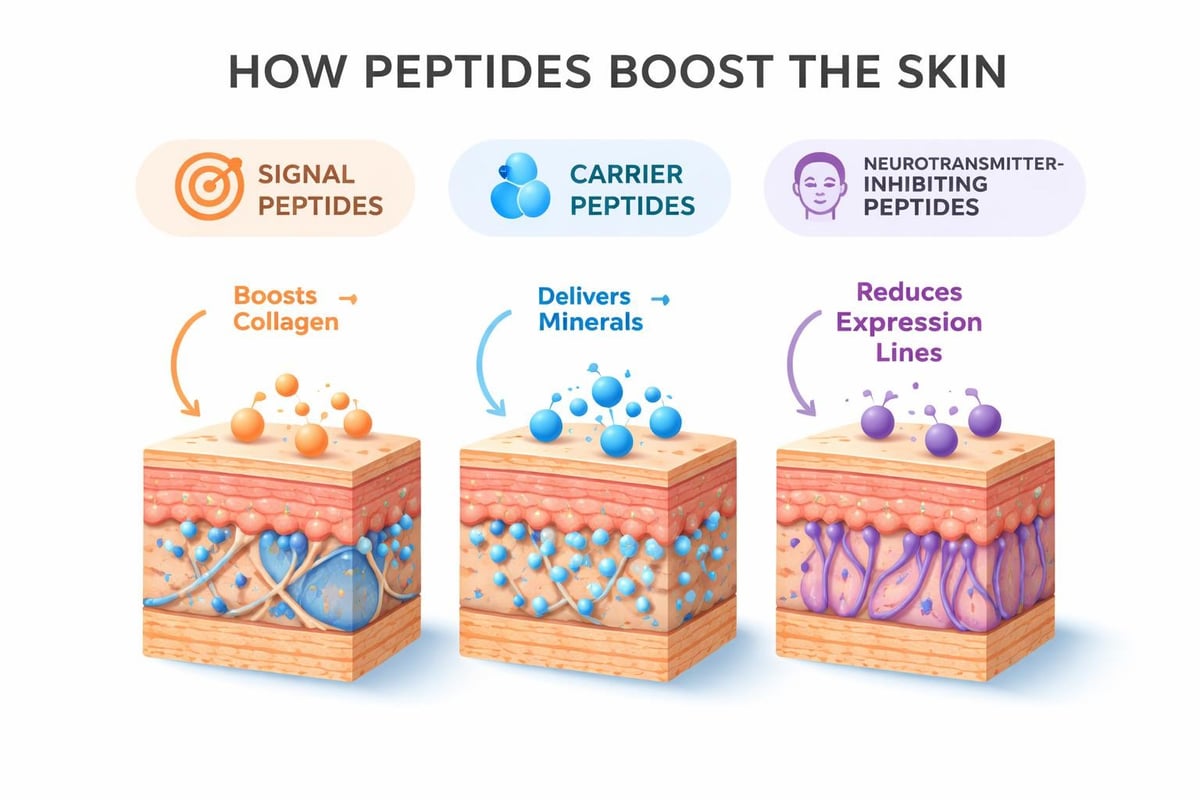
Peptides represent sophisticated ingredients that communicate with skin cells to trigger specific anti-aging responses. These short chains of amino acids act as messengers, signaling fibroblasts to produce more collagen, elastin, and other structural proteins.
Several categories of peptides serve different functions in anti-aging formulations:
- Signal peptides stimulate collagen and elastin production (e.g., palmitoyl pentapeptide-4)
- Carrier peptides deliver trace elements essential for enzymatic processes (e.g., copper peptides)
- Neurotransmitter-inhibiting peptides reduce expression lines (e.g., acetyl hexapeptide-8)
- Enzyme-inhibiting peptides prevent collagen breakdown (e.g., soybean peptides)
While many peptides are synthetically produced, several derive from natural sources through hydrolysis of plant proteins, making them acceptable for natural formulations. Rice peptides, soy peptides, and wheat peptides offer proven anti-aging benefits while maintaining clean credentials.
Peptide stability requires careful formulation around pH, temperature, and preservative systems. Concentrations typically range from 2% to 10% depending on the specific peptide and desired outcome. Sustainable ingredient sourcing becomes particularly important when selecting peptide suppliers who use environmentally responsible production methods.
Hyaluronic Acid: Nature's Hydration Powerhouse
Hyaluronic acid (HA) stands among the best natural active ingredients for anti-aging skincare due to its remarkable moisture-binding capacity. This glycosaminoglycan naturally occurs in skin, holding up to 1,000 times its weight in water and maintaining the plump, hydrated appearance associated with youthful skin.
Modern formulations utilize multiple molecular weights of HA to address different skin layers. Low molecular weight HA (under 50 kDa) penetrates deeper into the epidermis, while high molecular weight HA (1,500-2,000 kDa) creates a moisture-retaining film on the skin's surface.
Molecular Weight and Penetration
High Molecular Weight (1,500-2,000 kDa)
- Forms protective film on skin surface
- Provides immediate plumping effect
- Reduces transepidermal water loss
- Recommended concentration: 0.5-2%
Medium Molecular Weight (500-1,000 kDa)
- Balances surface hydration and penetration
- Improves skin texture and smoothness
- Recommended concentration: 0.5-1.5%
Low Molecular Weight (50-500 kDa)
- Penetrates into deeper epidermal layers
- Stimulates endogenous HA production
- Provides longer-term hydration benefits
- Recommended concentration: 0.1-0.5%
Combining multiple molecular weights creates comprehensive hydration that addresses both immediate concerns and long-term skin health. The ingredient pairs exceptionally well with other actives, enhancing their penetration and efficacy while preventing dehydration from exfoliating ingredients.
Resveratrol: Powerful Polyphenol Protection
Resveratrol represents one of the most potent antioxidants available for anti-aging formulations. This polyphenol compound found in grape skins, berries, and Japanese knotweed provides multiple benefits including free radical neutralization, inflammation reduction, and longevity pathway activation.
Research on resveratrol in skincare demonstrates its ability to protect against UV-induced damage, reduce wrinkle depth, and improve overall skin tone. The compound activates sirtuins, proteins associated with cellular longevity and repair, making it particularly valuable for longevity-focused formulations.
Formulation challenges include light sensitivity and limited water solubility. Encapsulation technologies, appropriate antioxidant systems, and light-protective packaging help maintain resveratrol stability. Effective concentrations range from 0.5% to 1%, with higher percentages providing enhanced antioxidant protection.
The ingredient combines synergistically with vitamin C, ferulic acid, and vitamin E, creating formulations with amplified antioxidant capacity. For brands differentiating in the competitive cosmetics market, resveratrol offers a scientifically validated active with strong consumer appeal.
Niacinamide: The Multifunctional B Vitamin
Niacinamide (vitamin B3) delivers comprehensive anti-aging benefits through multiple mechanisms, earning its place among the best natural active ingredients for anti-aging skincare. This water-soluble vitamin improves barrier function, reduces inflammation, regulates sebum production, and minimizes hyperpigmentation.
Clinical evidence supports niacinamide's effectiveness at concentrations between 2% and 5% for most benefits, though some formulations successfully incorporate up to 10% for enhanced results. The ingredient demonstrates exceptional compatibility with other actives, rarely causing irritation even in sensitive skin.
Key benefits include:
- Stimulates ceramide synthesis to strengthen skin barrier
- Reduces transepidermal water loss by 24% in clinical studies
- Decreases fine lines and wrinkles through collagen stimulation
- Fades hyperpigmentation by inhibiting melanosome transfer
- Minimizes pore appearance through sebum regulation
- Provides antioxidant protection against environmental damage
Unlike many actives requiring specific pH ranges, niacinamide remains stable across pH 5-7, simplifying formulation development. The ingredient tolerates heat processing and maintains efficacy throughout typical product shelf life when properly preserved.
Astaxanthin: The Superior Carotenoid
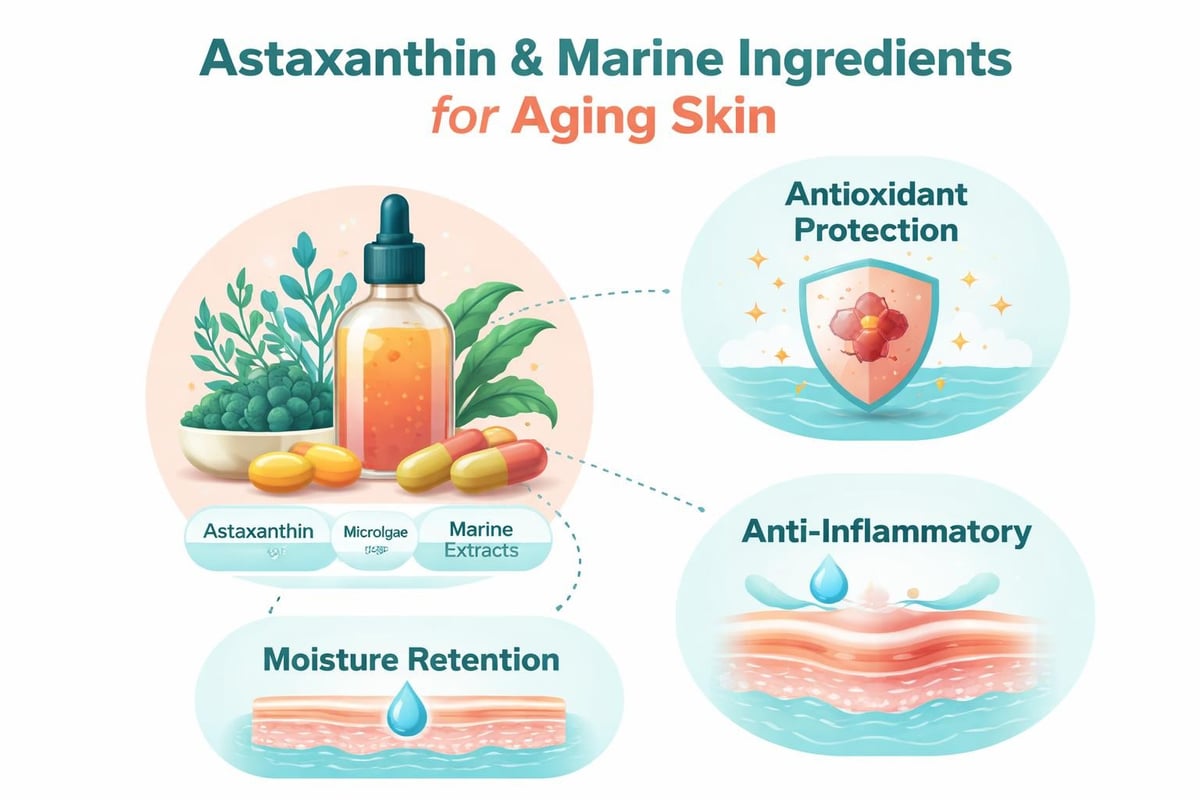
Astaxanthin represents one of nature's most powerful antioxidants, with research suggesting it neutralizes free radicals 6,000 times more effectively than vitamin C. This red-orange pigment derives from microalgae and provides exceptional protection against oxidative stress, UV damage, and inflammation.
Studies on astaxanthin in skincare demonstrate significant improvements in skin moisture, elasticity, and fine line reduction. The carotenoid's unique molecular structure allows it to span cell membranes, providing protection both inside and outside cells.
Formulation considerations include:
| Aspect | Specification |
|---|---|
| Typical Concentration | 0.001-0.1% |
| Solubility | Oil-soluble |
| Stability Concerns | Light, heat, oxygen |
| Recommended Delivery | Encapsulation or oil base |
| Synergistic Ingredients | Vitamin E, CoQ10, other carotenoids |
The intense color presents formulation challenges for products where tinting isn't desired. Encapsulation technologies and carefully balanced concentrations allow formulators to harness astaxanthin's benefits while managing aesthetic considerations.
Green Tea Extract: Polyphenol-Rich Protection
Green tea extract (Camellia sinensis) provides potent anti-aging benefits through its high concentration of catechins, particularly epigallocatechin gallate (EGCG). These polyphenolic compounds offer antioxidant, anti-inflammatory, and DNA-repair properties that address multiple aging pathways.
The extract protects against UV-induced damage, reduces inflammation, inhibits collagenase activity, and improves skin elasticity. Natural ingredients for age-defying skin frequently include green tea due to its proven efficacy and consumer recognition.
Standardized extracts containing 40-95% polyphenols ensure consistent efficacy across batches. Typical usage rates range from 0.5% to 5%, with higher concentrations providing enhanced antioxidant protection. The extract demonstrates good stability in properly formulated products, though antioxidant systems and appropriate pH (4-6) optimize longevity.
Green tea pairs exceptionally well with vitamin C, resveratrol, and niacinamide, creating comprehensive antioxidant protection. The ingredient appeals to eco-conscious consumers when sourced sustainably, aligning with broader eco-friendly cosmetic trends.
CoQ10: Energizing Cellular Function
Coenzyme Q10 (ubiquinone) serves as a critical component in cellular energy production while providing antioxidant protection. This naturally occurring compound decreases with age, making supplementation through topical application particularly relevant for anti-aging formulations.
CoQ10 penetrates into viable skin layers, where it protects against oxidative stress, stimulates collagen and elastin production, and reduces fine lines. The ingredient also helps repair UV-induced DNA damage and prevents lipid peroxidation that contributes to visible aging.
Formulation requires attention to:
- Solubility: Oil-soluble, requiring appropriate delivery systems in water-based products
- Stability: Susceptible to oxidation, requiring antioxidant protection and air-tight packaging
- Concentration: Effective at 0.01-0.3%, with higher percentages increasing antioxidant capacity
- Form: Available as ubiquinone (oxidized) or ubiquinol (reduced), with ubiquinol offering superior bioavailability
The ingredient works synergistically with vitamin E, extending the antioxidant's effectiveness while providing complementary anti-aging benefits. For formulators seeking to differentiate products, CoQ10 offers scientifically validated benefits with strong consumer appeal.
Botanical Oils: Nutrient-Dense Skin Nourishment
Several botanical oils deliver concentrated anti-aging actives while providing essential fatty acids, vitamins, and antioxidants. These oils support barrier function, reduce inflammation, and supply nutrients necessary for optimal skin function.
Rosehip Oil contains high levels of vitamin A (retinoic acid) and vitamin C, providing gentle retinol-like benefits without irritation. The oil's essential fatty acids support barrier repair and reduce inflammation, making it suitable for sensitive skin.
Sea Buckthorn Oil offers exceptional vitamin C content along with omega-7 fatty acids rarely found in other botanical sources. These compounds support tissue regeneration, reduce inflammation, and provide antioxidant protection.
Pomegranate Seed Oil contains punicic acid, a unique omega-5 fatty acid with powerful antioxidant and anti-inflammatory properties. The oil stimulates keratinocyte proliferation and supports epidermal regeneration.
Argan Oil provides vitamin E, squalene, and essential fatty acids that nourish, protect, and restore skin barrier integrity. Studies demonstrate improvements in skin elasticity and hydration with consistent use.
Usage rates typically range from 1% to 10% depending on the product format and desired sensory profile. Cold-pressed, organic oils offer superior nutrient content and align with natural positioning, though they require more careful preservation and stability testing.
Advanced Natural Actives: NAD+ and Beyond
Emerging research explores sophisticated natural and nature-derived actives that target fundamental aging processes at the cellular level. These cutting-edge ingredients represent the future of anti-aging formulation for brands seeking to differentiate in competitive markets.
NAD+ (Nicotinamide Adenine Dinucleotide) plays a crucial role in cellular energy production and DNA repair. Topical NAD+ applications show promise in supporting cellular function and reducing visible aging signs, though research continues regarding optimal delivery methods and concentrations.
Plant Stem Cells from sources like apple, edelweiss, and grape provide growth factors and proteins that may support skin cell regeneration. While the science remains debated, consumer interest drives continued innovation in this category.
Fermented Ingredients like galactomyces ferment filtrate offer nutrients, amino acids, and beneficial metabolites that support skin barrier function and provide gentle exfoliation. Fermentation processes can increase bioavailability and create novel compounds not present in the original plant material.
These advanced actives require careful formulation expertise to ensure stability, efficacy, and safety. Working with experienced formulators helps brands navigate the complexities of incorporating cutting-edge ingredients while maintaining product integrity.
Synergistic Formulation Strategies
Creating effective anti-aging products requires more than selecting individual actives. The best natural active ingredients for anti-aging skincare deliver enhanced benefits when combined strategically, addressing multiple aging pathways simultaneously.
Antioxidant Networks combining vitamin C, vitamin E, and ferulic acid provide superior protection compared to individual ingredients. These compounds regenerate one another, extending antioxidant activity and amplifying free radical neutralization.
Hydration Layering incorporates multiple moisturizing ingredients at different molecular weights and mechanisms. Combining hyaluronic acid, glycerin, and ceramides creates comprehensive hydration that addresses both immediate and long-term moisture needs.
Collagen Support Systems pair ingredients that stimulate production (peptides, vitamin C) with those protecting existing collagen (antioxidants, enzyme inhibitors). This dual approach maximizes structural support for aging skin.
Formulation Compatibility Considerations
Some ingredient combinations require careful attention:
- Niacinamide + Vitamin C: Generally compatible despite outdated concerns, though separate products may prevent potential conversion to niacin at very low pH
- Retinoids + AHAs: Can increase irritation; consider alternating application or different times of day
- Peptides + High pH: May denature peptides; maintain appropriate pH range (4-6)
- Multiple oils: Balance comedogenicity and penetration through molecular weight selection
Small cosmetic brands benefit from formulation expertise that optimizes ingredient combinations while managing cost, stability, and regulatory requirements. Professional formulation support ensures products deliver promised benefits without unexpected interactions or stability failures.
Stability and Preservation Challenges
Natural actives often present greater stability challenges than synthetic alternatives, requiring sophisticated formulation approaches to maintain efficacy throughout shelf life. Understanding degradation pathways and implementing protective strategies ensures products deliver consistent results from first to last use.
Light-sensitive ingredients like vitamin C, retinol alternatives, and resveratrol require opaque or UV-protective packaging. Airless pumps prevent oxygen exposure that degrades many antioxidants. Nitrogen blanketing during manufacturing minimizes initial oxidation.
pH requirements vary significantly among actives:
- Vitamin C (L-ascorbic acid): pH 2.0-3.5
- Niacinamide: pH 5.0-7.0
- Most peptides: pH 4.0-6.0
- Bakuchiol: pH 4.0-7.0
Formulations incorporating multiple actives with different pH requirements need careful balancing to optimize all ingredients or may benefit from separate products applied sequentially.
Preservation becomes particularly critical in natural formulations where consumers may prefer paraben-free systems. Broad-spectrum preservatives effective at appropriate pH and compatible with chosen actives ensure product safety without compromising efficacy or natural positioning.
Regulatory and Marketing Considerations
Successfully launching anti-aging products with natural actives requires navigating complex regulatory requirements while communicating benefits effectively to target consumers. Claims must balance marketing appeal with regulatory compliance and scientific substantiation.
Substantiation Requirements vary by region but generally demand clinical evidence, in vitro testing, or well-established use data supporting specific claims. Broad claims like "reduces appearance of fine lines" typically require clinical testing, while milder statements may rely on ingredient efficacy data.
Natural Certification from organizations like COSMOS, NATRUE, or NSF provides third-party validation of natural credentials. These certifications carry specific requirements regarding ingredient sourcing, processing methods, and percentage thresholds that formulators must consider from development's earliest stages.
Ingredient Disclosure through INCI naming and appropriate labeling helps consumers make informed decisions while meeting regulatory requirements. Understanding INCI nomenclature ensures accurate, compliant labeling that builds consumer trust.
Marketing natural anti-aging products effectively requires education about specific actives, their mechanisms, and expected results. Transparency about concentrations, realistic timelines, and proper usage builds credibility and supports long-term customer satisfaction.
Selecting the best natural active ingredients for anti-aging skincare requires balancing scientific efficacy, formulation stability, regulatory compliance, and consumer preferences. Ingredients like vitamin C, bakuchiol, peptides, and resveratrol deliver proven results when incorporated into well-designed formulations that protect their integrity and optimize bioavailability. Whether you're launching a new line or reformulating existing products, partnering with The INCI Lab provides the expertise needed to create high-performance, naturally focused anti-aging products that stand out in today's competitive marketplace.

