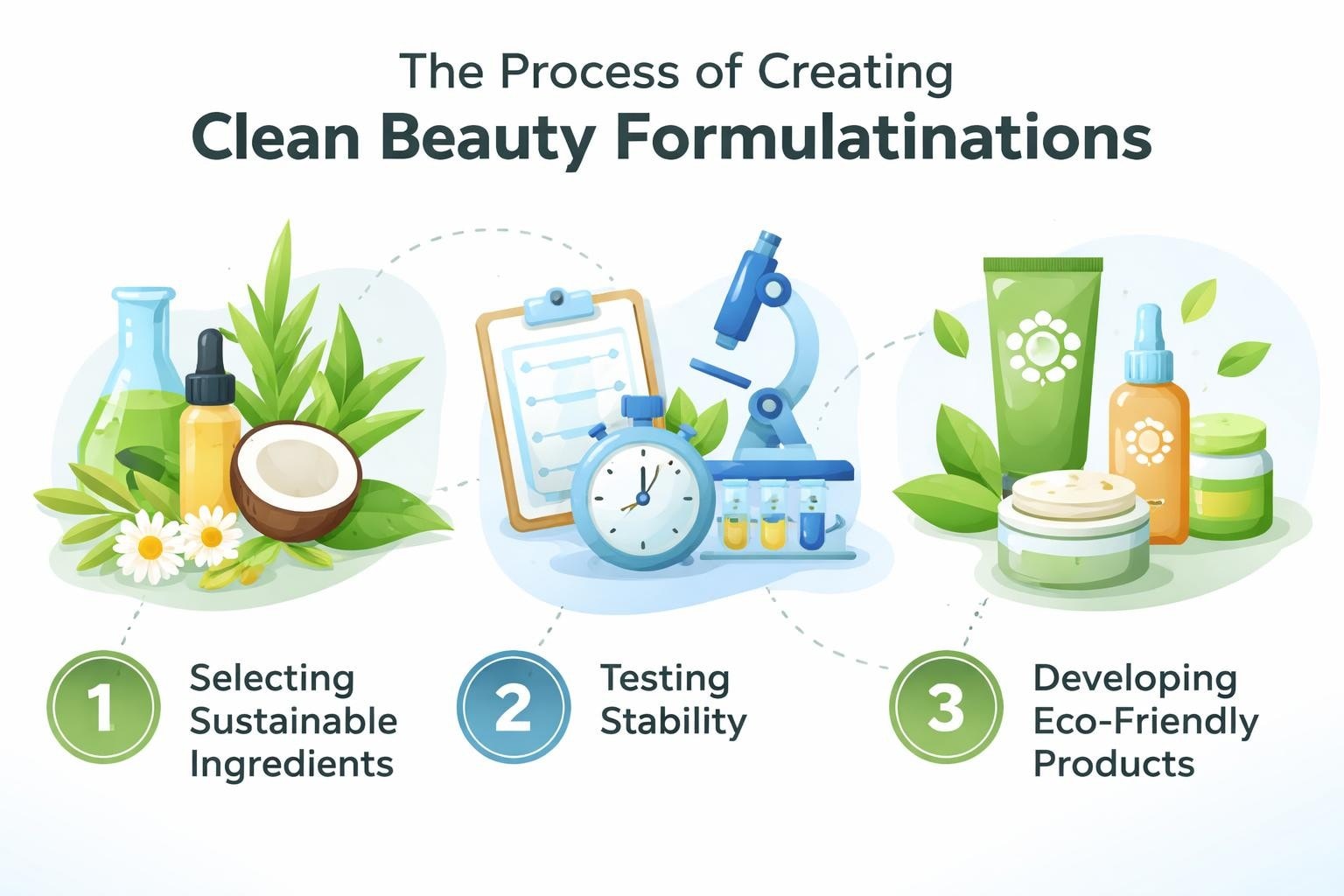

The organic skincare market continues its remarkable growth trajectory in 2026, with consumers increasingly demanding transparency, sustainability, and efficacy in their beauty products. For entrepreneurs and established brands alike, understanding how to formulate organic skincare products professionally represents a critical competitive advantage. The journey from concept to compliant, market-ready organic formulation requires specialized knowledge of natural ingredients, preservation challenges, regulatory frameworks, and quality control protocols. Whether you're launching your first product line or expanding an existing brand, mastering professional organic formulation techniques ensures your products deliver both performance and integrity.
Understanding Organic Skincare Formulation Standards
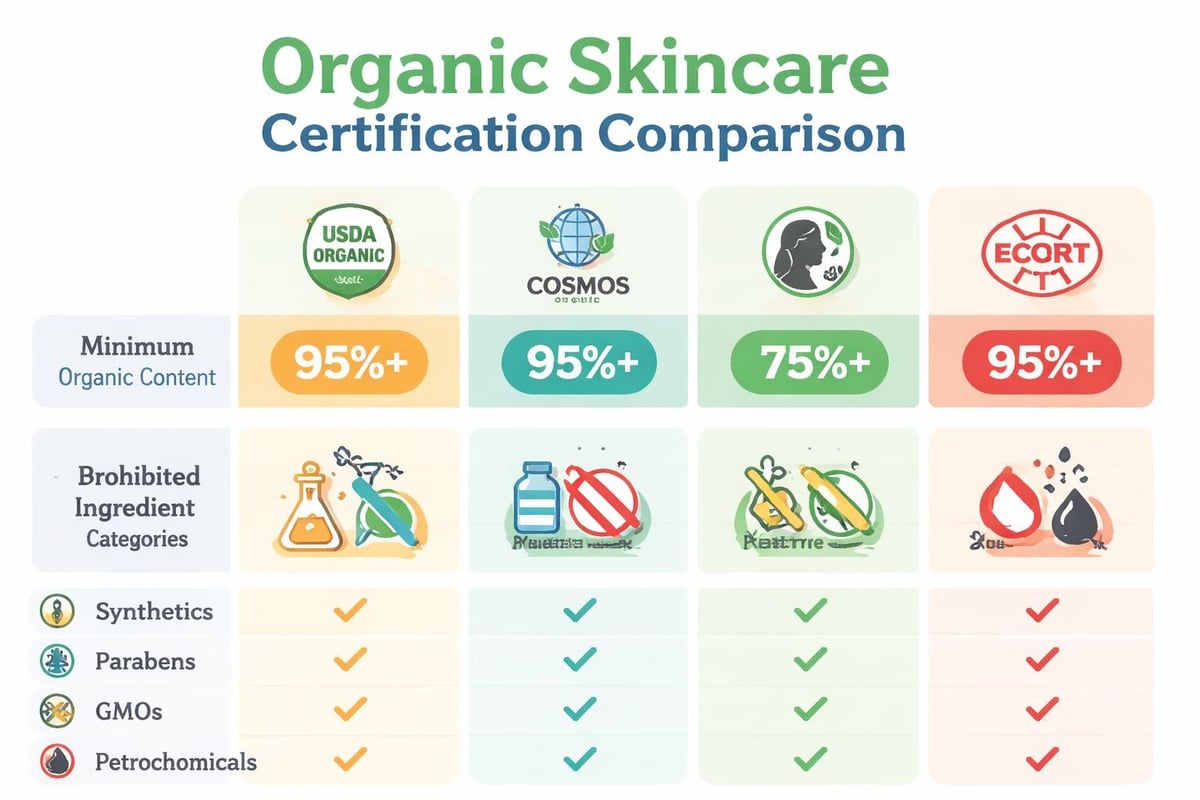
Professional organic formulation begins with a thorough understanding of what "organic" actually means in the skincare industry. Unlike food products with standardized organic definitions, cosmetics face a more complex regulatory landscape. Different certification bodies maintain distinct standards, from USDA Organic to COSMOS, NaTrue, and Ecocert.
The foundation of any organic formulation requires minimum percentages of certified organic ingredients. Most certification programs mandate that at least 95% of plant-derived ingredients must come from organic sources, while allowing minimal percentages of approved non-organic compounds necessary for product stability and safety.
Key Certification Requirements
When learning how to formulate organic skincare products professionally, you must navigate specific restrictions:
- Prohibited ingredients: Synthetic fragrances, parabens, PEGs, phenoxyethanol, and most petrochemical derivatives
- Processing limitations: Ingredients must undergo approved processing methods only
- Contamination prevention: Strict protocols prevent cross-contamination with conventional ingredients
- Documentation requirements: Complete ingredient traceability from farm to finished product
- Percentage thresholds: Specific minimums for organic content in water-free and total formulations
Understanding organic certification requirements provides crucial groundwork before developing your first formula. The certification process typically takes three to six months, requiring detailed documentation of suppliers, processing methods, and manufacturing protocols.
Sourcing High-Quality Organic Ingredients
The quality of your finished product directly reflects your ingredient selection. Professional formulators establish relationships with reputable suppliers who provide certified organic raw materials with comprehensive documentation.
| Ingredient Category | Key Considerations | Common Organic Sources |
|---|---|---|
| Carrier Oils | Certification status, cold-pressed vs. refined | Jojoba, argan, rosehip seed, meadowfoam |
| Butters | Fair trade certification, processing methods | Shea, cocoa, mango, cupuaçu |
| Botanical Extracts | Extraction solvent compliance, potency | Calendula, chamomile, green tea, aloe |
| Essential Oils | Therapeutic grade, sustainable harvesting | Lavender, frankincense, neroli, ylang-ylang |
| Functional Actives | Organic certification availability | Hyaluronic acid, vitamin E, CoQ10 |
Ingredient authentication represents a critical professional standard. Request Certificates of Analysis (COA), organic certificates, and safety data sheets (SDS) for every raw material. Verify that extraction methods align with organic standards-many certification programs prohibit certain solvents or chemical processes.
The formulation principles used by eco-friendly cosmetic brands emphasize ingredient transparency and sustainable sourcing practices. Building a reliable supplier network takes time, but ensures consistent quality across production batches.
Working with Botanical Ingredients
Natural ingredients present unique formulation challenges compared to synthetic alternatives. Botanical extracts vary in potency depending on harvest timing, growing conditions, and extraction methods. Professional formulators account for this natural variation by:
- Standardizing extracts to specific active compound percentages
- Testing each ingredient batch before formulation
- Building flexibility into formulas to accommodate minor variations
- Maintaining detailed batch records for traceability
Consider ingredients like luffa extract, which offers natural exfoliating and skin-conditioning properties. Understanding each botanical's unique characteristics enables you to leverage their benefits while managing potential instability.
Mastering Organic Preservation Techniques
Preservation represents one of the most significant challenges when you learn how to formulate organic skincare products professionally. Without conventional synthetic preservatives, organic formulations require creative approaches to prevent microbial contamination.
Natural Preservation Systems
Several strategies help maintain product safety and stability:
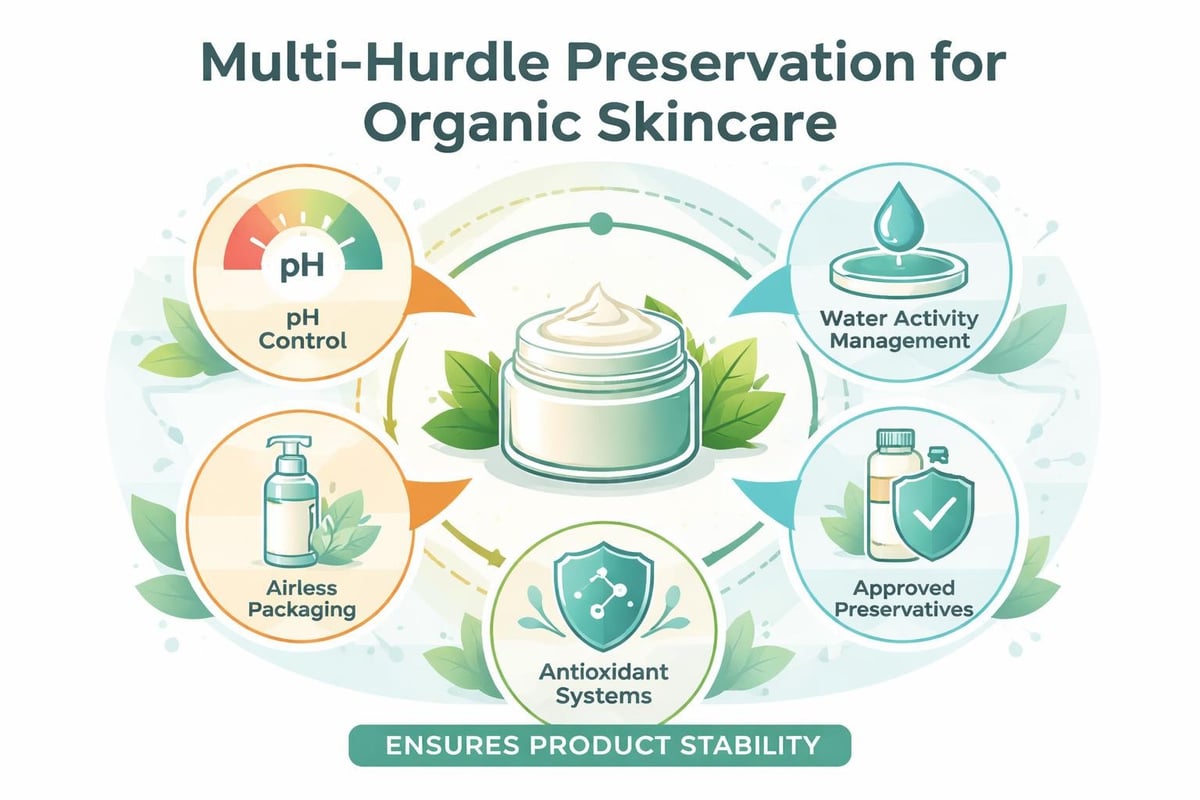
- Multi-hurdle approach: Combine several preservation techniques rather than relying on a single method
- pH optimization: Maintain formulations below pH 5 or above pH 8 where possible
- Water activity reduction: Limit available water through humectants or anhydrous formulations
- Antioxidant systems: Prevent oxidative degradation using vitamin E, rosemary extract, or astaxanthin
- Approved preservatives: Utilize organic-compliant options like potassium sorbate, sodium benzoate, or benzyl alcohol
The challenges of formulating organic products include balancing preservation efficacy with certification compliance. Professional formulators conduct comprehensive challenge testing to verify that preservation systems effectively prevent bacterial, yeast, and mold growth throughout product shelf life.
Airless packaging provides an additional preservation strategy by minimizing oxygen exposure and preventing contamination from repeated user contact. This packaging innovation allows for reduced preservative concentrations while maintaining product integrity.
Developing Stable Organic Formulations
Stability testing represents a non-negotiable aspect of professional formulation. Organic products face particular stability challenges due to the reactive nature of many natural ingredients and limitations on stabilizing agents.
Essential Stability Testing Protocols
Professional stability testing includes multiple evaluation methods:
- Accelerated aging: Store samples at elevated temperatures (40-45°C) to simulate long-term storage
- Freeze-thaw cycling: Subject products to temperature extremes to identify separation or crystallization issues
- Real-time stability: Monitor products under normal storage conditions for 12-24 months
- Microbial challenge: Inoculate preserved formulas with bacteria and fungi to verify preservation efficacy
- pH monitoring: Track pH changes that might indicate ingredient degradation
| Testing Parameter | Initial | 1 Month | 3 Months | 6 Months | 12 Months |
|---|---|---|---|---|---|
| Appearance | ✓ | ✓ | ✓ | ✓ | ✓ |
| Odor | ✓ | ✓ | ✓ | ✓ | ✓ |
| pH | ✓ | ✓ | ✓ | ✓ | ✓ |
| Viscosity | ✓ | ✓ | ✓ | ✓ | ✓ |
| Color | ✓ | ✓ | ✓ | ✓ | ✓ |
| Microbial Count | ✓ | - | ✓ | ✓ | ✓ |
Understanding how to formulate organic skincare products professionally means anticipating stability issues before they occur. Quality formulations in cosmetic products require rigorous testing protocols that exceed minimum regulatory requirements.
Creating Effective Product Categories
Different product types present unique formulation considerations within organic parameters. Professional formulators adapt their techniques based on product format and intended application.
Emulsion-Based Products
Creams and lotions require careful emulsifier selection. Organic-compliant emulsifiers include:
- Cetearyl glucoside and cetearyl alcohol
- Glyceryl stearate
- Lecithin-based systems
- Sucrose esters
Emulsion stability in organic formulations often requires higher emulsifier concentrations than conventional products. The absence of synthetic stabilizers means formulators must optimize droplet size, viscosity, and electrolyte balance to prevent separation.
Anhydrous Formulations
Water-free products like balms, oils, and butter blends offer inherent preservation advantages. These formulations focus on:
- Optimizing texture through butter and wax ratios
- Preventing oxidation with natural antioxidants
- Achieving appropriate melting points for climate stability
- Balancing absorption rates with skin feel
Water-Based Formulations
Toners, mists, and serums present maximum preservation challenges due to high water content. Professional approaches include:
- Maintaining pH below 4.5 for self-preservation
- Using high percentages of natural preservatives
- Incorporating alcohol (organic grain alcohol) as a preservation aid
- Employing smaller packaging sizes for faster turnover
The process of making natural skincare products provides foundational techniques applicable across product categories, though organic formulation adds layers of complexity requiring advanced expertise.
Navigating Regulatory Compliance
Professional organic formulation requires meticulous attention to regulatory requirements across multiple jurisdictions. In 2026, regulations continue evolving as authorities respond to market growth and consumer protection concerns.
United States Regulations
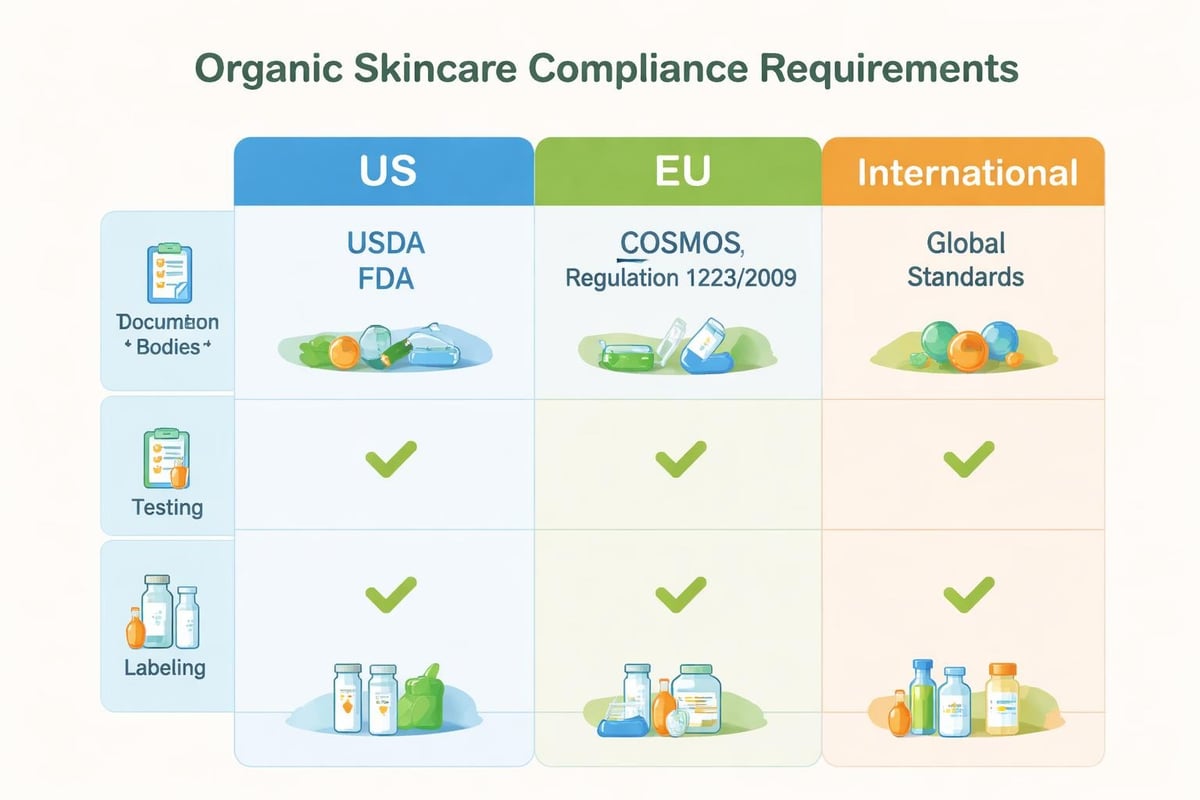
The FDA does not formally recognize "organic" claims for cosmetics, but products must comply with:
- USDA Organic Program: For products making organic claims
- Fair Packaging and Labeling Act: For ingredient declaration requirements
- FD&C Act: For safety and proper labeling
- State-specific regulations: California Prop 65, for example
European Union Standards
EU cosmetics regulations provide more structured organic frameworks:
- COSMOS standard: Widely recognized certification for organic and natural cosmetics
- EU Cosmetics Regulation 1223/2009: Governs all cosmetic products
- Prohibited substances list: More restrictive than US regulations
Labeling Requirements
Professional organic formulations require precise labeling that communicates certification status without misleading consumers:
- Display certification logos only after formal approval
- List ingredients in INCI nomenclature according to concentration
- Include organic percentage calculations based on certification standards
- Provide required warnings and usage instructions
- Maintain claims substantiation documentation
Understanding how to formulate organic skincare products professionally includes mastering these regulatory nuances. Working with cosmetic industry professionals helps navigate complex compliance requirements efficiently.
Optimizing Performance and Sensory Experience
Consumer expectations for organic skincare have evolved dramatically. Today's buyers demand products that perform as well as or better than conventional alternatives while maintaining clean ingredient profiles.
Balancing Efficacy with Organic Constraints
Professional formulators employ several strategies to maximize performance:
- Synergistic ingredient combinations: Pairing complementary botanicals to enhance overall efficacy
- Bioavailable actives: Selecting ingredient forms that penetrate skin effectively
- Concentration optimization: Using maximum effective levels within safety parameters
- Delivery system innovation: Employing liposomes, niosomes, or other natural encapsulation technologies
Texture and sensory properties significantly influence consumer satisfaction. Natural ingredients can create challenges like greasiness, slow absorption, or botanical odors. Professional techniques address these concerns through:
- Careful oil selection for absorption profiles
- Natural silica or starches for mattifying effects
- Texture modifiers like natural polymers or gums
- Strategic essential oil blending for appealing scents
Clinical Testing and Claims Substantiation
Professional brands invest in clinical studies to validate product performance. Third-party testing provides credible evidence for marketing claims while ensuring consumer safety. Common testing protocols include:
| Test Type | Purpose | Duration |
|---|---|---|
| HRIPT | Skin irritation and sensitization | 6 weeks |
| Clinical efficacy | Hydration, wrinkle reduction, firmness | 4-12 weeks |
| Consumer perception | Satisfaction, sensory attributes | 2-4 weeks |
| Comedogenicity | Pore-clogging potential | 4 weeks |
Small cosmetic brands can achieve professional-level validation through strategic testing investments that build consumer trust and differentiate products in crowded markets.
Scaling from Development to Production
Transitioning from bench-scale formulation to commercial production presents unique challenges for organic products. Professional formulators plan for scalability from initial development stages.
Manufacturing Considerations
Successful scale-up requires attention to:
- Equipment compatibility: Ensuring production equipment can handle organic ingredients without cross-contamination
- Process validation: Confirming that manufacturing procedures maintain product consistency
- Batch size optimization: Balancing efficiency with organic ingredient shelf life
- Quality control protocols: Implementing testing at critical control points
- Supplier capacity: Verifying ingredient availability for projected production volumes
Good Manufacturing Practices (GMP) become essential as production scales. Organic certification bodies typically require GMP compliance, including documented procedures, employee training, and facility standards.
Batch Record Documentation
Professional formulation includes comprehensive batch record systems tracking:
- Raw material lot numbers and expiration dates
- Precise ingredient weights and measurements
- Processing parameters (temperatures, mixing times, speeds)
- In-process quality checks
- Final product testing results
- Packaging and labeling verification
This documentation enables traceability, supports certification audits, and facilitates quality investigations when issues arise. Professional cosmetic formulation services typically include complete documentation systems as part of their development offerings.
Implementing Continuous Improvement
The organic skincare landscape evolves constantly, with new ingredients, technologies, and consumer preferences emerging regularly. Professional formulators maintain competitive advantages through ongoing education and formula optimization.
Staying Current with Innovation
Monitor developments in:
- Novel organic ingredients: New botanical extracts, fermented ingredients, and biotech-derived actives
- Preservation technologies: Emerging natural preservation systems and packaging innovations
- Sustainability advances: Carbon-neutral ingredients, regenerative agriculture sources, and circular packaging
- Consumer trends: Shifting preferences in textures, formats, and product benefits
Reformulation strategies help brands improve existing products without starting from scratch. The art of cosmetic reformulation enables incremental enhancements that maintain brand identity while incorporating improvements.
Building Professional Expertise
Developing mastery in how to formulate organic skincare products professionally requires:
- Formal education in cosmetic chemistry or related fields
- Hands-on experience with diverse ingredient types
- Understanding of skin biology and product interactions
- Knowledge of regulatory frameworks across markets
- Collaboration with experienced formulators and chemists
Many successful brands partner with specialized formulation laboratories that provide expertise, testing capabilities, and production connections. This approach accelerates development timelines while ensuring professional-quality results.
Quality Assurance and Consumer Safety
Professional organic formulation prioritizes consumer safety through rigorous quality assurance protocols. Every product should undergo comprehensive safety assessment before market introduction.
Safety Testing Requirements
Essential safety evaluations include:
- Microbial limits testing: Verifying acceptable levels of bacteria, yeast, and mold
- Preservative efficacy testing: Confirming adequate protection against contamination
- Stability assessment: Ensuring product maintains safety throughout shelf life
- Patch testing: Identifying potential irritation or sensitization risks
- Heavy metals analysis: Detecting contamination from natural ingredient sources
Product Safety Reports or Product Information Files document all safety testing, ingredient safety data, and risk assessments. These reports support regulatory compliance and demonstrate due diligence in consumer protection.
Understanding how to formulate organic skincare products professionally means never compromising safety for marketability. The importance of proper formulation checks cannot be overstated in protecting both consumers and brand reputation.
Adverse Event Monitoring
Professional brands implement systems for tracking and responding to consumer complaints or adverse reactions. This includes:
- Clear reporting channels for consumers to communicate concerns
- Documentation protocols for all reported incidents
- Investigation procedures to identify root causes
- Corrective action plans when issues arise
- Regulatory reporting as required by jurisdiction
Proactive monitoring helps identify potential issues before they escalate, protecting consumers and preserving brand integrity.
Mastering how to formulate organic skincare products professionally requires dedication to ingredient quality, regulatory compliance, stability testing, and consumer safety. Success in this specialized field demands both scientific expertise and creative problem-solving as you navigate the unique challenges of natural formulation. Whether you're an entrepreneur launching your first product line or an established brand seeking to expand your organic offerings, partnering with experienced professionals accelerates your success while ensuring compliance and quality. The INCI Lab brings award-winning expertise in custom organic formulations, providing comprehensive support from concept through production with full formulation ownership and sustainable ingredient sourcing. Ready to bring your organic skincare vision to life with professional-grade formulations that stand out in today's competitive market?