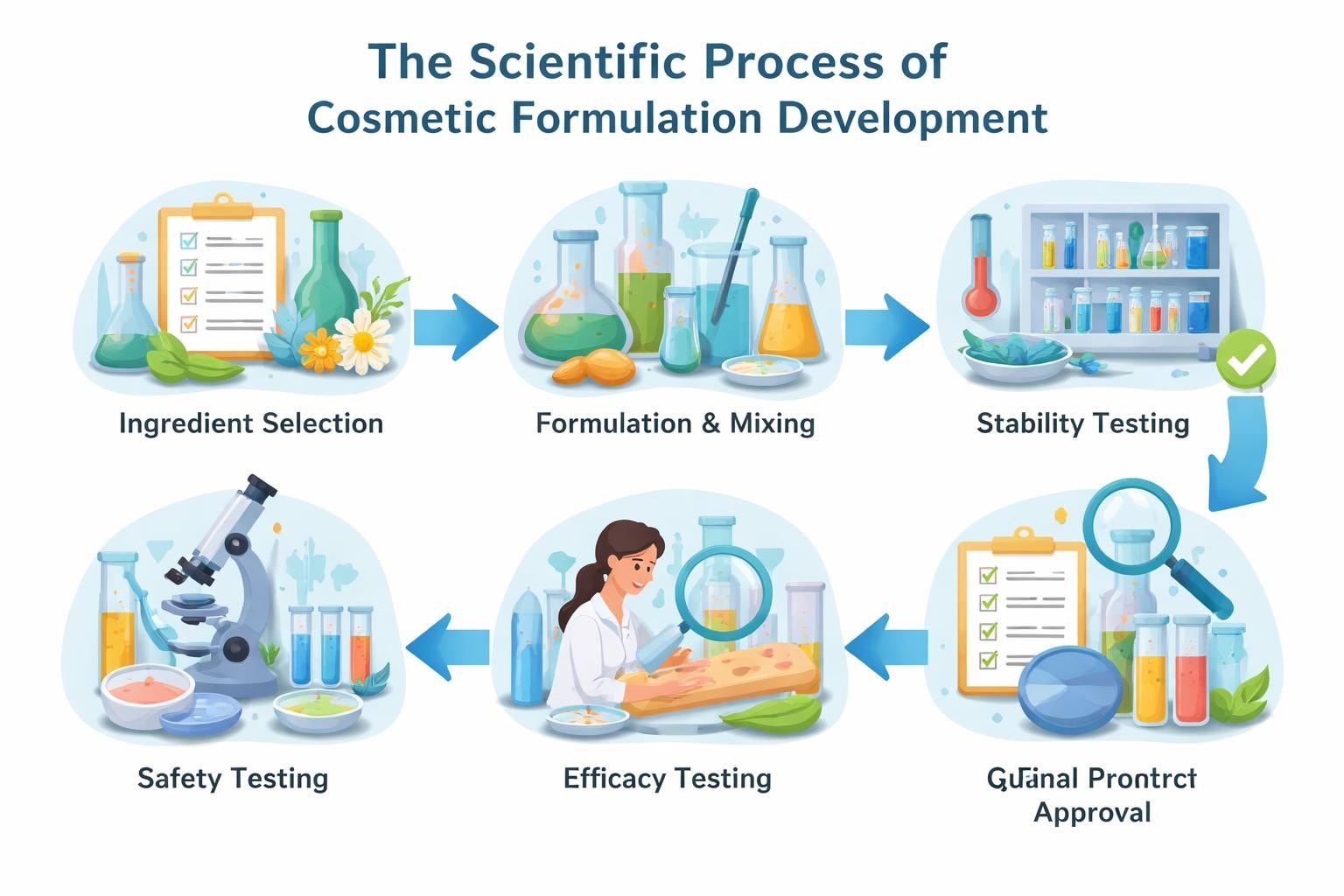

The clean beauty movement has fundamentally transformed how brands approach product development, making a comprehensive cosmetic formulation guide for clean beauty brands more essential than ever. As consumers demand greater transparency about ingredients and manufacturing processes, cosmetic formulators face the challenge of creating products that are both effective and environmentally responsible. This shift requires brands to rethink traditional formulation approaches, prioritize sustainable ingredients, and maintain rigorous quality standards. Whether you're launching a new brand or reformulating existing products, understanding the principles of clean beauty formulation is crucial for success in today's competitive marketplace.
Understanding Clean Beauty Formulation Principles
Clean beauty formulation differs significantly from conventional cosmetic development. The core philosophy centers on ingredient transparency, environmental sustainability, and consumer safety. These principles guide every decision throughout the formulation process, from initial concept to final product testing.
The foundation of any successful cosmetic formulation guide for clean beauty brands begins with defining what "clean" means for your brand identity. While industry standards vary, most clean beauty brands exclude specific ingredients including parabens, phthalates, formaldehyde-releasing preservatives, and synthetic fragrances. This exclusion list shapes your ingredient palette and requires creative problem-solving to achieve desired product performance.
Key Components of Clean Formulations
When developing clean beauty products, formulators must balance multiple priorities:
- Ingredient sourcing transparency that allows consumers to trace components back to their origins
- Environmental impact assessment throughout the product lifecycle
- Performance metrics that meet or exceed conventional product standards
- Preservation systems using approved alternatives to traditional preservatives
- Stability testing protocols adapted for natural ingredient systems
Understanding the importance of quality formulations in cosmetic products becomes even more critical when working within clean beauty constraints. Natural ingredients often behave differently than their synthetic counterparts, requiring deeper knowledge of ingredient interactions and compatibility.
Ingredient Selection Strategies for Clean Beauty
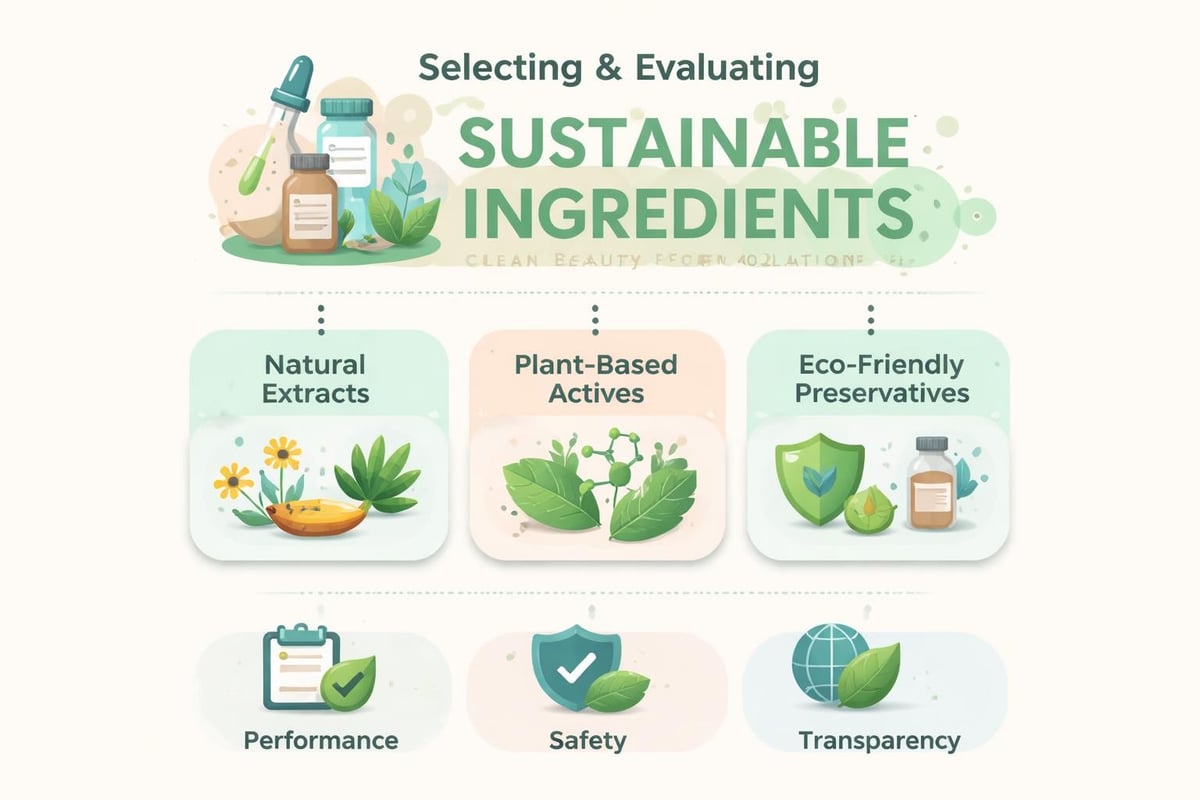
The ingredient selection process represents the most critical phase in creating a cosmetic formulation guide for clean beauty brands. Each ingredient must serve a clear purpose while aligning with clean beauty values. This requires comprehensive knowledge of ingredient functionality, sourcing practices, and potential sensitivities.
Natural vs. Nature-Derived Ingredients
Clean beauty formulation presents an ongoing debate between purely natural ingredients and nature-derived alternatives. Natural ingredients come directly from plant, mineral, or animal sources with minimal processing. Nature-derived ingredients start from natural sources but undergo chemical modifications to improve stability or performance.
| Ingredient Type | Advantages | Considerations |
|---|---|---|
| Natural | Consumer appeal, minimal processing, biodegradable | Variable potency, shorter shelf life, limited functionality |
| Nature-derived | Enhanced stability, broader functionality, consistent quality | Requires processing disclosure, may need additional certification |
| Synthetic-clean | Predictable performance, cost-effective, standardized | Must meet clean beauty criteria, potential consumer resistance |
The certified formulation approach provides frameworks for evaluating ingredients against established clean beauty standards. Certifications like EWG Verified, COSMOS, and NaTrue offer third-party validation that ingredients meet specific criteria for safety and sustainability.
When selecting actives for your formulations, prioritize ingredients with documented efficacy studies. Plant extracts, peptides, and botanical oils should demonstrate measurable benefits through clinical testing or established research. This evidence-based approach strengthens your product claims and builds consumer trust.
Sustainable Sourcing Considerations
Ingredient sustainability extends beyond the ingredient itself to encompass harvesting practices, supply chain transparency, and environmental impact. Eco-friendly cosmetic brands increasingly scrutinize supplier practices to ensure alignment with clean beauty values.
Evaluate potential ingredients using these sustainability criteria:
- Renewable resource status and regeneration timeframes
- Harvesting impact on local ecosystems and communities
- Fair trade certification and ethical labor practices
- Carbon footprint associated with cultivation and transportation
- Biodegradability in aquatic and terrestrial environments
Formulation Development Process
Creating effective clean beauty products requires a systematic approach that accounts for the unique challenges of working with restricted ingredient palettes. This cosmetic formulation guide for clean beauty brands emphasizes methodical testing and iterative refinement.
Phase One: Concept and Benchmarking
Begin by defining your product's target market, intended benefits, and performance benchmarks. Research competing products to understand consumer expectations and identify formulation gaps. This competitive analysis informs ingredient selection and helps establish realistic performance targets.
Document your product concept thoroughly:
- Target demographic and skin type
- Primary and secondary benefits
- Sensory expectations (texture, scent, appearance)
- Price point and packaging considerations
- Regulatory requirements for target markets
The cosmetic formulation development process typically spans several months, requiring patience and careful documentation at each stage.
Phase Two: Prototype Development
Prototype development transforms concepts into testable formulations. Start with simple formulations and add complexity gradually. This approach helps isolate problem ingredients and understand interaction effects.
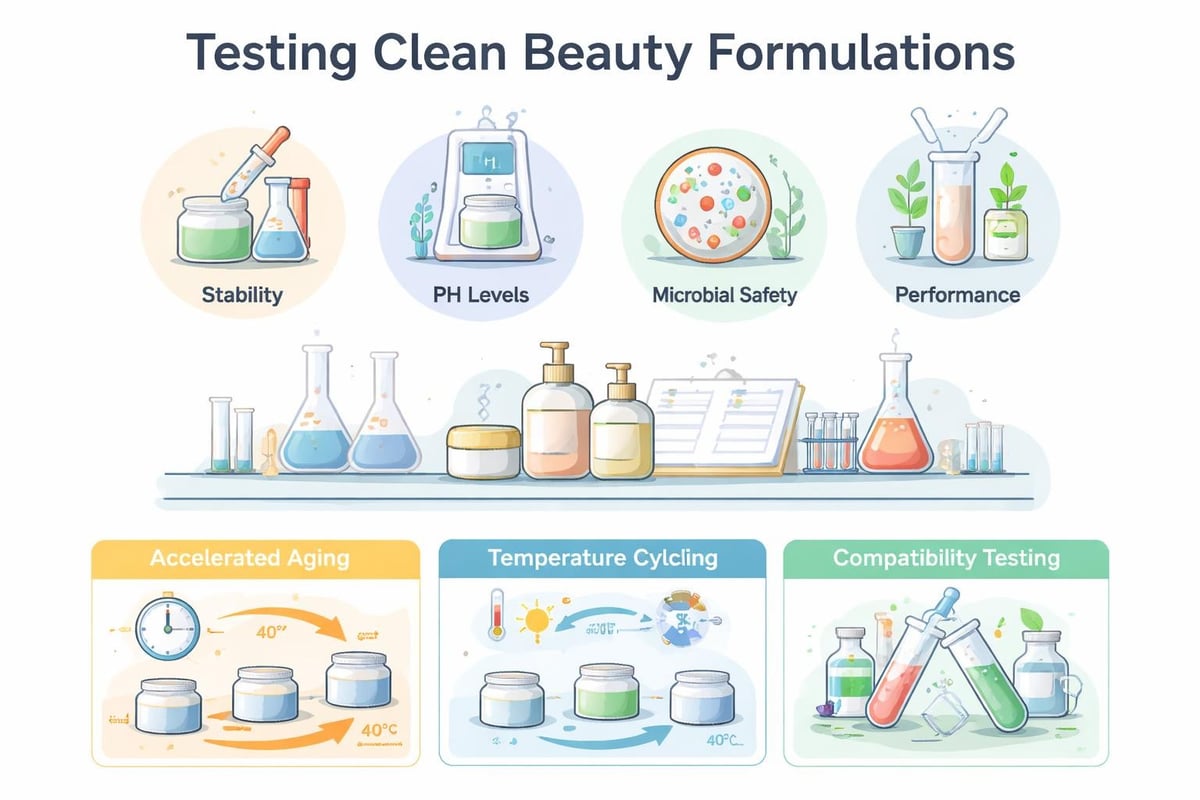
Key prototype considerations include:
- Emulsion stability for products combining oil and water phases
- pH optimization to ensure product safety and efficacy
- Preservation efficacy testing against common microbial contaminants
- Texture refinement to match sensory expectations
- Color and scent stability under various storage conditions
Cosmetic formulation basics emphasize the importance of understanding ingredient ratios and processing parameters. Temperature, mixing speed, and order of addition significantly impact final product quality, particularly when working with temperature-sensitive natural ingredients.
Preservation and Stability Challenges
Preserving clean beauty products presents unique challenges due to restricted preservative options and the inherent variability of natural ingredients. A comprehensive cosmetic formulation guide for clean beauty brands must address these preservation concerns thoroughly.
Clean-Approved Preservation Systems
Traditional preservatives like parabens and formaldehyde-releasers are typically excluded from clean beauty formulations. Alternative preservation systems must provide broad-spectrum antimicrobial protection while meeting clean beauty criteria.
Common clean-approved preservatives include:
- Organic acids (sorbic acid, benzoic acid) and their salts
- Essential oils with antimicrobial properties
- Fermentation-derived preservatives
- Multifunctional ingredients with preservative benefits
- Combinations creating hurdle technology effects
| Preservation Strategy | Mechanism | Application Considerations |
|---|---|---|
| Low water activity | Reduces microbial growth through dehydration | Limited to anhydrous or low-water formulations |
| pH adjustment | Creates unfavorable environment for microbes | May affect product performance and skin compatibility |
| Hurdle technology | Multiple preservation mechanisms working synergistically | Requires careful balance and extensive testing |
Preservation system effectiveness must be validated through challenge testing, which exposes products to specific microbial strains and monitors their growth over time. This testing ensures formulations remain safe throughout their intended shelf life.
Stability Testing Protocols
Stability testing evaluates how formulations respond to various environmental stresses over time. Clean beauty products often face enhanced stability challenges due to natural ingredient variability and limited stabilizer options.
Implement these stability testing protocols:
- Accelerated aging at elevated temperatures (40°C/104°F) for 12 weeks
- Freeze-thaw cycling to assess emulsion stability
- Real-time testing at room temperature for projected shelf life
- Light exposure studies for photosensitive ingredients
- Package compatibility assessment to prevent ingredient migration
Regulatory Compliance and Documentation
Navigating regulatory requirements represents a critical component of any cosmetic formulation guide for clean beauty brands. Compliance ensures market access while protecting consumer safety and brand reputation.
Global Regulatory Frameworks
Different markets impose varying requirements on cosmetic products. Understanding these frameworks helps prioritize formulation decisions and avoid costly reformulation:
- United States (FDA): Voluntary registration, ingredient disclosure requirements, good manufacturing practices
- European Union (EU): Mandatory registration, safety assessments, restricted ingredient lists
- Canada (Health Canada): Product notification, cosmetic ingredient hotlist
- Asia-Pacific markets: Country-specific requirements varying significantly by jurisdiction
The complete manufacturing guide provides detailed information about navigating regulatory landscapes across different markets. Early consultation with regulatory experts prevents formulation dead-ends and accelerates time-to-market.
Documentation Best Practices
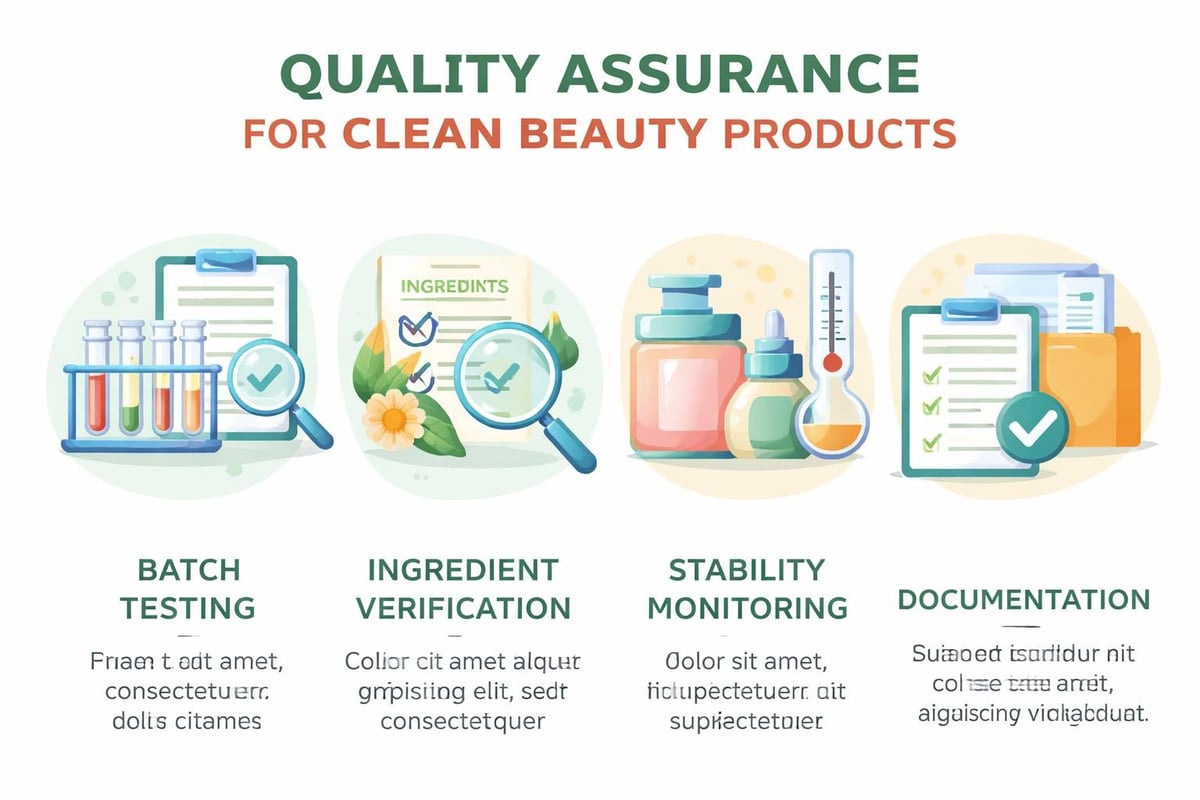
Comprehensive documentation supports regulatory compliance, quality control, and intellectual property protection. Maintain detailed records throughout the formulation development process.
Essential documentation includes:
- Complete ingredient lists with INCI names and percentages
- Manufacturing procedures with specific processing parameters
- Stability and safety testing results
- Supplier certifications and ingredient specifications
- Batch records and quality control checkpoints
Understanding INCI naming conventions ensures accurate ingredient disclosure and regulatory compliance. INCI (International Nomenclature of Cosmetic Ingredients) provides standardized ingredient names recognized globally.
Scaling from Lab to Production
Transitioning successful prototypes to commercial production requires careful planning and process validation. This phase of the cosmetic formulation guide for clean beauty brands addresses the practical challenges of scaling while maintaining product quality.
Manufacturing Partner Selection
Choosing the right manufacturing partner significantly impacts product quality, scalability, and brand reputation. Evaluate potential partners based on their clean beauty expertise, equipment capabilities, and quality systems.
Key selection criteria include:
- Experience formulating and producing clean beauty products
- Certification status (GMP, organic, clean beauty standards)
- Minimum order quantities and production capacity
- Quality control procedures and testing capabilities
- Sustainability practices and waste management
Working with cosmetic product manufacturers who understand clean beauty principles ensures smoother production transitions and fewer formulation adjustments during scaling.
Scale-Up Considerations
Formulations that perform beautifully in 100-gram batches may behave differently at production scale. Address these scale-up challenges proactively through pilot batches and process refinement.
Common scale-up issues affecting clean beauty formulations:
- Mixing efficiency variations between laboratory and production equipment
- Temperature control precision affecting heat-sensitive natural ingredients
- Homogenization parameters requiring adjustment for consistent particle size
- Processing time extensions potentially impacting ingredient stability
- Order of addition modifications necessitated by equipment constraints
Testing and Quality Assurance
Rigorous testing validates that clean beauty formulations deliver promised benefits while maintaining safety standards. Quality assurance protocols should exceed minimum regulatory requirements to build consumer confidence.
Performance Testing Methods
Clinical and consumer testing demonstrate product efficacy and support marketing claims. Consider these testing approaches:
- Instrumental testing measuring specific parameters (hydration, elasticity, smoothness)
- Expert grading by trained evaluators using standardized scales
- Consumer perception studies gathering feedback on performance and sensory attributes
- Long-term usage trials tracking benefits over extended periods
- Comparative studies benchmarking against competitor products
Safety and Sensitization Assessment
Clean beauty products must undergo thorough safety evaluation despite using approved ingredients. Individual ingredients may be safe, but their combinations require validation.
| Test Type | Purpose | Timeline |
|---|---|---|
| Dermatological testing | Confirms skin compatibility and absence of irritation | 2-4 weeks |
| Patch testing | Identifies potential allergens and sensitizers | 4-6 weeks |
| Ophthalmological testing | Validates eye area product safety | 3-4 weeks |
| Pediatric testing | Ensures safety for products targeting children | 6-8 weeks |
Steps to formulate safe cosmetic products emphasize preventive approaches that identify potential issues early in development rather than after market launch.
Emerging Trends in Clean Beauty Formulation
The clean beauty landscape continues evolving as new ingredients, technologies, and consumer expectations emerge. Staying current with these trends helps brands maintain competitive advantage and meet changing market demands.
Biotechnology and Fermentation
Biotechnology offers sustainable alternatives to traditional natural ingredients through fermentation processes. These ingredients combine clean beauty credentials with consistent quality and enhanced performance.
Fermentation-derived ingredients gaining popularity include:
- Probiotics and postbiotics for microbiome support
- Fermented plant extracts with enhanced bioavailability
- Lab-grown actives reducing environmental impact
- Enzyme technologies improving product stability
Waterless and Concentrated Formulations
Water scarcity concerns drive innovation in waterless beauty products. Concentrated formulations reduce packaging waste, transportation emissions, and preserve resource consumption.
Waterless product categories include:
- Solid cleansers and shampoo bars
- Powder-to-foam systems
- Anhydrous balms and oils
- Concentrated serums requiring dilution
These formats align with sustainable cosmetic industry practices while offering unique consumer experiences and performance benefits.
Upcycled and Rescued Ingredients
Circular economy principles inspire the use of upcycled ingredients derived from food industry byproducts. These ingredients reduce waste while providing functional benefits and compelling brand stories.
Examples of upcycled ingredients in clean beauty:
- Fruit seed oils from juice production
- Coffee grounds providing exfoliation and antioxidants
- Grape pomace extracts rich in polyphenols
- Brewery grain extracts offering soothing properties
Brand Differentiation Through Formulation
In a crowded clean beauty marketplace, formulation excellence creates meaningful differentiation. Strategic formulation choices communicate brand values and create memorable consumer experiences.
Signature Ingredient Strategies
Developing or featuring signature ingredients establishes brand identity and creates barriers to imitation. Consider these approaches:
- Proprietary botanical blends unique to your brand
- Exclusive ingredient partnerships with specialized suppliers
- Innovative processing techniques enhancing ingredient performance
- Regional ingredients highlighting specific geographic origins
Small cosmetic brands can compete effectively against larger competitors through distinctive formulation approaches that resonate with target audiences.
Multifunctional Product Development
Consumers increasingly value products that deliver multiple benefits from streamlined routines. Multifunctional formulations reduce product proliferation while demonstrating formulation expertise.
Successful multifunctional approaches combine:
- Treatment benefits with sun protection
- Cleansing with exfoliation and hydration
- Color cosmetics with skincare actives
- Multiple skincare steps in single formulations
This cosmetic formulation guide for clean beauty brands emphasizes that effective multifunctional products require deeper formulation knowledge than single-purpose alternatives, as multiple active systems must coexist without compromising individual performance.
Creating successful clean beauty products demands comprehensive knowledge spanning ingredient science, regulatory compliance, sustainability practices, and consumer expectations. Whether you're developing your first formulation or expanding an established line, partnering with experienced formulators accelerates your path to market while ensuring product excellence. The INCI Lab brings award-winning expertise in custom formulations to beauty brands of all sizes, providing full formulation ownership and complete support from concept through production. Their commitment to eco-friendly practices and sustainable ingredients aligns perfectly with clean beauty values, helping your brand deliver high-performance products that stand out in competitive markets.