

Phase separation in lotion formulations represents one of the most frustrating challenges in cosmetic product development. When oil and water phases split apart, the result is an aesthetically unacceptable product that loses both efficacy and consumer appeal. Whether you're developing a new formula or troubleshooting an existing product, understanding how to fix a separated lotion formula requires knowledge of emulsion chemistry, ingredient interactions, and manufacturing processes. This comprehensive guide explores the root causes of separation and provides actionable solutions that help formulators create stable, high-performance products.
Understanding Why Lotion Formulas Separate
Lotions are emulsions-complex systems where oil and water phases coexist in a stable mixture thanks to emulsifiers. When these emulsions fail, separation occurs. Phase separation in cream products happens when the delicate balance between ingredients breaks down, causing the oil and water to revert to their natural state of immiscibility.
Several factors contribute to separation:
- Insufficient or incorrect emulsifier selection for the specific oil-water ratio
- Improper manufacturing temperatures during the emulsification process
- Incorrect mixing speed or duration leading to inadequate homogenization
- pH imbalances that destabilize emulsifier performance
- Incompatible ingredient combinations creating chemical conflicts
- Storage conditions exposing products to temperature extremes
The Role of Emulsifier Systems
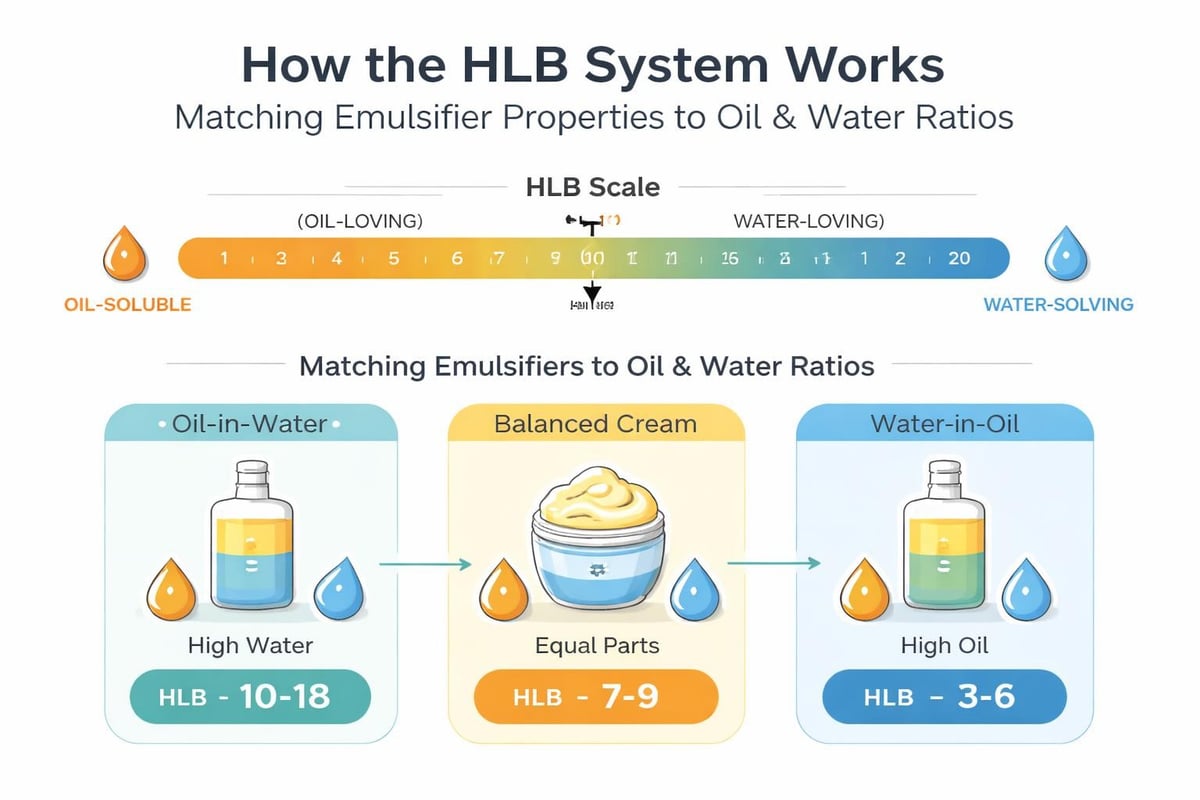
The foundation of any stable lotion lies in its emulsifier system. These molecules possess both hydrophilic (water-loving) and lipophilic (oil-loving) portions that position themselves at the interface between oil and water droplets. When formulators select the wrong emulsifier type or use insufficient quantities, the system lacks the structural integrity to maintain stability.
Understanding common lotion emulsification problems in industrial production helps identify whether your separation issue stems from formulation design or manufacturing execution. The HLB (Hydrophilic-Lipophilic Balance) system provides guidance for emulsifier selection, with values typically ranging from 8 to 18 for oil-in-water lotions.
Diagnostic Steps for Separated Formulations
Before learning how to fix a separated lotion formula, you must accurately diagnose the problem. Not all separation presents identically, and different symptoms point to distinct underlying issues.
Visual Assessment Checklist:
- Type of separation - Is it complete phase separation, partial creaming, or oil droplet coalescence?
- Timing - Did separation occur immediately after manufacturing or develop over time?
- Distribution pattern - Is separation uniform throughout or localized to specific areas?
- Temperature correlation - Does separation worsen with heat or cold exposure?
- Consistency changes - Has viscosity increased, decreased, or remained stable?
| Separation Type | Appearance | Likely Cause |
|---|---|---|
| Complete Phase Separation | Clear oil layer on top, water below | Insufficient emulsifier or incompatible system |
| Creaming | Concentrated cream layer, watery bottom | Density differences, weak emulsion network |
| Syneresis | Water weeping from gel structure | Over-thickening, polymer incompatibility |
| Flocculation | Clumped particles, uneven texture | Electrolyte imbalance, pH shift |
Chemical Analysis Methods
Laboratory testing reveals the chemical changes causing instability. Measure pH levels across different product sections-variations indicate localized chemical reactions. Conduct viscosity measurements at multiple temperatures to understand how thermal stress affects your formula. Microscopic examination shows droplet size distribution, with larger droplets indicating coalescence and impending separation.
Professional formulators working in contract manufacturing beauty products settings utilize accelerated stability testing to predict long-term performance. These tests subject formulations to elevated temperatures (typically 40-45°C) and freeze-thaw cycles, compressing months of shelf life into weeks of observation.
Reformulation Strategies to Restore Stability
When you need to know how to fix a separated lotion formula through reformulation, start with systematic adjustments rather than complete redesign. Small, measured changes allow you to identify which modifications successfully restore stability.
Adjusting Emulsifier Levels and Types
The first line of defense involves optimizing your emulsifier system. Increase emulsifier concentration by 0.5-1% increments, testing stability at each level. Many successful formulations use emulsifier blends combining primary and secondary emulsifiers, creating a more robust interfacial film.
Consider these emulsifier combinations:
- Cetearyl alcohol + Ceteareth-20 for lightweight lotions
- Glyceryl stearate + PEG-100 stearate for rich, creamy textures
- Polysorbate 60 + Sorbitan stearate for natural formulations
- Olivem 1000 (Cetearyl olivate + Sorbitan olivate) for eco-friendly products
Eco-friendly cosmetic brands increasingly seek plant-based emulsifiers derived from sustainable sources. These natural alternatives require careful formulation expertise to achieve stability comparable to synthetic options.
Optimizing Oil and Water Phase Ratios
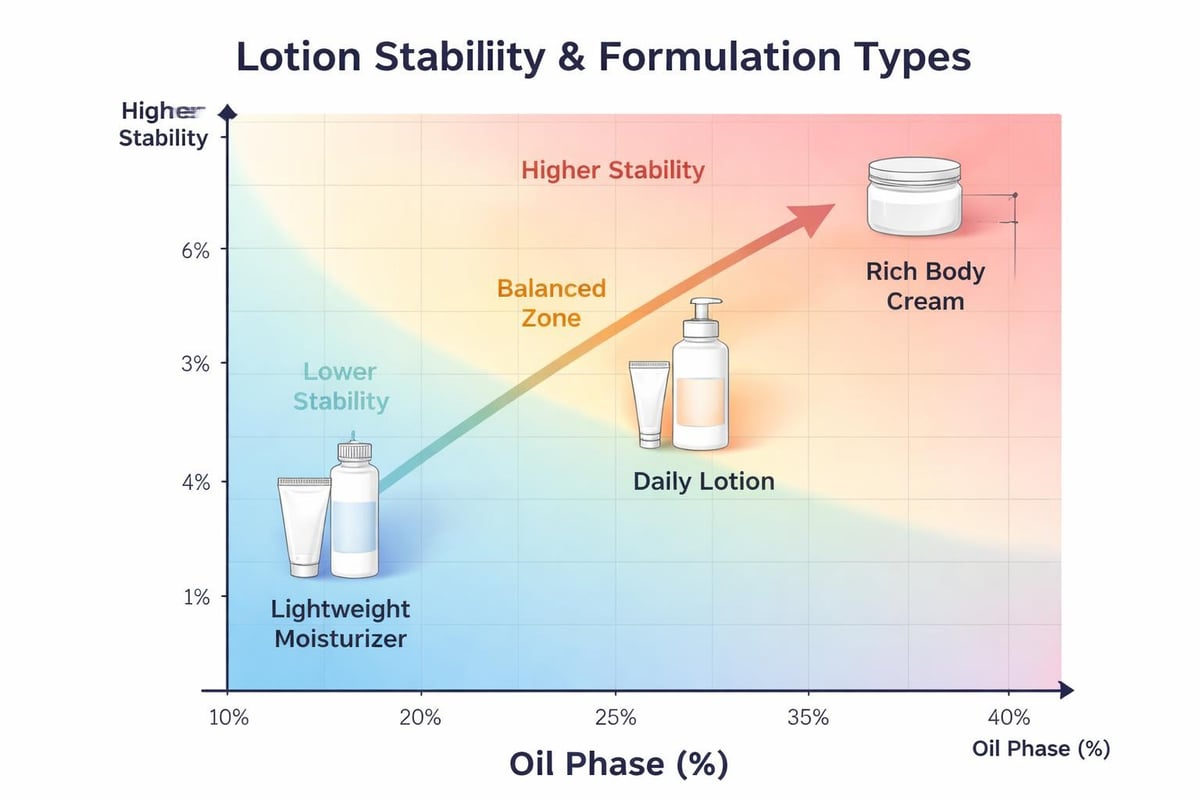
The proportion of oil to water significantly impacts emulsion stability. Most lotions maintain a 15-30% oil phase, but going too high stresses the emulsifier system. If your formula contains excessive oils, reduce them incrementally or increase emulsifier levels proportionally.
Water phase adjustments matter equally. Hard water minerals can destabilize emulsions, so reformulation may require switching to deionized or distilled water. Some formulators add chelating agents like EDTA to bind metal ions that interfere with emulsifier performance.
Manufacturing Process Corrections
Sometimes the formula itself is sound, but processing errors cause separation. Learning how to fix a separated lotion formula often means refining production techniques rather than changing ingredients.
Temperature Control During Emulsification
Proper heating and cooling protocols are essential. Heat both oil and water phases to the same temperature (typically 70-75°C for most systems) before combining. This ensures complete melting of solid emulsifiers and uniform dispersion.
The cooling phase requires equal attention. Rapid cooling can shock the emulsion, while extremely slow cooling allows droplets to coalesce. Aim for gradual cooling with continuous gentle mixing until the batch reaches 30-35°C.
Temperature Protocol Steps:
- Heat oil and water phases separately to 70-75°C
- Add water phase to oil phase (or vice versa, depending on emulsifier type) slowly with mixing
- Homogenize for 3-5 minutes at appropriate speed
- Begin cooling while maintaining gentle agitation
- Add heat-sensitive ingredients at 40°C or below
- Continue mixing until batch reaches room temperature
Mixing Speed and Homogenization
Why cosmetic creams may not emulsify properly often relates to inadequate or excessive shear forces. Too little mixing fails to create small, uniform droplets. Too much can break emulsifier films and introduce destabilizing air bubbles.
Different production scales require different approaches. Laboratory batches may use overhead stirrers at 400-800 RPM. Industrial production employs high-shear mixers, homogenizers, or colloid mills. The key is achieving droplet sizes between 1-10 micrometers for optimal stability.
Stabilizer and Thickener Optimization
Beyond emulsifiers, stabilizers and thickeners play crucial roles in preventing separation. These ingredients create network structures that physically trap droplets, reducing mobility and preventing coalescence.
Selecting Appropriate Viscosity Modifiers
Different thickeners provide distinct stabilization mechanisms:
| Thickener Type | Examples | Stabilization Method | Best For |
|---|---|---|---|
| Polymers | Carbomer, Acrylates | Gel network formation | Lightweight lotions |
| Natural gums | Xanthan, Guar | Viscosity increase, weak gel | Natural formulations |
| Fatty alcohols | Cetyl, Stearyl | Lamellar phase structure | Rich creams |
| Silica derivatives | Fumed silica | Particle network | Specialty textures |
When reformulating to address separation, add thickeners at 0.2-0.5% initially. The importance of quality formulations in cosmetic products cannot be overstated-selecting premium-grade stabilizers often makes the difference between success and failure.
Electrolyte Management
Ionic strength affects polymer thickeners and emulsion stability. High concentrations of salts or charged ingredients can cause thickener collapse or emulsifier neutralization. If your formula contains significant electrolytes (preservatives, active ingredients, pH adjusters), select salt-tolerant thickeners or reduce electrolyte levels where possible.
pH Adjustment for Enhanced Stability
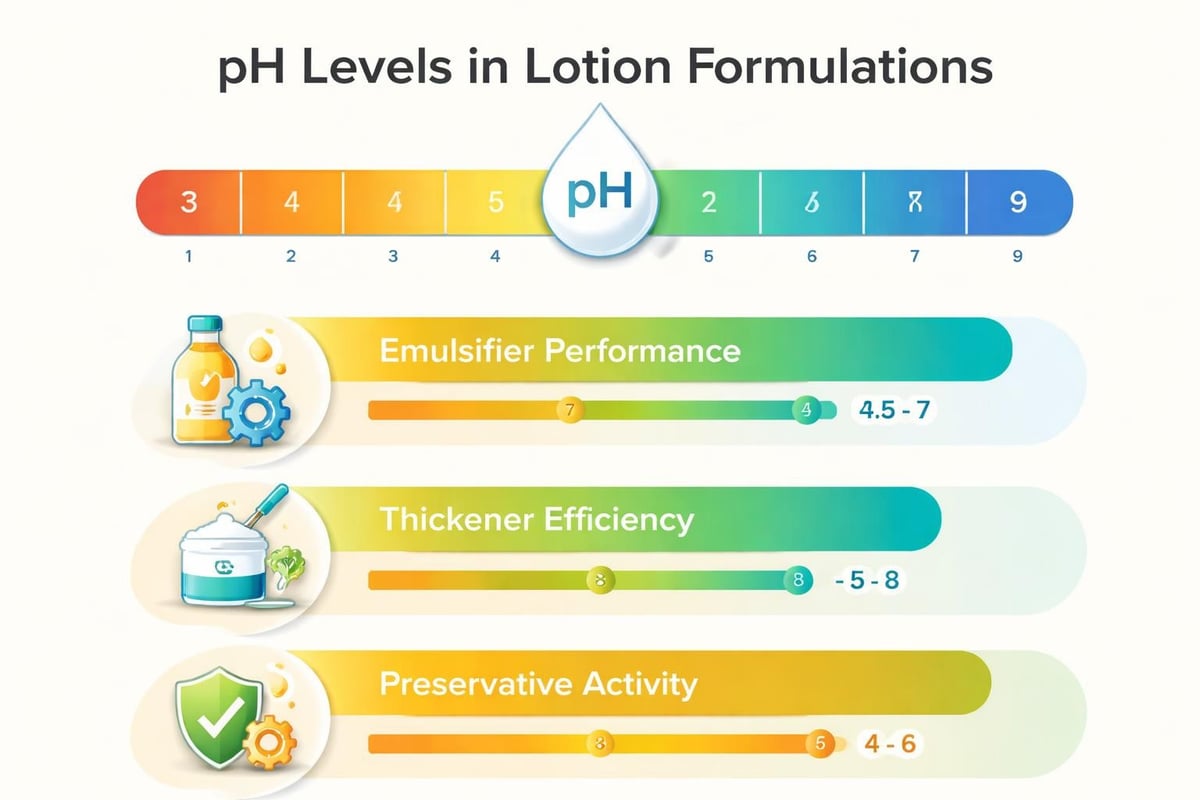
The pH environment profoundly influences emulsion stability. Most emulsifiers and thickeners function optimally within specific pH ranges. Understanding how to fix a separated lotion formula includes verifying that your formula's pH aligns with ingredient requirements.
Measure pH in the final cooled product. Common pH ranges for lotions span 5.0-7.0, mimicking skin's natural acidity. Adjust using:
- Citric acid or lactic acid to lower pH
- Sodium hydroxide or triethanolamine to raise pH
Make adjustments in small increments (0.1-0.2 pH units), allowing the formula to equilibrate before retesting. Dramatic pH shifts can trigger separation by altering ingredient ionization states.
Preservative System Compatibility
Preventing professional skincare product separation requires considering preservative-emulsion interactions. Some preservatives function better at specific pH levels, while others may interact negatively with emulsifiers or thickeners.
Phenoxyethanol works across broad pH ranges but can thin certain gel systems. Parabens require pH below 6 for optimal efficacy. Potassium sorbate needs pH below 5.5. Select preservatives compatible with both your target pH and emulsifier system.
Addressing Specific Ingredient Incompatibilities
Certain ingredient combinations inherently resist stable emulsification. Recognizing these incompatibilities helps you understand how to fix a separated lotion formula by removing or replacing problematic components.
Common Incompatibility Issues:
- High percentages of essential oils (above 2-3%) can break emulsions due to their lipophilic nature
- Certain silicones require specific emulsifier types designed for silicone compatibility
- High levels of glycerin or propylene glycol can disrupt emulsion structure
- Some plant extracts contain saponins that interfere with synthetic emulsifiers
- Alcohol content above 5-10% can destabilize many emulsion systems
When homemade essential oil lotions separate and curdle, it often stems from excessive essential oil loading or incompatible carrier oils. Professional formulators at The INCI Lab employ solubilizers and specialized emulsifiers to incorporate these challenging ingredients successfully.
Natural Ingredient Considerations
Natural and organic formulations present unique stability challenges. Plant oils vary in fatty acid composition, affecting emulsification requirements. Botanical extracts may contain compounds that shift pH or introduce electrolytes.
Why organic skincare separates relates partly to the absence of synthetic stabilizers that conventional formulations rely upon. When working with natural ingredients, expect to use higher emulsifier percentages and conduct more extensive stability testing.
Quality Control and Stability Testing
After implementing fixes, rigorous testing confirms whether your reformulation successfully addresses separation. Professional cosmetic products manufacturers follow standardized protocols to validate stability.
Accelerated Stability Testing Protocol
Subject corrected formulations to stress conditions:
- Freeze-thaw cycling - Five cycles between -10°C and 40°C
- High temperature storage - 45°C for 90 days
- Room temperature control - 20-25°C for comparison
- Sunlight exposure - UV exposure to test photostability
Evaluate samples weekly for visual changes, pH drift, viscosity shifts, and microbial contamination. Products passing accelerated testing typically demonstrate 12-18 month shelf stability under normal conditions.
Real-Time Stability Studies
Complement accelerated testing with real-time studies at intended storage conditions. While time-consuming, these studies provide the most accurate stability predictions. Many personal care and cosmetics companies conduct three-month preliminary studies before full market launches.
Reformulation Best Practices from Industry Experts
Professional cosmetic chemists approach stability issues systematically. What cosmetic chemists actually do includes methodical troubleshooting that isolates variables and tests hypotheses through controlled experiments.
Expert Reformulation Workflow:
- Document the original formula completely, including processing parameters
- Change only one variable at a time to identify root causes
- Prepare small test batches (100-200g) for rapid iteration
- Conduct side-by-side comparisons with control samples
- Scale up gradually after confirming bench-scale stability
- Validate manufacturing procedures at production scale
Working with experienced formulators accelerates the troubleshooting process. They recognize patterns from hundreds of previous formulations, quickly identifying likely culprits and effective solutions.
When to Consider Complete Reformulation
Sometimes fixing a separated formula proves more challenging than starting fresh. Consider complete reformulation when:
- Multiple correction attempts fail to achieve stability
- Required ingredient changes compromise product concept or performance
- Manufacturing adjustments exceed equipment capabilities
- Stability testing reveals degradation of active ingredients
- Consumer testing indicates unacceptable sensory properties
The benefits of reformulating cosmetic products extend beyond fixing separation issues. Reformulation opportunities allow incorporating improved ingredients, enhancing efficacy, and responding to market trends.
Preventive Measures for Future Formulations
Understanding how to fix a separated lotion formula provides valuable knowledge for preventing separation in future products. Proactive formulation design minimizes stability issues before they occur.
Prevention Strategies:
- Select emulsifiers with proven track records for your specific oil types
- Use conservative ingredient loading levels, especially for challenging materials
- Build in safety margins with emulsifier and stabilizer levels slightly above minimum requirements
- Conduct preliminary stability screening during development, not after finalizing formulas
- Document all processing parameters in validated manufacturing procedures
- Source ingredients from reliable suppliers providing certificates of analysis
- Maintain consistent manufacturing conditions across batches
Successful small cosmetic brands invest in proper formulation development from the start, avoiding costly reformulation cycles and product failures.
Documentation and Batch Records
Comprehensive records enable quick troubleshooting when separation occurs. Document ingredient lot numbers, processing temperatures, mixing times, pH adjustments, and any deviations from standard procedures. This information proves invaluable when investigating stability failures.
Create formulation records that include:
- Complete ingredient list with INCI names and percentages
- Processing instructions with specific temperatures and times
- Equipment specifications and settings
- Quality control checkpoints and acceptance criteria
- Stability testing results over time
Advanced Stabilization Techniques
For particularly challenging formulations, advanced techniques may be necessary. These approaches require specialized equipment or ingredients but can successfully stabilize formulas that resist conventional methods.
Liquid Crystal Technology
Liquid crystals form ordered structures at the oil-water interface, providing exceptional stability. Specific emulsifier combinations at precise ratios create these lamellar structures, which trap water between lipid bilayers. This technology appears in high-performance professional skincare and the cosmetics market increasingly demands these sophisticated systems.
Multiple Emulsion Systems
Some formulations benefit from creating water-in-oil-in-water (W/O/W) emulsions. These complex systems encapsulate water droplets within oil droplets, which are then dispersed in a continuous water phase. Multiple emulsions enable delivery of incompatible ingredients and controlled release mechanisms, though they require careful formulation to maintain stability.
Microfluidic Homogenization
Industrial-scale microfluidic processors create uniform droplet sizes impossible to achieve with conventional mixing. The resulting narrow droplet size distribution significantly enhances stability. While equipment costs limit accessibility, contract manufacturers often offer this processing capability.
Fixing separated lotion formulas requires understanding emulsion chemistry, identifying root causes, and implementing targeted corrections through ingredient optimization, processing refinement, or complete reformulation. Whether adjusting emulsifier systems, controlling manufacturing temperatures, or managing ingredient incompatibilities, systematic troubleshooting leads to stable, high-performance products. The INCI Lab specializes in developing stable, award-winning formulations that withstand real-world storage conditions and deliver exceptional consumer experiences. With comprehensive expertise in custom formulations and eco-friendly practices, we help brands transform unstable prototypes into market-ready products backed by rigorous stability testing and expert formulation support.

